













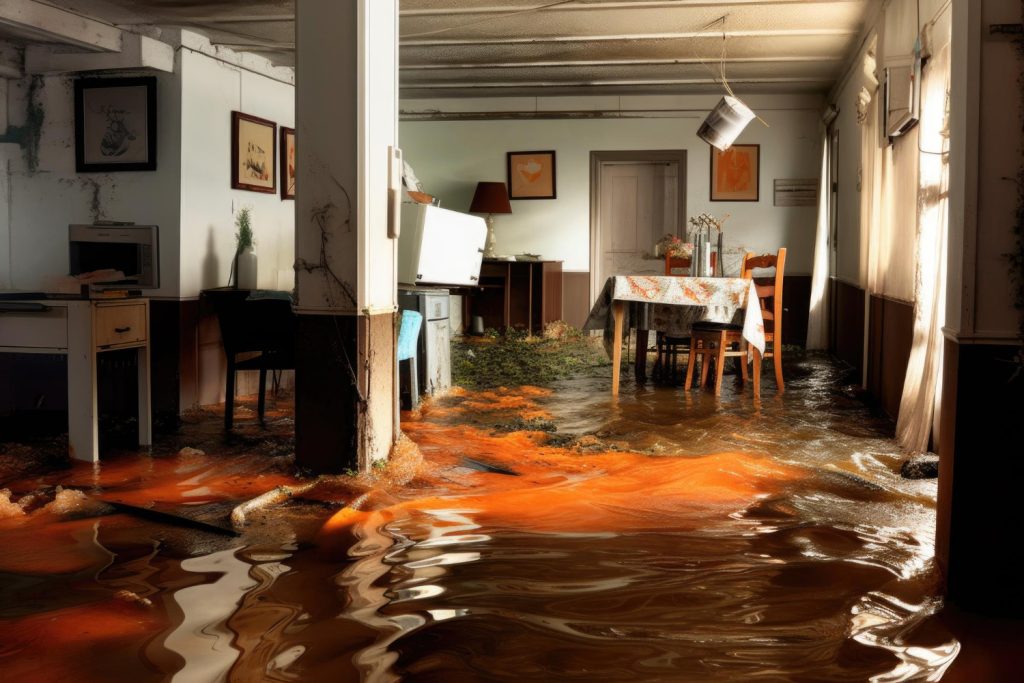
Winter months can be challenging, especially when faced with water emergencies. From burst pipes to ice dams, these problems can cause significant damage to your home. Knowing how to react can save you time, money, and stress.
Winter water emergencies often strike without warning. Cold temperatures can freeze water in your pipes, causing them to burst. Heavy snow and ice can lead to roof leaks and other structural problems. These situations require immediate attention to prevent further damage.
Taking quick and effective action is crucial. Understanding common causes of winter water emergencies and having a plan can help you manage these issues promptly. In the following sections, we will outline the steps you should take when a water emergency occurs, the tools you’ll need, and when it’s time to call in professional help. This knowledge can help you protect your home and ensure a safe winter season.
Common Winter Water Emergencies and Their Causes
Winter water emergencies can arise from various circumstances. Here are some of the most common issues and what causes them:
1. Burst Pipes: When water freezes inside pipes, it expands and can cause the pipes to burst. This often happens in unheated or poorly insulated areas like basements and attics.
2. Ice Dams: Ice dams form when snow on the roof melts and refreezes at the edges. The trapped water can leak into your home, damaging ceilings, walls, and insulation.
3. Roof Leaks: Heavy snow and ice can weigh down your roof, causing damage and leaks. These leaks can lead to significant water damage inside your home.
4. Frozen or Faulty Sump Pumps: Sump pumps help keep basements dry by pumping out excess water. In winter, sump pumps can freeze or malfunction, leading to basement flooding.
5. Window and Door Leaks: Cold weather can cause seals around windows and doors to fail, allowing water to seep into your home. This can cause damage to walls, floors, and furniture.
6. Blocked Gutters: Gutters blocked with ice and debris can cause water to overflow and leak into your home. This can lead to damage to the roof, walls, and foundation.
Understanding these typical emergencies can help you prepare and respond effectively when they occur.
Immediate Steps to Take When Water Emergencies Occur
Acting quickly during a water emergency can minimize damage. Follow these steps to respond effectively:
1. Turn Off the Water Source: If a burst pipe is causing the problem, turn off the main water supply immediately. This will stop any more water from entering your home.
2. Turn Off Electricity: Water and electricity are a dangerous mix. Turn off the electricity in the affected areas to prevent electrical hazards. If you need to enter a wet area, wear rubber boots and gloves.
3. Remove Standing Water: Use towels, mops, or a wet/dry vacuum to remove standing water. Quickly removing water helps prevent further damage and mold growth.
4. Move Personal Belongings: Remove any furniture, electronics, or important items from the affected area. This will help prevent further damage to your belongings.
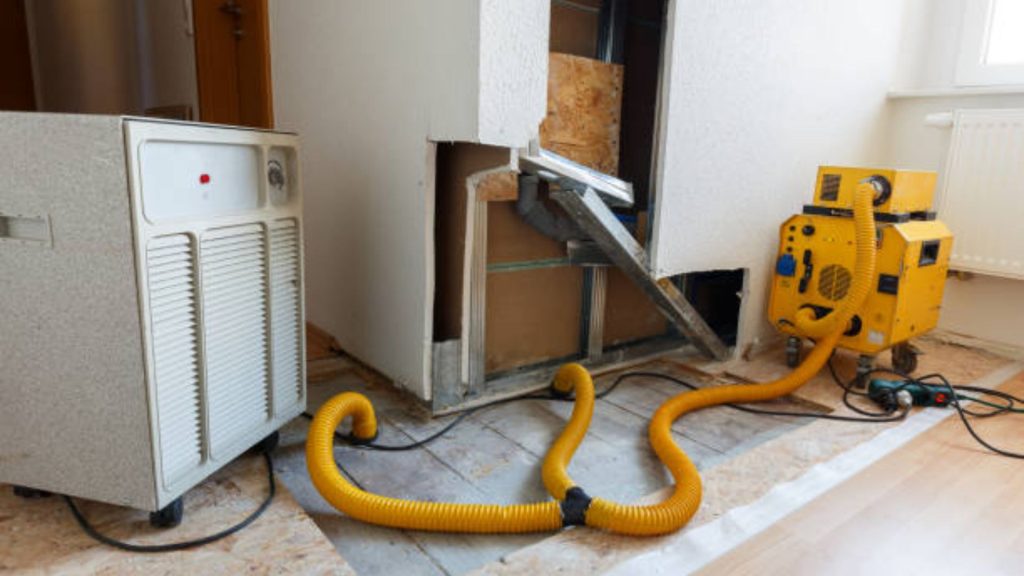
5. Ventilate the Area: Open windows and doors to allow fresh air to circulate. Use fans and dehumidifiers to help dry out the area. Ventilating the area reduces moisture and prevents mold.
6. Document the Damage: Take photos and notes of the damage for insurance purposes. Documentation will help you file a claim and get the compensation you need.
7. Apply Temporary Fixes: If possible, use duct tape or patch kits to temporarily fix leaks. This will help control the situation until professional help arrives.
Following these steps can help you manage a water emergency effectively until professional restoration services can take over.
Essential Tools and Supplies for Quick Response
Having the right tools and supplies on hand can make all the difference when dealing with a winter water emergency. Here are some essential items to keep in your emergency kit:
1. Wet/Dry Vacuum: This versatile tool can quickly remove standing water from floors, carpets, and other surfaces. It’s a must-have for any water emergency.
2. Dehumidifier: A dehumidifier helps to remove moisture from the air, speeding up the drying process and preventing mold growth. Use it in tandem with fans for optimal results.
3. High-Speed Fans: High-speed fans circulate air and help dry out wet areas faster. They are particularly useful for drying carpets, walls, and other large surfaces.
4. Absorbent Towels and Mops: Keep plenty of absorbent towels and mops available to soak up water quickly. These are simple but effective tools for controlling minor leaks and spills.
5. Sump Pump: If you have a basement, a sump pump is invaluable. It helps to remove excess water that has accumulated, preventing flooding and water damage.
6. Plastic Sheeting and Duct Tape: Use plastic sheeting and duct tape to cover leaks temporarily and minimize water damage. These materials can also help divert water away from vulnerable areas.
7. Moisture Meters: Moisture meters allow you to measure the moisture levels in walls, floors, and other materials. This helps ensure that all areas are properly dried.
Having these tools and supplies ready ensures you can respond quickly and effectively to any winter water emergency.
When to Call Professional Restoration Services
Knowing when to call in the professionals is crucial in effectively managing a winter water emergency. Here are some situations where professional help is necessary:
1. Extensive Water Damage: If a large area of your home is affected by water, call a restoration service immediately. Professionals have the equipment and expertise to handle extensive damage.
2. Persistent Leaks: If you have a leak that won’t stop even after turning off the main water supply, it’s time to call in the professionals. Persistent leaks can cause significant damage if not addressed quickly.
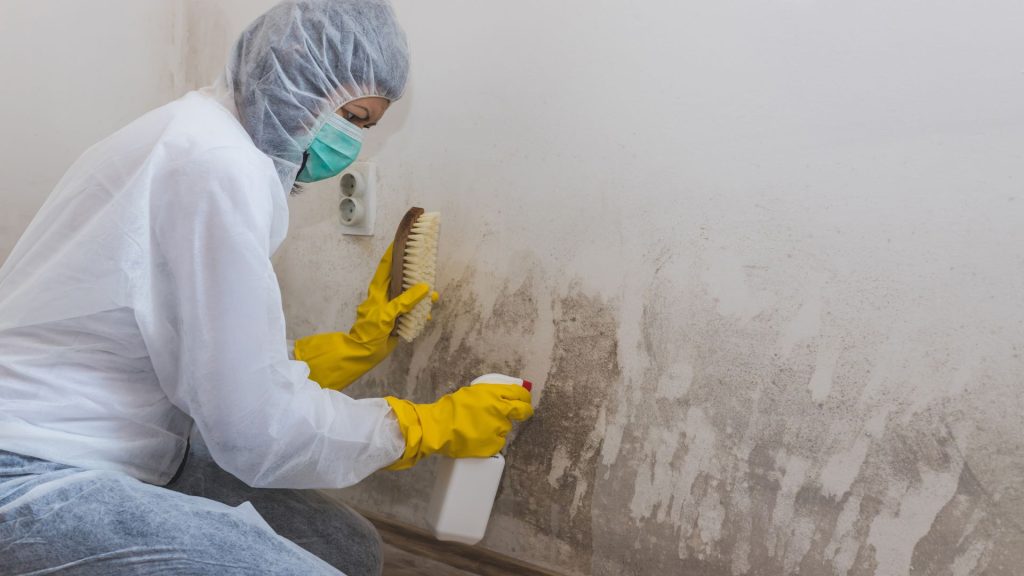
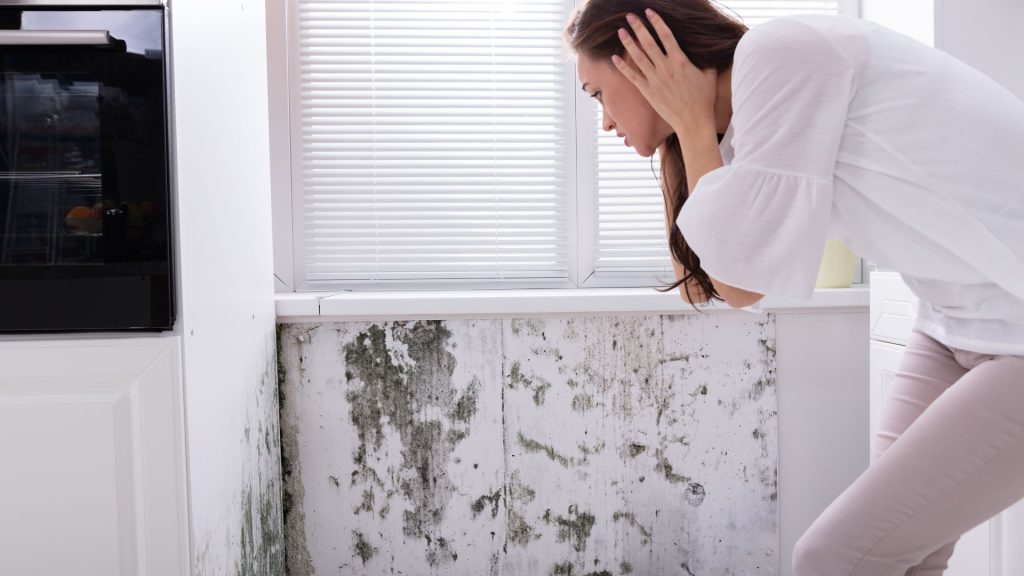
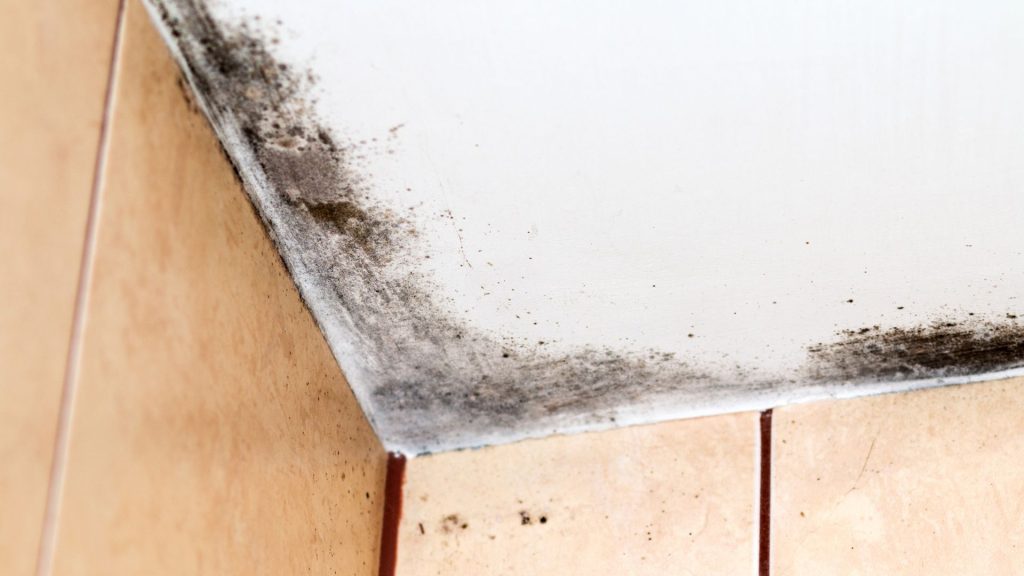
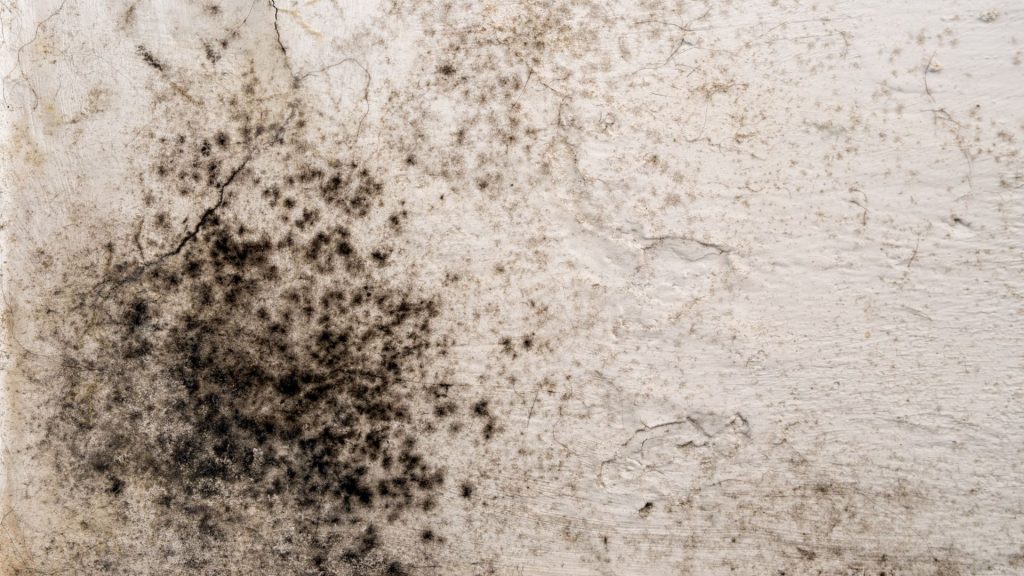
3. Mold Growth: Mold can start to grow within 24 to 48 hours of water exposure. If you notice any signs of mold, like a musty smell or visible growth, call a professional immediately. Mold can cause health problems and should be handled by experts.
4. Structural Damage: Water can weaken your home’s structure. If you notice sagging ceilings, warped walls, or floors, get professional help right away. Structural damage poses safety risks and requires expert attention.
5. Contaminated Water: If the water causing the damage comes from a contaminated source, like a sewer backup, do not attempt to clean it up yourself. Contaminated water can pose serious health risks and requires professional treatment.
6. Insurance Requirements: Many insurance companies require professional documentation of water damage for claims. Hiring professionals can ensure you meet these requirements and get the compensation you need.
Recognizing when professional services are needed helps prevent further damage and ensures your home is restored safely and effectively.
Conclusion
Managing winter water emergencies efficiently is essential to protecting your home. Knowing common causes and immediate steps to take can make a significant difference. Equipped with the right tools, you can handle minor issues, but it’s crucial to recognize when to call in the experts.
Preparing for these emergencies and acting quickly can save you time, stress, and money. Prompt action reduces the possibility of severe damage and health risks like mold growth. Effective response strategies help maintain the safety and comfort of your home during the challenging winter months.
If you face a water emergency and need professional help, trust FreshCo to handle it efficiently. Contact FreshCo today to protect your home and ensure peace of mind this winter.