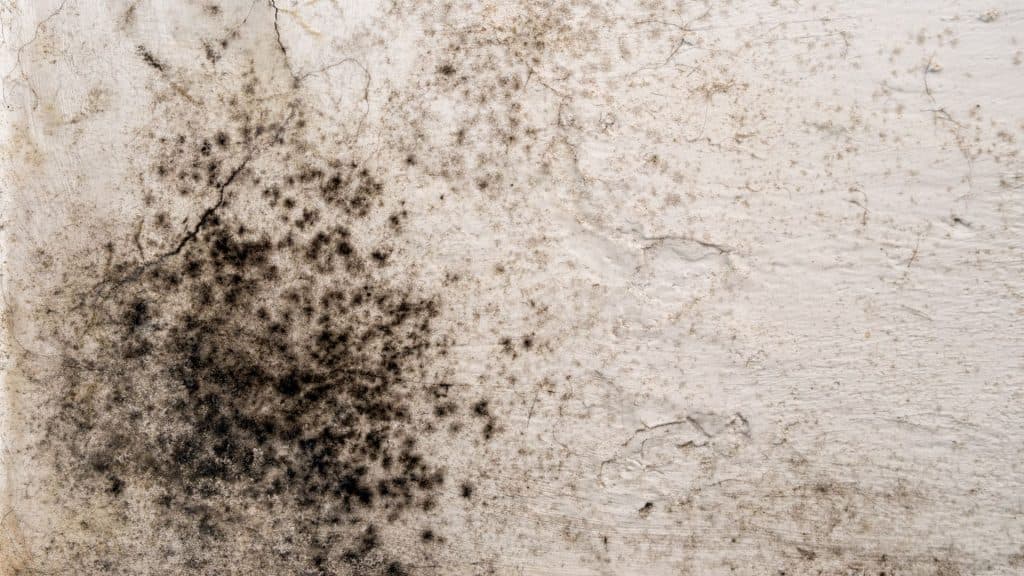














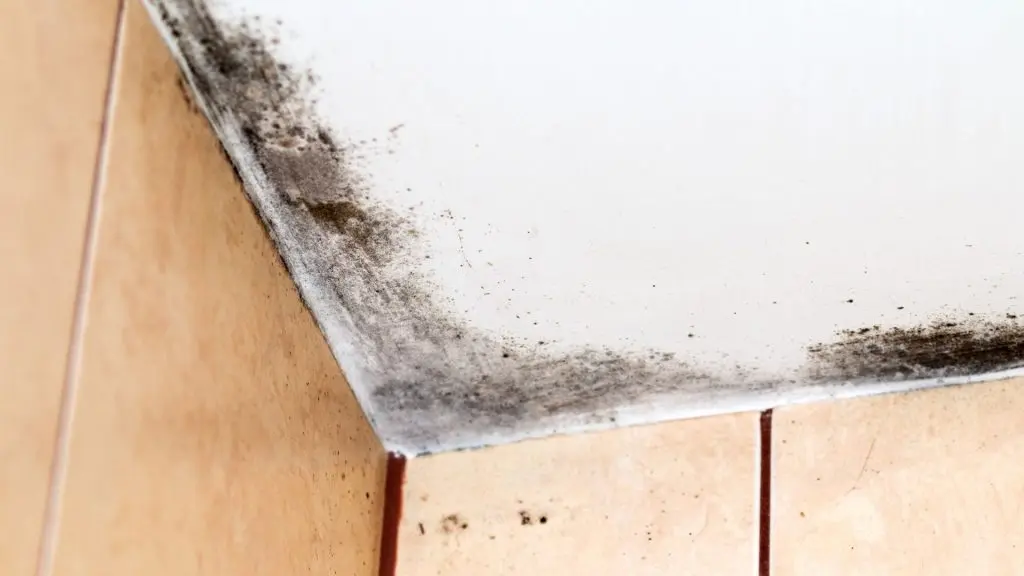
Mold removal used to mean reaching for the strongest bleach-based product on the shelf. That approach can leave behind harsh fumes, does not always address the source of the mold, and is not ideal in homes with children, pets, or family members sensitive to strong chemicals. It also does little to address why the mold appeared in the first place.
Eco-friendly mold removal takes a different approach, relying on products designed to address mold effectively while reducing the chemical exposure left behind in a home. This article covers what eco-friendly mold removal typically involves, the categories of products behind it, the benefits of this approach, and why we prioritize it where it fits the situation.
What Makes Mold Removal “Eco-Friendly”?
Eco-friendly mold removal generally refers to using products that are effective against mold and mildew while limiting harsh chemical residue, strong fumes, and unnecessary environmental impact compared to traditional bleach-heavy approaches. It also tends to consider how a product is manufactured and disposed of, not just how it performs on a treated surface.
This does not mean every situation calls for the same product. The right approach depends on the extent of the mold, the materials affected, and whether the space is occupied by people with respiratory sensitivities or allergies.
Categories of Products Used in Eco-Friendly Mold Removal
A few categories of products commonly make up an eco-friendly mold removal approach.
1. EPA-Registered Antimicrobial Treatments
Products registered with the EPA specifically for mold and mildew control are formulated to address mold growth while meeting federal standards for safety and effectiveness, offering an alternative to using undiluted bleach.
2. Enzyme and Botanical-Based Cleaners
Enzyme-based cleaners break down organic material, including mold, without relying on the harsh fumes associated with chlorine bleach. Botanical formulas, often built around ingredients like thyme oil, offer another lower-odor option for treating affected surfaces.
3. Low-VOC and Fragrance-Free Formulas
Volatile organic compounds, or VOCs, are released by many traditional cleaning products and can affect indoor air quality. Low-VOC and fragrance-free formulas reduce this impact, which matters in enclosed spaces during and after treatment.
Benefits of Choosing an Eco-Friendly Approach
Beyond the environmental angle, eco-friendly mold removal offers a few practical advantages for homeowners during and after a remediation job.
- Lower chemical exposure for household members, particularly those with asthma, allergies, or chemical sensitivities.
- Less residual odor left behind after treatment compared to strong bleach-based products.
- Safer conditions for pets, who often spend more time close to floors and baseboards where treated surfaces are located.
- Reduced risk of damaging finishes or fabrics that harsh chemicals can discolor or degrade over repeated use.
- Better compatibility with HEPA air filtration, since lower-fume products allow a room to be reoccupied sooner after treatment.
Why Bleach Is Not Always the Best Solution for Mold
Bleach is effective at killing mold on non-porous surfaces, but it does not penetrate porous materials like drywall or wood the way mold itself does, which means the mold can continue growing beneath the surface even after a bleach treatment. It can also bleach the color out of fabrics and finishes it contacts, which is a separate concern from whether it actually resolves the mold.
Bleach also releases strong fumes that can irritate the eyes, throat, and lungs, particularly in enclosed spaces or for individuals with asthma or other respiratory conditions. And on porous materials, the water content in diluted bleach solutions can actually add moisture that supports further mold growth if the surface is not dried thoroughly afterward.
How We Approach Eco-Friendly Mold Removal
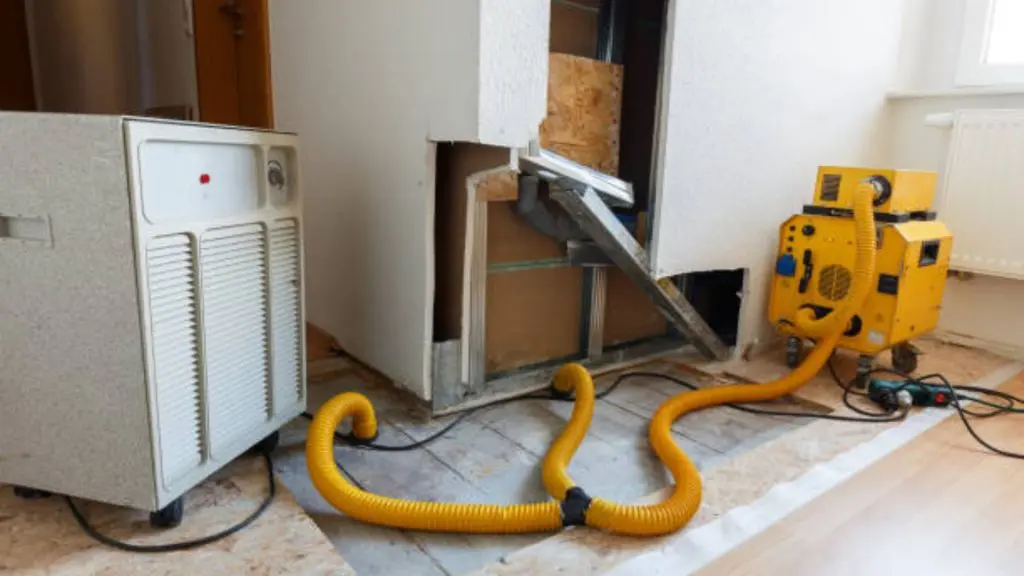
When eco-friendly products are appropriate for a job, our process still follows the same fundamentals as any mold remediation: identifying the moisture source, removing materials that cannot be salvaged, and treating remaining surfaces.
Where eco-friendly products fit, we use them to treat surfaces that can be cleaned rather than removed, aiming to address the mold while limiting the amount of harsh chemical residue left in the home afterward.
The Role of HEPA Filtration in Eco-Friendly Mold Removal
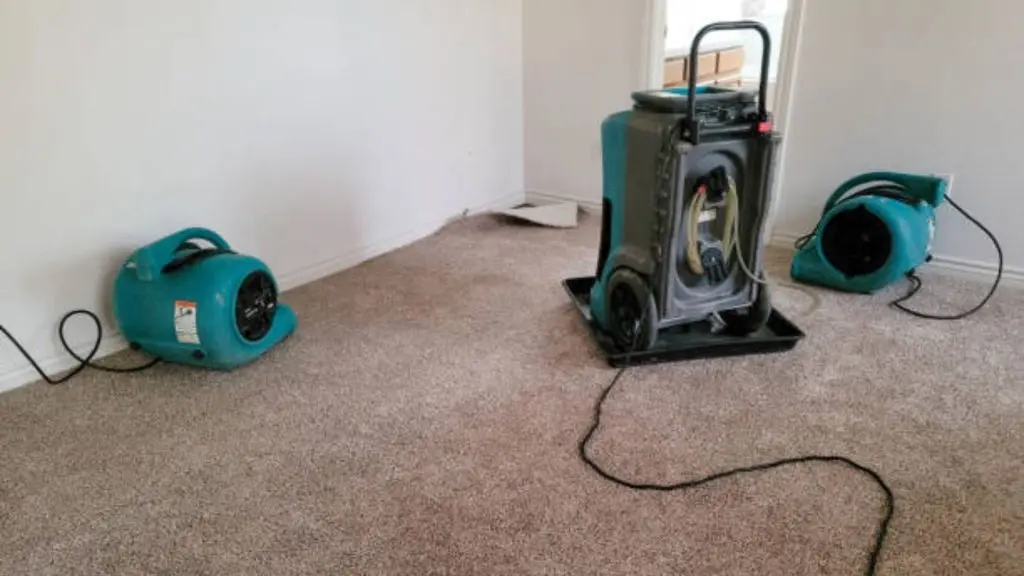
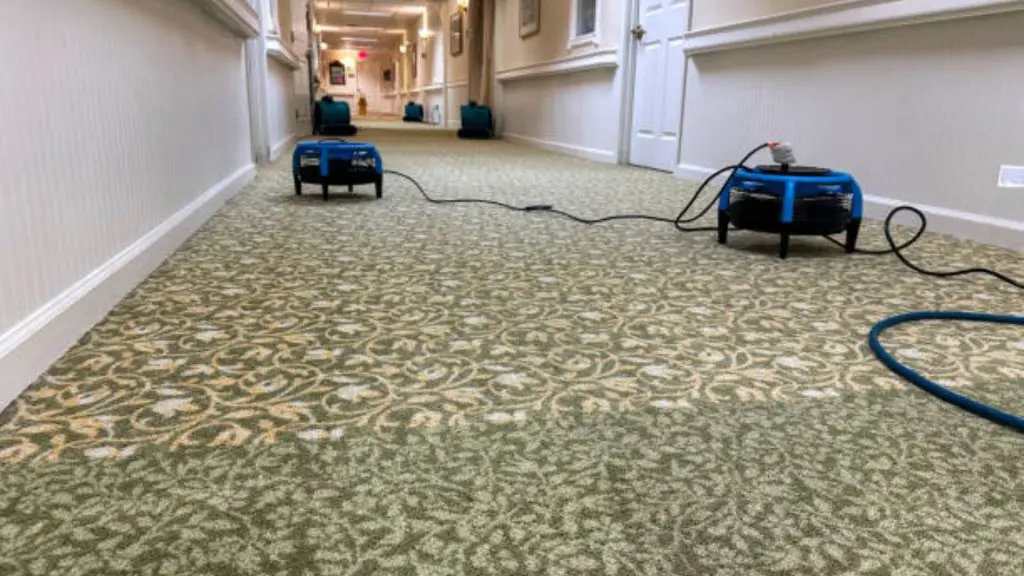
Beyond the cleaning products themselves, air filtration plays a role in an eco-friendly approach. HEPA air scrubbers capture mold spores and fine particles from the air during remediation, reducing how much settles back onto surfaces or spreads to unaffected areas of the home.
This step matters particularly for households with allergies, asthma, or young children, where minimizing airborne particles during the cleanup process is as important as treating the visible mold itself.
When Eco-Friendly Products May Not Be Enough
Eco-friendly products work well for surface mold on materials that can be cleaned and dried, but they are not a substitute for removing materials that have been too heavily colonized or saturated to safely restore. In those cases, removal and replacement remains the more reliable option regardless of which cleaning products are used elsewhere in the job. Addressing the moisture source that allowed the mold to grow is also part of any complete remediation, whether or not eco-friendly products are used on the surfaces themselves.
Frequently Asked Questions
Is Eco-Friendly Mold Removal as Effective as Bleach?
For surface mold on materials that can be cleaned, yes, EPA-registered antimicrobial and enzyme-based products are formulated to be effective against mold while reducing harsh chemical residue.
Are Eco-Friendly Mold Removal Products Safe Around Pets and Children?
Many eco-friendly formulas are designed to reduce fumes and chemical residue, which can make them a better fit for occupied homes, though any product should still be used according to its label instructions.
Does Eco-Friendly Mold Removal Cost More Than Traditional Methods?
It depends on the products and scope involved in a given job. The choice of product is one part of an overall remediation plan rather than a separate cost category on its own.
Can Eco-Friendly Products Remove Mold From Drywall?
Surface mold on drywall can sometimes be treated, but drywall that has absorbed significant moisture or mold growth typically needs to be removed regardless of which cleaning products are used.
How Do I Know Which Approach Is Right for My Home?
It depends on the extent of the mold, the materials involved, and whether anyone in the household has respiratory sensitivities. An in-person assessment is the most reliable way to determine the right combination of products and methods.
Does FreshCo Always Use Eco-Friendly Products?
We use eco-friendly products where they fit the situation, while the overall approach to any mold job depends on the extent of the growth and the materials involved.
Final Thoughts on Eco-Friendly Mold Removal
Eco-friendly mold removal is less about a single product and more about an approach that addresses mold effectively while reducing the chemical exposure left behind in a home. EPA-registered antimicrobials, enzyme-based cleaners, and HEPA filtration all play a role in that approach where the situation calls for it, and identifying the moisture source remains the step that keeps mold from returning regardless of which products are used.
If your Hutchinson home has a mold concern and you would like it addressed with lower-impact products where appropriate, reach out to FreshCo Cleaners. We can assess the mold and walk you through the products and processes that fit your situation.