













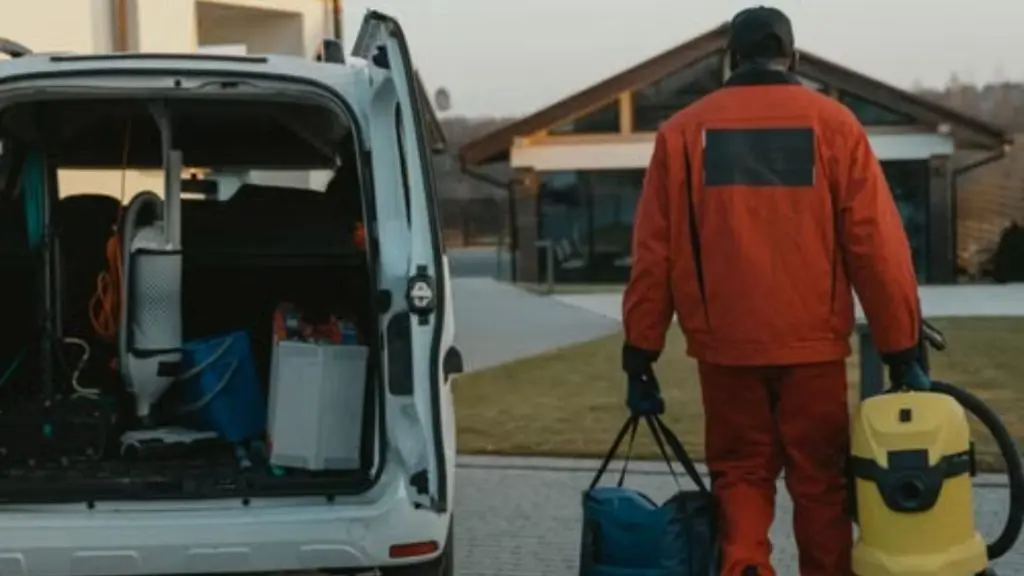
A burst pipe or overflowing appliance can put hundreds of gallons of water into a home within minutes. Wet-vacs and towels can slow the spread, but they cannot remove water from carpet padding, subflooring, or the gap behind a baseboard.
That gap between what a homeowner can do and what a flooded room actually needs is where professional equipment matters. Extraction units, moisture meters, and industrial drying equipment are built to reach water that a household setup cannot.
This article walks through the equipment involved in emergency water extraction, the techniques that guide how it is used, what to do while waiting for help, and what our process looks like when we respond to a call in a Hutchinson home.
Why Fast Water Extraction Matters After a Leak or Flood
Standing water does not stay contained. It spreads under flooring, wicks up drywall, and settles into structural framing within hours of a leak starting. The longer water sits, the more materials absorb it and the more likely warping, staining, or mold growth becomes.
Speed also affects cost. Water removed quickly, before it saturates subflooring or insulation, is far less likely to require the removal and replacement of those materials. A delay of even a day can shift a job from drying in place to tearing out and rebuilding.
What to Do While Waiting for Extraction Help
A few steps in the first minutes after discovering water damage can limit how far it spreads before professional equipment arrives.
- Shut off the water source if it is still active, whether that means the supply valve under a fixture or the home’s main shutoff for a larger leak.
- Turn off electricity to the affected area at the breaker if water is anywhere near outlets, cords, or appliances.
- Move furniture, rugs, and electronics out of standing water where it is safe to do so, to limit how much additional material absorbs water.
- Avoid walking through standing water near any electrical source, and avoid using a household vacuum that is not rated for wet pickup.
- Photograph the affected area before any items are moved, since this documentation is useful for an insurance claim.
What Equipment Professional Water Extraction Requires
Extraction relies on more than pulling standing water off a surface. The right equipment reaches water trapped in materials that look dry from the top.
Truck-Mounted and Portable Extraction Units
Truck-mounted units pull water at higher volume and are typically used for larger losses, while portable extractors handle smaller areas or spaces a hose cannot reach, such as upper floors. Both remove standing water far faster than a wet-vac built for household use.
Moisture Meters and Thermal Imaging Cameras
Moisture meters measure how much water a material has absorbed, which determines whether it can be dried in place or needs to be removed. Thermal imaging cameras help locate moisture behind walls or under flooring that is not visible during a walkthrough, so the extraction and drying plan accounts for water that has already spread beyond the obvious wet area.
Air Movers and Dehumidifiers
Once standing water is removed, air movers circulate air across wet surfaces to speed evaporation, while dehumidifiers pull the resulting moisture out of the air so it does not resettle on nearby materials. Used together, this equipment is what actually dries a structure, rather than just removing what is visible on the surface.
Our Emergency Water Extraction Process in Hutchinson Homes
When we respond to a water damage call, our process starts with identifying the water source and stopping it if it is still active, since extraction on its own does not solve an ongoing leak.
From there, we assess how far the water has traveled using moisture meters and, where needed, thermal imaging, so the extraction plan covers the full affected area rather than just the visibly wet portion.
Extraction comes next, using truck-mounted or portable units depending on the size of the affected area. Once standing water is removed, we set up air movers and dehumidifiers and monitor moisture levels over the following days until materials reach a safe, dry range.
Common Sources of Water Damage in Hutchinson Homes
Water damage calls tend to trace back to a handful of recurring causes.
- Frozen and burst pipes, particularly during Kansas winter cold snaps that can affect pipes running through uninsulated crawl spaces or exterior walls.
- Failed appliance hoses or connections, especially aging supply lines on washing machines, dishwashers, and water heaters.
- Roof leaks following heavy storms, which are common in the region during spring and summer thunderstorm season.
- Sump pump failure during heavy rainfall, which can allow groundwater to enter a basement faster than a failed or undersized pump can remove it.
What Happens If Water Extraction Is Delayed
Delayed extraction changes what a restoration job actually involves, often turning a drying job into a removal and rebuild job.
Mold can begin developing on wet materials within a day or two, particularly in warm, humid conditions, which shifts the scope of work from drying to remediation.
Wood flooring and subflooring can warp, cup, or delaminate once they absorb enough moisture, sometimes to the point where drying no longer restores their original shape.
Drywall and insulation lose structural integrity when saturated for an extended period, and materials that could have been dried in place within the first day or two often need to be cut out and replaced instead.
Even furniture and belongings that were not directly soaked can absorb ambient moisture from the air in an undried room, which is one reason dehumidification continues for days after the standing water is gone.
Frequently Asked Questions
How Quickly Should Water Extraction Start After a Leak?
As soon as possible. The first 24 to 48 hours are the window where materials are most likely to be saved by extraction and drying rather than removal and replacement.
What Is the Difference Between Water Extraction and Water Damage Restoration?
Extraction is the removal of standing water, while restoration includes the full process of drying, cleaning, and repairing whatever the water affected. Extraction is typically the first step within a larger restoration job.
Can I Rent Extraction Equipment Instead of Calling a Professional?
Rental equipment can handle small, contained spills, but it will not match the extraction volume of truck-mounted units or detect hidden moisture the way a moisture meter or thermal camera does.
How Long Does the Drying Process Take After Extraction?
It depends on how much water was absorbed and by which materials. A contained area with minimal absorption may dry within a few days, while a larger loss with saturated subflooring can take longer.
Is It Safe to Stay in a Home During Water Extraction?
In most cases, yes, though rooms with active drying equipment can be loud and access may be limited while air movers and dehumidifiers run. Rooms with electrical hazards or heavy contamination may need to stay off-limits until cleared.
Does FreshCo Handle Both Extraction and the Repairs That Follow?
Our process covers extraction, drying, and monitoring, with the scope adjusted based on what the water affected in your home.
Key Takeaways on Emergency Water Extraction
The equipment behind water extraction, from truck-mounted units to moisture meters and thermal imaging, exists to reach water that stays hidden after the surface looks dry. Skipping that step, or relying on household tools alone, tends to turn a manageable leak into a larger repair.
If your Hutchinson home has standing water from a leak, appliance failure, or storm, reach out to FreshCo Cleaners. We can assess the extent of the water, extract it, and set up the drying equipment your home needs to get back to a safe moisture level.