














A house fire is over in minutes, but the damage it leaves behind keeps spreading long after the flames are out. Smoke travels into wall cavities, soot etches itself into drywall and metal, and water from firefighting efforts soaks into subfloors and insulation. For homeowners in Hutchinson and the surrounding Reno County area, what happens in the first 24 hours after a fire has a direct effect on how much of the home and its contents can be saved. This guide walks through exactly what to do, what to avoid, and how professional fire damage restoration works, so you know what to expect if you’re facing this right now.
Is It Safe to Go Back Inside After a Fire?
No, not until the local fire department has officially cleared the structure and a restoration professional has confirmed it’s safe to enter. Fire departments check for structural stability, electrical hazards, and lingering hot spots before releasing a home back to its owner. Even after that clearance, floors, ceilings, and support beams can be weakened by heat, and air quality inside may still be unsafe to breathe without protective equipment. If you’re unsure whether your Hutchinson home has been cleared, ask the responding fire crew directly before you attempt to go back inside, even briefly to grab belongings.
Why the First 24 Hours Matter So Much
Soot is acidic, and the longer it sits on a surface, the more permanent the damage becomes. On metal, that means corrosion and pitting within hours. On painted walls, countertops, and appliances, it means staining that no longer lifts with cleaning once it’s had time to set. Smoke odor behaves the same way, working its way deeper into drywall, insulation, and fabric with every passing hour it goes untreated.
If firefighters used water to put out the blaze, a second clock starts ticking alongside the soot damage. Wet drywall, subfloors, and insulation create the right conditions for mold growth within 24 to 48 hours, which can turn a fire cleanup into a mold remediation project if it isn’t addressed quickly. This is why restoration companies talk about the first 24 hours as a distinct phase of recovery. Decisions made and actions taken during this window determine whether flooring, cabinetry, and personal belongings can be cleaned and restored, or whether they end up on the list of total losses.
What to Do in the First 24 Hours After a Fire
The first day sets the tone for the entire restoration process. Once everyone is safe and the fire department has cleared the scene, here’s the order these steps typically need to happen in.
Contact Your Insurance Company
Call your homeowner’s insurance provider as soon as possible to open a claim. Ask what your policy covers, whether it includes temporary housing (loss of use coverage), and what documentation they’ll need from you. Most adjusters will want to schedule an inspection, so getting the claim started early helps avoid delays once restoration work begins. Keep a written log of who you spoke with, when, and what they told you, since fire claims often involve multiple conversations over several weeks.
Document the Damage
Before anything is moved, cleaned, or thrown away, photograph and video every room that was affected by fire, smoke, or water. Include close-ups of damaged belongings, structural damage, and anything the fire department noted in their report. Walk through room by room rather than relying on a single pass, since smoke and water damage often extends into rooms that look untouched at first glance. This documentation supports your insurance claim and gives your restoration company a clear starting point for estimating the scope of work.
Secure the Property
Broken windows, damaged doors, and holes in the roof left by firefighting efforts leave a home exposed to weather and unauthorized entry. Board up openings and tarp any roof damage as soon as it’s safe to do so. An unsecured home is also vulnerable to further loss from rain, wind, or trespassing, none of which your insurance is likely to cover if it happens after the fire. If you’re not able to do this yourself, this is one of the first things a restoration company will handle.
Contact a Fire Damage Restoration Professional
The sooner a restoration team can assess the property, the more can typically be saved. Soot becomes harder to remove the longer it sits, and any water used to fight the fire will lead to mold growth within 24 to 48 hours if it isn’t extracted. FreshCo Cleaning & Restoration provides emergency services for Hutchinson homeowners and can typically respond quickly to begin securing and assessing the property, coordinating directly with your insurance adjuster along the way.
What Not to Do After a Fire
A few common instincts after a fire can actually make the damage worse or put you at risk. In the first 24 hours, avoid the following:
- Don’t turn on your HVAC system. Running the furnace or air conditioner circulates soot and smoke particles through the ductwork and into every room of the house, spreading contamination that wasn’t there before, including into rooms the fire never reached.
- Don’t wipe soot off walls, floors, or belongings. Soot is acidic and abrasive, and household cleaners or damp cloths can grind it deeper into surfaces or cause permanent staining. Professional-grade techniques are needed to lift it without damaging what’s underneath.
- Don’t eat any food that was exposed to heat, smoke, or firefighting chemicals, even if it was sealed in the refrigerator or pantry. Smoke odor and residue can penetrate packaging.
- Don’t use electrical appliances or outlets in affected areas until an electrician or fire official has confirmed the wiring is safe.
- Don’t send clothing, upholstery, or other soft items to a standard dry cleaner. Smoke-damaged fabrics often need specialized treatment to fully remove odor rather than just mask it.
- Don’t assume undamaged-looking areas are unaffected. Smoke residue and odor can travel through HVAC ducts and wall cavities well beyond the immediate fire location.
The Professional Fire Damage Restoration Process
Once a restoration team arrives, the work follows a fairly consistent sequence, though the timeline depends on the size and severity of the fire. Most residential fire restoration projects take anywhere from a few days for a contained, small-scale fire to several weeks or longer for a home that needs significant structural rebuild work.
Emergency Assessment and Board-Up
The first visit includes a full walkthrough to determine the scope of fire, smoke, and water damage, along with any structural concerns that need to be flagged before work begins. Windows, doors, and roof openings are boarded or tarped immediately to protect the property from weather and further loss. The restoration team will typically document everything with photos and a written scope of work that gets shared with your insurance adjuster.
Soot and Smoke Removal
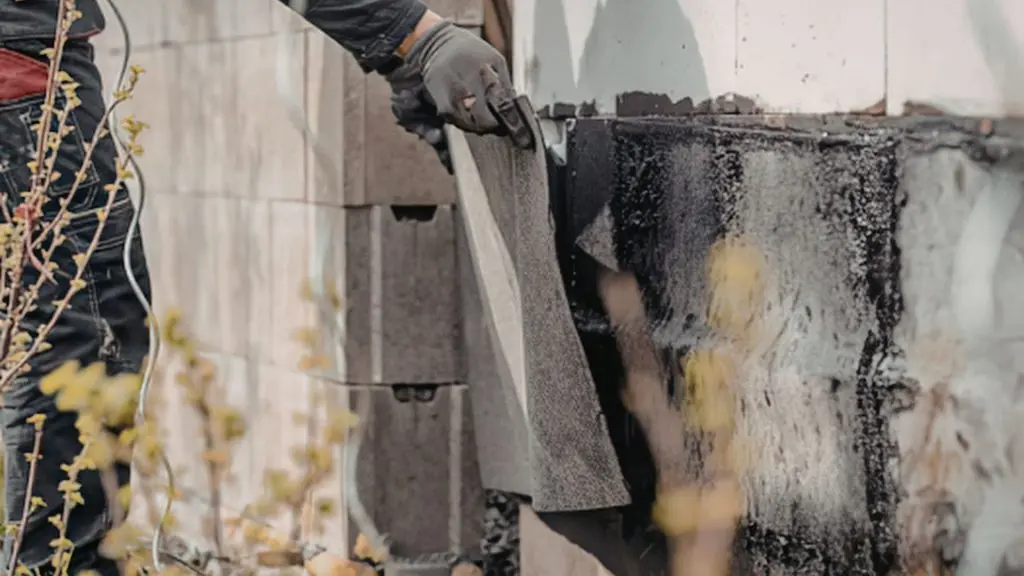
Technicians use HEPA vacuums, dry chemical sponges, and specialized cleaning agents to remove soot from walls, ceilings, and hard surfaces. Air scrubbers with HEPA filtration run throughout this stage to pull smoke particles out of the air rather than letting them resettle. Different surfaces and materials require different cleaning approaches, which is part of why this stage typically takes longer than people expect.
Structural Cleaning and Water Extraction
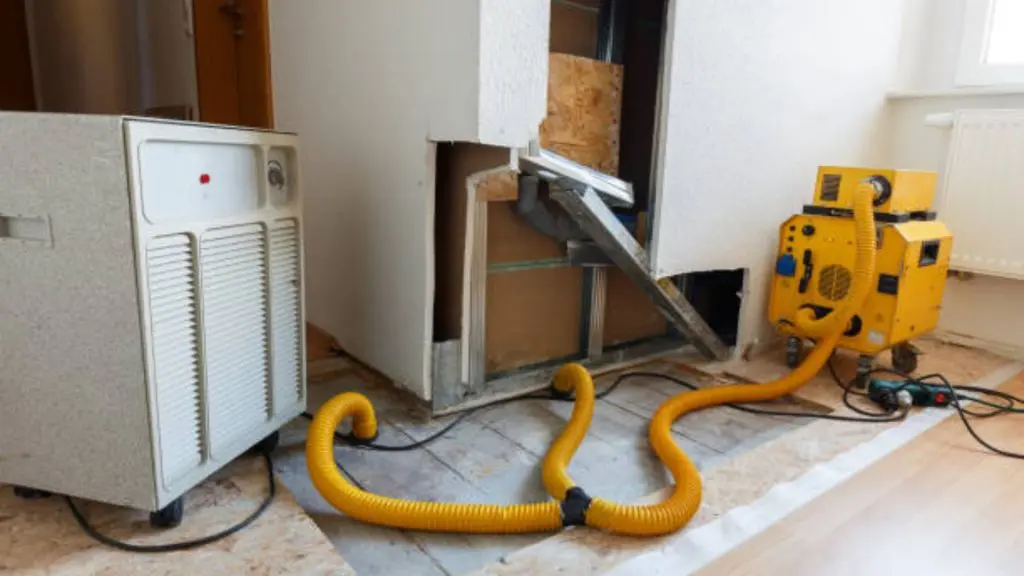
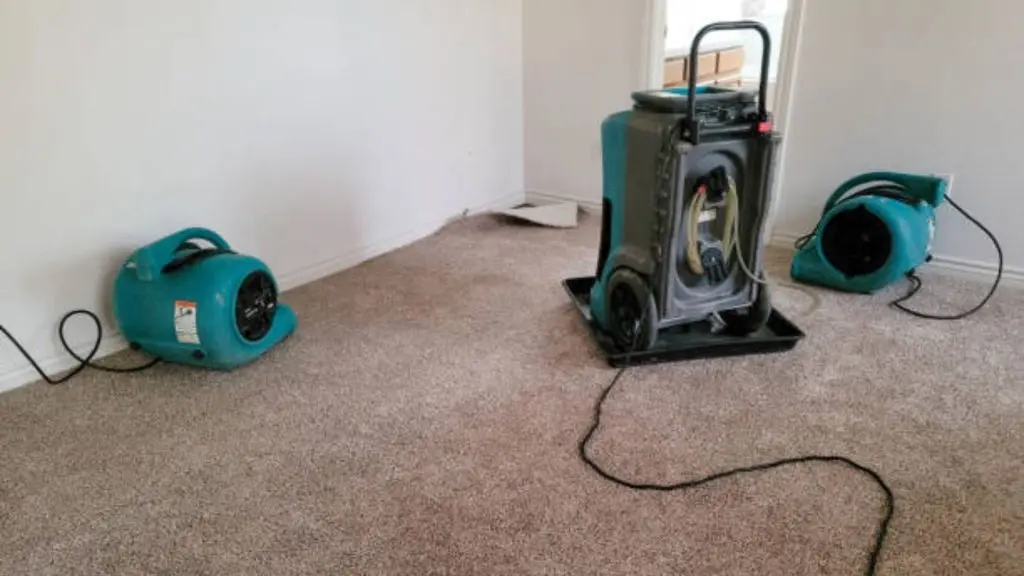
If firefighting efforts left standing water or saturated materials behind, extraction and drying begin right away to prevent mold. This often overlaps with the fire cleanup itself rather than happening as a separate, later step. Homeowners dealing with this combination can also review FreshCo’s water damage restoration and professional water extraction services, since fire and water damage frequently need to be addressed together on the same job.
Odor Treatment
Smoke odor sits deep in porous materials like drywall, insulation, and fabric, which is why surface cleaning alone rarely eliminates it completely. Thermal fogging, ozone treatment, or hydroxyl generators are used depending on the severity to neutralize odor at the source rather than mask it with air fresheners or scented sprays.
Final Walkthrough and Rebuild
Once cleaning and odor treatment are complete, the team documents remaining repairs, whether that’s drywall, flooring, paint, or larger structural rebuild work, and coordinates with you and your insurance adjuster to finish the job. A final walkthrough confirms the work meets both the restoration company’s standards and your expectations before the project is considered closed.
Local Considerations for Hutchinson and Central Kansas Homeowners
Reno County’s dry summers and gusty spring winds bring an elevated grass and wildfire risk to properties on the edge of town, while older homes throughout Hutchinson’s established neighborhoods often have wiring and heating systems that are more prone to electrical fires. Winter space heater use is another common cause of residential fires across central Kansas, particularly in homes without central heating in older additions or detached spaces.
Whatever caused the fire, response time matters just as much in Hutchinson as it does anywhere else, since soot damage and secondary water damage both worsen by the hour regardless of location. FreshCo Cleaning & Restoration is based locally and also serves homeowners throughout the broader central Kansas region, including Wichita and the surrounding communities listed on our service area page, which means a local team already familiar with the area can typically reach your property faster than a company dispatching from farther away.
When to Call FreshCo Cleaners
If your Hutchinson home has experienced a fire, the decisions you make in the first 24 hours affect how much can realistically be restored. FreshCo Cleaning & Restoration handles fire damage restoration from the initial board-up through soot removal, odor treatment, and any related water damage cleanup, working directly with your insurance company along the way. Reach out as soon as the fire department clears your property so our team can begin securing it and stopping further damage before it spreads. You can learn more about our approach on our fire damage cleanup page, or call us directly to get a crew started right away.
Frequently Asked Questions
How quickly should I call a restoration company after a fire?
Ideally within the first few hours after the fire department clears the property. Soot becomes more difficult to remove the longer it sits on surfaces, and any water from firefighting efforts can lead to mold growth within 24 to 48 hours, so a fast response limits how much damage spreads.
Will my homeowner’s insurance cover fire damage restoration?
Most homeowner’s insurance policies cover fire damage, including smoke and soot cleanup and water damage caused by firefighting efforts, but coverage details vary by policy. Contact your insurance provider as soon as possible after the fire to open a claim and confirm what’s included, such as loss of use coverage for temporary housing.
Can smoke odor really be removed completely, or will it come back?
Smoke odor can be fully removed when it’s treated at the source with professional equipment like thermal foggers, ozone treatment, or hydroxyl generators, rather than just masked with air fresheners. Surface cleaning alone often isn’t enough because odor particles settle deep into drywall, insulation, and fabric.
What should I do with smoke-damaged clothing and furniture?
Photograph these items for your insurance claim before moving them, then have them assessed by a restoration professional rather than a standard dry cleaner. Fabrics and upholstery affected by smoke often need specialized cleaning to fully remove odor and soot residue without causing further damage.
Is there a difference between fire damage and smoke damage restoration?
Fire damage restoration is the broader process that includes structural repairs, board-up, and debris removal, while smoke and soot damage cleanup specifically targets the residue and odor left behind on surfaces and in the air. Most fires involve both, so the two are typically addressed together as part of the same restoration project.
Do I need to worry about water damage after a fire?
Yes, if firefighting crews used water or fire suppression systems activated in your home, that moisture needs to be extracted and the area dried quickly to prevent mold growth. This is often handled alongside fire cleanup rather than as a separate, later step.