







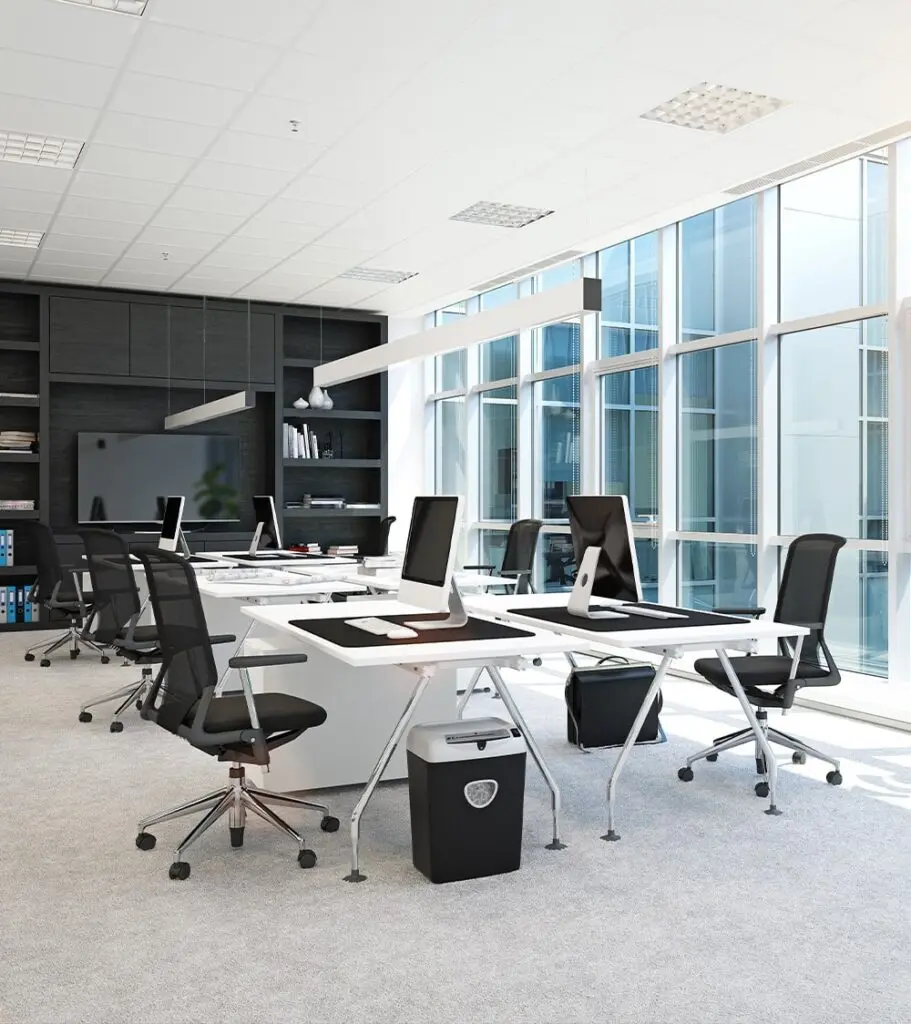






Mold in a commercial building rarely stays contained to one office or storage room. Shared HVAC systems, open floor plans, and connected wall cavities give it more room to spread than it typically has in a single-family home.
For a business owner or property manager, mold also carries a different kind of concern. Employees and customers occupy the space daily, and a visible mold problem, or even just a persistent musty smell, can affect how people feel about being in the building.
This article covers what causes mold in commercial buildings, signs it may be present, why it requires a different approach than a residential job, and what our remediation process looks like for a Hutchinson office or commercial property.
Why Mold Shows Up in Commercial Buildings
Commercial buildings often have conditions that make mold more likely to take hold, especially in older structures or spaces with heavy foot traffic.
- HVAC systems that serve multiple zones can distribute moisture or spores throughout a building if a coil or drain line has a problem, affecting areas far from the original source.
- Break rooms, restrooms, and kitchens generate more humidity than a typical office space, and if ventilation in those areas is inadequate, condensation can build up on walls and ceilings over time.
- Roof leaks on flat commercial roofs are a common source of hidden moisture, since water can travel along roof decking or insulation before showing up as a stain on a ceiling tile far from the actual leak.
- Unused or infrequently checked spaces, such as storage rooms, mechanical rooms, or vacant suites in a multi-tenant building, can develop mold without anyone noticing for an extended period.
Signs of Mold in a Commercial Building
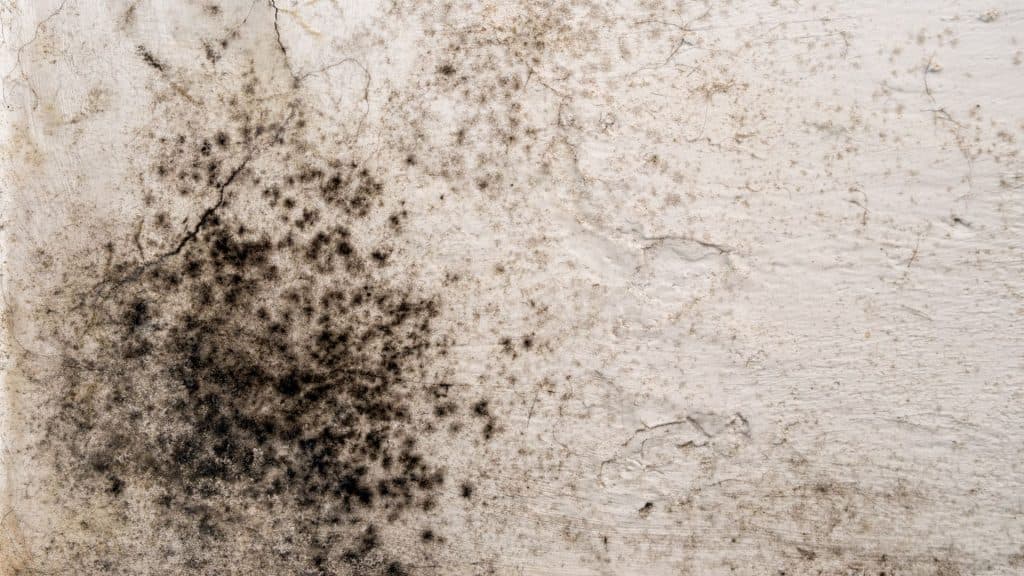
Mold in a commercial space does not always show up as an obvious patch on a wall. A few signs are worth paying attention to during routine building checks.
- A persistent musty odor in a specific area, even when no visible mold is present, often points to growth somewhere behind a wall or above a ceiling tile.
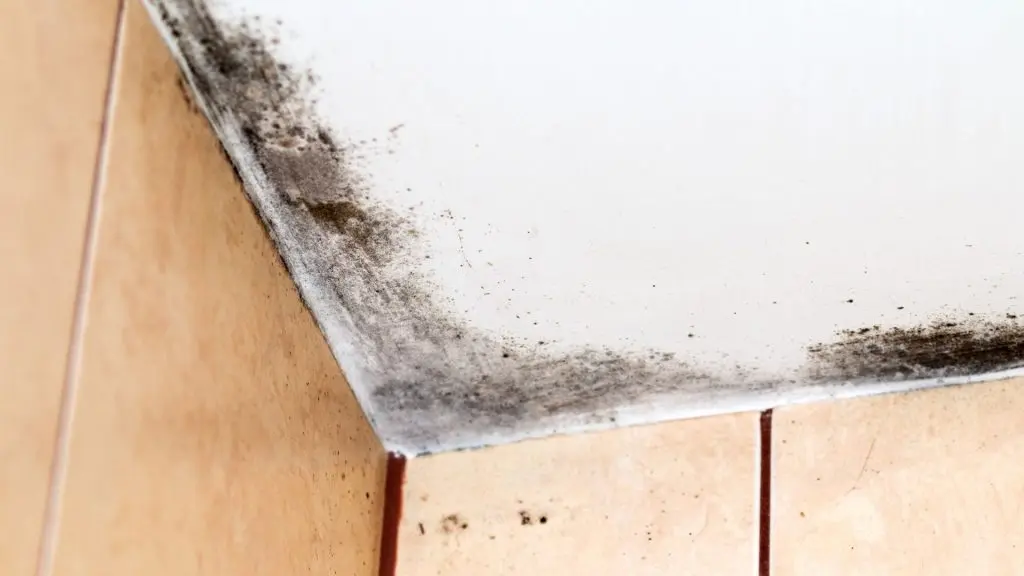
- Discolored or stained ceiling tiles, particularly near HVAC vents or under areas where the roof above may have had past leaks.
- Employees or customers reporting allergy-like symptoms, headaches, or respiratory irritation that seem tied to a specific part of the building.
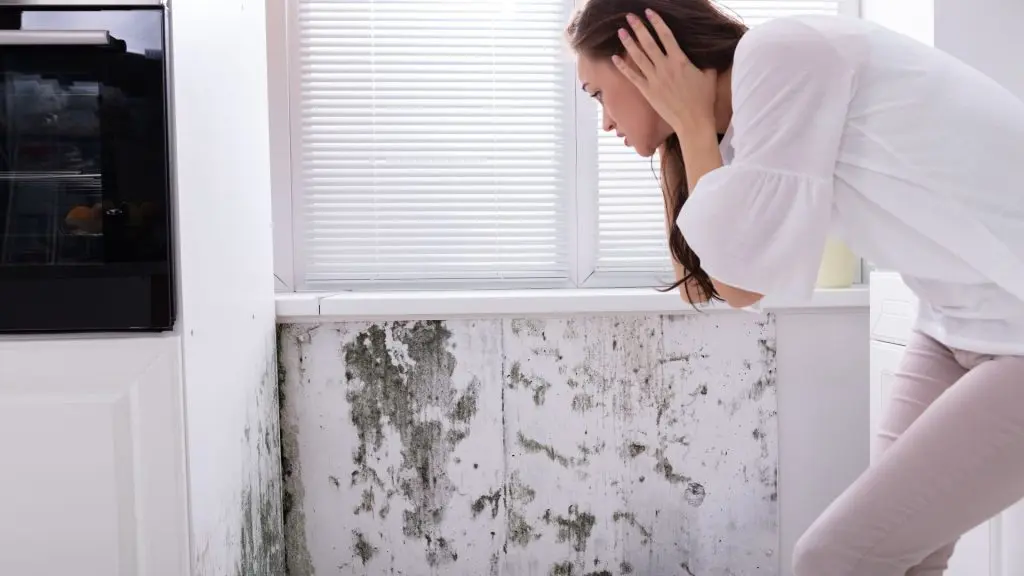
- Visible discoloration on walls near restrooms, break rooms, or other high-humidity areas.
- Peeling paint or bubbling wallpaper in areas with limited ventilation.
Why Commercial Mold Remediation Requires a Different Approach
A commercial mold remediation job usually involves a larger footprint than a residential one, and containment becomes more complicated when a building has shared HVAC, open ceilings, or connected tenant spaces.
Business operations add another layer of complexity. Remediation work often needs to be scheduled around business hours, tenant access, or customer traffic, rather than simply closing the entire property while the work is completed.
Multi-tenant buildings also raise the question of who else in the building might be affected, since airborne mold spores are not confined by a single suite’s walls the way visible water damage often is. A remediation plan for one tenant space may need to account for shared ductwork or a common wall connecting to a neighboring business.
What Our Commercial Mold Remediation Process Covers
When we respond to a mold concern in a commercial building, our process starts with identifying the moisture source, since mold remediation without addressing the underlying moisture problem tends to result in the mold returning.
1. Assessment and Containment
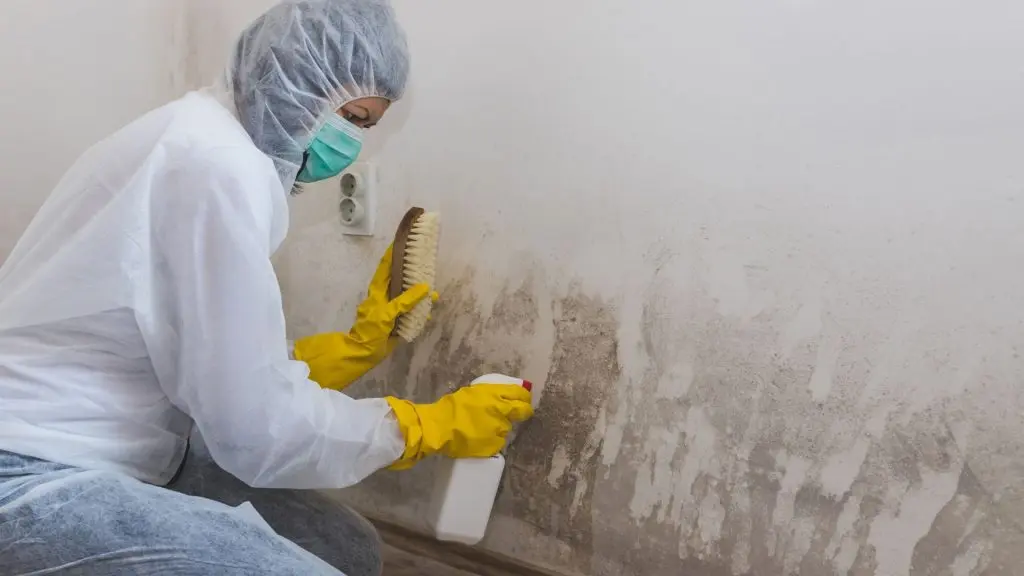
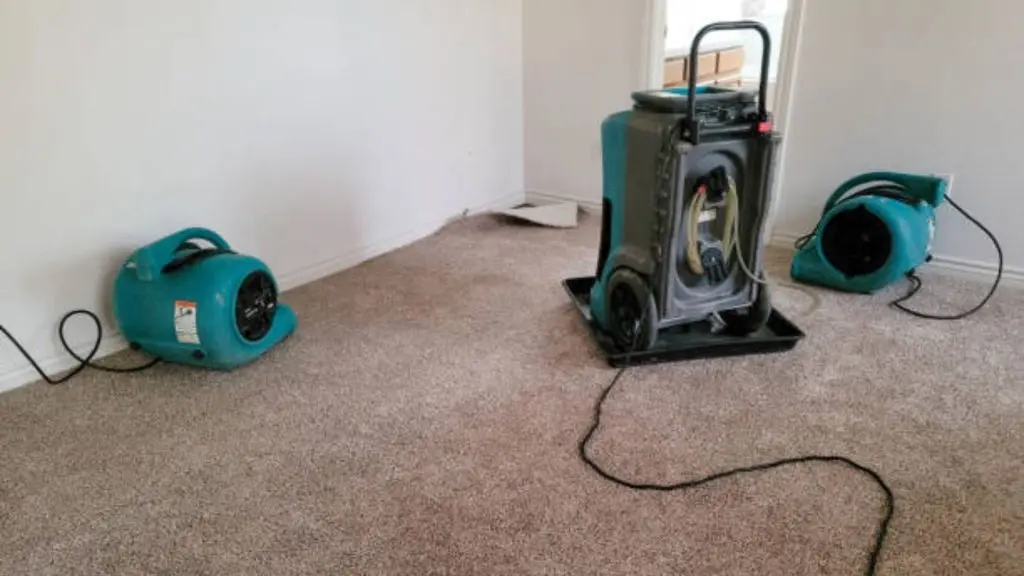
We assess the extent of the mold growth and set up containment to prevent spores from spreading to unaffected areas of the building during the remediation work, particularly important in spaces with shared HVAC or open ceilings.
2. Removal of Affected Materials
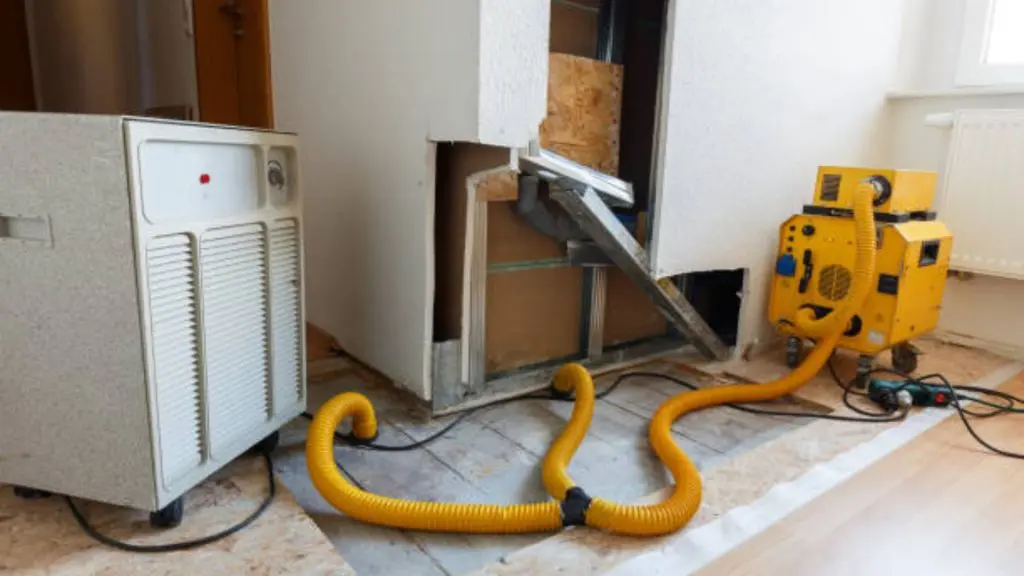
Materials that cannot be cleaned, such as heavily colonized drywall, ceiling tiles, or insulation, are removed and properly disposed of rather than treated in place.
3. Cleaning and Treatment
Remaining surfaces are cleaned and treated to address mold growth on materials that can be salvaged, targeting both visible growth and the conditions that allowed it to develop.
4. Addressing the Moisture Source
Remediation is only part of the solution. We identify what allowed moisture to accumulate in the first place, whether that is an HVAC issue, a roof leak, or inadequate ventilation, since resolving that is what keeps the mold from returning.
Minimizing Disruption During Commercial Mold Remediation
For a business owner or property manager, keeping operations running during remediation is often the top priority alongside resolving the mold itself.
- Where possible, work is sequenced to address the affected area while unaffected sections of the building continue operating normally.
- Containment barriers help limit the work area to the affected space, which can reduce how much of a building needs to be closed off during the project.
- Clear timelines and communication about which areas are affected help property managers plan around the work rather than being surprised by extended closures.
Health and Compliance Considerations for Commercial Properties
Mold exposure can cause respiratory irritation, allergic reactions, and other health effects in sensitive individuals, which is a real concern in a space occupied by employees and customers throughout the day.
Depending on the type of business and local requirements, a commercial property may also need to document remediation work for compliance or liability purposes, particularly in buildings serving the public or housing sensitive operations like healthcare or food service. Keeping a record of when the issue was identified and how it was addressed can also support insurance or lease discussions if questions come up later.
Frequently Asked Questions
Can a Business Stay Open During Mold Remediation?
Often, yes, depending on where the mold is located. Work can frequently be sequenced to address the affected area while the rest of the property continues operating.
How Long Does Commercial Mold Remediation Take?
It depends on the extent of the mold growth and how far it has spread, particularly through shared HVAC systems or wall cavities. A contained area takes less time than mold that has spread across multiple rooms.
Will Mold Come Back After Remediation?
It can, if the underlying moisture source is not resolved. Addressing what allowed moisture to build up in the first place is as important as removing the visible mold itself.
Does Commercial Mold Remediation Require Air Quality Testing?
Testing is sometimes part of a commercial project, particularly for larger buildings or public-facing spaces, though it depends on the scope of the specific job.
What Should Employees Do if They Notice a Musty Smell?
Report it to building management or ownership right away rather than waiting to see if it clears on its own, since early reporting can limit how far moisture and mold spread before remediation begins.
Does FreshCo Work With Multi-Tenant and Office Buildings?
Our commercial mold remediation process is scaled to the property, whether that is a single office suite or a larger multi-tenant building.
Key Takeaways on Commercial Mold Remediation
Mold in a commercial building is a moisture problem and an operations problem at the same time, since it affects both the structure and the people using the space every day. Identifying the moisture source, containing the affected area, and sequencing the work around business operations are what keep a remediation project from becoming a longer disruption than it needs to be.
If your Hutchinson office or commercial property has a mold concern, reach out to FreshCo Cleaners. We can assess the affected space and put together a remediation plan that addresses both the mold and what caused it.