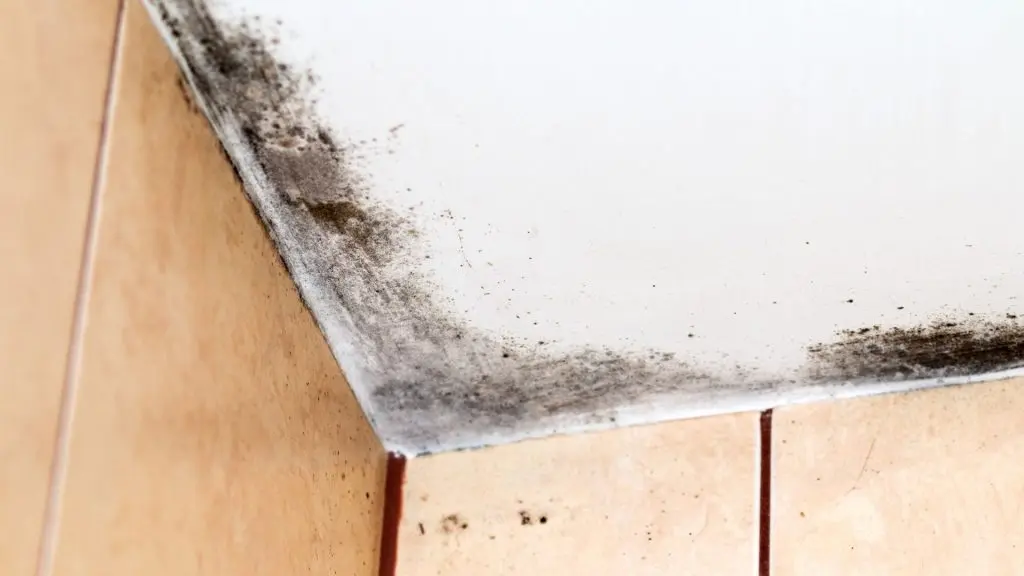















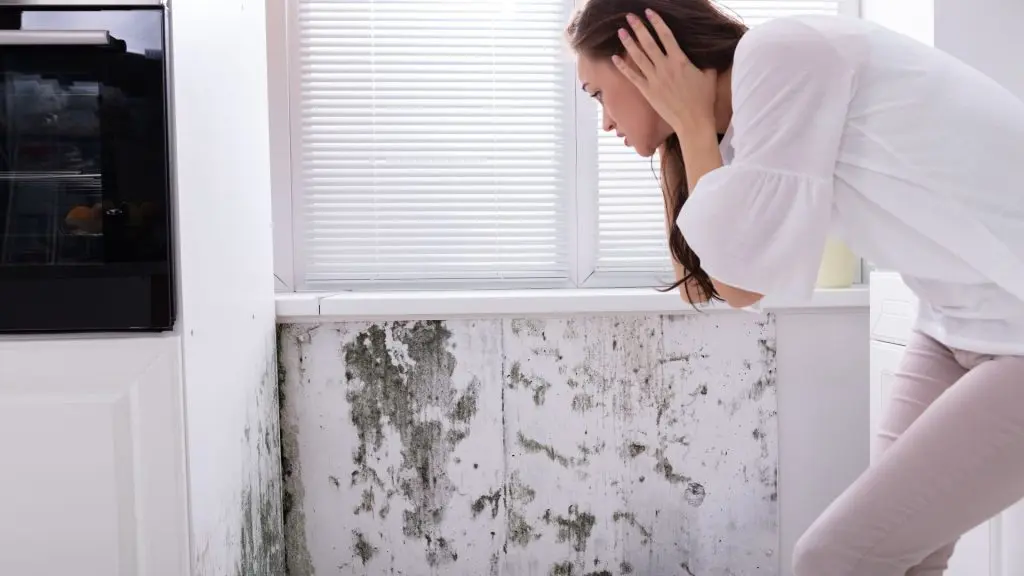
A small dark spot in the corner of a bathroom ceiling or a musty smell in a closet is often the first sign that mold has found a way into a home. By the time it is visible, it has usually had time and moisture to establish itself somewhere out of sight.
Mold remediation is the process of removing that growth and, just as importantly, addressing the moisture that allowed it to develop in the first place. Skipping either half of that equation tends to bring the mold back.
This guide covers why mold develops in Wichita homes, the health concerns involved, signs to watch for, what the remediation process typically includes, and how to reduce the chances of it returning.
Why Mold Develops in Wichita Homes
Mold needs moisture and an organic material to grow on, and Wichita homes provide both in a few recurring ways, particularly as humidity shifts with the region’s seasonal weather changes.
- Humidity buildup in bathrooms and kitchens without adequate ventilation creates the damp conditions mold favors, especially in homes without exhaust fans vented to the outside.
- Basement and crawl space moisture, particularly during periods of heavy regional rainfall, can create persistent dampness in areas that are not checked regularly.
- HVAC condensation, especially around ductwork or units that are not properly insulated, can introduce moisture into wall cavities or ceilings without any obvious water event.
- Roof and plumbing leaks that go unnoticed for an extended period give mold time to establish itself before anyone notices a stain or smell.
Health Concerns Associated With Mold Exposure
Mold exposure can cause allergic reactions, respiratory irritation, and other symptoms in sensitive individuals, including sneezing, coughing, and eye or skin irritation. People with asthma or existing respiratory conditions are often more affected by mold exposure than others in the same household.
The health impact of mold varies by person and by the type and extent of the growth, which is one reason addressing it promptly matters even when symptoms seem mild at first. Children and older adults in a household can also be more sensitive to mold exposure than other family members, which is worth keeping in mind when deciding how quickly to act.
Signs You May Have a Mold Problem
Mold does not always show up as an obvious colored patch on a wall. A few signs are worth checking for around the home, especially in rooms that run more humid than the rest of the house.
- A persistent musty odor in a specific room or closet, even without visible growth.
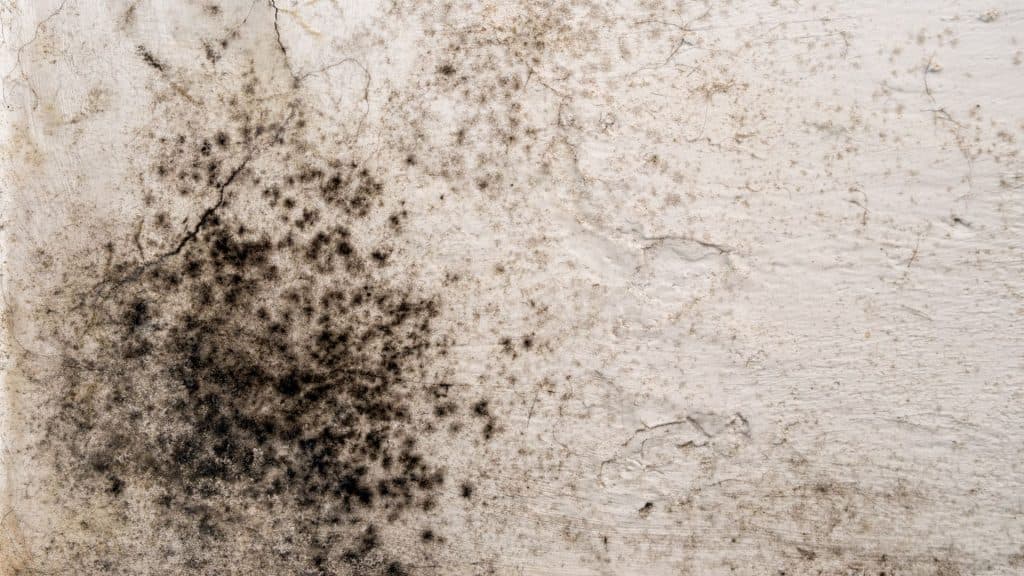
- Discoloration or dark spotting on walls, ceilings, or grout lines, particularly in bathrooms or around windows.
- Peeling paint or bubbling wallpaper, which can indicate moisture trapped behind the surface.
- Increased allergy symptoms or respiratory irritation that seem to improve when away from the home.
- A history of past water damage or leaks in the area, even if it appeared to dry out at the time.
What the Mold Remediation Process Typically Involves
While every job varies based on the extent of the growth, most residential remediation jobs follow a similar sequence.
1. Assessment and Moisture Source Identification
Before remediation begins, the moisture source needs to be identified, since removing mold without addressing what allowed it to grow tends to result in it returning.
2. Containment
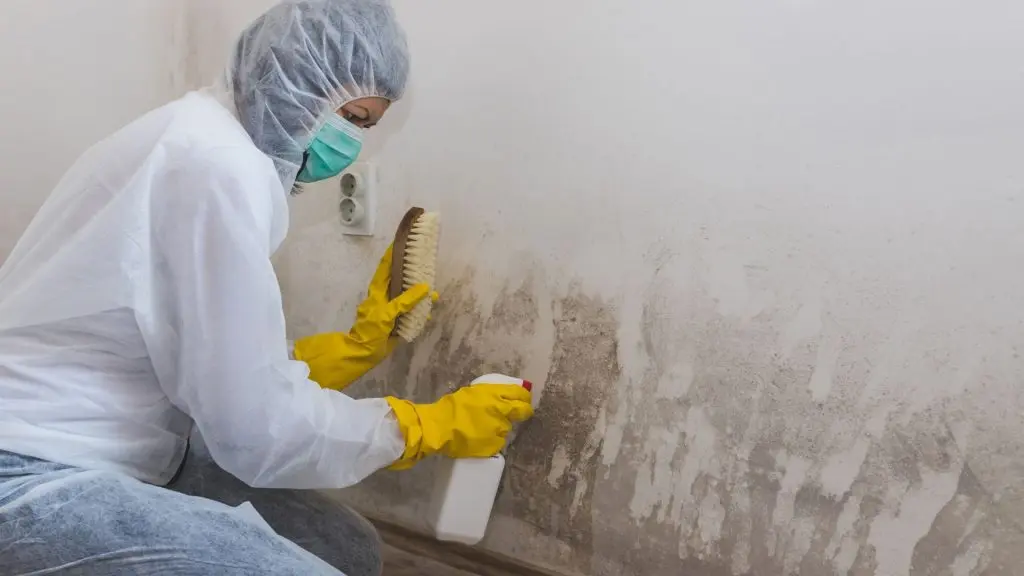
Containment barriers help prevent mold spores from spreading to unaffected areas of the home during the remediation work, particularly important when working in occupied living spaces.
3. Removal and Cleaning
Materials that cannot be cleaned, such as heavily affected drywall or insulation, are removed, while surfaces that can be salvaged are cleaned and treated.
4. Drying and Prevention
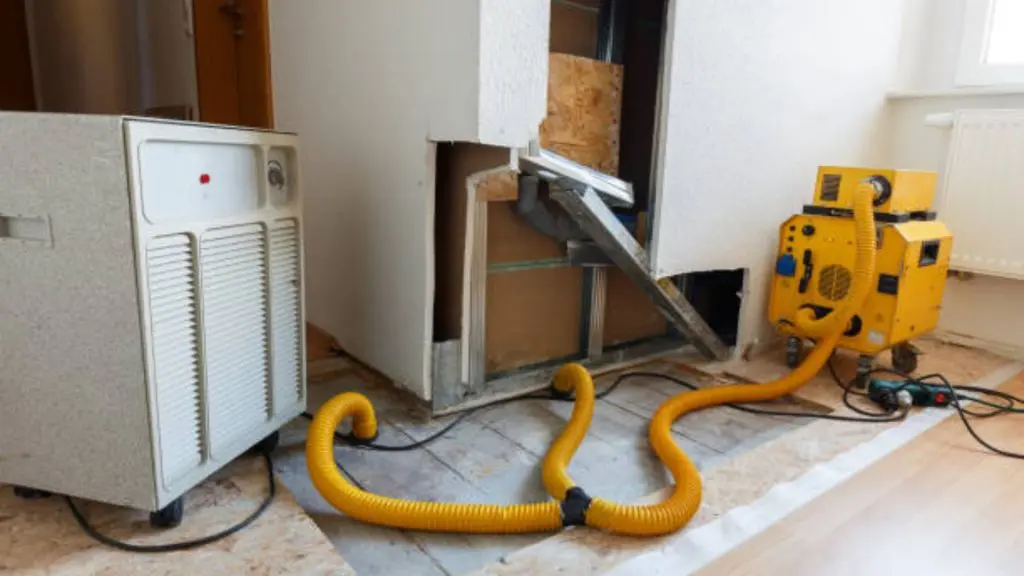
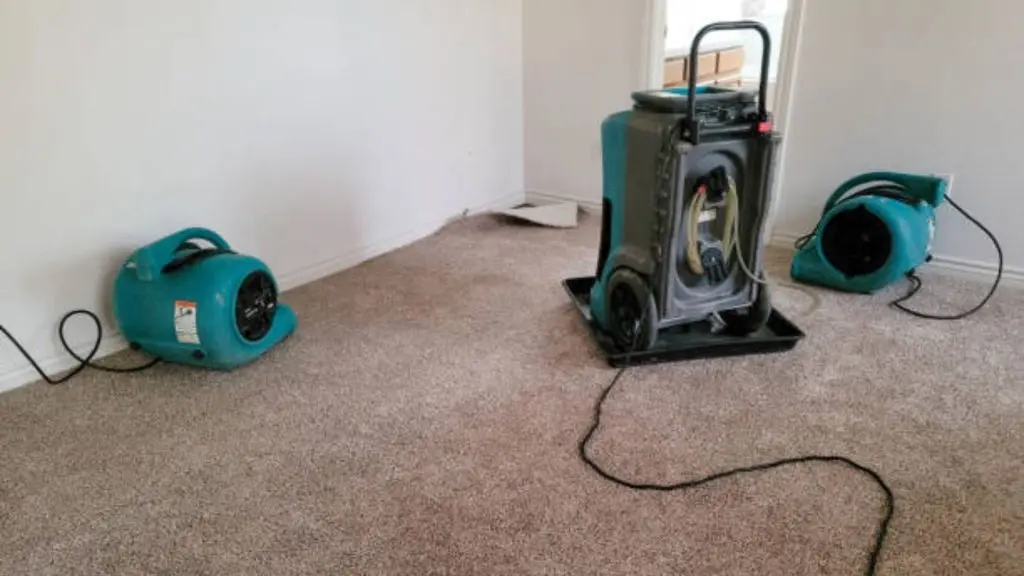
Once the area is treated, drying equipment addresses any remaining moisture, and steps are taken to reduce the chance of the same conditions recurring, such as improving ventilation in the affected area.
When to Call a Professional Versus Handling It Yourself
Small areas of surface mold, generally less than a few square feet on a non-porous surface, may be manageable to clean without professional help. Larger areas, mold behind walls or under flooring, or mold following a water damage event typically call for professional mold remediation in Wichita.
Mold that keeps returning after cleaning, even in a small area, often points to a moisture source that has not been fully addressed, which is worth having assessed rather than continuing to clean the same spot repeatedly.
Insurance Considerations for Mold Remediation
Homeowners insurance coverage for mold varies by policy and often depends on what caused the moisture in the first place. Mold resulting from a sudden, covered event, such as a burst pipe, is more likely to be covered than mold resulting from long-term humidity or a maintenance issue that went unaddressed.
Documenting when the mold was discovered, along with photos of the affected area and any related water damage, supports a claim regardless of the outcome. It is worth reviewing a policy or speaking with an insurance agent before assuming coverage does or does not apply.
Preventing Mold From Returning
A few habits reduce the risk of mold recurring after remediation.
- Run bathroom and kitchen exhaust fans during and after showers or cooking to reduce trapped humidity.
- Address leaks and water damage quickly, since mold can begin developing within a day or two of sustained moisture exposure.
- Check basements, crawl spaces, and attics periodically for signs of moisture, even without an obvious leak.
- Maintain consistent indoor humidity levels, since persistently damp air throughout a home creates favorable conditions for mold in multiple areas at once.
Frequently Asked Questions
How Long Does Mold Remediation Take?
It depends on the extent of the growth and how far it has spread. A small, contained area may be addressed within a day or two, while larger jobs involving material removal can take longer.
Can Mold Come Back After Remediation?
It can, if the underlying moisture source is not resolved. Addressing what allowed the mold to grow is as important as removing the visible growth itself.
Is All Mold Dangerous?
Mold exposure affects people differently, and some types are more commonly associated with health symptoms than others. Regardless of type, mold growth generally should not be left untreated in an occupied home.
Do I Need to Leave My Home During Mold Remediation?
It depends on the extent of the work and the area affected. Smaller, contained jobs often do not require residents to leave, while larger projects may require limiting access to specific rooms.
Does FreshCo Test for Mold Before Remediation?
Our process starts with an assessment of the visible growth and the moisture source behind it, with the scope of work determined by what that assessment finds.
What Should I Do if I Find Mold While Cleaning?
Avoid disturbing the area more than necessary, since scrubbing dry mold can release spores into the air. Ventilate the space if possible and have it assessed if the affected area is larger than a small, contained spot.
Key Takeaways on Mold Remediation in Wichita
Mold remediation works best when it addresses both the visible growth and the moisture source behind it, since treating one without the other tends to bring the problem back. Catching the signs early, whether that is a musty smell or a small discolored patch, keeps the job smaller than waiting until it spreads.
If your Wichita home has a mold concern, reach out to FreshCo Cleaners. We can assess the affected area and the moisture source behind it, then walk you through what remediation would involve for your home.