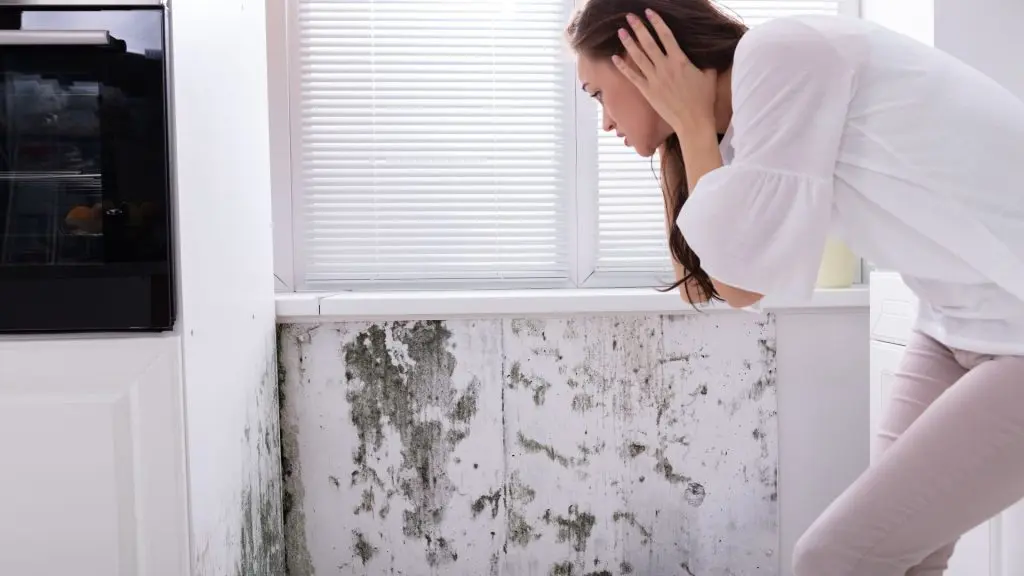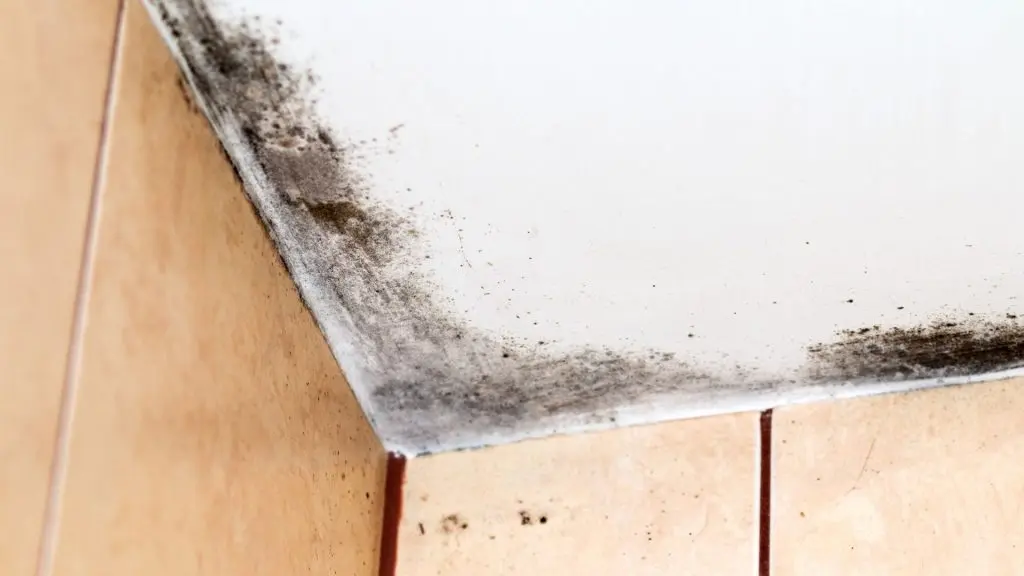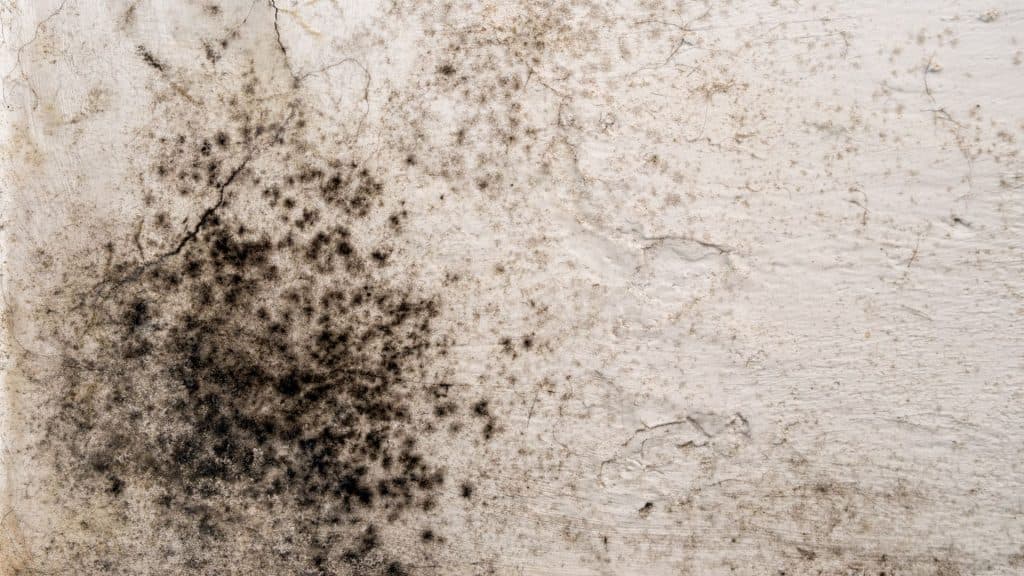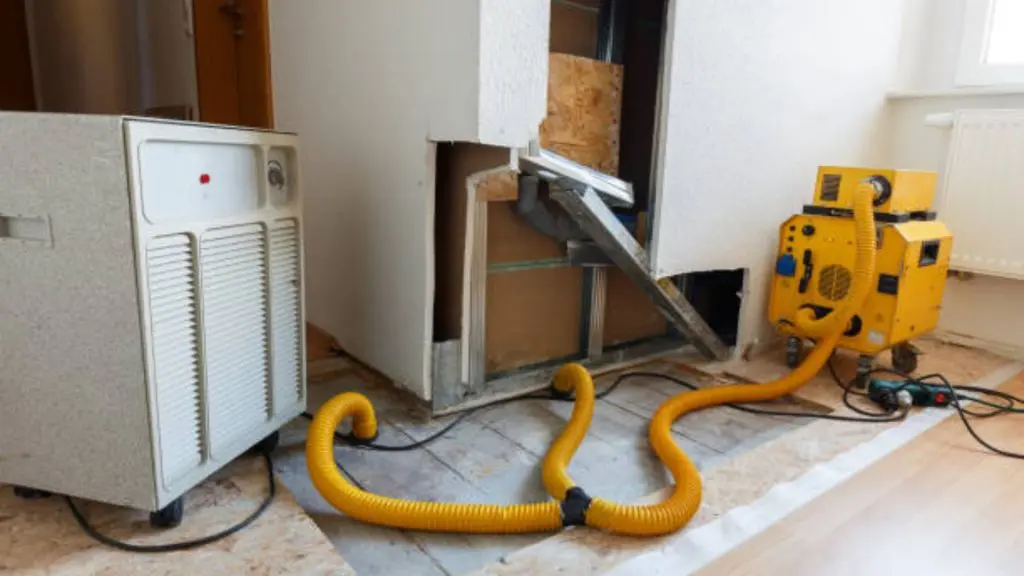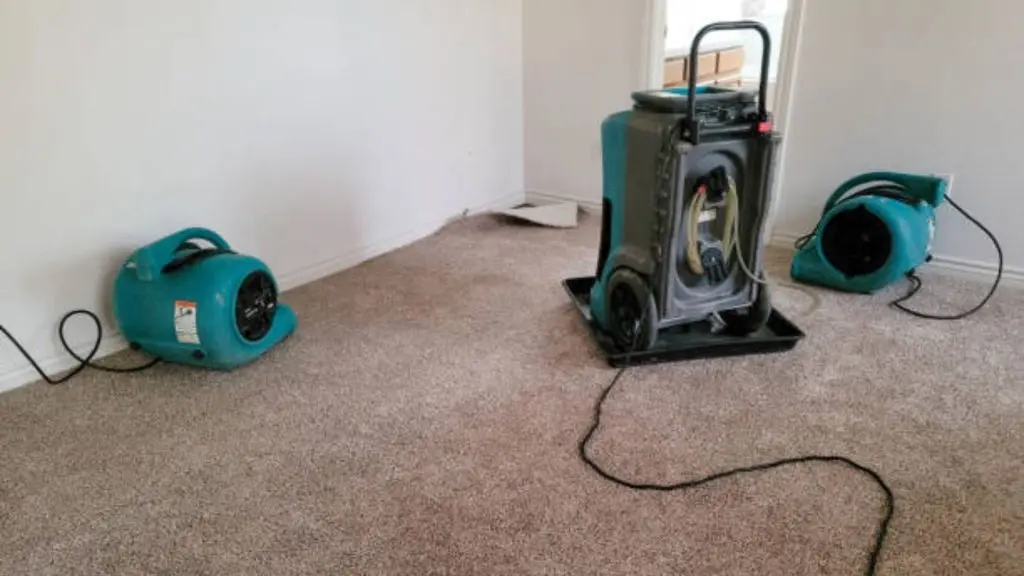















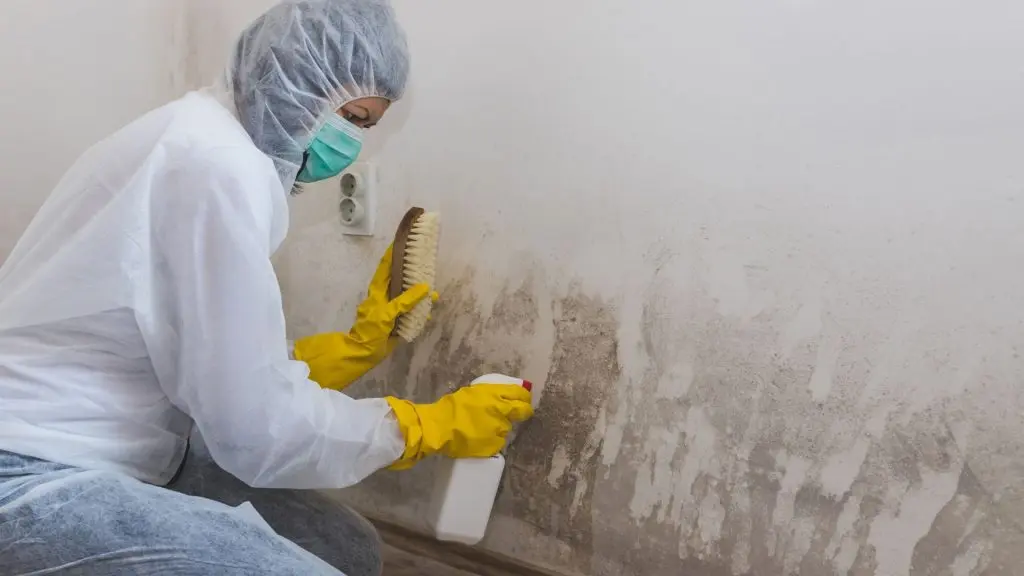
A mold crew packs up, the visible growth is gone, and the room smells clean again. That doesn’t automatically mean the air inside is safe to breathe. Mold spores are microscopic, and a surface can look spotless while spore counts in the air remain elevated. This is why post-remediation testing exists as a separate step from the cleanup itself. This article covers what post-remediation mold testing actually checks, what the results mean, and what happens when a Hutchinson, KS home doesn’t pass on the first try.
What Is Post-Remediation Mold Testing?
Post- mold remediation testing is an independent check performed after mold removal work is finished, confirming whether the affected area now falls within a normal, healthy range for mold spores. It typically involves a visual inspection, moisture readings, and air or surface samples that are compared against a baseline, such as outdoor air or an unaffected room in the same building. The goal is a clear pass or fail, not a subjective opinion about whether the space “looks fine.”
Why Testing Matters After Mold Removal in Hutchinson Homes
Kansas summers bring long stretches of high humidity, and Hutchinson homes with basements, crawlspaces, or older HVAC systems can hold onto moisture longer than newer construction. If any dampness remains behind drywall or under flooring after remediation, mold can begin regrowing within days.
Testing catches that risk before it turns into a second, more expensive round of removal. It also gives homeowners a documented result to share with an insurance adjuster, a buyer during a real estate transaction, or a property manager who needs proof the issue is resolved.
What Happens During a Post-Remediation Verification
A verification visit generally moves through three stages, each building on the last to rule out both visible and hidden problems.
1. Visual and Moisture Inspection
The technician walks the treated area looking for any leftover staining, residue, or signs that cleanup was incomplete, then checks moisture content in wood, drywall, and subflooring with a moisture meter. Materials that still read wet are a red flag, since trapped moisture is the most common reason mold returns after remediation.
2. Air Sampling and Surface Testing
Air samples are collected inside the treated space and compared to a sample from outdoor air or an unaffected interior room. Surface swabs may also be taken from areas that were heavily affected or hard to access during cleanup, such as wall cavities or duct interiors.
3. Comparing Results to a Clearance Standard
Once samples are analyzed, spore counts and species inside the home are compared to the reference sample. A passing result generally shows spore levels similar to or lower than the comparison area, with no unusual concentration of the same mold species that was originally remediated.
What Does “Clear” Actually Mean?
A “clear” result means indoor spore counts and mold types are consistent with normal outdoor or reference-area levels, not that the air contains zero mold spores. Mold spores exist everywhere in outdoor air, so the standard isn’t total absence, it’s a return to a normal baseline with no lingering concentration of the specific mold that caused the original problem.
Signs Mold May Still Be Present After Remediation
Even after cleanup, a few warning signs suggest the area should be re-tested before anyone treats the job as finished:
- A musty or earthy smell that returns within a few weeks of the work being completed
- New or recurring discoloration on drywall, baseboards, or ceiling tiles
- Condensation or dampness on windows, pipes, or walls in the treated room
- Ongoing allergy-type symptoms such as coughing or sinus irritation when spending time in that part of the home
- A humidity reading in the room that stays consistently above normal indoor levels
What Happens If Testing Finds a Problem
When a post-mold remediation test in Hutchinson doesn’t pass, the next step is identifying why, usually a moisture source that was missed, an area that wasn’t fully treated, or a hidden cavity that wasn’t part of the original scope. We go back to the source, address the moisture problem directly, and re-treat the affected material before scheduling another round of testing. Retesting continues until the space reaches a clear result, since skipping that step just delays the same problem.
How Hutchinson’s Climate Affects Mold Return
Hutchinson sits in a region with hot, humid summers and cold winters that can create condensation inside poorly ventilated spaces. Homes with older insulation, single-pane windows, or crawlspaces without a vapor barrier are more prone to the kind of trapped moisture that lets mold return after remediation. Keeping indoor humidity below roughly 50 percent and making sure bathroom and kitchen exhaust fans vent outside, not into an attic, goes a long way toward keeping a cleared area clear.
Basements are worth extra attention in this climate. A Hutchinson basement that stays cool while the surface air is warm and humid creates the exact conditions that produce condensation on walls, pipes, and stored belongings. Running a dehumidifier through the summer months and keeping stored items off the floor on shelving reduces the chances of a repeat problem in a space that was recently remediated.
What Homeowners Can Do Between Remediation and Testing
The period between finishing remediation work and scheduling a test isn’t just a waiting game. Keeping the treated area sealed off from the rest of the home, running any recommended drying equipment for its full cycle, and avoiding activities that stir up dust or introduce new moisture, like mopping or running a humidifier nearby, all help the test reflect an accurate picture of the completed work.
Opening windows or running fans through the space right before testing can also dilute or skew air samples, so it’s worth asking what conditions the technician needs in place before their visit.
Frequently Asked Questions
How Long After Mold Remediation Should Testing Happen?
Testing is typically scheduled once the treated materials have fully dried and any containment has been removed, allowing the space to return to normal air circulation before samples are taken. Testing too soon, while equipment is still running, can skew the results.
Can I Test for Mold Myself With a Store-Bought Kit?
Store-bought kits can detect the presence of mold spores, but they don’t compare results to a proper baseline or identify whether a specific area meets a clearance standard. A professional assessment gives a more reliable answer, especially after remediation work.
Does a Passing Test Mean My Home Is 100 Percent Mold-Free?
No, and no home is completely free of mold spores since they exist in outdoor air everywhere. A passing result means the treated area is back to a normal, healthy range rather than showing an elevated concentration tied to the original problem.
Will My Insurance Company Accept These Test Results?
Insurance requirements vary by policy and by the reason for the claim, so it’s worth asking your adjuster what documentation they require before scheduling testing. Many insurers do accept a documented clearance test as proof that remediation was completed.
What if the Retest Still Shows a Problem?
That usually points to a moisture source that hasn’t been fully resolved, such as a slow leak or poor ventilation. We track down the remaining source, correct it, and treat the area again before requesting another test.
Final Thoughts on Post-Remediation Mold Testing
A finished-looking mold job and a truly clear home aren’t always the same thing, and testing is the step that tells the difference. For Hutchinson homeowners dealing with humidity, older construction, or a recent mold problem, that verification step protects against paying for remediation twice. If you’ve had mold removed recently and want to confirm the air in your home is actually clear, reach out to FreshCo Cleaners to talk through testing options for your property.