














Mold rarely announces itself. It grows quietly inside walls, beneath floors, and around plumbing long before anyone notices a problem. By the time a homeowner spots a fuzzy patch or catches a strange smell, a colony has often been thriving out of sight for weeks. That is what makes hidden mold so frustrating and so common.
In Wichita, the conditions for hidden mold are easy to come by. Humid summers, sudden thunderstorms, plumbing leaks, and Kansas temperature swings all create pockets of moisture inside a home. Mold needs very little to take hold, since a small amount of trapped dampness combined with an organic surface like drywall or wood is enough to start a colony.
The good news is that mold problems are far easier to manage when caught early. The sooner growth is identified and treated, the less damage it causes and the lower your remediation costs. This guide walks through why hidden mold matters, the warning signs to watch for, the places mold loves to hide, and how professional mold remediation in Wichita restores a clean and healthy home.
Why Hidden Mold Is a Serious Problem
Many people think of mold as a cosmetic issue, something unsightly to scrub away. In reality, hidden mold affects both the people living in a home and the structure that protects them. Understanding the stakes helps explain why prompt remediation is so important.
Health Risks Associated with Mold Exposure
Mold releases tiny spores into the air that you breathe every day. For many people, ongoing exposure can trigger allergy symptoms such as congestion, sneezing, coughing, and watery eyes. Those with asthma or weakened immune systems often feel the effects more strongly, with more frequent flare ups and respiratory discomfort.
Because the source is hidden, families often treat the symptoms without realizing the cause is inside their home, assuming seasonal allergies are to blame. When symptoms ease as soon as someone leaves the house and return when they come back, hidden mold is a likely culprit.
Structural Damage Mold Can Cause
Mold feeds on the organic materials that make up much of your home, including drywall, wood framing, ceiling tiles, carpet, and insulation. As it consumes these materials, it gradually breaks them down, leading to crumbling drywall, warped or rotting wood, stained ceilings, and a general weakening of the surfaces that hold a structure together.
What begins as a small, hidden patch can spread across large sections of a wall, floor, or attic if left unchecked, turning an affordable fix into a major repair. Treating mold early protects both your health and the long term value of your property.
Common Signs of Hidden Mold
Hidden mold is invisible by definition, but it almost always leaves clues. Learning to recognize these signals helps you catch a problem before it spreads.
1. Persistent Musty Odors
A stale, earthy, musty smell that lingers even after thorough cleaning is one of the most reliable indicators of hidden mold. The odor comes from compounds mold releases as it grows. If a particular room, closet, or basement consistently smells musty no matter how often you clean, mold is likely growing somewhere out of sight.
2. Discoloration on Walls and Ceilings
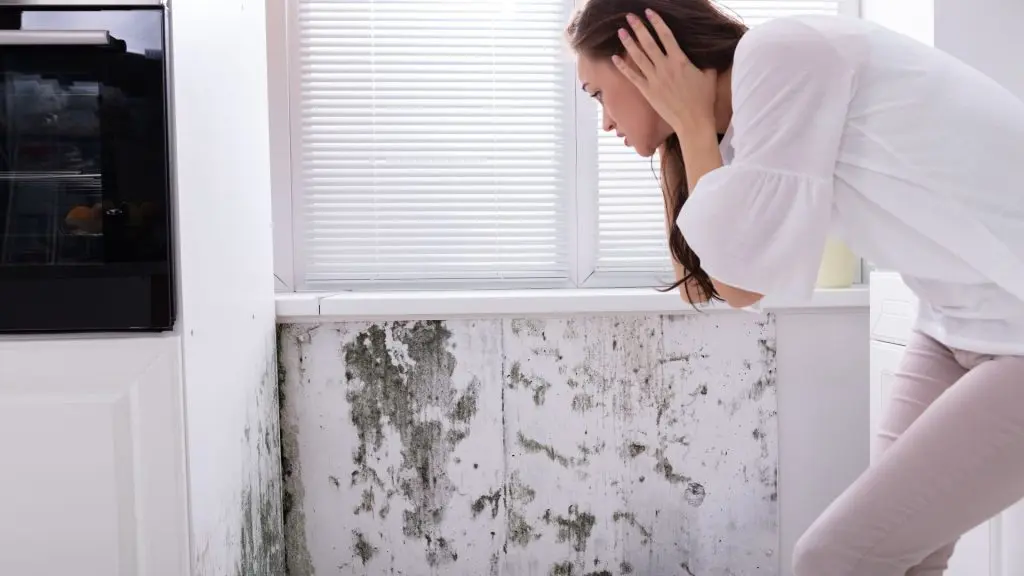
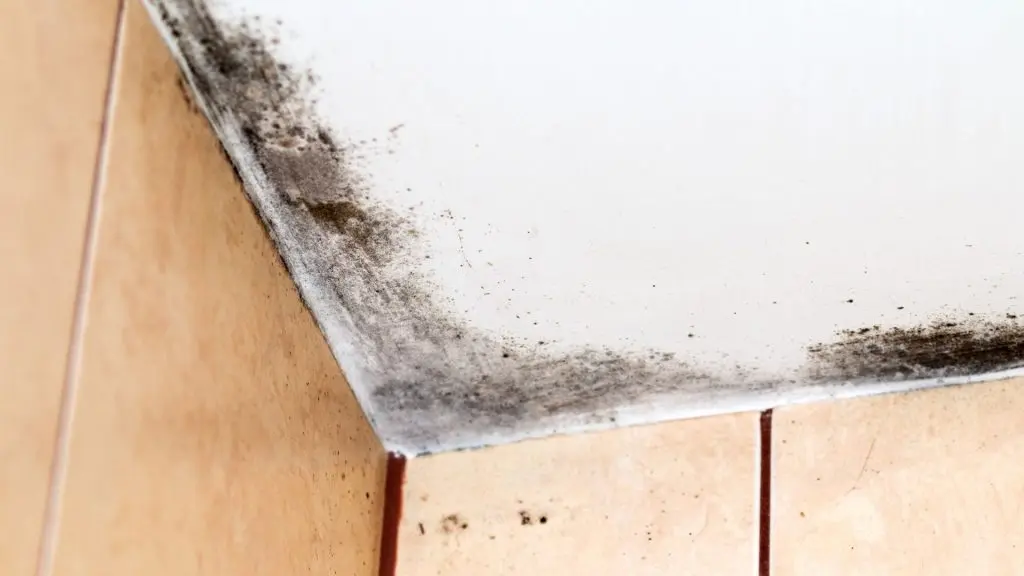
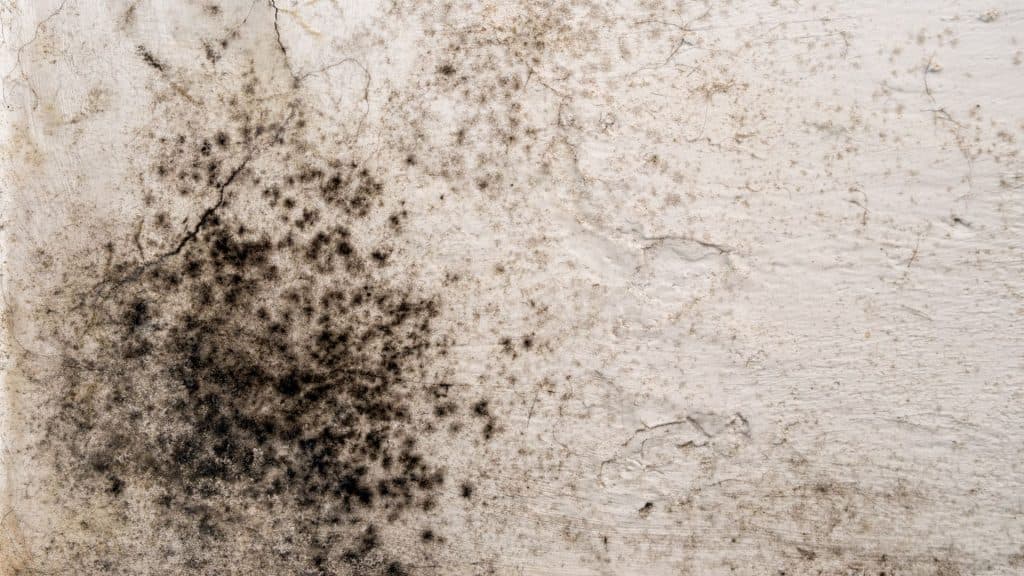
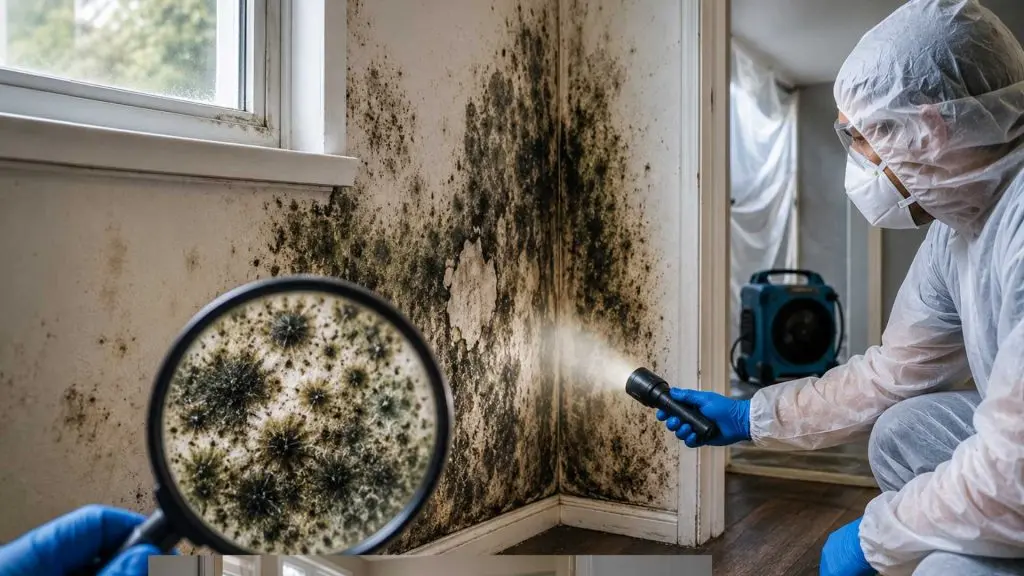
Green, black, brown, gray, or even orange staining on walls and ceilings often signals moisture and mold beneath the surface. These stains may look like ordinary dirt or water marks at first. A telling sign is when spots reappear after you clean or paint over them, which usually means the growth behind the surface is still active.
3. Peeling Paint or Wallpaper
When moisture builds up behind a wall, paint and wallpaper begin to lose their grip. Bubbling, cracking, peeling, or warping finishes are classic signs of a hidden moisture problem, and where there is trapped moisture, mold often follows. Warped or swollen baseboards and trim can point to the same issue.
4. Increased Allergy Symptoms Indoors
If you or your family members feel worse at home and better when away, your indoor air quality may be the problem. Symptoms that consistently improve during a trip or a day at work and then return at home are a strong sign that something in the house, often hidden mold, is affecting the air.
5. Recent Water Damage or Leaks
Any past flooding, roof leak, plumbing problem, or appliance overflow creates a prime opportunity for mold. If building materials stayed damp for more than 24 to 48 hours, mold growth may already be underway behind the scenes. A history of water damage is one of the clearest reasons to stay alert for hidden mold.
Where Mold Commonly Hides
Mold gravitates toward dark, damp, undisturbed places. Knowing where it tends to settle makes inspection far more effective.
1. Behind Drywall
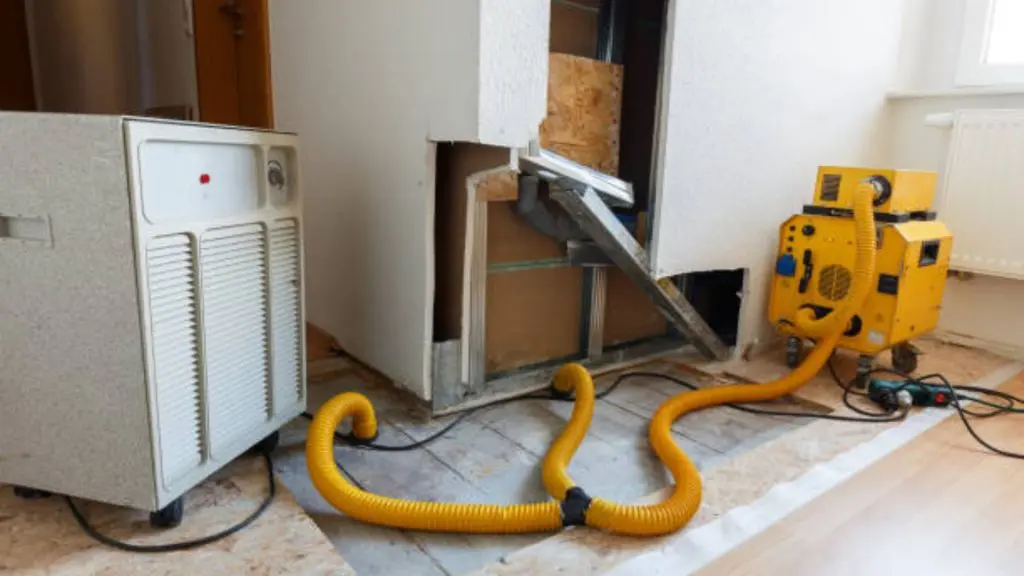
Drywall absorbs moisture easily and provides the cellulose mold. Growth often spreads across the back of a wall while the visible side looks clean, making it one of the most common hiding spots and one of the hardest to detect without professional help.
2. Under Flooring
Spills, leaks, and humidity can seep beneath carpet, laminate, tile, and hardwood. The padding and subfloor underneath stay damp and out of sight, creating an ideal home for mold. Soft spots, cupping boards, or a musty smell near the floor can all signal trouble below.
3. Inside HVAC Systems
Air handlers, ductwork, and condensation lines naturally collect moisture. When mold takes hold inside a heating and cooling system, every cycle can distribute spores throughout the property, which is why whole home symptoms sometimes trace back to the HVAC system.
4. Attics and Crawl Spaces
These low traffic areas trap humidity and are rarely inspected. Poor ventilation, small roof leaks, and rising moisture from the ground make attics and crawl spaces frequent trouble spots where mold can grow undisturbed for a long time.
How Professional Mold Remediation Works
Professional remediation is a structured process designed to remove mold safely and keep it from returning. It goes far beyond surface cleaning.
1. Inspection and Testing
The process begins with a thorough inspection to locate growth and trace the moisture source feeding it. Testing confirms the type and extent of the problem so that nothing is overlooked, which is essential to a successful outcome.
2. Containment Procedures
Before any removal begins, the affected area is sealed off to keep spores from traveling to clean parts of the home. Containment is a critical step that prevents a localized problem from spreading during the cleanup itself.
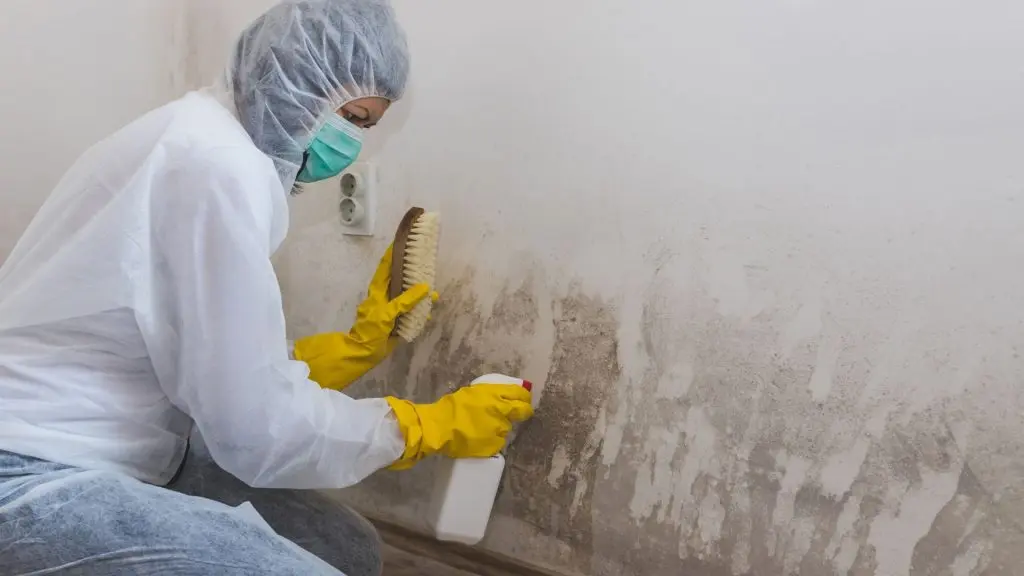
3. Safe Mold Removal
Contaminated materials are carefully removed, and salvageable surfaces are cleaned and treated using proven methods. The goal is to eliminate the colony completely rather than simply cover it up or wipe away what is visible.
4. Moisture Control Solutions
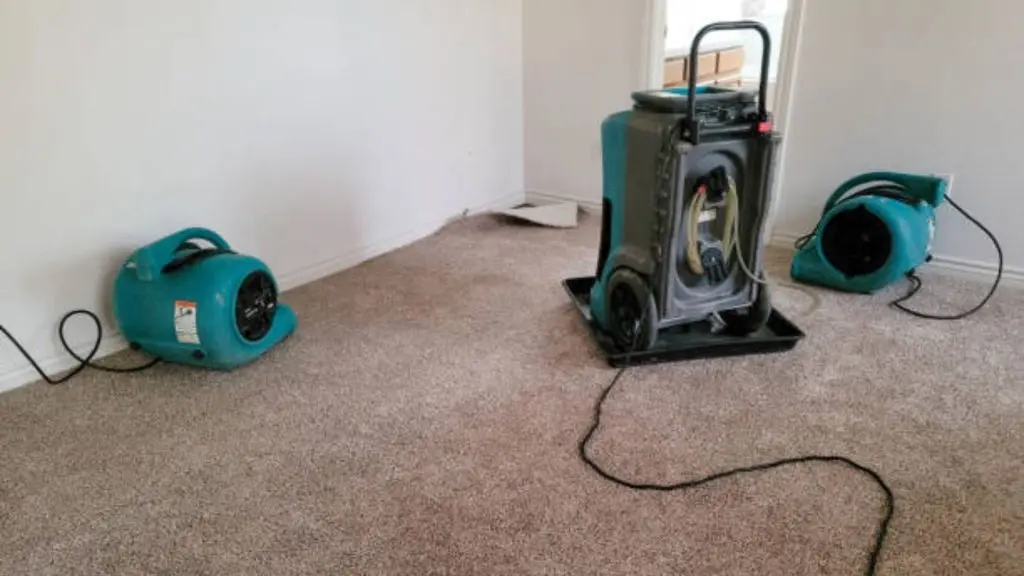
Because mold always returns without a dry environment, professionals address the underlying moisture. Repairing leaks, improving ventilation, managing humidity, and drying materials completely all work together to keep mold from coming back. This final step is what makes remediation last.
When to Call a Wichita Mold Remediation Company
If you notice musty odors, recurring stains, peeling finishes, or unexplained allergy symptoms, it is time to bring in a professional, and the same is true after any water damage event.
FreshCo Cleaning & Restoration serves Wichita and the surrounding Kansas communities with careful, thorough mold remediation that treats the problem at its root. Our team inspects, contains, removes, and prevents, restoring your home to a clean and healthy condition.
Frequently Asked Questions
1. How can I tell if mold is hiding behind walls?
Musty odors, staining that returns after cleaning, peeling paint or wallpaper, and unexplained allergy symptoms can all indicate hidden mold growth behind your walls. A professional inspection can confirm it.
2. Is mold dangerous to my health?
Mold exposure may trigger allergies, respiratory irritation, and headaches, and it can worsen asthma symptoms over time. People with allergies or weakened immune systems are often affected most.
3. Can mold grow without visible water damage?
Yes. Small plumbing leaks, condensation, and high humidity can all support hidden mold growth even when no flooding has ever occurred. Moisture does not have to be dramatic to feed mold.
4. How quickly should mold be removed?
Professional remediation should begin as soon as mold is discovered to prevent it from spreading further through your property and affecting more materials.
5. Does homeowners insurance cover mold remediation?
Coverage depends on the cause of the mold and the terms of your specific insurance policy. Mold resulting from a sudden, covered event is more likely to be included than mold from long term neglect, so it is worth reviewing your coverage.
Don’t Ignore the Warning Signs of Hidden Mold
Hidden mold often goes unnoticed until it causes significant property damage and affects indoor air quality. Warning signs such as persistent musty odors, unexplained stains, peeling paint, warped materials, and recurring allergy symptoms should never be ignored. Identifying and addressing mold problems early can help prevent costly repairs, protect your property’s structural integrity, and create a healthier living environment for your family.
If you suspect mold may be growing behind walls, beneath flooring, or in other hidden areas of your Wichita home or business, professional intervention is the safest and most effective solution. The experienced team at FreshCo Cleaning & Restoration uses advanced inspection and remediation techniques to locate mold at its source, contain the affected areas, and restore your property with minimal disruption.
Contact FreshCo Cleaning & Restoration today or request a fast, free quote to schedule a professional mold inspection and remediation service. Acting quickly can help stop mold growth before it becomes a larger and more expensive problem.