












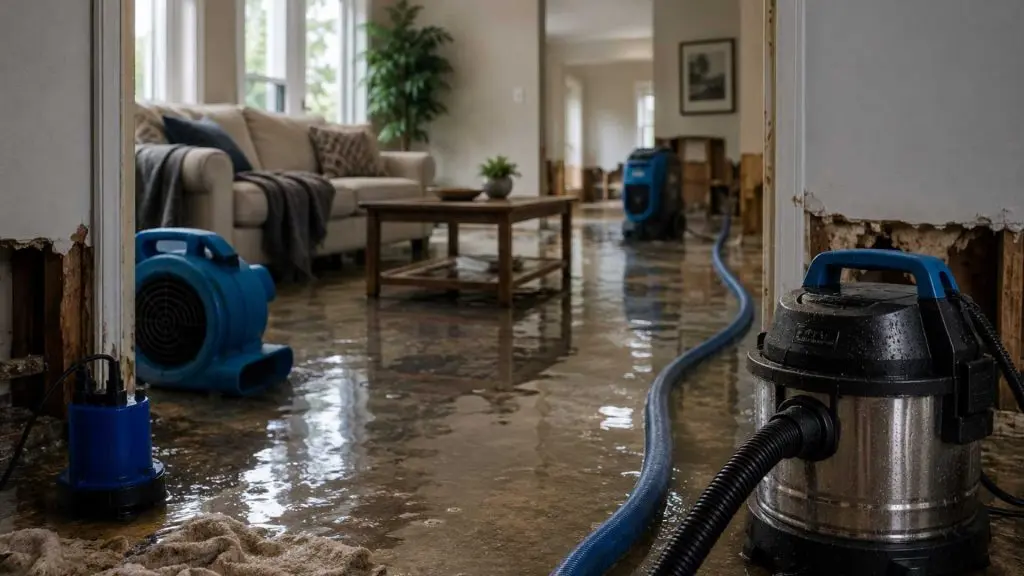
Flooding can turn a normal day upside down in a matter of minutes. One moment everything is fine, and the next you are staring at water spreading across the floor, soaking into carpet, and creeping toward walls and furniture. Whether the water comes from a burst pipe, a failed appliance, a sewer backup, or heavy Kansas storms, every hour it sits causes more damage.
Acting immediately is the single best way to protect your property and your finances. Water is relentless. It travels into every crack and cavity, wicks up into drywall, and saturates materials you cannot even see. The faster it is removed, the less harm it does. Flood damage affects homes and businesses alike, and the causes range from severe weather to plumbing failures inside the building itself.
Knowing what to do in those first critical hours, and understanding when to call for professional emergency water removal, can make the difference between a manageable cleanup and a major restoration project. This guide walks Manhattan property owners through the right steps to take and what professional help involves.
The First Steps After Flood Damage
What you do in the first hour after discovering flooding sets the tone for the entire recovery. A calm, methodical response protects both you and your property.
Ensure Safety First
Your safety always comes before your possessions. Avoid walking through standing water if there is any chance it has reached electrical outlets, cords, or appliances, since water and electricity are a dangerous combination.
Watch for slippery surfaces and flooring that may have become unstable. Keep children and pets well away from affected areas until the situation is under control. If the flooding is severe or you sense any electrical or structural hazard, wait for professionals before entering.
Shut Off Utilities if Necessary
If it is safe to reach your electrical panel, turn off power to the flooded areas to remove the risk of shock. If a burst pipe or failed appliance is the source, shutting off the water supply stops more water from entering. Many homes have a main shutoff valve as well as individual valves for fixtures and appliances. Knowing where these are located before an emergency happens can save precious time. When in doubt, wait for a professional rather than risk injury.
Document Property Damage
Before any cleanup begins, take clear photos and video of everything affected. Capture damaged walls, flooring, furniture, electronics, and personal belongings, as well as the water level if it is still present. This documentation supports your insurance claim and creates a clear record of the loss. Thorough records taken early are far more convincing than trying to recall details later.
Why Immediate Water Removal Matters
It can be tempting to wait, hoping the water will recede or dry on its own. In practice, delay almost always makes things worse. Here is why fast extraction is so important.
Mold Prevention
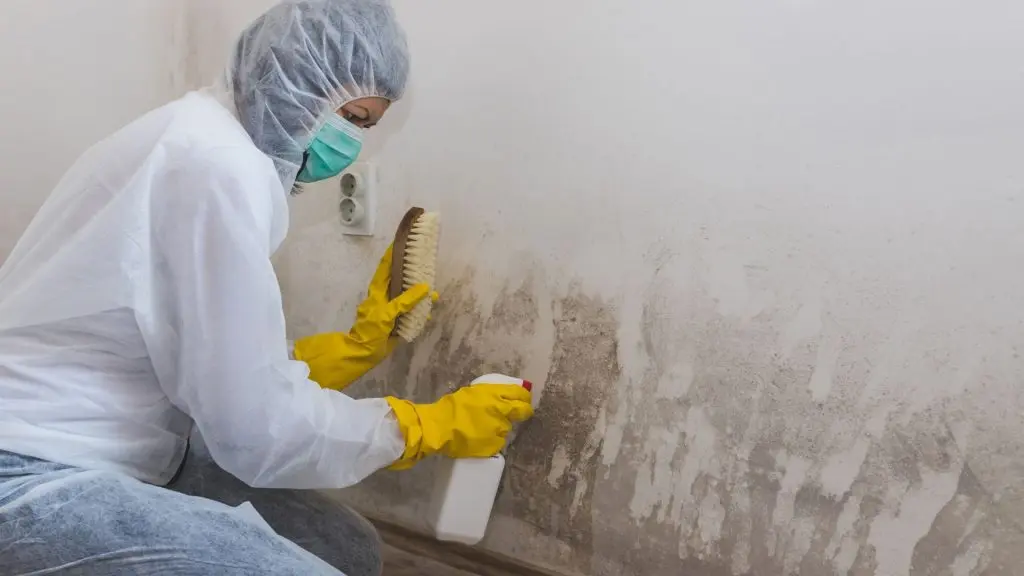
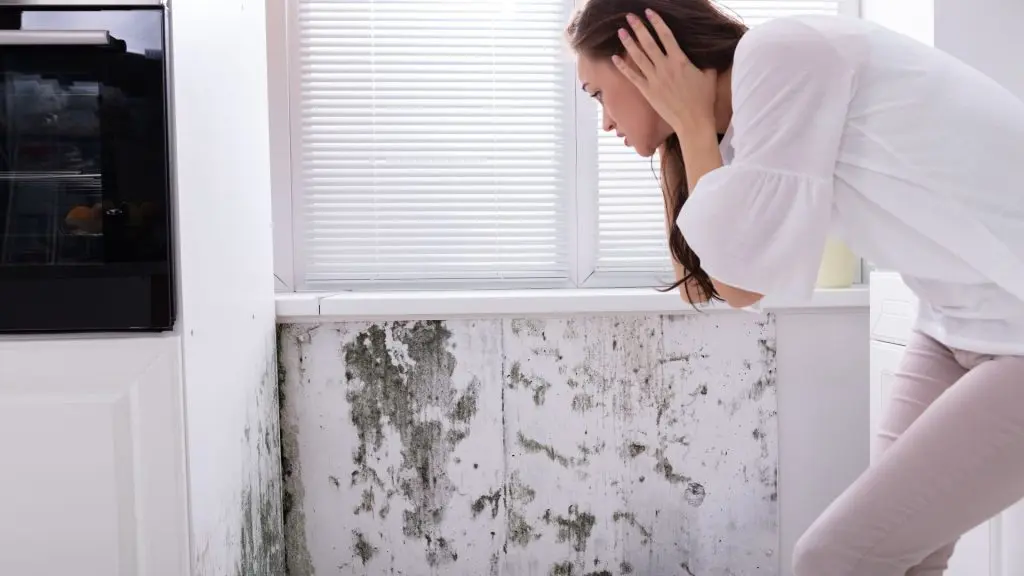
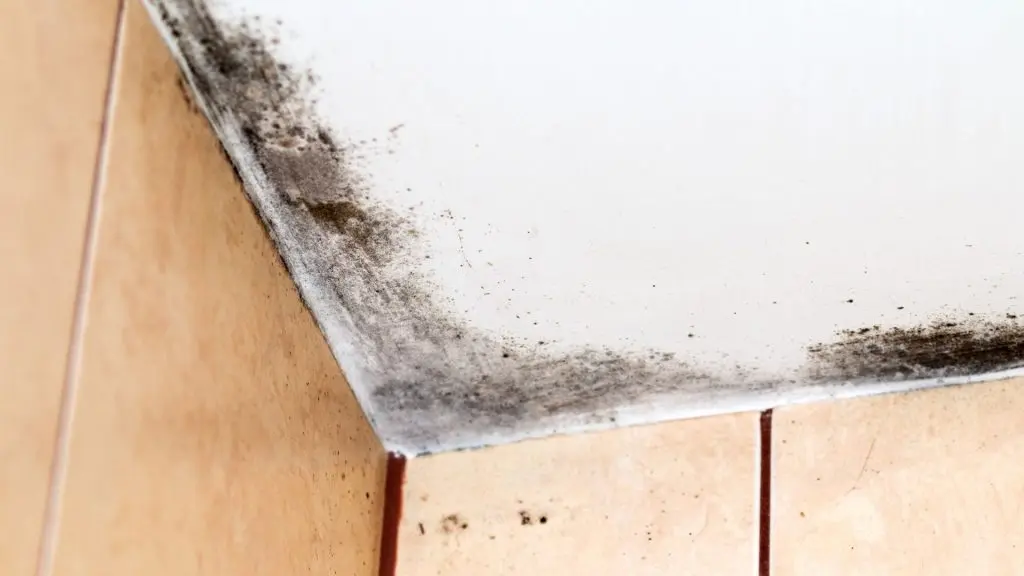
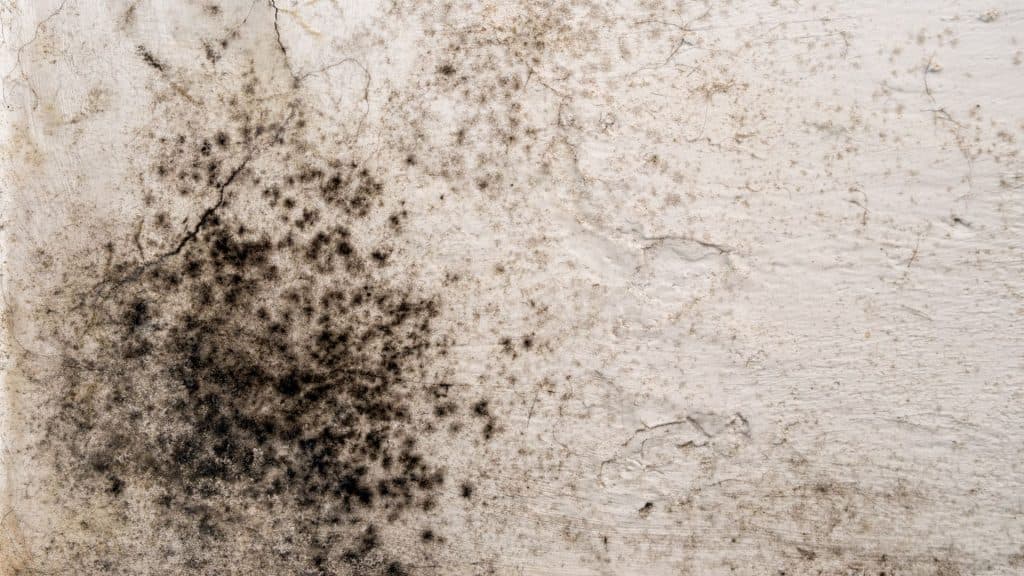
Mold can begin growing within 24 to 48 hours of water exposure. Once it takes hold, it spreads quickly and adds a new layer of cleanup and health concerns to the project. Fast extraction and thorough drying are the most effective ways to stop mold before it ever starts.
Structural Protection
Water seeps into drywall, subfloors, framing, and insulation, and the longer it lingers, the more it weakens these materials. Wood swells and rots, drywall crumbles, and insulation loses its effectiveness. Rapid removal preserves the integrity of your structure and reduces the chance of long term damage.
Reducing Restoration Costs
Quick action limits how far the damage spreads. The sooner water is removed and the area is dried, the fewer materials need to be replaced. A fast response can mean saving carpet, flooring, and drywall that would otherwise have to be torn out, which keeps your overall restoration costs significantly lower.
What Professional Water Removal Includes
Professional restoration goes well beyond a wet vacuum and some towels. A trained team brings specialized equipment and a proven process to remove every trace of moisture.
Water Extraction
Professionals use powerful pumps and truck mounted or portable extraction equipment to remove standing water far faster than any household tool can manage. Speed at this stage directly limits the damage.
Moisture Detection
Specialized moisture meters, sensors, and thermal imaging help locate water hidden inside walls, under floors, and in cavities that look completely dry on the surface. This step ensures no pocket of moisture is left behind to cause problems later.
Structural Drying
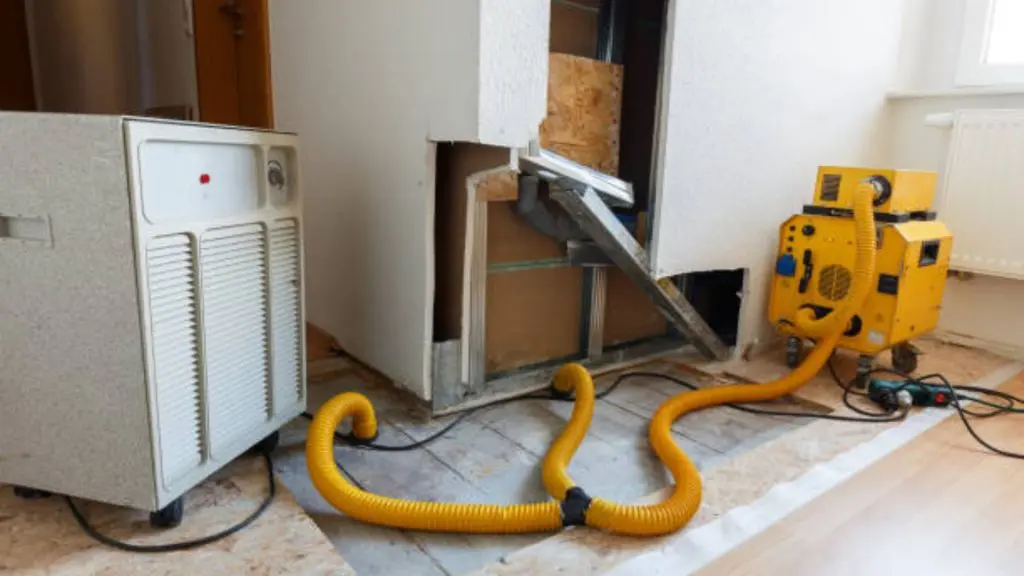
Industrial air movers and commercial dehumidifiers work together to pull moisture from materials and the air, drying the space completely rather than just on the surface. This controlled drying is what truly protects a home from secondary damage.
Monitoring Progress
Technicians track moisture levels throughout the drying process, taking readings and adjusting equipment until the structure is confirmed fully dry. This careful monitoring prevents the hidden dampness that leads to mold and odors.
Common Causes of Flood Damage in Manhattan Homes
Manhattan properties can experience flooding from a variety of sources. Understanding these common causes can help property owners respond quickly and take preventive measures:
- Heavy rain and storm runoff can overwhelm drainage systems, leading to water intrusion in basements and lower levels.
- Burst or frozen pipes are a common issue during Kansas winters when temperatures drop significantly.
- Water heater failures can release large amounts of water and cause extensive property damage.
- Washing machine hose leaks may occur due to wear, age, or sudden hose failure.
- Dishwasher leaks and overflowing fixtures can damage flooring, cabinetry, and surrounding materials.
- Sewer backups are more likely during severe storms and can introduce contaminated water into the property.
- Hidden plumbing leaks inside walls may go unnoticed for extended periods, causing structural damage and mold growth.
How Restoration Professionals Help Speed Recovery
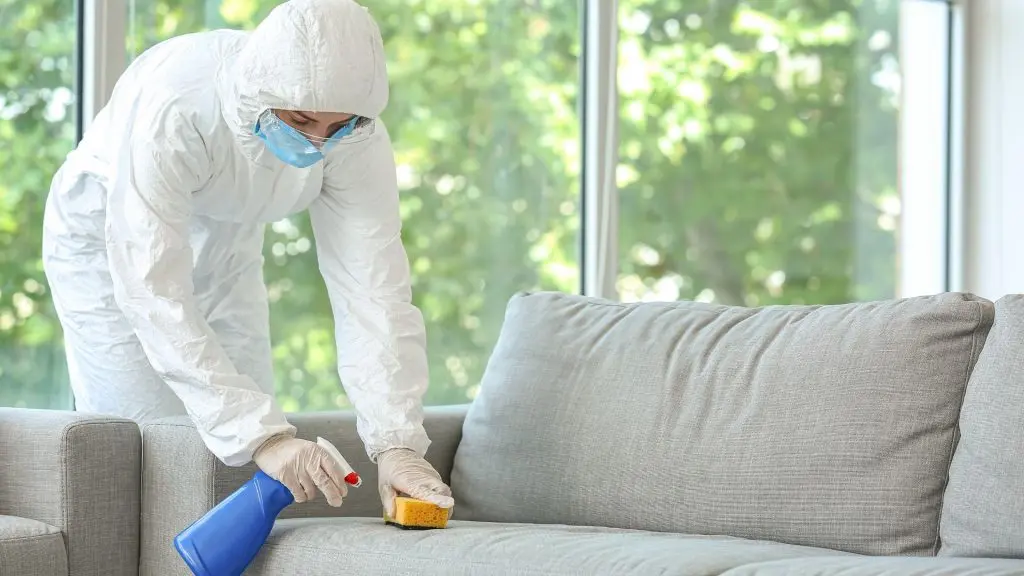
A trained restoration team brings the equipment, experience, and structured process needed to handle flood damage efficiently from start to finish. They extract water quickly, dry the structure thoroughly, prevent secondary damage such as mold, and help you navigate the documentation your insurance company will require. Rather than guessing whether an area is dry, they verify it with instruments. This professional approach shortens the timeline, reduces the risk of long term problems, and helps you return to normal life sooner. It also gives you peace of mind during a stressful time, knowing the job is being handled correctly.
Frequently Asked Questions
How soon should water be removed after flooding?
Water should ideally be extracted within the first 24 hours to minimize damage and reduce the risk of mold growth. The faster the response, the better the outcome.
Can I stay in my home after flood damage?
It depends on the extent of the damage and whether any electrical or structural hazards are present. In serious cases, it may be safer to stay elsewhere until the property is secured and dried.
How long does water damage restoration take?
Most projects take several days to a few weeks, depending on the severity of the damage, the materials involved, and how quickly the response began.
Will wet carpets need to be replaced?
Some carpets can be cleaned and restored, while heavily contaminated or badly damaged materials may require replacement. A professional can assess what is salvageable.
Why is professional drying necessary?
Hidden moisture can remain in walls, flooring, and insulation even after standing water is removed. Professional drying reaches that hidden dampness and prevents the mold and structural issues it would otherwise cause.
Recover Faster with Professional Emergency Water Removal
Flood damage can be overwhelming, but taking immediate action can significantly reduce the impact on your property and your finances. By prioritizing safety, documenting the damage, and contacting restoration professionals as soon as possible, you can help prevent further deterioration and costly repairs.
Professional water removal and structural drying are critical to stopping moisture from causing long-term issues such as mold growth, weakened building materials, and hidden damage. The sooner the restoration process begins, the better your chances of a faster and more complete recovery.
If you need emergency water removal in Manhattan, KS, or the surrounding Kansas communities, FreshCo Cleaning & Restoration is ready to respond. Call or request a free quote today to get expert help when you need it most.