














Water damage rarely announces itself all at once. A slow leak under a sink, a cracked supply line, or an overflowing washing machine can soak into flooring and walls long before anyone notices a puddle.
What happens in the hours and days after that matters as much as the source of the water itself. How quickly the water is removed, how thoroughly the affected materials are dried, and how the source is repaired all determine whether the damage stays contained or spreads.
This guide walks through how water damage is classified, common causes in Wichita homes, signs of damage that are not always obvious, what the water damage restoration process in Wichita typically involves, and how to reduce the chance of it happening again.
How Water Damage Is Classified
Restoration professionals generally sort water damage into three categories based on contamination level. Category 1 is clean water from a source like a supply line, Category 2 is gray water that may carry some contaminants, such as water from a washing machine or dishwasher, and Category 3 is blackwater, which includes sewage and flood water and carries the highest health risk.
The category affects how the cleanup is handled. Clean water damage that is addressed quickly may only require extraction and drying, while gray or blackwater situations require additional cleaning and, in some cases, removal of porous materials that cannot be safely restored.
Common Causes of Water Damage in Wichita Homes
A few recurring issues account for most residential water damage calls in the area.
- Supply line and appliance hose failures, particularly aging connections behind washing machines, dishwashers, and refrigerators with ice makers.
- Roof leaks following the region’s spring and summer thunderstorms, especially around aging shingles, flashing, or gutters that are not draining properly.
- Frozen pipes during winter cold snaps, which can crack and leak once temperatures rise and the ice inside them thaws.
- Foundation and basement seepage during periods of heavy rain, particularly in homes with grading that directs water toward the foundation instead of away from it.
- Water heater failures, which can release a significant amount of water quickly once a tank fails.
Signs of Hidden Water Damage
Not all water damage shows up as a visible puddle. Some of the most common signs point to moisture that has been building for a while behind walls or under flooring.
- A musty odor in a room, even without visible moisture, since it often signals mold growth from moisture trapped behind a surface.
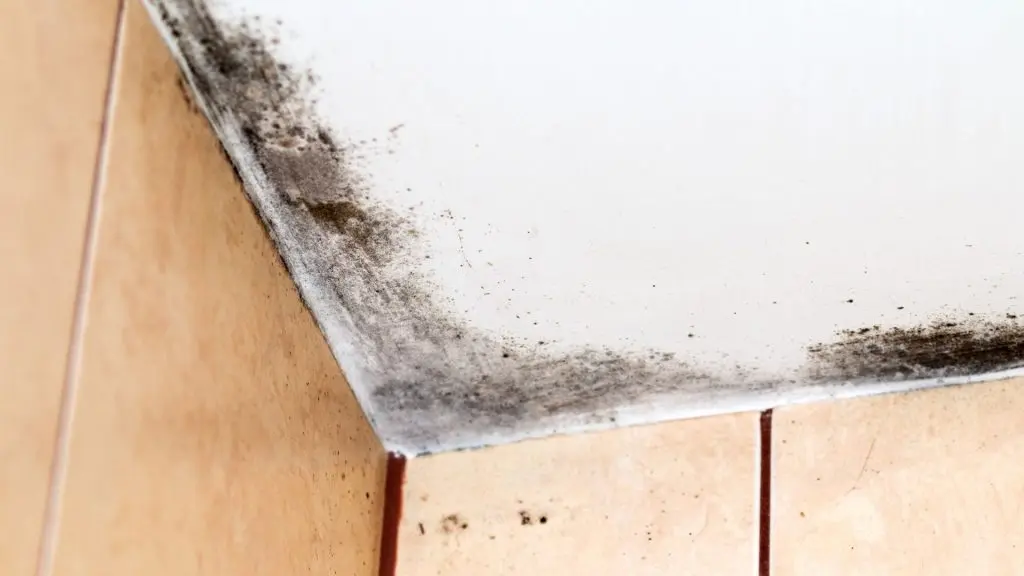
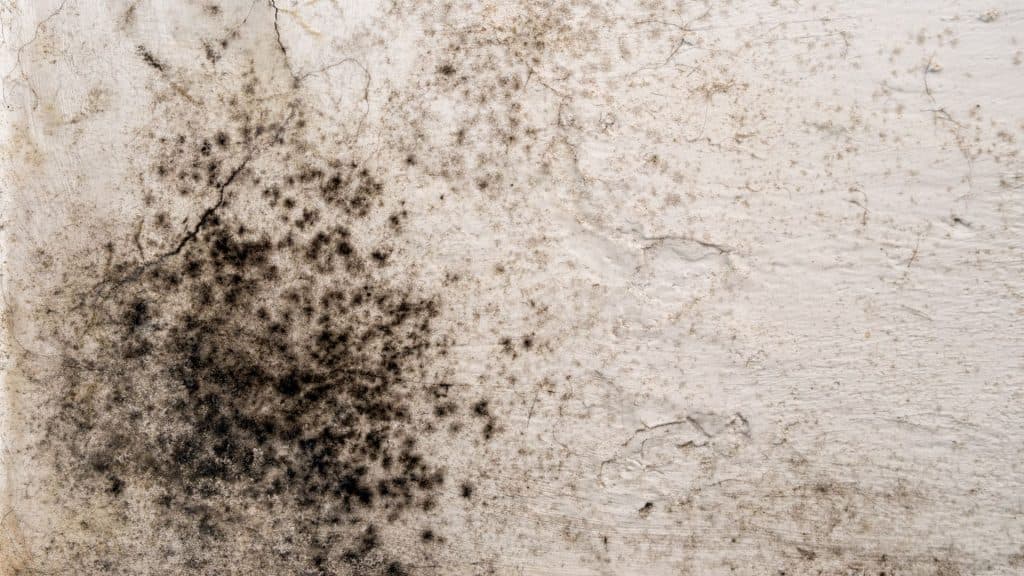
- Discoloration or dark spots on ceilings, walls, or baseboards, which can indicate water has been seeping through from above or behind.
- Peeling paint, bubbling drywall, or warped baseboards, all of which suggest the material underneath has absorbed more moisture than it can hold.
- Warped, cupped, or soft flooring, particularly near exterior walls, bathrooms, or the kitchen.
- A noticeable increase in the water bill without a clear explanation, which can point to a hidden leak somewhere in the plumbing.
What the Water Damage Restoration Process Involves
While every job differs based on the source and extent of the water, most residential restoration jobs move through a similar sequence.
1. Assessment and Water Source Identification
Before extraction begins, the source of the water needs to be identified and stopped, since removing standing water while a leak is still active does not solve the underlying problem. This step also includes checking how far the water has traveled using moisture meters and, where needed, thermal imaging.
2. Water Extraction
Standing water is removed using extraction equipment suited to the size of the affected area. This step focuses on getting bulk water out quickly, since materials that sit in water longer absorb more of it.
3. Drying and Dehumidification
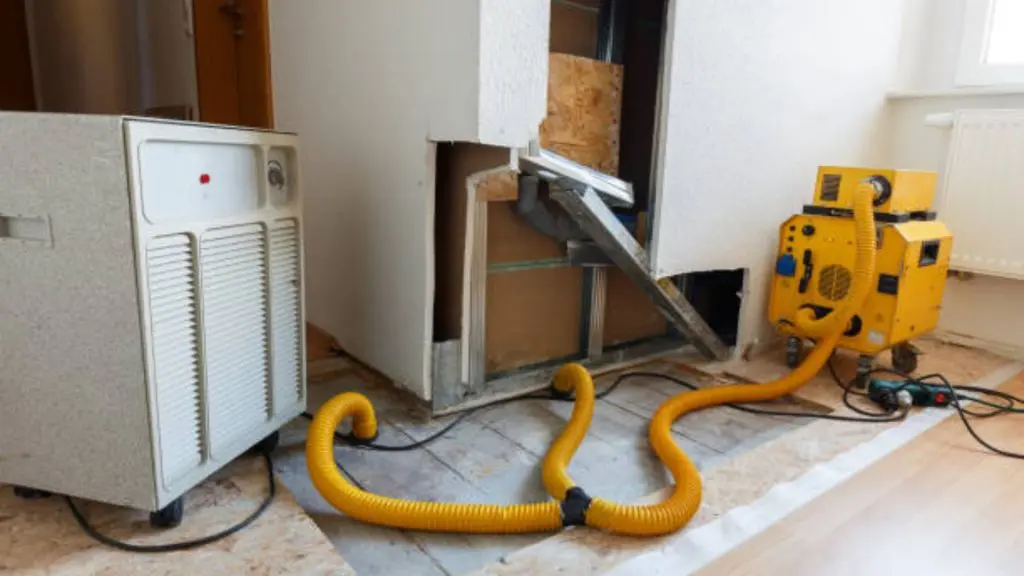
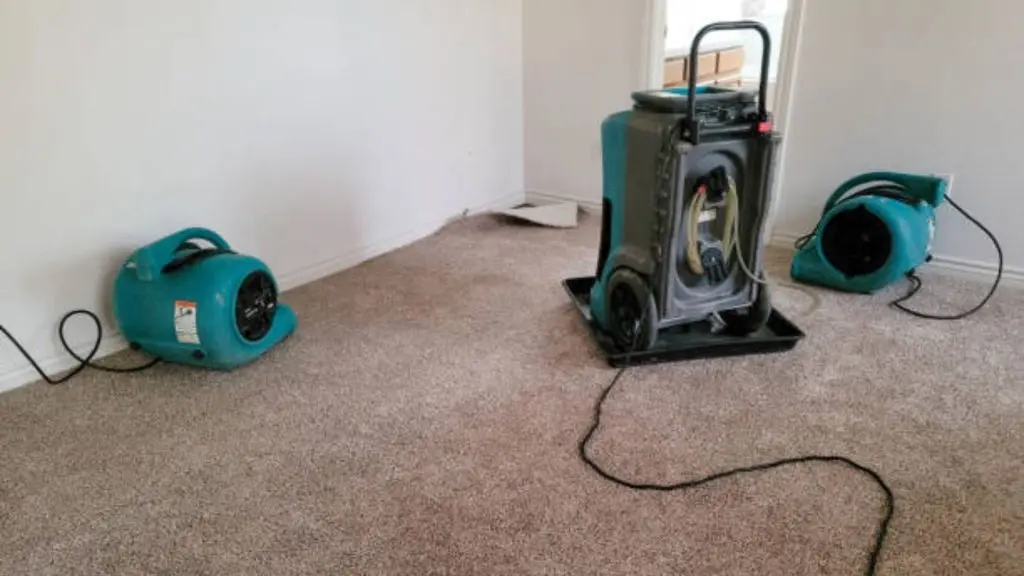
Air movers and dehumidifiers are set up to dry the materials that absorbed water but were not otherwise removed, such as walls, subflooring, and framing. Moisture levels are monitored over the following days to confirm materials have reached a safe range.
4. Cleaning and Sanitizing
Affected surfaces are cleaned, and in cases involving gray or blackwater, sanitized to address contamination. This step also typically includes addressing any odor left behind by the water.
When Materials Need to Be Removed Instead of Dried
Not everything that gets wet can be dried in place. Porous materials like carpet padding, insulation, and drywall that have been saturated for an extended period often cannot fully return to their original condition and are safer to remove and replace.
The decision to dry versus remove usually comes down to how long the material was wet, what category of water it was exposed to, and whether moisture testing shows the material can reach an acceptable dryness level.
Insurance Considerations for Water Damage
Homeowners insurance typically covers sudden and accidental water damage, such as a burst pipe, but often excludes damage from gradual leaks or lack of maintenance. Flood damage from rising water outside the home, such as overflow from a nearby waterway, usually requires separate flood insurance rather than a standard homeowners policy.
Documenting the damage with photos before cleanup begins, and keeping records of what was removed or repaired, supports the claims process regardless of what caused the water damage.
Preventing Future Water Damage
A few habits can reduce the risk of water damage recurring in a home.
- Inspect supply lines and appliance hoses periodically, replacing any that show cracking, bulging, or corrosion before they fail.
- Clean gutters and downspouts regularly so rainwater is directed away from the foundation rather than pooling near it.
- Know the location of the home’s main water shutoff valve so it can be closed quickly if a pipe bursts or a fixture fails.
- Insulate pipes in unheated areas like crawl spaces and garages to reduce the risk of freezing during winter cold snaps.
Frequently Asked Questions
How Do I Know if Water Damage Requires Professional Restoration?
Any water damage beyond a small, immediately dried spill is worth having assessed, since water can travel into subflooring or wall cavities without being visible on the surface.
How Long Does Water Damage Restoration Take?
It depends on how much water was involved and how far it spread before it was found. A small, contained leak may dry within a few days, while a larger loss can take longer.
Will Mold Grow if Water Damage Is Not Addressed Quickly?
Mold can begin developing within a day or two under warm, humid conditions, which is one of the main reasons a fast response matters.
Can I Dry Out Water Damage Myself?
Small, contained spills that are dried immediately may not require professional help, but water that has soaked into flooring, walls, or subflooring is difficult to fully dry with household fans alone.
Does FreshCo Handle Water Damage From Both Leaks and Storms?
Our water damage restoration process covers water damage from plumbing failures, appliance leaks, roof leaks, and other sources common to Wichita homes.
Key Takeaways on Water Damage Restoration
Water damage in a home is rarely limited to what is visible right away, which is why identifying the source, extracting standing water quickly, and drying the affected materials thoroughly all matter. Addressing it early tends to keep the job from drying rather than removing and rebuilding.
If your Wichita home has experienced water damage from a leak, appliance failure, or storm, reach out to FreshCo Cleaners. We can assess the extent of the damage and walk you through the drying and cleanup process your home needs.