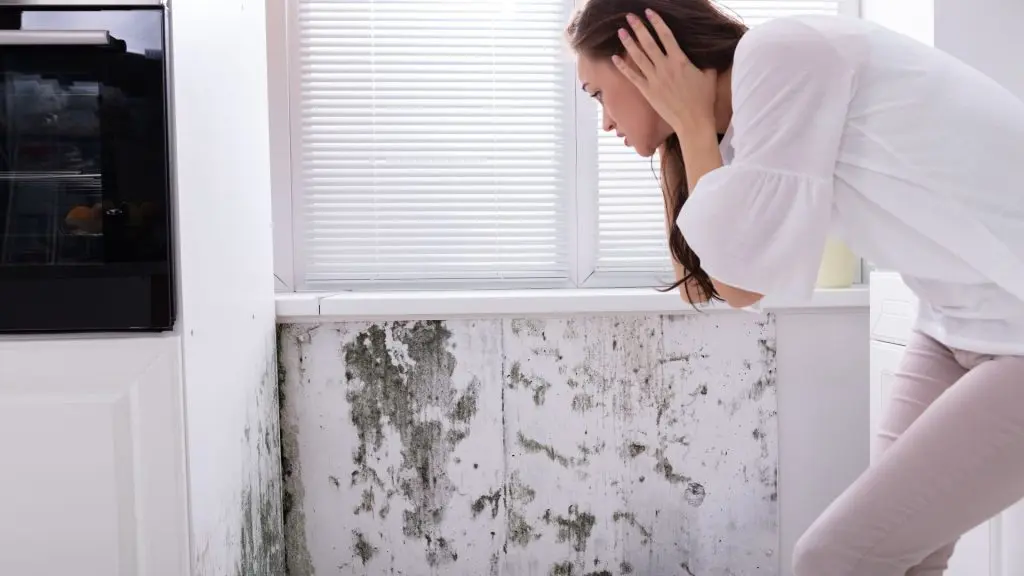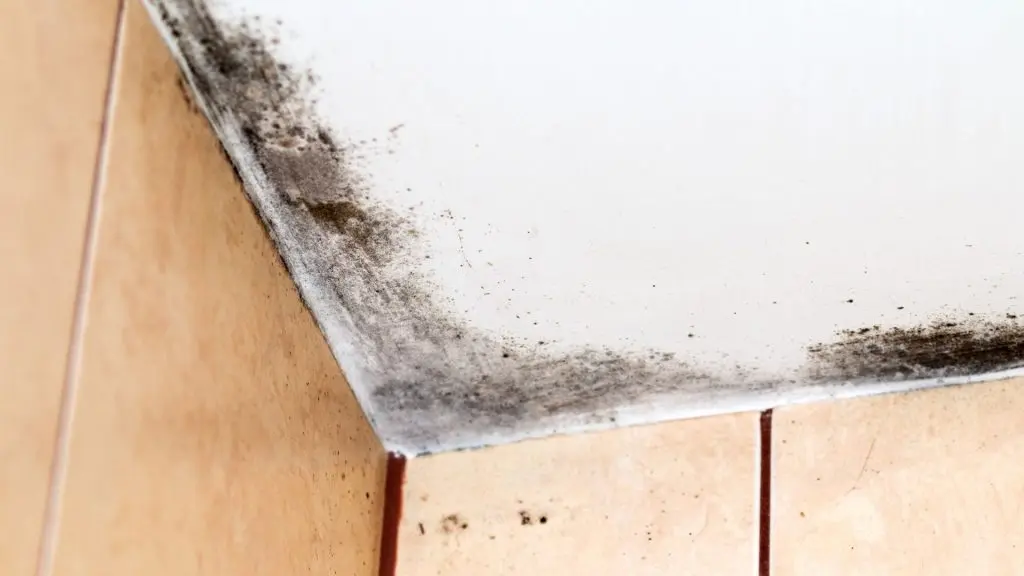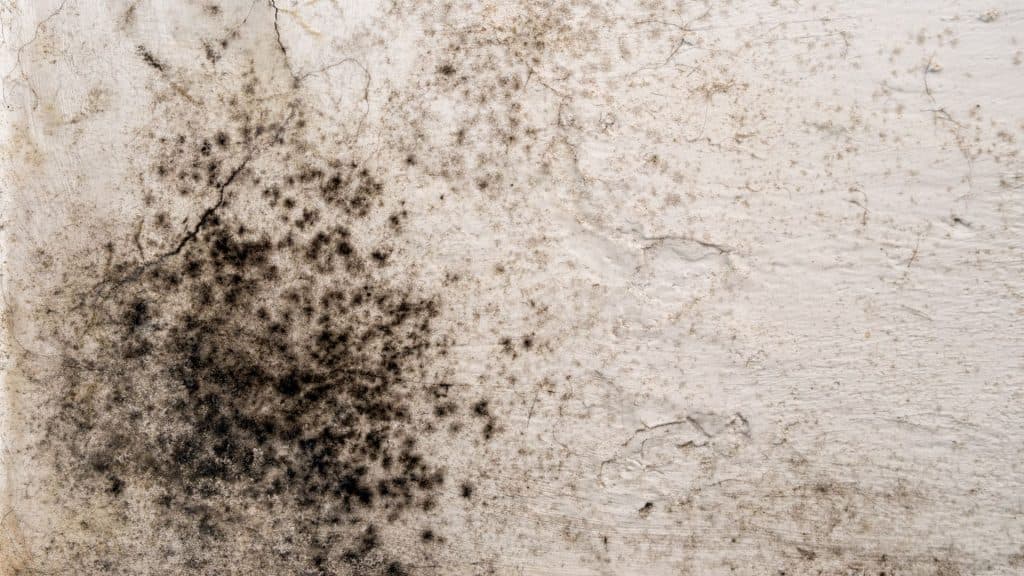















Mold can spread through a home or business with surprising speed. Once spores find moisture and an organic surface, a small patch can grow into a widespread problem in a matter of days. For Park City property owners, understanding how mold grows and spreads is the first step toward stopping it and keeping it from coming back.
The key to lasting results lies in addressing the moisture that feeds mold in the first place. Removing visible growth without fixing the source only invites the problem to return, often in the very same spot. This is the mistake many homeowners make when they reach for a spray bottle and a sponge. True remediation tackles both the mold and its cause, giving you a clean, healthy space that stays that way.
This guide explains why mold keeps spreading without proper treatment, what commonly causes it, how the professional remediation process works, and the benefits of relying on experienced professionals in Park City.
Why Mold Continues to Spread Without Proper Treatment
Mold survives and multiplies by releasing spores that travel through the air and settle on damp surfaces. As long as moisture is present, those spores keep finding new places to grow. This is the heart of the problem. Cleaning the visible surface might make growth disappear for a while, but if the underlying humidity, leak, or condensation remains, the colony simply returns.
Store bought sprays and quick wipe downs often fail for this exact reason. They address what you can see while leaving the moisture source and any hidden growth untouched. Within days or weeks, the mold is back, sometimes worse than before. Professional remediation breaks this cycle by removing the mold thoroughly and eliminating the conditions it needs to live. Without moisture, mold cannot survive, which is why moisture control is the foundation of every lasting solution.
Common Causes of Mold Growth
Mold needs moisture, and that moisture can come from several sources. Identifying the cause is essential to stopping growth for good.
Water Damage
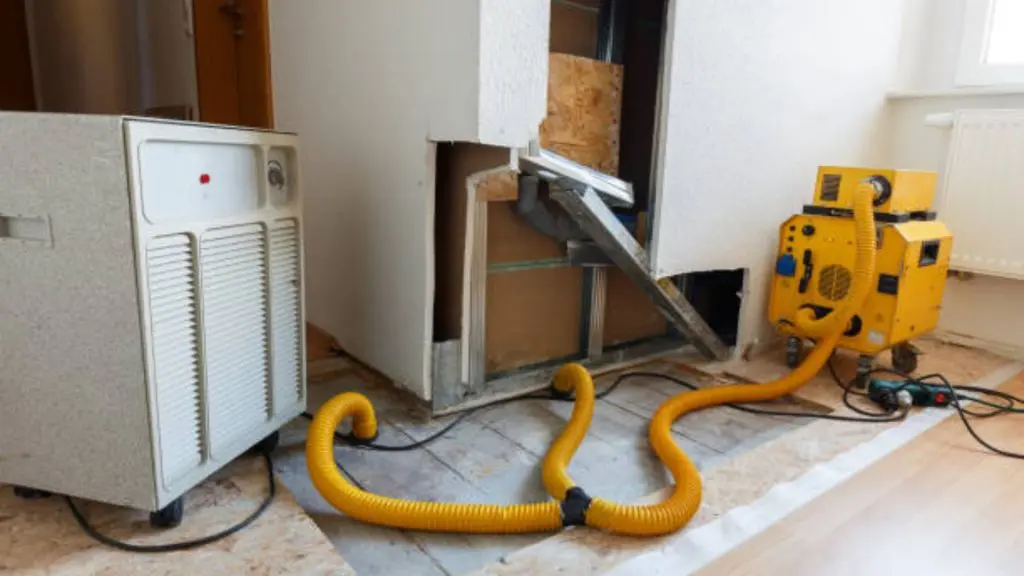
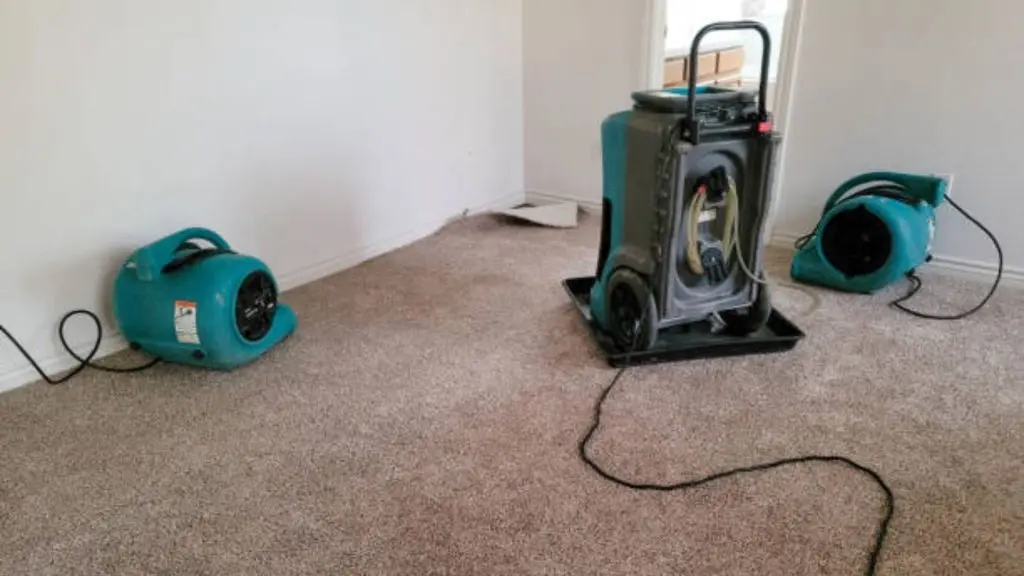
Past flooding or any event that leaves materials wet creates the perfect breeding ground for mold, especially when drying was incomplete. Even after a water event seems resolved, lingering dampness inside walls and floors can quietly feed a colony. This is why thorough drying after any water damage is so important.
Plumbing Leaks
Slow, hidden leaks under sinks, behind walls, around toilets, and at pipe joints keep surfaces damp over time without any obvious warning. Because these leaks are out of sight, they often go unnoticed until mold or water stains appear. A small drip can sustain mold growth for months.
High Humidity
Kansas humidity, poor ventilation, and everyday activities like cooking, showering, and drying laundry all raise indoor moisture levels. In spaces without adequate airflow, that humidity gives mold the consistent dampness it needs to thrive. Bathrooms, kitchens, basements, and laundry areas are especially prone.
Professional Mold Remediation Process
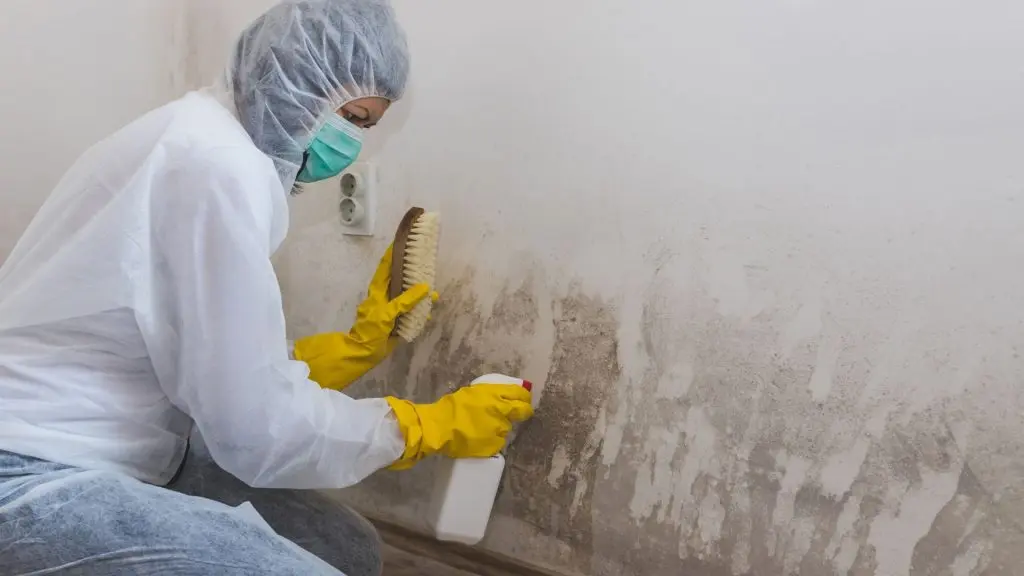
Professional remediation is a careful, step by step process designed to remove mold safely and prevent its return. Each stage plays an important role.
1. Mold Inspection
The process starts with a detailed inspection to find both visible and hidden growth and to map out the full extent of the affected areas. A complete assessment ensures nothing is missed once the work begins.
2.Moisture Source Identification
Professionals trace the moisture problem back to its source, whether a leak, condensation, or general humidity. Identifying and addressing this source is what makes the difference between a temporary fix and a permanent one.
3. Containment
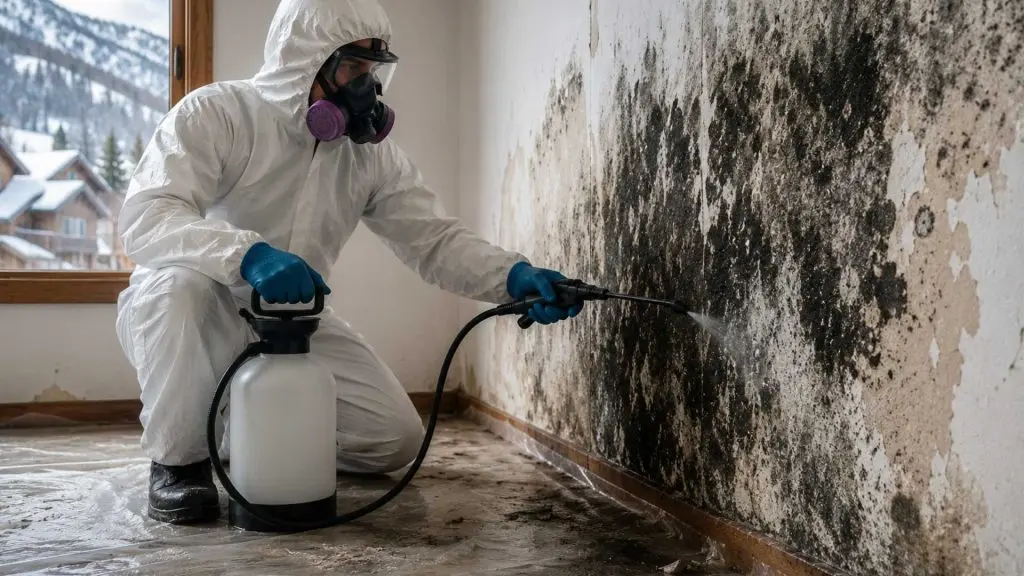
The work area is sealed off to keep spores from spreading to clean parts of the property during removal. Containment protects the rest of your home and keeps a localized problem from becoming a whole house issue.
4. Removal and Cleaning
Contaminated materials are removed, and salvageable surfaces are cleaned and treated using proven techniques. The goal is to eliminate the colony entirely rather than simply reduce what is visible.
5. Prevention Strategies
Finally, technicians address moisture control through repairs, improved ventilation, humidity management, and complete drying. These prevention strategies are what keep mold from returning once the remediation is finished.
Benefits of Professional Mold Remediation
Professional mold remediation provides far more than surface-level cleaning. By addressing both the mold growth and the moisture source behind it, professionals help create a healthier indoor environment and prevent the problem from returning.
- Improves indoor air quality by removing mold spores that circulate throughout the property.
- Helps protect the health of occupants, especially those with allergies, asthma, or respiratory sensitivities.
- Prevents mold from spreading to other areas of the home or building.
- Preserves walls, flooring, insulation, and other building materials by stopping ongoing damage.
- Protects the long-term value and structural integrity of the property.
- Identifies and addresses the moisture source that allowed mold growth to develop.
- Reduces the risk of recurring mold problems and future remediation costs.
- Provides peace of mind that the issue has been thoroughly and professionally resolved.
By treating the root cause rather than just the visible signs of mold, professional remediation delivers a more effective and lasting solution for homeowners and property managers alike.
When to Schedule an Inspection
Mold is often easier and less expensive to address when it is detected early. Scheduling a professional inspection at the first sign of a problem can help prevent widespread growth, property damage, and potential health concerns.
- Noticeable musty or earthy odors that persist indoors.
- Visible mold growth on walls, ceilings, floors, or other surfaces.
- Recurring water stains or discoloration that continue to reappear.
- Peeling paint, bubbling drywall, or warped building materials.
- Recent water damage from leaks, flooding, or plumbing issues.
- Persistent indoor humidity or moisture problems.
- A history of mold growth or previous remediation in the property.
- Unexplained allergy-like symptoms or respiratory irritation among occupants.
- Concerns about hidden mold in attics, crawl spaces, basements, or behind walls.
Early detection allows mold issues to be addressed before they become more extensive and costly. A professional inspection can identify hidden growth, locate moisture sources, and provide clear recommendations for protecting your home and indoor air quality.
How Professionals Keep Mold From Returning
Successful mold remediation goes beyond removing visible growth. The key to long-term results is identifying and correcting the underlying moisture issues that allow mold to thrive in the first place.
- Locate and repair hidden plumbing leaks or water intrusion sources.
- Improve ventilation in moisture-prone areas such as bathrooms, kitchens, and laundry rooms.
- Address elevated indoor humidity levels that encourage mold growth.
- Thoroughly dry affected materials and structural components after water exposure.
- Remove or replace materials that cannot be properly cleaned and restored.
- Identify areas with poor airflow that may trap moisture.
- Recommend preventive measures to reduce the risk of future mold problems.
- Verify that moisture levels have returned to safe, normal ranges before completing the project.
By eliminating the moisture source rather than simply cleaning the visible mold, professional remediation provides a lasting solution. This comprehensive approach helps prevent mold from reappearing and gives Park City homeowners greater confidence that the problem has been fully resolved.
Frequently Asked Questions
What causes mold growth in homes?
Mold grows when spores meet moisture and an organic surface to feed on. This often results from water damage, plumbing leaks, or high indoor humidity.
Can mold return after remediation?
Mold can return if the underlying moisture source is not corrected, which is exactly why professional remediation focuses on prevention as well as removal.
How do professionals stop mold from spreading?
Professionals use containment to isolate the area, careful removal of affected materials, disinfection of surfaces, and moisture control to stop mold from spreading and returning.
How long does mold remediation take?
The timeline depends on the size and location of the growth, with most projects completed within a few days. Larger or more complex jobs may take longer.
Is mold testing necessary before remediation?
Testing helps confirm the type and extent of the mold, which guides a more thorough and effective remediation plan. It is especially helpful for hidden or recurring problems.
Protect Your Property with Professional Mold Remediation
Mold growth can spread rapidly and cause lasting damage to both your property and indoor air quality if left untreated. The key to effective mold control is addressing the problem early and eliminating the moisture source that allows mold to thrive. While surface cleaning may temporarily remove visible growth, it rarely solves the underlying issue.
Professional mold remediation goes beyond cleaning by identifying hidden contamination, removing affected materials when necessary, and correcting the conditions that caused the mold in the first place. This comprehensive approach helps prevent recurring growth and restores a healthier living environment.
If you need reliable mold remediation in Park City, KS, trust FreshCo Cleaning & Restoration to deliver fast, effective solutions. Call or request a free quote today to stop mold at its source and protect your home or business for the long term.