














The damage from a fire extends far beyond the flames themselves. Long after a fire is out, smoke, soot, lingering odors, and the water used to extinguish the blaze continue to affect a property, often in rooms the fire never touched. For Hutchinson homeowners, true recovery means addressing every layer of that damage, not just the obvious burned areas.
Acting quickly is essential. Soot and smoke residue become more corrosive and harder to remove with each passing day, and trapped moisture from firefighting efforts can lead to mold if it is not dried promptly.
The early hours and days after a fire matter a great deal. Knowing the right steps to take, and understanding when to bring in professionals, helps you restore your property safely, thoroughly, and with less stress.
This guide covers the immediate actions to take after a fire, the different types of fire damage, the professional cleanup process, and why expert help makes such a difference.
Immediate Actions After a Fire
The first decisions you make after a fire have a big impact on your safety and your recovery. A careful, informed response protects both.
1. Ensure Occupant Safety
Do not re enter the property until fire officials confirm it is safe to do so. A building that looks intact can still hide serious dangers, including weakened structural elements, lingering smoke, hot spots, and compromised flooring or ceilings. The health of you and your family comes first, so always wait for the all clear before going back inside.
2.Contact Restoration Professionals
The sooner restoration begins, the better the outcome. A professional team can secure the property, assess the damage, and start the cleanup process before the situation worsens. Early action helps prevent corrosive soot and trapped moisture from causing additional harm. Reaching out quickly also gets your recovery moving while emotions are still raw.
3.Document Damage
Before any cleanup begins, photograph and record everything affected by the fire, smoke, soot, and water. Detailed documentation supports your insurance claim and provides a clear record of your losses. Capture damaged rooms, belongings, furniture, and structural elements. The more thorough your records, the smoother the claims process tends to be.
Types of Fire Damage
Fire damage is rarely just one thing. Understanding the different forms it takes explains why professional cleanup is so involved.
1. Structural Damage
Flames weaken framing, walls, ceilings, and other building materials, sometimes compromising the safety of the structure itself. Charred or weakened materials may need to be removed and rebuilt to restore the property to a safe condition.
2.Smoke Damage
Smoke travels throughout a property, slipping into other rooms, settling into surfaces, and working its way into fabrics, upholstery, and hidden spaces. It leaves behind stains and odors that can affect areas far from the actual fire, which is why whole home cleaning is often necessary.
3.Soot Contamination
Soot is a fine, oily residue left behind by smoke. It coats surfaces, clings to materials, and can be corrosive over time, damaging finishes and belongings. Soot requires specialized cleaning methods to remove safely and completely without spreading it further.
4. Water Damage from Firefighting Efforts
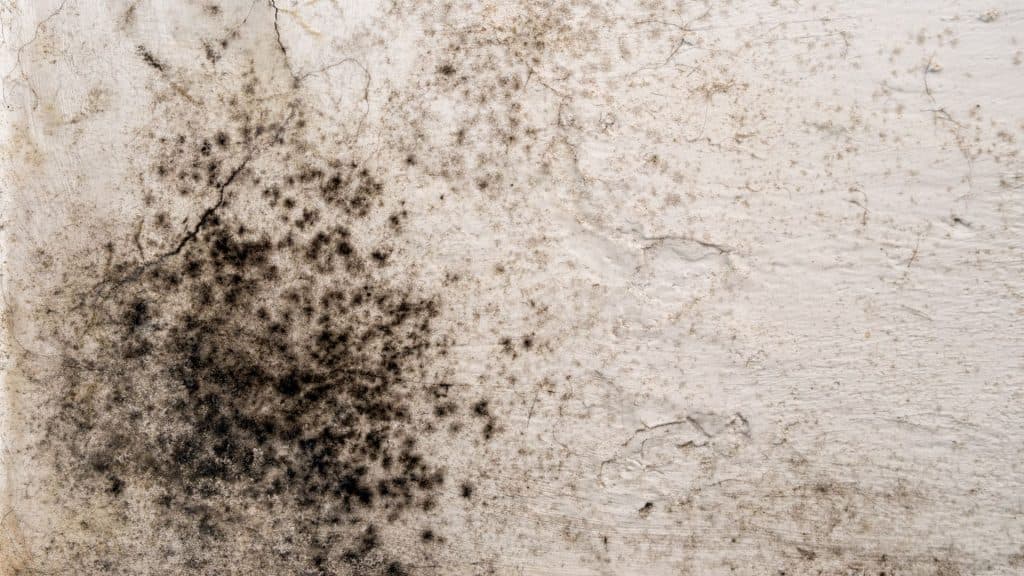
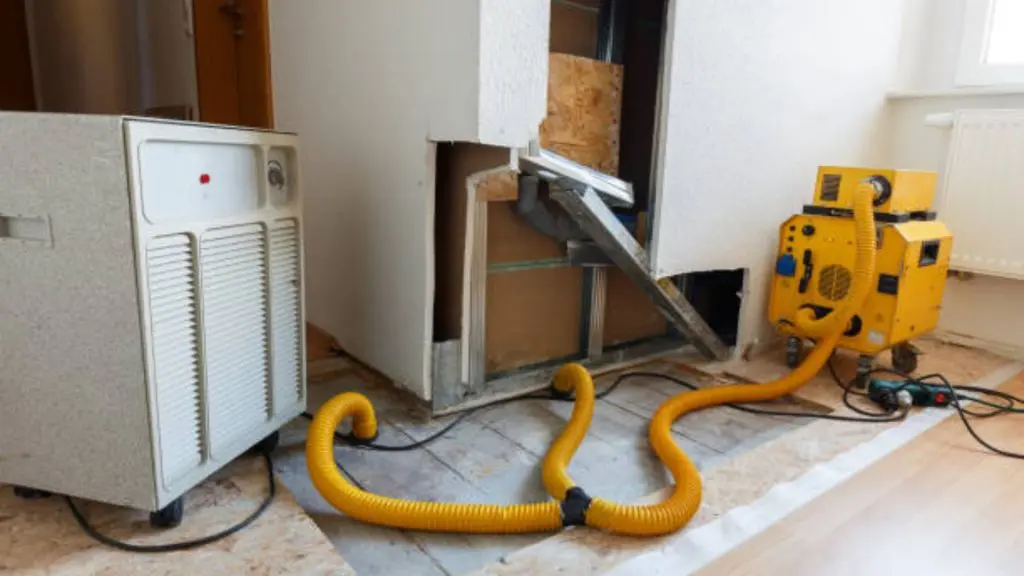
The water used to extinguish a fire often leaves behind significant damage of its own. It soaks into flooring, walls, and furnishings, and if it is not dried quickly and thoroughly, it creates ideal conditions for mold. Addressing this water damage is an essential part of fire recovery.
Fire Damage Cleanup Process
Professional fire damage cleanup follows a structured process that addresses each type of damage in turn.
1. Emergency Board Up
Damaged windows, doors, and other openings are secured to protect the property from weather, animals, and intruders. This early step prevents further loss while the restoration work is planned and carried out.
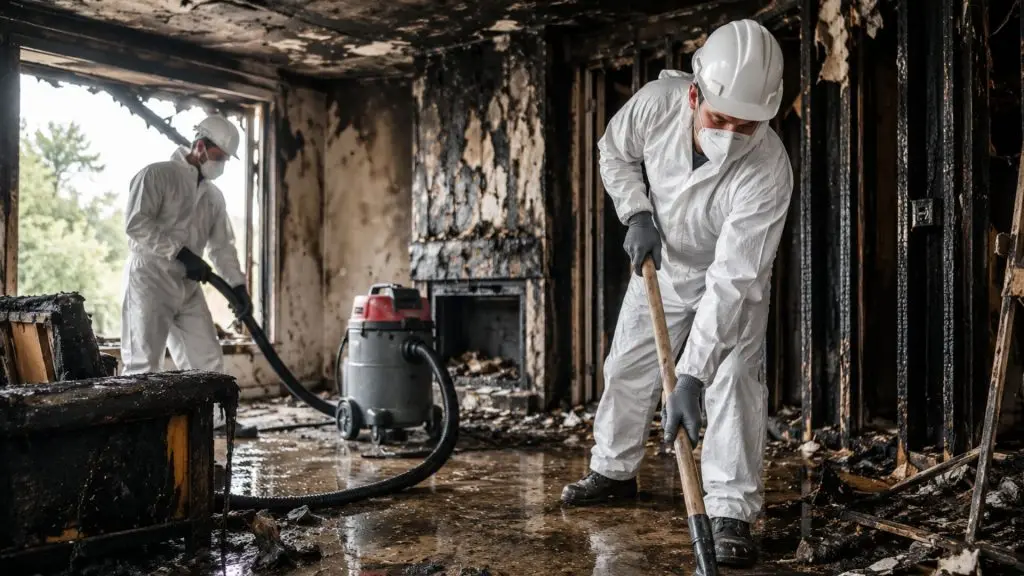
2. Debris Removal
Charred materials, ash, soot covered items, and unsalvageable belongings are cleared away to prepare the space for thorough cleaning and repairs. Removing debris also makes it easier to assess the true extent of the damage.
3. Smoke Odor Removal
Professionals use specialized equipment and techniques to neutralize smoke odors at the source rather than simply masking them with fragrances. Because smoke penetrates deep into materials, effective odor removal requires the right tools and expertise.
4. Restoration and Repairs
Finally, the property is cleaned, repaired, and restored, returning it to a safe and livable condition. This may include rebuilding damaged areas, repainting, replacing materials, and restoring belongings where possible.
Why Professional Cleanup Is Important
Fire damage affects much more than what is visible on the surface. Soot, smoke residue, lingering odors, and water from firefighting efforts can create complex challenges that require specialized knowledge and equipment to address properly.
- Safely remove soot and smoke residue from affected surfaces.
- Prevent further damage caused by corrosive soot deposits.
- Eliminate persistent smoke odors that penetrate walls, flooring, furniture, and personal belongings.
- Detect and address hidden water damage left behind after firefighting efforts.
- Use specialized cleaning methods for different materials and types of fire residue.
- Restore salvageable contents and structural components whenever possible.
- Reduce health risks associated with soot particles, smoke contaminants, and mold growth.
- Ensure the property is thoroughly cleaned, dried, and restored to a safe condition.
Professional restoration teams have the training, equipment, and experience to manage every stage of the recovery process. Their comprehensive approach helps ensure that fire, smoke, and water damage are fully addressed, allowing homeowners to focus on moving forward while their property is restored properly and safely.
How Professionals Restore Belongings After a Fire
A house fire can damage much more than the structure itself. Smoke, soot, and water often affect furniture, clothing, documents, electronics, and treasured personal items. Professional restoration teams use specialized techniques to evaluate and recover as many belongings as possible, helping homeowners preserve items that may seem beyond repair.
- Assess the condition of affected contents and determine what can be restored.
- Remove soot and smoke residue using specialized cleaning methods.
- Clean and deodorize furniture, clothing, and household items.
- Restore documents, photographs, and other important records when possible.
- Address water damage caused by firefighting efforts to prevent further deterioration.
- Use advanced odor removal techniques to eliminate lingering smoke smells.
- Carefully inventory and document damaged items for insurance purposes.
- Identify belongings that can be salvaged and those that may require replacement.
- Handle sentimental and valuable possessions with care throughout the restoration process.
Content restoration is often one of the most meaningful parts of fire recovery. By combining specialized equipment with proven restoration methods, professionals can help save cherished belongings and provide homeowners with clear guidance on what can be recovered and what may be beyond restoration.
Frequently Asked Questions
How soon should fire damage cleanup begin?
Cleanup should begin as soon as the property is declared safe, because soot and smoke residue grow more damaging and harder to remove over time.
What is soot and why is it harmful?
Soot is a fine, oily residue left by smoke that can be corrosive to surfaces and harmful to breathe. It requires careful, specialized removal.
Can smoke odors be removed completely?
With professional equipment and techniques, smoke odors can be neutralized at the source rather than simply covered up, restoring fresh air to your home.
Does fire damage restoration include water damage cleanup?
Yes. Restoration typically addresses the water used to fight the fire, including extraction and thorough drying to prevent mold and further damage.
Will insurance cover fire damage restoration?
Coverage depends on your specific policy, so it is worth reviewing your terms and documenting all damage carefully. Many policies cover fire related losses.
Restore Your Property After Fire Damage
Recovering from a fire involves much more than repairing visible damage. Smoke, soot, lingering odors, and water used to extinguish the fire can continue to affect your property long after the flames are gone. The sooner the cleanup and restoration process begins, the better the chances of minimizing secondary damage and preserving your home or business.
Professional fire damage restoration addresses every aspect of recovery, from debris removal and smoke cleanup to odor elimination and structural repairs. With the right expertise and equipment, restoration professionals can help return your property to a safe, clean, and comfortable condition as quickly as possible.
If your Hutchinson property has experienced fire damage, turn to FreshCo Cleaners for trusted restoration services. Contact our team today to request a fast, free quote and take the first step toward restoring your property and peace of mind.