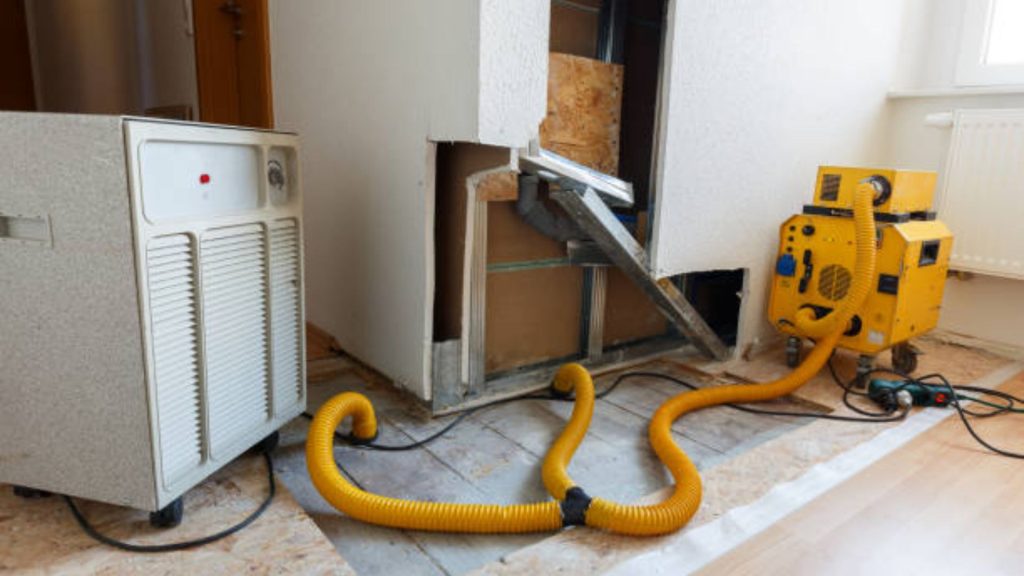















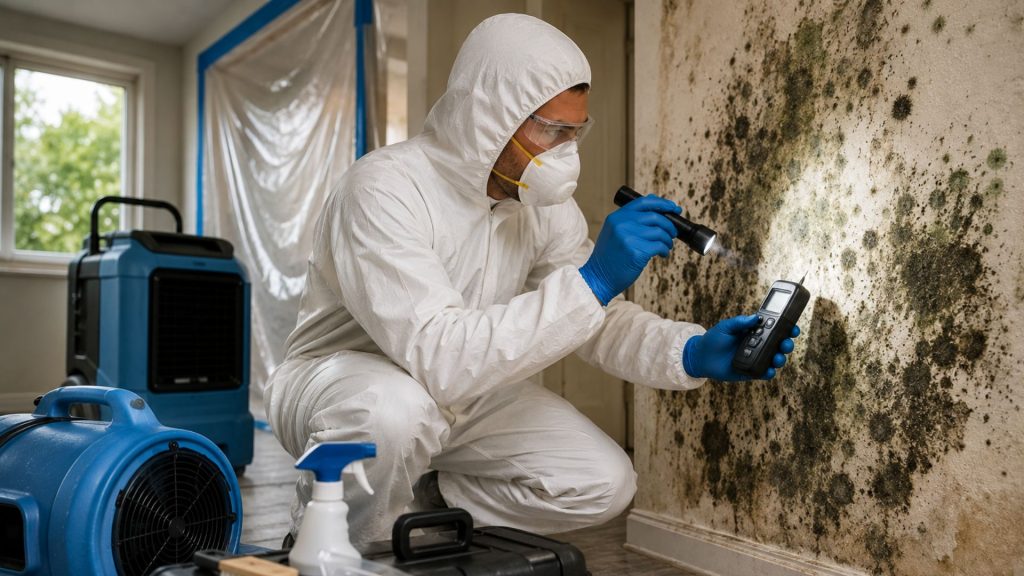
Mold is not always easy to spot. It can grow behind walls, under floors, inside HVAC systems, and in other hidden spaces while the visible parts of your home look perfectly fine. That is what makes hidden mold such a common and frustrating concern for Hutchinson property owners. You may sense that something is off without being able to find the source.
Testing matters because it removes the guesswork. It confirms whether mold is present, identifies the type, and reveals growth you cannot see with the naked eye. Instead of wondering whether that musty smell or recurring symptom means trouble, you get clear answers that guide the right response. Knowing when to call in experts helps you address a mold problem before it grows into a larger and more expensive one.
This guide covers the signs that you may have mold, what testing reveals, the situations that call for professional help, and how the removal process works.
Signs You May Have Mold
Mold often hides, but it tends to leave clues. Recognizing these signs helps you decide when testing is worthwhile.
1.Odors
A persistent musty smell is one of the clearest signs of mold, even when no growth is visible. The odor comes from the compounds mold releases as it grows. If a room, closet, or basement consistently smells stale no matter how often you clean, mold may be hiding nearby.
2.Visible Growth
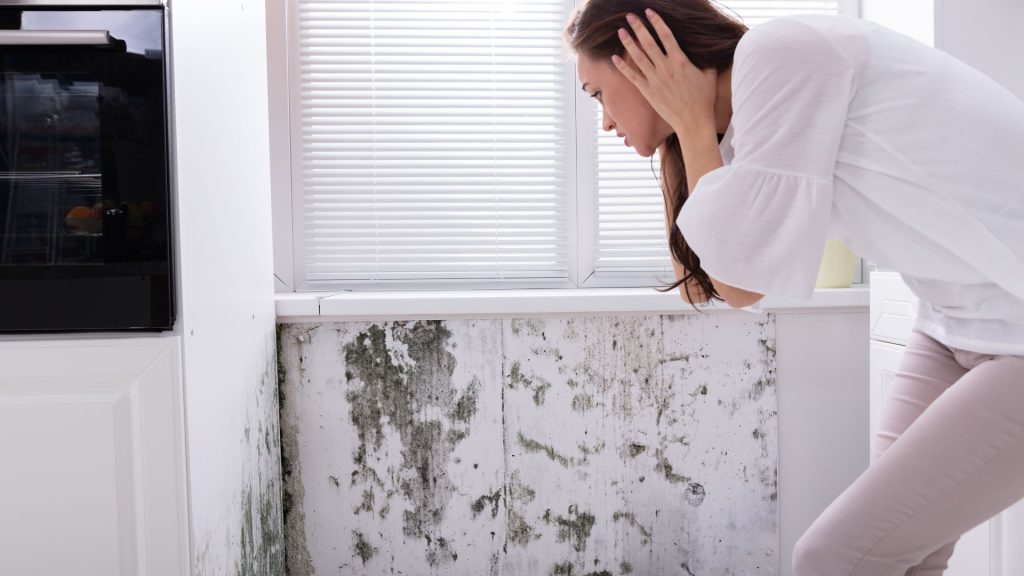
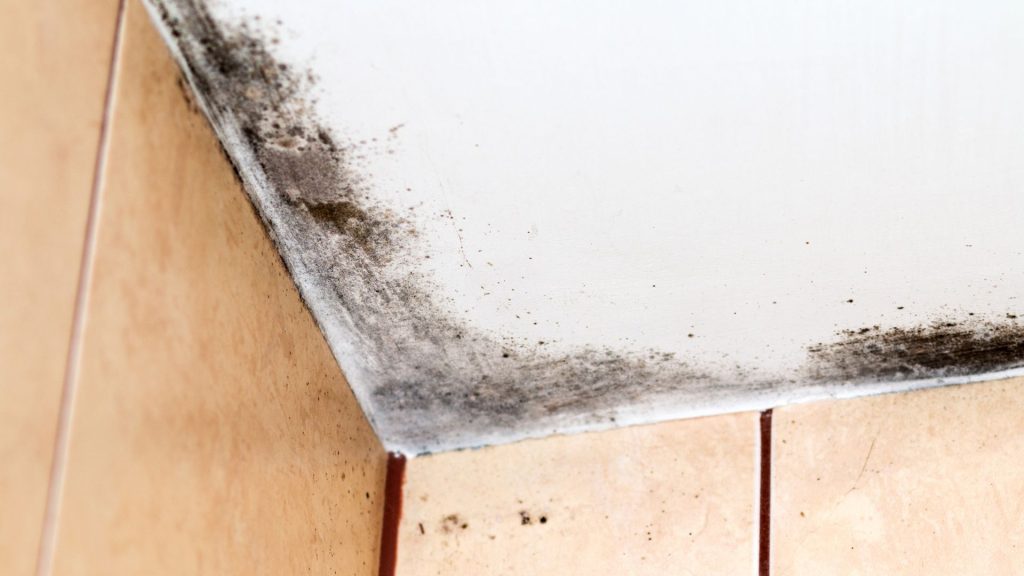
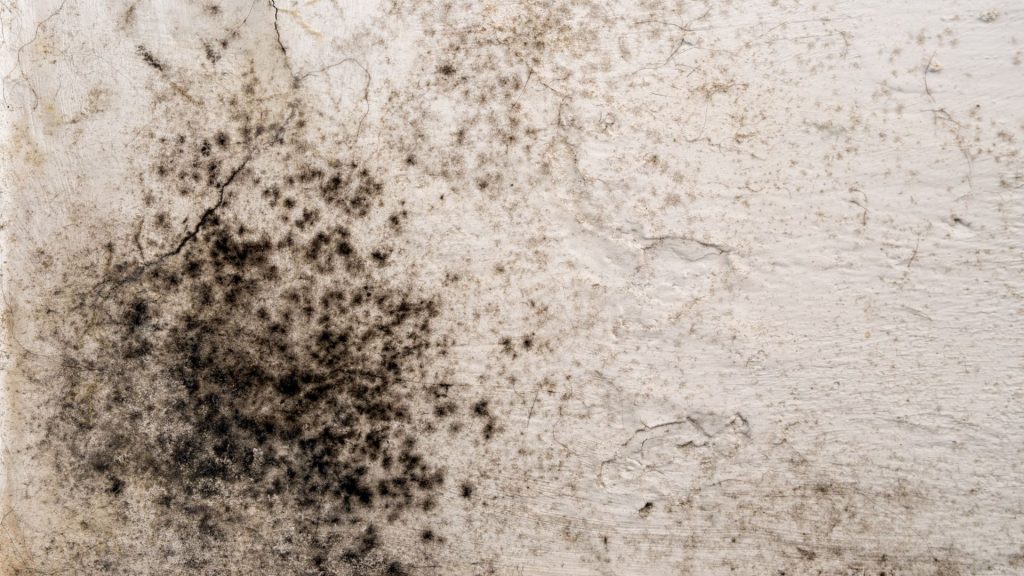
Spots or patches of green, black, brown, or gray growth on walls, ceilings, around windows, or in damp areas are obvious indicators that need attention. Even small visible patches can signal a larger problem behind the surface.
3.Recent Water Damage
Any past flooding, leak, or moisture problem significantly raises the risk of mold, especially if materials were not dried thoroughly and quickly. If your home has experienced water damage, staying alert for mold is a wise precaution.
What Mold Testing Reveals
Testing provides information that visual inspection alone cannot, giving you a complete understanding of the situation.
1. Mold Type Identification
Testing identifies the specific type of mold present, which helps professionals plan the safest and most effective removal approach. Different molds behave differently, so knowing what you are dealing with guides the right strategy.
2. Hidden Growth Detection
Testing and inspection uncover mold growing in places you cannot see, such as behind walls, under flooring, and inside cavities. This ensures the full scope of the problem is understood before removal begins, so nothing is left behind to cause future issues.
Situations That Require Professional Help
While minor surface mold on a hard surface can sometimes be cleaned, certain situations clearly call for professional testing and removal.
Large Infestations
Widespread mold is difficult and unsafe to handle alone. Large infestations require professional containment, removal, and disinfection to prevent spores from spreading throughout the property during cleanup. Trying to tackle a big problem yourself often makes it worse.
Recurring Mold Problems
If mold keeps coming back after you clean it, the underlying moisture source has not been resolved. Professionals can find and fix the root cause, breaking the cycle that allows mold to return again and again.
Health Concerns
If anyone in the home experiences ongoing allergy symptoms, respiratory irritation, or other health issues that seem tied to being indoors, professional testing and removal help protect their wellbeing. Health concerns are a strong reason not to delay.
Mold Removal Process
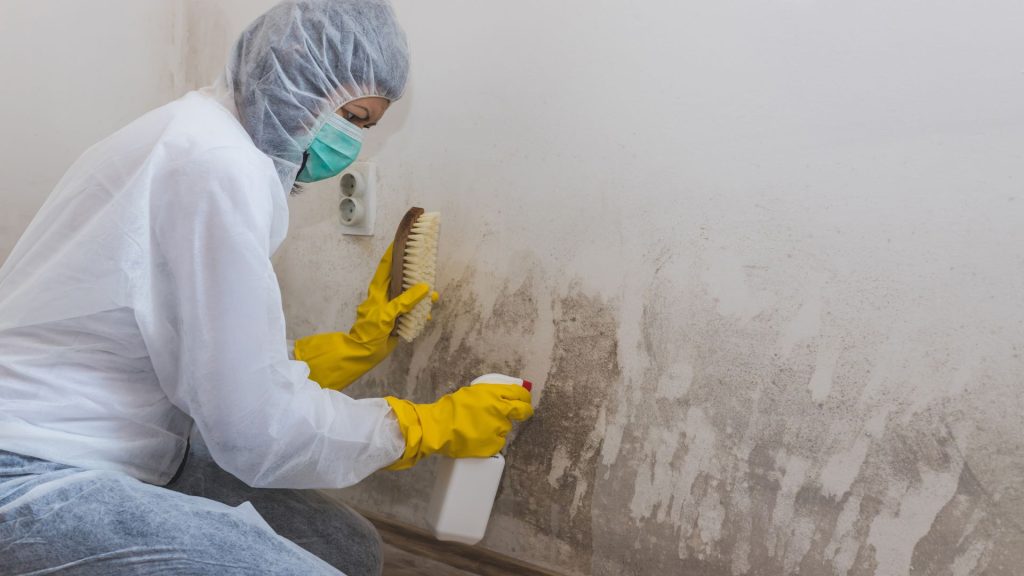
Professional mold remediation is a comprehensive process designed to eliminate existing mold and address the conditions that allowed it to grow. By combining thorough removal with moisture control measures, remediation specialists help ensure long-term results rather than a temporary fix.
- Conduct a detailed inspection to identify mold growth and locate moisture sources.
- Perform testing when needed to determine the extent and type of contamination.
- Contain affected areas to prevent mold spores from spreading throughout the property.
- Use specialized equipment and protective measures to safely remove contaminated materials.
- Clean and treat salvageable surfaces with professional-grade antimicrobial products.
- Remove mold residue from affected building materials and contents.
- Thoroughly dry the area to eliminate lingering moisture.
- Repair leaks, improve ventilation, or implement humidity control measures as needed.
- Verify that moisture issues have been addressed to reduce the risk of future growth.
The effectiveness of professional mold remediation comes from addressing both the mold itself and the underlying moisture problem. This dual approach helps create a healthier indoor environment and provides lasting protection against recurring mold issues.
What to Expect During a Professional Mold Inspection
A professional mold inspection is thorough and methodical. Technicians examine the areas where mold is most likely to grow, including spaces behind walls, under flooring, around plumbing, and inside HVAC systems.
Using a systematic approach and specialized equipment, inspectors can identify moisture problems, locate mold growth, and determine the scope of remediation that may be needed.
- Inspect areas where mold commonly develops, including basements, crawl spaces, attics, bathrooms, and kitchens.
- Examine walls, ceilings, flooring, and other building materials for visible signs of mold growth.
- Look for water stains, discoloration, and evidence of past or ongoing moisture intrusion.
- Check around plumbing fixtures, appliances, and roof penetrations for hidden leaks.
- Evaluate HVAC systems and ductwork for mold growth and moisture accumulation.
- Use moisture meters and other specialized tools to detect dampness hidden behind surfaces.
- Collect air or surface samples when testing is recommended to identify mold types and contamination levels.
- Assess the extent of the problem and identify conditions contributing to mold growth.
- Provide findings and recommendations for remediation, moisture control, and prevention.
This thorough process helps ensure that no significant mold issues are overlooked. By identifying both the mold and its underlying cause, a professional inspection provides a clear roadmap for effective treatment and long-term prevention.
Why Early Mold Testing Saves Money
Identifying mold in its early stages can significantly reduce the cost and complexity of remediation. A small mold issue is typically much easier to address than a widespread infestation that has had time to spread through building materials and hidden areas of the property.
- Detects mold problems before they become extensive and costly.
- Reduces the amount of contaminated material that may need to be removed or replaced.
- Helps prevent damage to drywall, flooring, insulation, and structural components.
- Identifies moisture sources early so repairs can be made before additional damage occurs.
- Minimizes disruption to daily life by addressing the problem before it spreads.
- Lowers overall remediation costs by limiting the scope of cleanup and restoration work.
- Helps protect indoor air quality and occupant health before contamination worsens.
- Provides peace of mind by confirming whether mold is present and how serious the issue is.
For Hutchinson property owners, investing in professional mold testing early can help avoid the far greater expense of extensive remediation and repairs later. Taking action at the first signs of a problem is often the most cost-effective way to protect both your property and your long-term peace of mind.
Protecting Indoor Air Quality
One of the most important reasons to address mold is its effect on the air you breathe. As mold grows, it releases spores that circulate throughout the home, often through the HVAC system, and these spores can reduce indoor air quality and affect health.
Professional testing and removal help restore cleaner, healthier air by identifying and eliminating the source. For families in Hutchinson, especially those with young children, older adults, or anyone with allergies or asthma, maintaining good indoor air quality is well worth the effort of timely mold testing and removal.
Frequently Asked Questions
When should mold testing be performed?
Testing is wise when you notice musty odors, visible growth, or after any water damage, and whenever recurring symptoms suggest hidden mold may be present.
What does mold testing involve?
Testing involves inspecting the property and collecting samples to identify the type and extent of any mold present, giving you a clear picture of the situation.
Is visible mold always a sign of a larger problem?
Visible mold can signal a bigger hidden issue, since what you see on the surface is often only part of the total growth behind it.
Can mold affect indoor air quality?
Yes. Mold releases spores that circulate through the air and can reduce indoor air quality and affect the health of those in the home.
How often should a property be inspected for mold?
Periodic inspections are helpful for properties with past mold issues, high humidity, or a history of water damage. Otherwise, inspect whenever warning signs appear.
Get Peace of Mind with Professional Mold Testing
When it comes to mold, guessing is never the best approach. Professional mold testing provides clear answers by confirming the presence of mold, identifying hidden growth, and helping determine the most effective remediation strategy. With accurate testing, property owners can address the root cause of the problem rather than relying on temporary solutions.
Early detection is one of the most important factors in successful mold remediation. Identifying mold before it spreads can help reduce property damage, protect indoor air quality, and lower the overall cost of cleanup and repairs. Delaying action often allows mold to expand into hidden areas, making remediation more complex and expensive.
If you suspect mold in your Hutchinson home or business, FreshCo Cleaners is here to help. Call or request a free quote today for professional mold testing and remediation services. Our team will help you identify the problem, eliminate mold at its source, and restore a healthier indoor environment.