














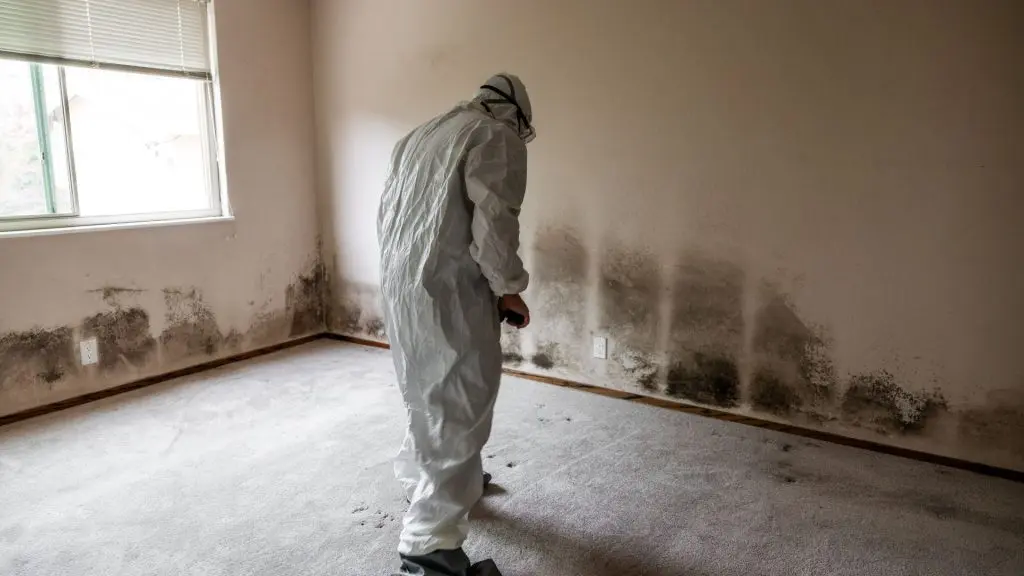
A mold inspection rarely tops the list of things buyers and sellers think about in a Hutchinson real estate deal, at least not until an inspector flags a musty basement or a water stain near the crawlspace access. Central Kansas homes often have basements, crawlspaces, or decades of freeze-thaw cycles working against the foundation, and that combination makes mold a realistic issue in a lot of local transactions, not a rare one.
This guide covers what a home mold inspection in Hutchinson, KS actually involves, why the timing matters for a sale or purchase, and how findings typically get handled once they’re on the table. It’s written for homeowners preparing to list a property, buyers reviewing an inspection report, and anyone else in Reno County trying to understand what happens between a mold finding and closing day.
What a Home Mold Inspection Actually Covers
A mold inspection is a focused look at a property for signs of active or past mold growth, along with the moisture conditions that tend to cause it. It’s a narrower service than a general home inspection, which covers systems like electrical, plumbing, and roofing but often only glances at moisture issues in passing.
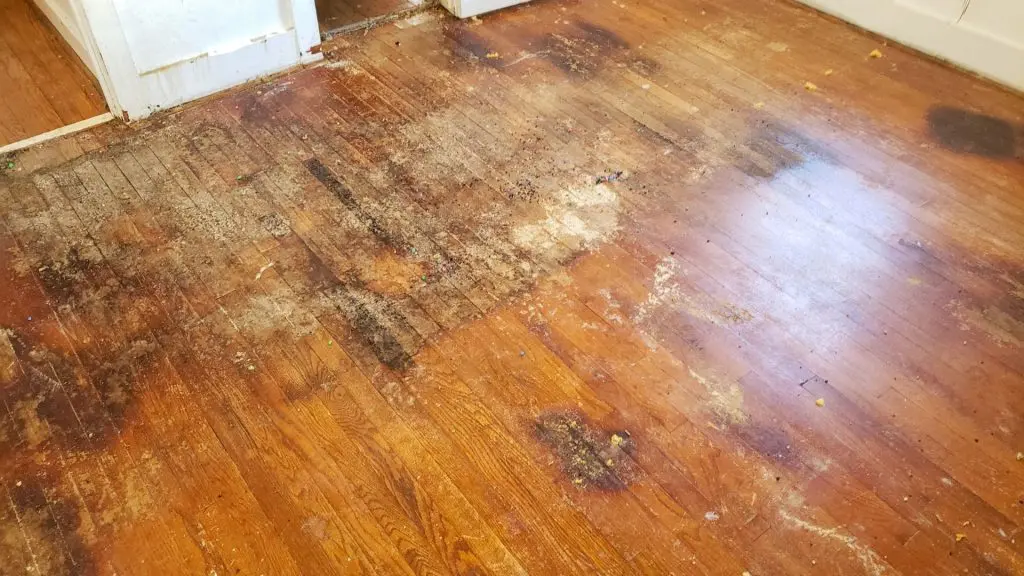
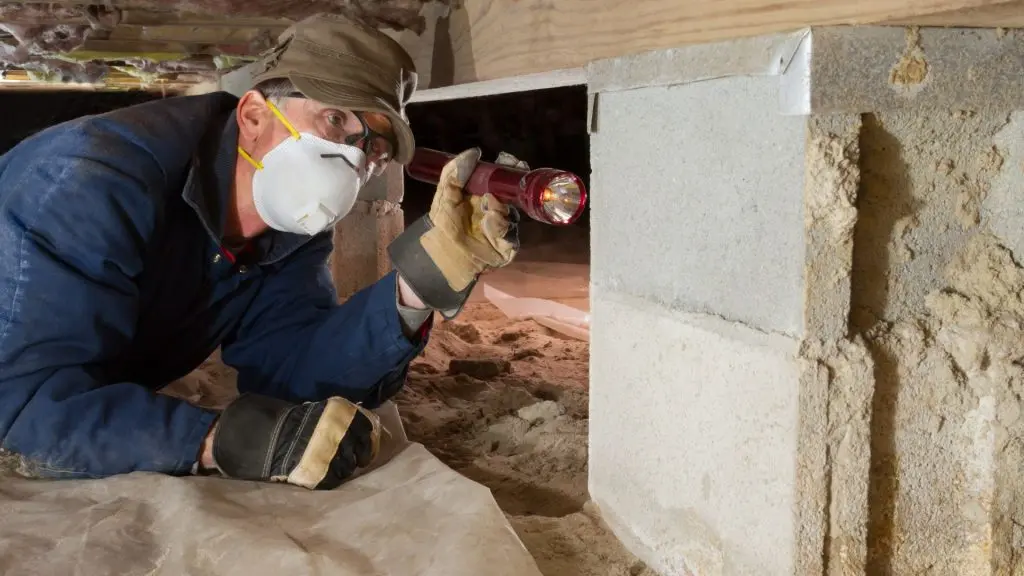
A typical inspection includes a visual walkthrough of areas prone to dampness, moisture readings taken with a meter on walls, floors, and framing, and a check of ventilation in bathrooms, attics, and crawlspaces. Depending on what the inspector finds, air sampling or surface sampling may be recommended to confirm whether a suspicious area is actually mold and, if so, what type.
In a real estate transaction, this inspection can be scheduled by either party. Some sellers order one before listing, alongside or instead of a general pre-listing inspection. Buyers more commonly schedule one during their contract’s inspection period, either as a stand-alone service or as a follow-up after a general home inspector flags a moisture concern. Either way, the report becomes part of the paper trail for the sale, which is worth keeping in mind when deciding how thorough to make it.
Visual Inspection vs. Mold Testing
A visual inspection identifies visible growth, staining, and moisture problems. Testing, whether air samples or surface swabs, goes a step further by confirming the presence and type of mold in a lab. Not every inspection needs testing. If there’s no visible growth and moisture readings come back normal, a visual inspection alone may be enough. Testing becomes more useful when there’s a musty smell without an obvious source, or when a buyer wants documentation before finalizing an offer.
Where Inspectors Typically Look
Inspectors focus on the areas where moisture collects and airflow is limited:
- Basements and crawlspaces, especially around foundation walls and sump pump areas
- Bathrooms, particularly around tubs, showers, and exhaust fans
- Attic spaces near roof penetrations and poorly ventilated soffits
- Areas around windows, especially older single-pane windows prone to condensation
- Laundry rooms and any spot near a past plumbing leak or water damage repair
Why This Matters More in Older Hutchinson Homes
Hutchinson has a mix of housing stock, but many homes in its established neighborhoods were built decades ago, often with basements or crawlspaces original to the property. Central Kansas’s climate adds to the picture: wet spring stretches followed by humid summers create the kind of moisture swings that, combined with an aging foundation or a slow leak nobody noticed, can support mold growth over time.
Foundation type plays a role too. Homes with full basements have more below-grade surface area exposed to groundwater and seasonal moisture than a home built on a slab, and older basements in particular may not have the vapor barriers or drainage improvements found in newer construction. Crawlspaces bring their own version of the same issue, since a vented crawlspace can pull in humid outside air during Kansas summers, and a poorly sealed one can trap it.
None of this means every older Hutchinson home has a mold problem. It does mean that a home mold inspection is a reasonable step to build into the timeline of a sale or purchase here, rather than something to skip because the house “looks fine.”
Should I Get a Mold Inspection Before Selling My Home?
In most cases, yes, especially if your home is older, has a basement or crawlspace, or has ever had a water leak or flooding event. A pre-listing mold inspection lets you address any issues on your own terms, before a buyer’s inspector finds them and turns it into a negotiation.
Getting ahead of it also gives you time to get quotes, schedule remediation if needed, and document that the issue was resolved, which can matter to a buyer later in the process. Sellers who wait until a buyer’s inspection surfaces a problem usually have less time and less leverage to handle it well.
Buying a Home in Hutchinson? Mold Testing Protects You Too
Buyers have just as much reason to care about mold as sellers, arguably more, since they’re the ones who’ll be living with whatever is found or missed. A general home inspection may note visible mold or moisture staining, but it typically won’t include lab testing or a detailed assessment of air quality.
For buyers, a mold inspection is worth considering when:
- The home has a basement, crawlspace, or slab with a history of moisture issues
- The listing mentions past water damage, flooding, or a sewage backup
- You notice a musty smell during a showing that the seller can’t explain
- The home has been vacant for an extended period, which can allow moisture problems to go unnoticed
- You’re buying an older home where the HVAC, roofing, or plumbing hasn’t been recently updated
A mold inspection contingency can be added to a purchase contract in many cases, giving buyers the option to request repairs, a price adjustment, or in some situations, to walk away if the findings are serious enough. A local real estate agent can advise on how to structure that contingency for a Kansas purchase agreement.
How Mold Findings Can Affect a Real Estate Transaction
Finding mold during a transaction doesn’t automatically derail it, but it does usually open a conversation. How that conversation goes often depends on the severity of the finding, how it’s documented, and how early it comes up.
Negotiating Repairs, Credits, or Price Adjustments
When mold is identified before closing, buyers and sellers typically work through one of a few paths: the seller has the mold professionally remediated before closing, the seller offers a credit so the buyer can handle remediation after closing, or the purchase price is adjusted to reflect the cost of the work. Which option makes sense depends on the scope of the problem and how both sides want to handle timing.
This is general information, not real estate or legal advice. Kansas disclosure requirements and how a mold finding should be handled in your specific contract are questions for your real estate agent or a real estate attorney, since the right approach can vary by situation.
It also helps to separate cosmetic mold from a structural or air-quality concern before deciding how to negotiate. A small patch on a bathroom ceiling tied to a fan that never got installed correctly is a very different conversation than mold tied to a foundation crack or a chronic crawlspace moisture problem. Getting a clear scope from whoever performed the testing, rather than relying on a general estimate, usually leads to a smoother negotiation for both sides.
Timing an Inspection Around Your Contract
For buyers, scheduling a mold inspection early in the option or inspection period gives more room to negotiate before deadlines close in. For sellers, getting an inspection done before listing avoids surprises mid-contract and gives you time to remediate on a normal schedule instead of an urgent one. Either way, waiting until the last few days before closing to raise a mold concern rarely works in anyone’s favor.
What Happens After a Positive Mold Finding
If testing confirms mold, the next steps generally follow a similar pattern, no matter which side of the transaction is arranging the work:
- Identify and fix the moisture source. Mold keeps coming back if the underlying leak, condensation, or humidity problem isn’t addressed first.
- Contain and remove the affected material. Drywall, insulation, and other porous materials with mold growth typically need to be removed rather than just cleaned.
- Clean and treat the remaining surfaces. Non-porous surfaces are cleaned and treated to remove spores and prevent regrowth.
- Verify the work. A follow-up inspection or clearance test confirms the area is back within normal levels before it’s closed back up.
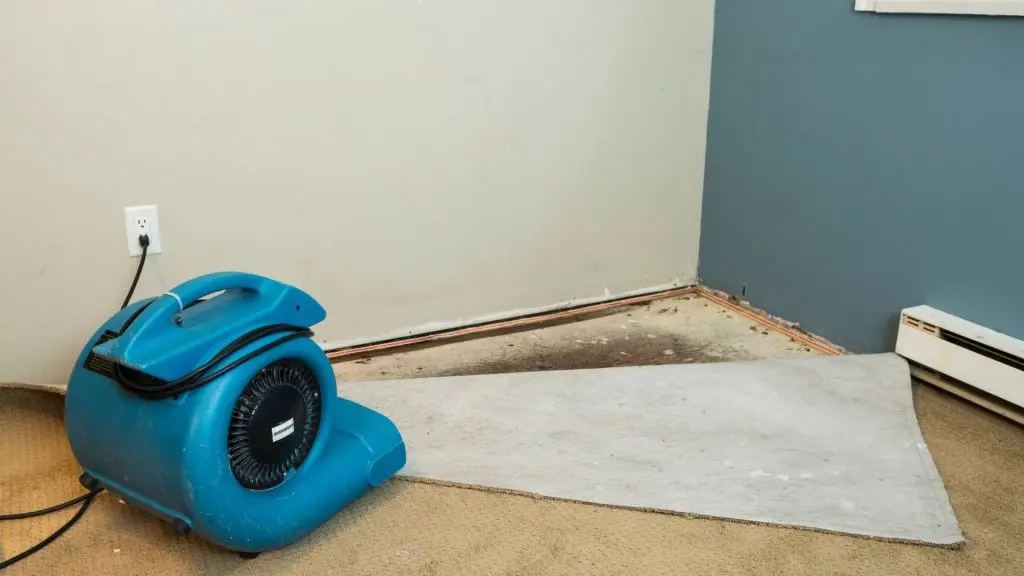
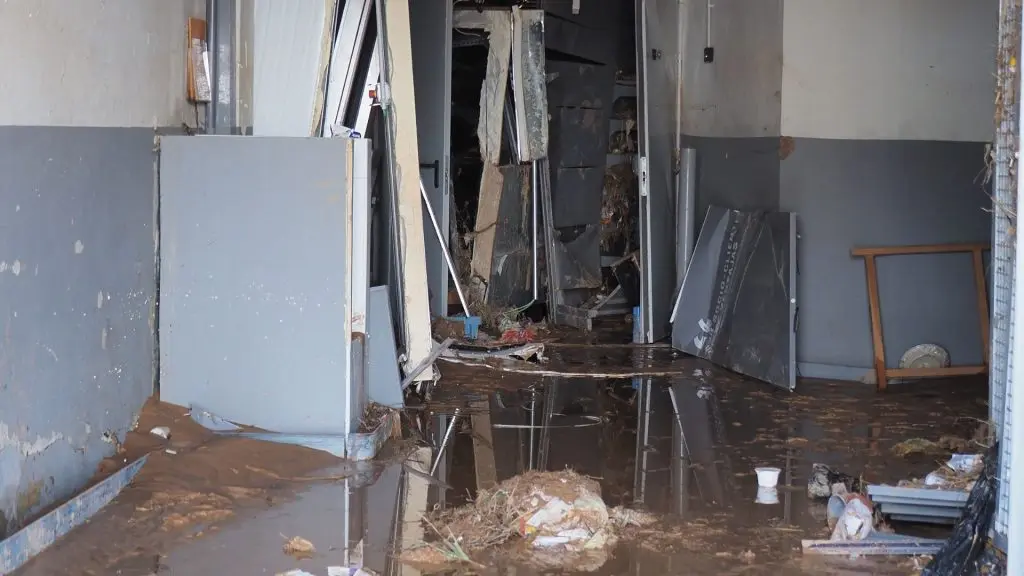
Mold problems and water damage are closely connected, since standing water, slow leaks, and even a past sewage cleanup can all leave behind the moisture that mold needs to grow. If an inspection turns up water damage alongside mold, addressing both at the same time, rather than patching one and ignoring the other, is usually what keeps the problem from resurfacing.
Scheduling a Mold Inspection in Hutchinson with FreshCo
FreshCo Cleaning & Restoration provides mold testing and mold remediation services for homeowners, buyers, and sellers throughout Hutchinson and Reno County. If you’re preparing to list a property, reviewing an inspection report on a home you want to buy, or you’ve simply noticed a musty smell or past water damage restoration work you want checked, reach out before your closing date puts you on a tight timeline. FreshCo also handles water damage restoration and fire damage cleanup for Hutchinson homeowners, along with sewage cleanup, so the same team can address a moisture source and any related damage in one process instead of juggling separate contractors.
Frequently Asked Questions
How long does a home mold inspection take?
Most residential mold inspections take one to two hours, depending on the size of the home and how many areas need a closer look. If air or surface samples are collected, lab results typically add a few more days before a full report is ready.
Does homeowners insurance cover mold removal?
It depends on the cause. Mold resulting from a sudden, covered event, like a burst pipe, is more likely to be covered, while mold from long-term neglect or a slow leak often isn’t. Check your specific policy or ask your insurance agent, since coverage varies significantly between policies.
Can I still sell my Hutchinson home if mold is found?
Yes. A mold finding doesn’t stop a sale; it usually just means remediation, a credit, or a price adjustment gets worked into the negotiation. Many transactions with a mold finding still close on schedule once the issue is addressed or accounted for.
What’s the difference between mold testing and mold remediation?
Testing identifies whether mold is present and what type it is. Remediation is the actual removal and cleanup process. You don’t need remediation without a finding, and you don’t always need testing before remediation if the mold is clearly visible and the source is obvious.
Is a musty smell always a sign of mold?
Not always, but it’s worth investigating. A musty odor can also come from general dampness or poor ventilation without active mold growth. Either way, it usually points to a moisture issue worth addressing before it becomes a bigger one.
How much does a mold inspection cost in Hutchinson, KS?
Cost varies based on the size of the property, whether sampling is included, and how many areas need testing. Contact FreshCo directly for a quote based on your specific property and timeline.