














A flooded basement can turn into thousands of dollars in structural and mold damage within 48 hours if it isn’t handled correctly. Homeowners across Hutchinson and Reno County deal with this more often than most people realize, especially in neighborhoods with older homes built with block or poured concrete foundations that were never designed for today’s heavier rain events. This guide walks through exactly what to do in the first hour after you discover water in your basement, how a professional water damage restoration process works, and what to expect from insurance so you’re not caught off guard.
Whether the water came from a summer thunderstorm, a failed sump pump, or a cracked foundation wall, the steps below apply. If you’re standing in a wet basement right now, skip to the “What to Do First” section below.
Why Basements Flood in Hutchinson Homes
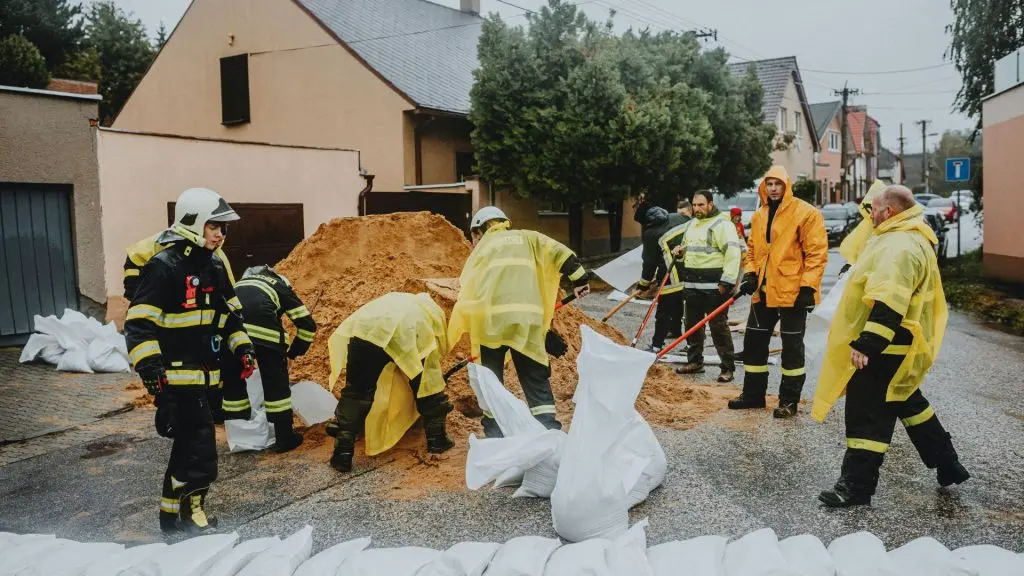
Central Kansas gets hit with sudden, heavy downpours, particularly in spring and early summer, that can dump a few inches of rain in under an hour. That kind of rainfall overwhelms storm drains and saturates soil faster than it can absorb, and water finds the lowest point of the property: the basement. Reno County’s clay-heavy soil compounds the problem because it drains slowly and expands when saturated, putting extra pressure on foundation walls.
A lot of Hutchinson’s housing stock was also built decades ago, before modern waterproofing membranes and foundation drainage systems were standard. Older mortar joints, aging window wells, and foundations that have settled over the years all create easy entry points for water once the ground around them gets saturated.
Common Causes of Basement Flooding
Basement flooding in this area typically traces back to one of these:
- Heavy or prolonged rainfall that overwhelms grading and drainage around the foundation
- A sump pump that fails, loses power, or simply can’t keep up with the volume of water
- Cracks in the foundation wall or floor slab that let groundwater seep in
- Window wells that fill with water and leak through the window frame
- A municipal sewer line backup that pushes wastewater up through basement drains
- A burst or leaking pipe inside the home
Knowing the cause matters because it changes how the water is categorized and how the restoration team approaches drying and sanitizing the space.
What to Do First
If your basement is flooding right now, the first move is to get everyone out of standing water and cut power to the area at the breaker panel if you can reach it safely without stepping in water. Do not enter a flooded basement if the water is touching outlets, extension cords, or any electrical equipment, and never touch a breaker panel with wet hands or while standing in water.
Once the area is safe, here’s the order of operations:
1. Turn off electricity to the basement at the main panel, if it can be reached safely from dry ground.
2. Identify the water source if possible. If it’s a supply line or water heater, shut off the water main.
3. Avoid contact with the water until you know its source. Water from a sewer backup or outside floodwater can carry bacteria and should be treated as contaminated until a professional confirms otherwise.
4. Take photos and video of the water level, affected belongings, and any visible damage before you move or remove anything. This documentation matters for your insurance claim.
5. Call a water damage restoration company right away. The clock matters here, standing water and elevated humidity create conditions for mold growth within 24 to 48 hours.
6. Contact your homeowners insurance provider to start the claims process while restoration is getting underway.
Move any items you can safely lift, like boxes, furniture legs, or rugs, off the wet floor and onto blocks or a dry surface to slow further damage while you wait for help to arrive.
The Professional Water Damage Restoration Process
Once a restoration crew is on site, the work follows a sequence designed to remove water fast, dry the structure completely, and prevent secondary damage like mold or wood rot.
Inspection and Water Extraction
The first step is assessing how far the water traveled and what category it falls into, clean water, gray water, or contaminated black water, since that determines what can be salvaged and what needs to be removed. Technicians then use truck-mounted or portable extraction equipment to pull standing water out of the space as quickly as possible. The faster water is removed, the less it has a chance to soak into drywall, subfloor, and framing.
Drying and Dehumidification
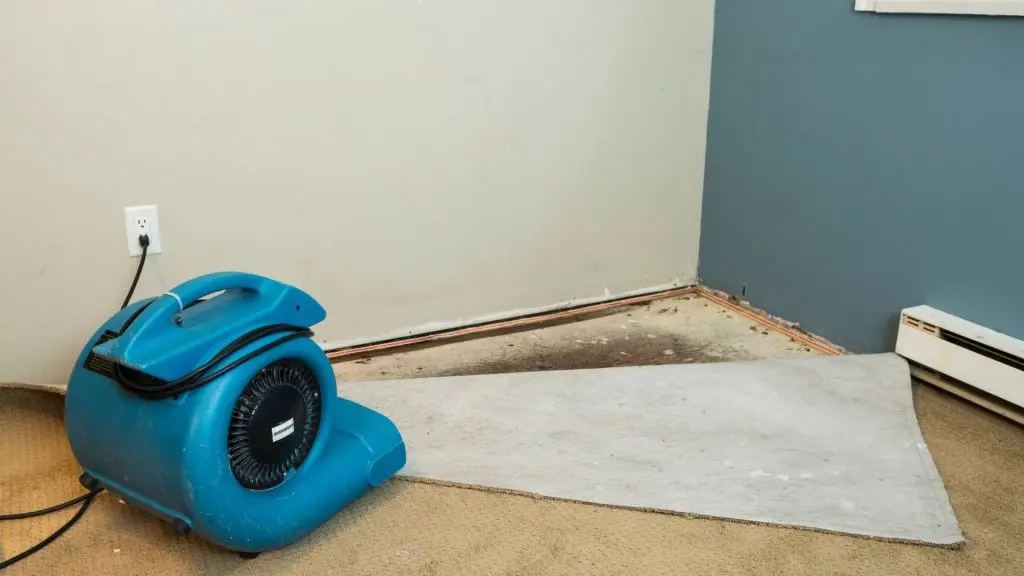
After extraction, the real work of drying begins. Industrial air movers get positioned to circulate air across wet surfaces, while commercial dehumidifiers pull moisture out of the air to keep humidity from settling back into materials that have already started to dry. Technicians use moisture meters throughout this stage to track how much water remains inside walls, flooring, and framing, rather than guessing based on how things look or feel. Drying typically follows documented industry standards (IICRC S500 guidelines) and continues until moisture readings return to normal, not just until the space looks dry on the surface.
Cleaning, Sanitizing, and Mold Prevention
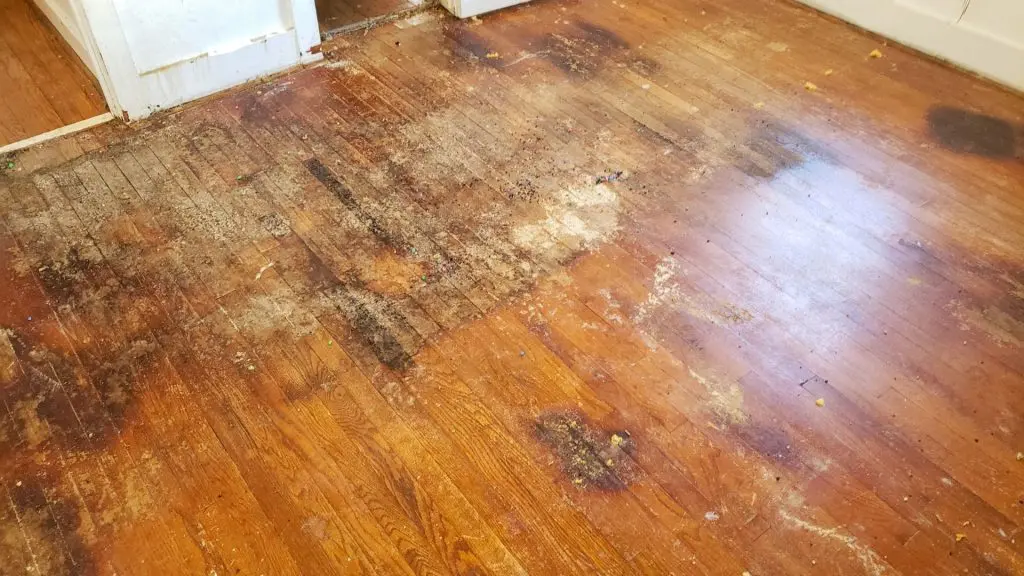
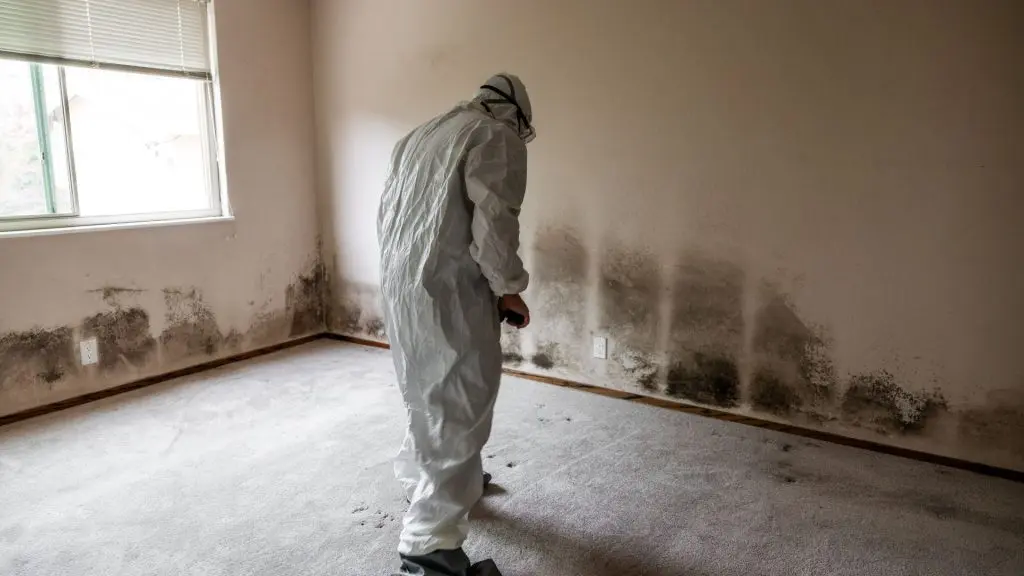
Once materials are dry, surfaces get cleaned and treated with antimicrobial products to stop mold and bacteria from taking hold, especially in cases involving sewage or groundwater intrusion. Porous materials that absorb contaminated water, like carpet padding or drywall that was in contact with black water, often need to be removed rather than dried, since they can hold onto bacteria even after the surface looks clean. If mold has already started growing before the restoration team arrives, that’s a separate process handled through mold testing and remediation.
Repairs and Restoration
The final phase covers whatever rebuilding the flood required, from replacing drywall and baseboards to reinstalling flooring. A good restoration company will walk you through what’s being replaced and why, and can typically work directly with your insurance adjuster to keep documentation aligned with your claim.
When a Basement Flood Involves Sewage
A basement flood caused by a sewer backup is a different situation than one caused by rainwater. Sewage carries bacteria, viruses, and other pathogens, which is why the water damage restoration industry classifies it as Category 3, or black water. This type of flooding isn’t a DIY cleanup situation. Contact with sewage-contaminated water can cause illness, and materials it soaks into often need to be removed and replaced rather than dried and reused. If you smell sewage or notice water backing up through a floor drain or basement toilet, treat it as contaminated immediately and keep people and pets away from the area until professionals arrive.
Insurance Considerations After a Basement Flood
Insurance coverage for basement flooding depends heavily on the cause and your specific policy, so it’s worth a direct conversation with your agent rather than assuming either way. Standard homeowners insurance often excludes damage from external flooding, meaning water that enters from rising groundwater or surface runoff, but many policies do cover sudden and accidental water damage from things like a burst pipe or failed appliance. Sewer backup coverage is frequently a separate add-on or rider that isn’t automatically included.
Because coverage varies so much, the documentation you gather in those first minutes, photos, videos, and a written timeline of what happened, becomes important if you need to make a claim. Ask your restoration company whether they can provide a moisture log and drying report for your file, since adjusters often ask for that level of detail.
Preventing Future Basement Flooding in Hutchinson
A few maintenance habits go a long way toward keeping the next heavy rainstorm from turning into a repeat flood:
- Test your sump pump before storm season and consider a battery backup in case the power goes out during a storm, which is often when you need the pump most.
- Extend downspouts so they carry water at least several feet away from the foundation instead of letting it pool near the walls.
- Check the grading around your home and fill in low spots that direct water toward the foundation rather than away from it.
- Inspect window wells for cracked covers or clogged drains, and clear debris before spring rains arrive.
- Seal visible foundation cracks early, since small cracks tend to widen over time as the ground shifts with wet and dry cycles.
If your home has had repeated flooding issues, it may point to a larger foundation drainage problem worth having evaluated rather than patched year after year. Small, recurring puddles after every heavy rain usually aren’t a coincidence, they’re a sign the water has an established path into the basement, and that path tends to get worse rather than better on its own.
It’s also worth walking the perimeter of your home after any major storm this season. Look for new pooling near the foundation, gutters that are pulling away from the roofline, or soil that has eroded away from a downspout extension. Catching these small changes early is usually far cheaper than dealing with another flooded basement later.
If your basement has flooded, FreshCo Cleaning & Restoration provides water damage restoration for homeowners throughout Hutchinson and the surrounding area, including sewage cleanup when a backup is involved. Reach out as soon as you discover standing water, before mold has a chance to set in, and a crew can get started on extraction and drying right away.
Frequently Asked Questions
Is it safe to clean up a flooded basement myself?
It depends on the water source and how much of it there is. A small amount of clean water from a minor leak may be manageable with a wet vac and fans, but anything involving standing water, sewage, or water that’s been sitting for more than a few hours is safer left to professionals. Contaminated water and hidden moisture inside walls or flooring aren’t always obvious, and missing them can lead to mold growth weeks later.
How long does the water damage restoration process take?
Extraction usually happens within the first day, but drying a basement completely typically takes three to five days, sometimes longer depending on how much water was involved and what materials absorbed it. Repairs and rebuilding, if needed, are a separate phase that depends on the extent of the damage.
Will homeowners insurance cover basement flood damage in Hutchinson, KS?
It depends on your policy and the cause of the flooding. Sudden damage from a burst pipe or appliance failure is often covered, while damage from external flooding or groundwater is frequently excluded unless you carry separate flood insurance. Sewer backup coverage is usually a separate rider. Check directly with your insurance agent about what your specific policy includes.
How can I tell if mold is growing after a basement flood?
Common signs include a musty odor, visible discoloration on walls or flooring, or allergy-like symptoms that worsen when you’re in the basement. Mold can also grow inside walls or under flooring where it isn’t visible, which is why a professional mold inspection is worth scheduling if your basement stays wet for more than a day or two.
How fast should I call a professional after my basement floods?
As soon as it’s safe to do so. Mold can begin developing within 24 to 48 hours in a wet, humid environment, so the sooner extraction and drying start, the better the chances of saving flooring, drywall, and belongings that would otherwise need to be replaced.