











A burst pipe, an overflowing water heater, or a roof leak after a Kansas thunderstorm all start the same way: water where it doesn’t belong, spreading into flooring, drywall, and framing before most homeowners even finish making the first phone call. The water damage restoration process in Hutchinson, KS follows a specific sequence of steps, each one building on the last, and skipping or rushing any of them is usually what turns a manageable cleanup into a mold problem months later.
This guide walks through what actually happens between the moment water intrudes and the point a restoration crew calls a space fully dry, so Hutchinson and Reno County homeowners know what to expect and why each stage matters. FreshCo Cleaners handles water damage restoration throughout Hutchinson and the surrounding area, and the process below reflects how that work is actually done.
How Long Does Water Damage Restoration Take?
Most water damage restoration projects take three to five days for structural drying alone, once extraction is complete, though the full timeline depends on how much water intruded, what materials absorbed it, and how quickly the affected area was addressed after the water event. A small bathroom leak caught within a few hours might dry faster than that. A slow leak that soaked wall cavities and subfloor for days before discovery, or a larger loss involving multiple rooms, typically takes longer. The sections below cover what happens at each stage and the specific factors that push a project toward the shorter or longer end of that range.
Step 1: Emergency Contact and Initial Assessment
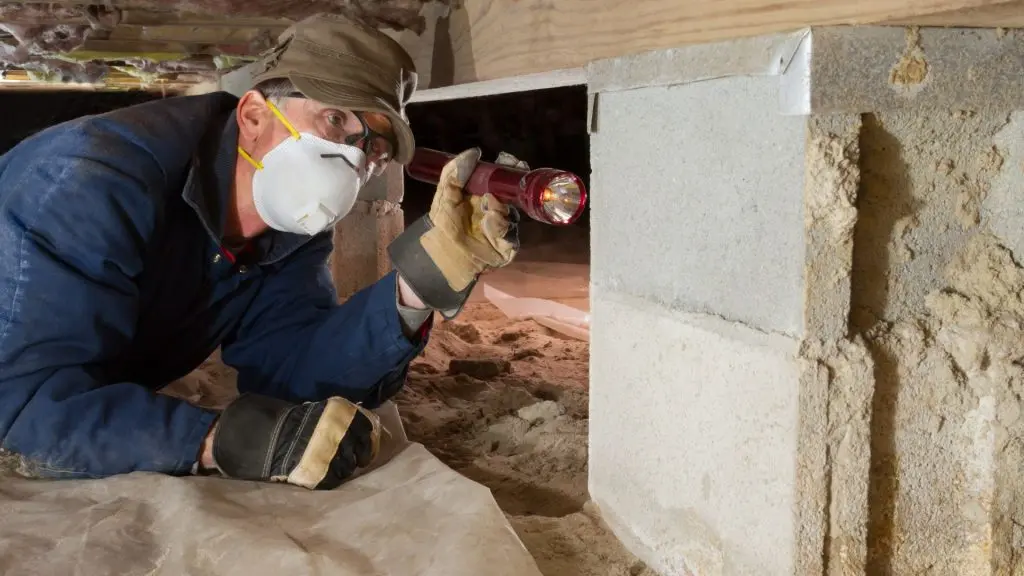
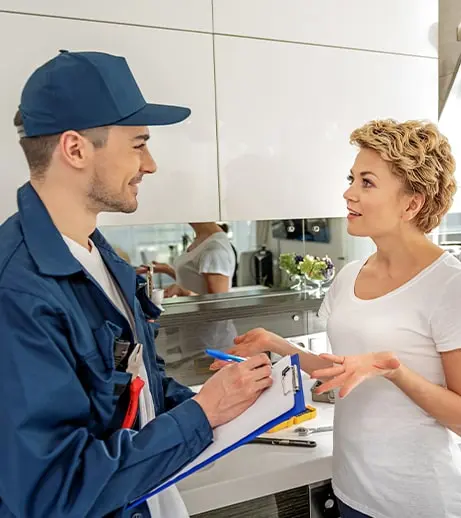
The first call after discovering water damage sets the timeline for everything that follows. A restoration technician needs to see the affected area before any equipment gets deployed, because the assessment determines the scope of extraction, which materials need to come out versus which can be dried in place, and how many air movers and dehumidifiers the space actually requires. FreshCo’s emergency response covers this initial walkthrough as soon as water damage is reported.
During the initial walkthrough, a technician typically checks:
- The source of the water and whether it has been stopped, such as a shut-off valve, a repaired roof section, or a resolved appliance failure
- How far the water traveled, including under flooring, behind baseboards, and into wall cavities
- Which materials have absorbed water and how saturated they are
- Whether the water has been standing long enough to raise concerns about mold growth already starting
Identifying the Water Category: Clean, Gray, or Black Water
Part of that initial assessment is classifying the water itself, since the category determines how the cleanup proceeds and what safety precautions apply.
- Category 1: clean water, comes from a sanitary source such as a supply line break or a malfunctioning appliance, and poses no immediate health risk. It can still cause serious structural damage the longer it sits, and it can degrade into Category 2 water if left untreated for more than a day or two.
- Category 2: gray water contains some contamination, such as water from a washing machine overflow, dishwasher discharge, or a toilet overflow with urine but no solid waste. It carries a higher risk of illness if contacted directly.
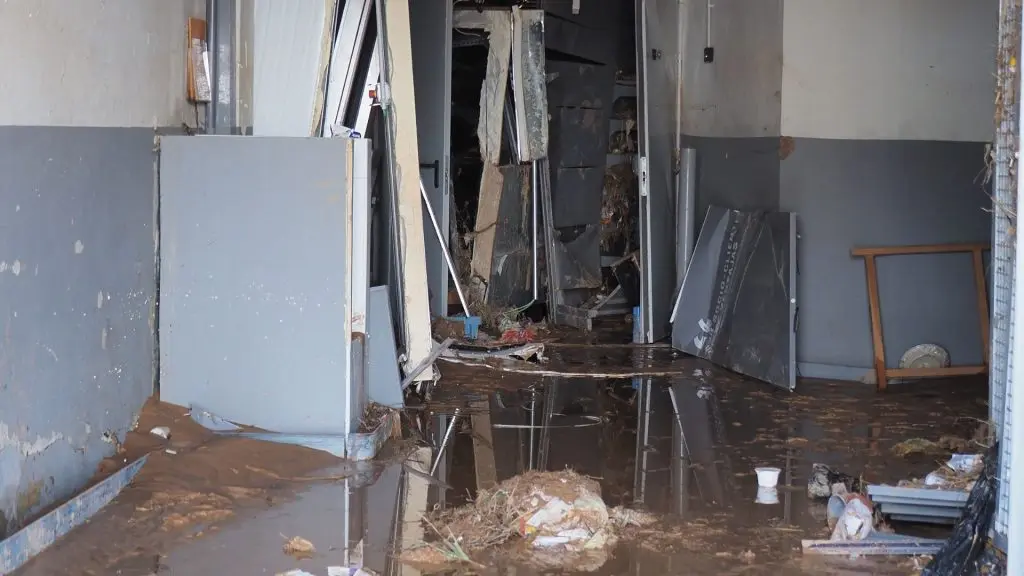
- Category 3: black water is grossly contaminated, coming from sewage backups, flooding from rivers or streams, or water that has been sitting long enough to support bacterial growth. It requires different handling, more protective equipment, and often the removal of any porous material it touches, since it can’t be fully sanitized.
Correctly identifying the category matters because it changes what gets dried versus discarded, and it isn’t something a homeowner can reliably judge by looking at the water. Sewage backups and long-standing water in particular get treated as Category 3 regardless of appearance.
Step 2: Water Extraction
Once the source is confirmed and the water is categorized, extraction begins. Standing water gets removed with pumps and industrial wet vacuums as quickly as possible, since every additional hour water sits on flooring or soaks into subfloor and drywall adds to both the damage and the eventual drying time.
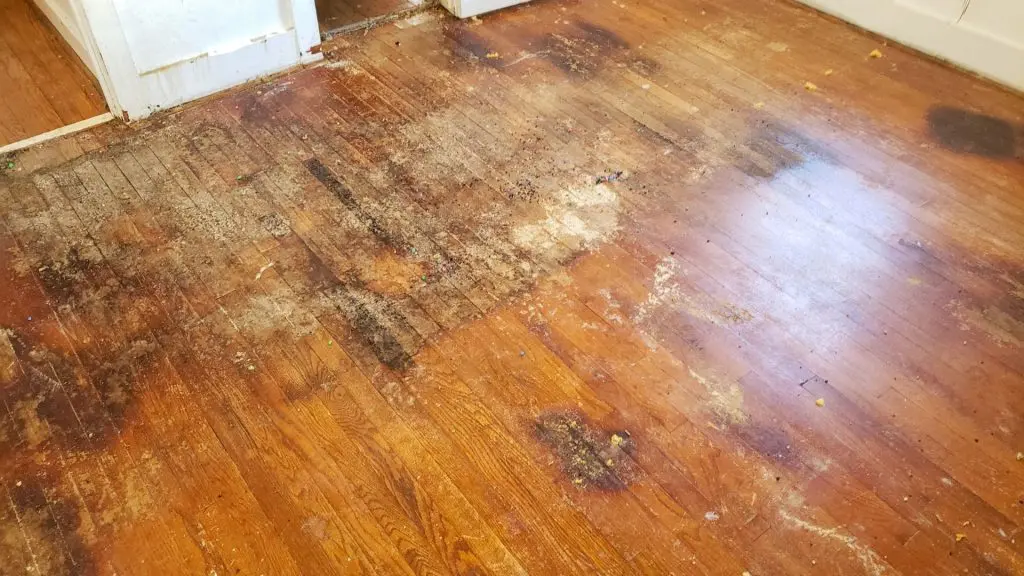
Extraction isn’t limited to what’s visible on the surface. Carpet padding typically holds far more water than the carpet itself and usually gets removed rather than dried, since padding rarely dries fully enough to prevent mold growth underneath. Hardwood and laminate flooring may need to come up in sections if water has gotten underneath it. Baseboards often get pulled to allow airflow into wall cavities where water has wicked upward.
Step 3: Structural Drying: The Science Behind Getting It Actually Dry
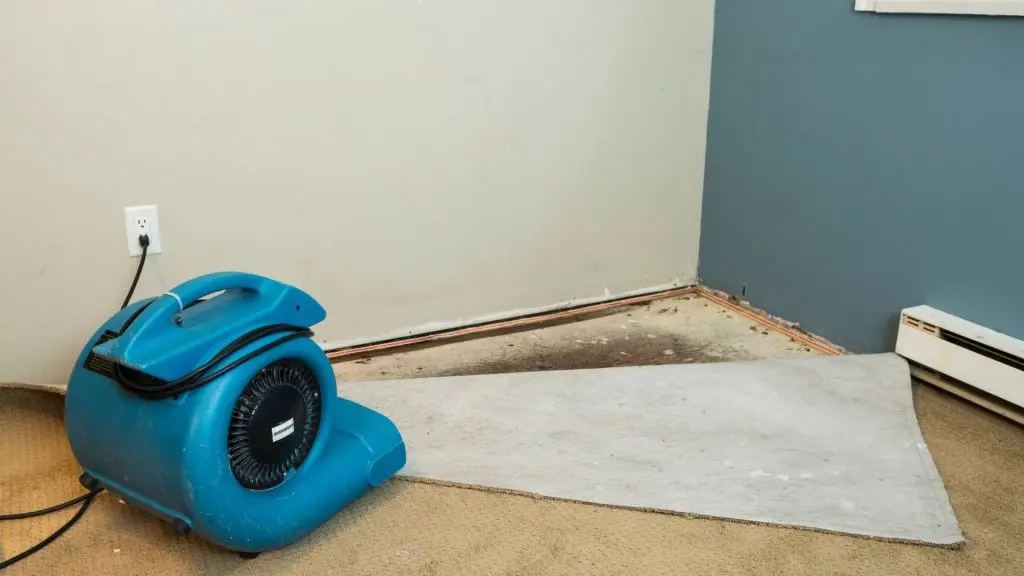
This is the stage that takes the longest, and the one where shortcuts cause the most problems later. A wall or subfloor can look and feel dry to the touch while still holding enough moisture inside the material to support mold growth for weeks. Structural drying relies on equipment and measurement, not visual inspection, to confirm a space is actually dry.
Air Movers
Air movers are high-velocity fans positioned to move air across wet surfaces, and they speed up evaporation by constantly replacing the humid air layer sitting against a wet wall or floor with drier air. Placement matters: air movers get angled to create a continuous airflow pattern across the room rather than pointed randomly, and the number of units used depends on the square footage and how much of the room’s surface area is wet.
Dehumidifiers
As air movers pull moisture out of building materials and into the air, that moisture has to go somewhere, or the room simply becomes humid without getting any drier. Dehumidifiers pull that airborne moisture out and collect or drain it away, working alongside air movers rather than replacing them. Running air movers without adequate dehumidification just recirculates humid air and slows the whole process down.
Moisture Meters and Why Documented Readings Matter More Than “Looks Dry”
A moisture meter measures the actual moisture content inside drywall, subfloor, framing, and other building materials, not just the surface. Restoration technicians take baseline readings in the affected area at the start of drying and compare them against readings from an unaffected area of the same home, then track daily readings until the wet materials reach a moisture level close to that unaffected baseline.
This documentation matters for two reasons. It’s the most reliable way to confirm a material is actually dry, since drywall and wood framing can feel and look completely normal on the surface while still holding water deep inside. It also creates a record that can matter for insurance purposes, showing when drying started, how it progressed, and when the space reached an acceptable moisture level.
What Affects How Long Drying Takes
A few different factors affect drying timelines:
- How much water intruded and how many materials it reached
- How long the water sat before extraction started
- The type of materials involved, since drywall and subfloor generally take longer than surfaces like tile or concrete
- Humidity and airflow in the space before equipment gets set up
- Whether water reached wall cavities or subfloor, which dry more slowly than exposed surfaces
- The category of water, since Category 2 and 3 water often require removing more material rather than drying it, which can shorten the drying phase but adds demolition and rebuild time
Water Damage Considerations Specific to Hutchinson and Reno County
Central Kansas adds a few conditions worth knowing about specific to Hutchinson and Reno County. Winter freeze-thaw cycles are a common cause of burst pipes in older homes, particularly in crawl spaces and exterior walls that aren’t as well insulated as the rest of the house.
Hutchinson’s humid summer months also affect the drying process itself: outdoor humidity is already elevated for much of the year, so dehumidifiers have to work harder to pull moisture out of the air than they would in a drier climate, and drying equipment gets sized accordingly rather than using a one-size-fits-all setup. Many homes in Hutchinson’s older neighborhoods also have plumbing and subfloor materials original to the house, which tend to hold moisture differently than newer construction and sometimes take longer to reach a documented dry reading.
What Happens to Materials That Can’t Be Saved
Not everything dries. Carpet padding, as mentioned above, is a near-universal removal. Drywall that has been saturated, especially near the floor where it wicks water upward, often gets cut out in a section rather than dried in place, both because saturated drywall loses structural integrity and because it’s difficult to fully dry and sanitize.
Insulation inside wall cavities that have absorbed water typically gets removed and replaced, since wet insulation loses its effectiveness and holds moisture against the framing behind it. Any porous material that contacts Category 3 water is generally removed rather than dried, regardless of how it looks, since that category of water can’t be fully sanitized out of a porous surface.
Preventing Mold After Water Damage
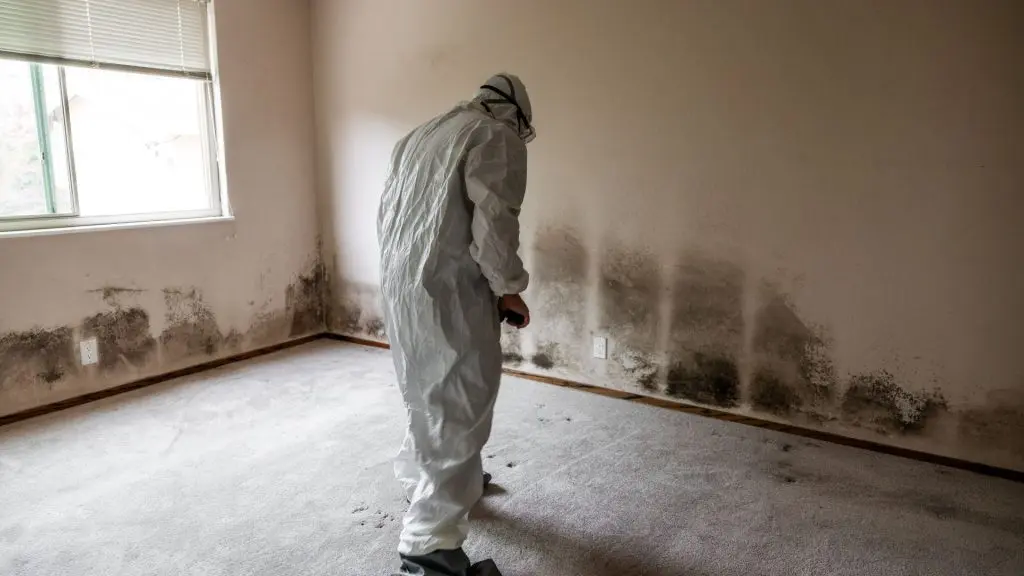
Mold can begin developing within 24 to 48 hours in materials that stay wet, which is part of why fast extraction and properly monitored drying matter as much as they do. Any water damage restoration process that skips documented moisture verification leaves open the possibility that mold starts growing behind a wall or under flooring that was assumed dry. If mold growth has already started by the time a restoration crew arrives, or shows up after drying is complete, that’s a separate process handled through mold testing and removal rather than structural drying alone.
Water Damage Restoration in Hutchinson, KS with FreshCo
FreshCo Cleaning & Restoration provides water damage restoration throughout Hutchinson and the surrounding Reno County area, from the initial assessment through extraction, monitored structural drying, and final verification. If your home has standing water from a burst pipe, appliance failure, roof leak, or sewage backup, the sooner the affected area is assessed and extraction starts, the more materials are typically salvageable and the shorter the overall drying timeline tends to be. Reach out as soon as you discover water damage, including outside normal business hours, rather than waiting to see whether it dries on its own.
Frequently Asked Questions
How can I tell if water damage in my home is Category 1, 2, or 3?
The source is the clearest indicator: a clean supply line or appliance break is typically Category 1, an overflow from a washing machine or dishwasher is typically Category 2, and anything involving a sewage backup, exterior flooding, or water that’s been sitting for more than a couple of days is treated as Category 3. A restoration technician confirms the category during the initial assessment rather than relying on how the water looks.
Is it safe to stay in my home during water damage restoration?
In most Category 1 and Category 2 situations affecting a single room, homeowners can typically remain in the house while drying equipment runs, though the affected room itself is usually off-limits while air movers and dehumidifiers are in place. Category 3 water, larger losses, or situations involving structural material removal may call for staying elsewhere temporarily; a technician can advise based on the specific scope of the damage.
Will my homeowners insurance cover water damage restoration?
Coverage depends on the source of the water and the specific policy, since sudden and accidental events like a burst pipe are commonly covered while gradual issues like a long-term slow leak may not be, and flooding from an outside water source typically requires separate flood coverage. Checking directly with the insurance provider and keeping documentation from the restoration process, including moisture readings, supports whatever claim gets filed.
What’s the difference between water damage restoration and mold remediation?
Water damage restoration addresses the water itself: extraction, structural drying, and verifying the space is dry. Mold remediation is a separate process for situations where mold has already started growing, whether from the current water event or a past one, and it involves testing, containment, and removal rather than drying equipment. The two are related but not the same service.
Can I run fans and a dehumidifier myself instead of calling a restoration company?
Consumer-grade fans and a household dehumidifier can help with a very minor, immediately addressed spill, but they don’t reach the same airflow volume as commercial air movers, and without a moisture meter there’s no reliable way to confirm subfloor, drywall, or framing are actually dry rather than just dry on the surface. For anything beyond a small, immediately cleaned-up spill, that gap is usually where hidden mold problems start.
How quickly does FreshCo respond to water damage calls in Hutchinson?
FreshCo prioritizes water damage calls given how quickly standing water spreads and how much extraction timing affects the rest of the drying process, and the company serves Hutchinson and the surrounding Reno County area directly.