














A pipe doesn’t have to burst for water to cause serious damage to a home. Most water damage starts small: a slow drip behind a dishwasher, a hairline crack in a foundation wall, condensation building up in a crawl space. By the time it’s obvious, the damage has often been spreading for weeks or months. For homeowners in Hutchinson, KS, catching these early warning signs is the difference between a quick fix and a full water damage cleanup project.
This guide walks through the subtle signs of hidden water damage, the spots in a home where it likes to hide, and what to do once you spot it. It’s written for homeowners who want to protect their property before a small leak turns into a mold problem or a structural repair.
What Are the First Signs of Water Damage?
The first signs of water damage are usually discoloration on walls or ceilings, a musty smell in a room, and flooring that feels soft or looks warped. These signs show up before any standing water is visible, which is why so many homeowners miss them until the problem has grown. If any of these show up in your home, it’s worth investigating right away rather than waiting to see if it gets worse.
Why Hidden Water Damage Is So Easy to Miss
Water doesn’t announce itself the way fire or wind damage does. It seeps into drywall, subfloors, and insulation, then works quietly behind the scenes. A slow leak under a bathroom vanity can soak into the subfloor for months before the cabinet finish even changes color. A roof leak near a chimney can travel several feet along a rafter before it shows up as a ceiling stain in a completely different room.
Because the damage is often out of sight, homeowners tend to notice the secondary effects, like a musty smell or a higher water bill, long before they notice actual water. Recognizing those secondary clues early is the key to catching hidden water damage before it spreads.
Subtle Warning Signs Inside Your Home
Discoloration and Staining on Walls or Ceilings
Yellow, brown, or copper colored patches on drywall or ceiling tile are one of the clearest signs that water has been present. These stains often start small and spread slowly, so a spot that seems minor today can be significantly larger in a few weeks. Pay close attention to stains that appear below bathrooms, near exterior walls, or under the roofline.
Warped, Buckled, or Soft Flooring
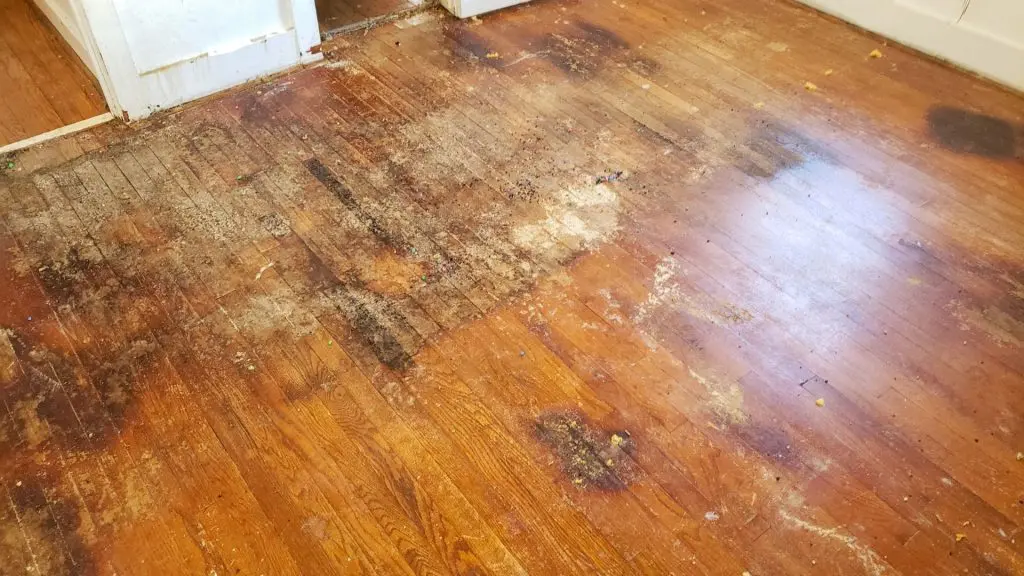
Hardwood that’s cupping or separating at the seams, laminate that’s bubbling, or carpet that feels damp or spongy underfoot are all signs that moisture has gotten underneath the surface. Tile floors can also hint at hidden moisture through cracked or loose grout lines, especially in bathrooms and laundry rooms.
Musty or Mildew Odors
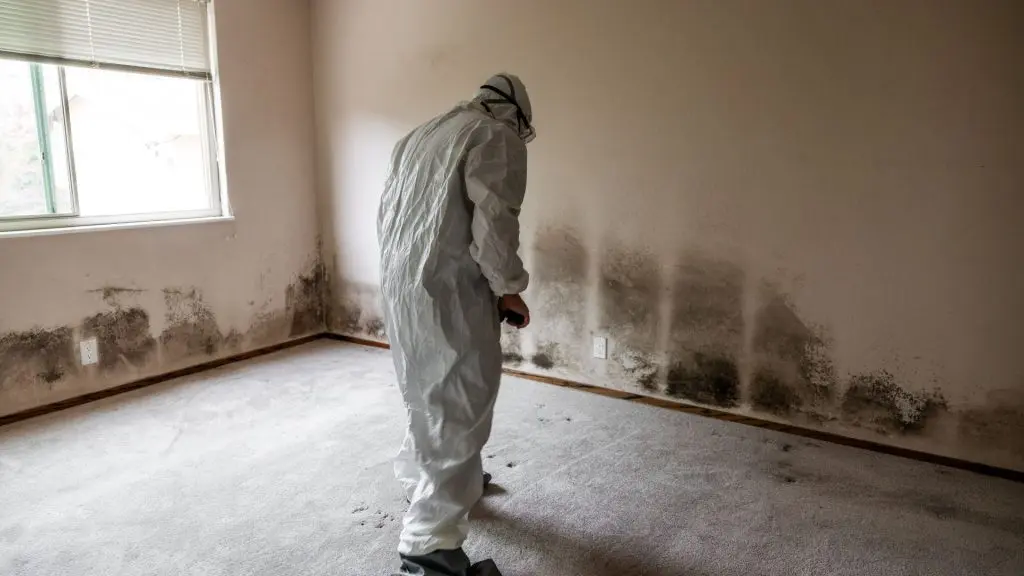
A persistent musty smell, even in a room that looks perfectly normal, is one of the most reliable signs of hidden moisture. That smell comes from mold and mildew starting to grow in damp materials like drywall, carpet padding, or wood framing. If the odor is stronger in one specific room or closet, that’s usually where the source is located.
Peeling Paint or Bubbling Wallpaper
Moisture trapped behind a wall pushes against paint and wallpaper from the inside, causing it to bubble, crack, or peel away from the surface. This is especially common around windows, exterior walls, and anywhere plumbing runs behind drywall.
Unexplained Increases in Your Water Bill
If your water bill climbs noticeably without a change in usage, a hidden leak somewhere in your plumbing system is a likely cause. Slab leaks and leaks inside walls can run for a long time without ever producing a visible puddle, so the utility bill is often the first real clue something is wrong.
Where to Check for Hidden Water Damage in Your Home
Behind Appliances and Under Sinks
Dishwashers, refrigerators with ice makers, washing machines, and water heaters are common sources of slow leaks. Pull appliances out periodically and check the flooring and cabinetry around them for softness, staining, or a musty smell.
Crawl Spaces and Basements
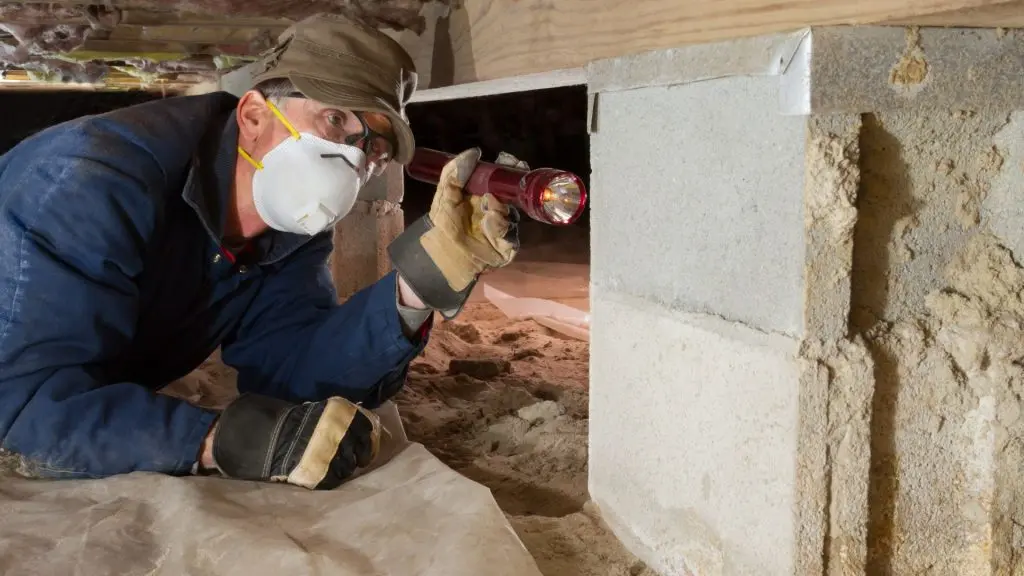
Central Kansas soil holds onto moisture, and homes with crawl spaces or basements are especially prone to trapped humidity, condensation on pipes, and minor seepage after heavy rain. Look for damp insulation, rust on metal fixtures, and any standing water, even small amounts, after storms.
Around Windows and Roof Lines
Check window sills, the drywall around window frames, and ceilings near the roofline after any significant rain or ice storm. Kansas weather swings between heavy spring rain and winter freeze-thaw cycles, both of which stress roofing, flashing, and window seals over time.
Attics and Roof Decking
Attics rarely get a second look until there’s an obvious leak, but they’re one of the most common places for hidden water damage to take hold. Check roof decking and rafters for dark staining, insulation that looks matted or compressed, and any daylight showing through the roof deck near vents, chimneys, or valleys. A small amount of trapped moisture in attic insulation can go unnoticed for an entire season, especially in areas of the home that aren’t visited often.
Why Hidden Water Damage Is a Bigger Problem Than It Looks
Water damage that goes unnoticed doesn’t stay contained. Within 24 to 48 hours, damp materials can start growing mold, which spreads through wall cavities and HVAC systems far beyond the original leak. Beyond the health concerns tied to mold exposure, prolonged moisture weakens wood framing, corrodes metal fasteners, and can eventually compromise subfloors, drywall, and even structural framing.
The longer a leak goes undetected, the more materials it touches, and the more expensive the eventual repair becomes. A stain that could have been addressed with a small patch and a dehumidifier can turn into torn-out drywall, replaced flooring, and mold remediation if it’s left alone.
There’s also a financial side to hidden water damage that’s easy to overlook. Insurance carriers often draw a distinction between sudden, accidental damage and damage caused by long-term neglect. A leak that’s allowed to run for months before anyone notices can be harder to get covered than one that’s caught and reported quickly, which is another reason early detection matters as much as the repair itself.
What to Do If You Find Signs of Hidden Water Damage
1. Find and stop the source. If it’s a visible leak, such as a supply line or drain, shut off the water to that fixture or the main shutoff valve if the source isn’t obvious.
2. Document what you see. Photos of stains, warped flooring, or damp materials are useful for insurance purposes and help track whether the damage is spreading.
3. Ventilate the area. Open windows and run fans to reduce humidity while you figure out next steps, but avoid using heat, which can encourage mold growth in damp materials.
4. Avoid disturbing suspected mold growth. Scrubbing or spraying visible mold can release spores into the air; it’s better to leave remediation to a professional once mold is confirmed.
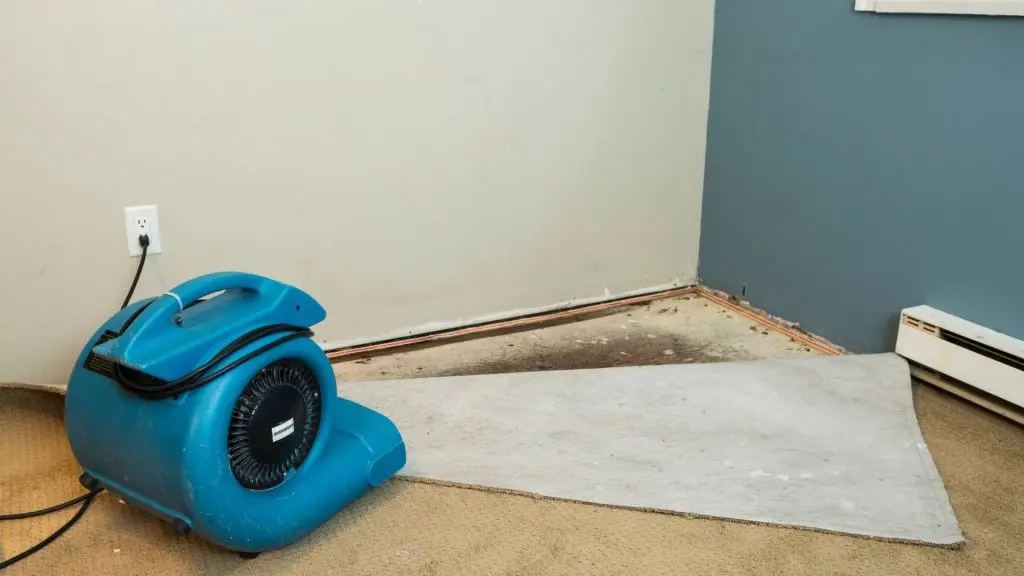
5. Call a restoration professional. A trained technician can use moisture meters and thermal imaging to find the full extent of the damage, including moisture that hasn’t reached the surface yet.
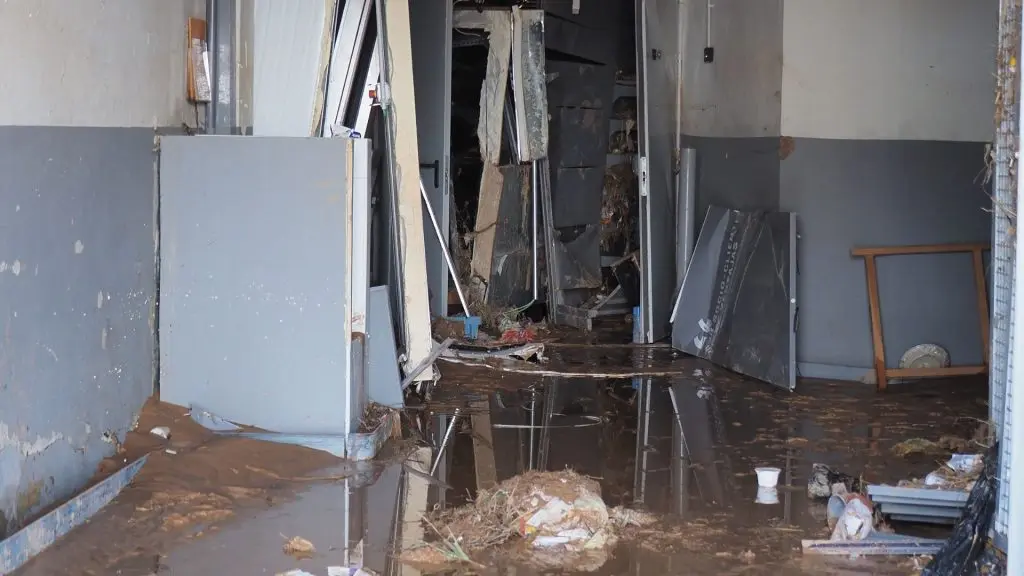
FreshCo Cleaning & Restoration offers water damage restoration services built around finding and drying out hidden moisture, not just the parts you can see. The team also provides professional water extraction for anything beyond a minor drip, and mold remediation if moisture has been sitting long enough to start a problem.
Why Hutchinson Homes Are Especially at Risk
Hutchinson sits in a part of Kansas that sees both heavy spring and early-summer storms and dry, windy stretches the rest of the year. That combination puts real stress on roofing, siding, and foundations as they expand and contract with the changing weather. Older homes throughout Reno County, many built with plumbing and roofing materials that have been in place for decades, are particularly susceptible to slow leaks that go unnoticed until they’ve caused real damage.
The area’s clay-heavy soil also plays a role. As soil expands with moisture and contracts during dry spells, foundations can shift slightly over time, which opens small gaps around basement walls, crawl space entries, and utility penetrations where water can work its way in. None of this means every Hutchinson home has a hidden leak, but it does mean regular checks are worth the time, especially in homes with a basement, crawl space, or a roof more than a few years old.
Homeowners who keep an eye on the areas covered above, especially after a hard rain or a stretch of freezing temperatures, are in a much better position to catch problems early.
When to Call FreshCo Cleaners
If you’ve noticed staining, a musty smell, soft flooring, or any of the other signs covered here, it’s worth having a professional take a look before deciding it’s nothing. FreshCo Cleaners serves Hutchinson, KS and the surrounding area with water damage cleanup, mold testing and removal, sewage cleanup, and fire damage restoration. The team is available for emergency response when a leak turns into an active problem, and can also assess non-urgent situations where you just want a second opinion on a stain or a smell that won’t go away. Reach out as soon as you notice a sign of hidden water damage. Catching it early is almost always faster and less disruptive than waiting until the damage is impossible to ignore.
Frequently Asked Questions
What are the first signs of water damage in a home?
The earliest signs are usually discoloration on walls or ceilings, a musty odor, and flooring that feels soft, spongy, or warped. These signs typically appear well before any standing water is visible, which is why they’re easy to miss during a normal walk-through of the house.
Can hidden water damage cause mold?
Yes. Mold can begin growing in damp materials within 24 to 48 hours of exposure to moisture, and it often starts inside wall cavities, under flooring, or in crawl spaces where it’s not immediately visible. By the time a musty smell is noticeable, mold growth has usually already started.
How do I know if a water stain on my ceiling is old or active?
An old, dry stain typically has a defined edge and won’t feel damp to the touch, while an active leak often has a soft or expanding border and may feel cool or moist. If you’re not sure, press gently on the stained area, and if it feels soft or gives at all, treat it as an active leak.
Will homeowners insurance cover hidden water damage repair?
Coverage depends on the cause of the damage and the specific policy, so it’s best to review your policy details or speak with your insurance agent directly. Sudden and accidental leaks are more commonly covered than damage from long-term neglect, which is another reason to address signs of hidden water damage as soon as you notice them.
How much does water damage cleanup cost in Hutchinson, KS?
Cost depends on how much water is involved, what materials are affected, and how long the moisture has been present before it’s addressed. A restoration company can give an accurate estimate after assessing the extent of the damage, which is usually more useful than a general price range.
Should I try to dry out water damage myself, or call a professional?
Minor surface moisture from something like a small spill can often be handled with fans and a dehumidifier. Anything involving flooring, drywall, insulation, a musty odor, or water from an unknown source is worth having a professional evaluate, since hidden moisture can be more extensive than it appears on th