














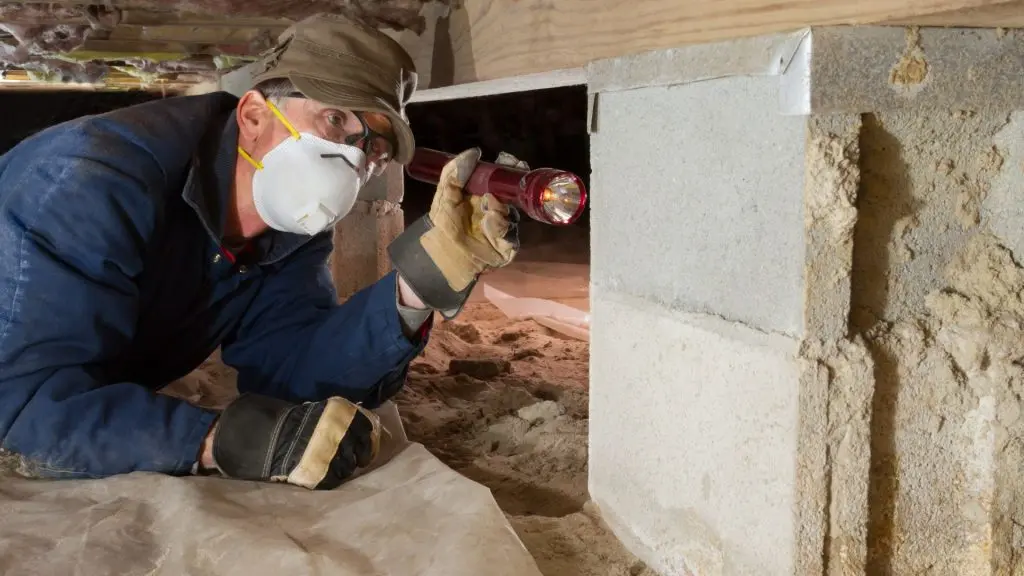
Crawl spaces and attics are the two parts of a Hutchinson home almost nobody looks at until something forces the issue: a musty smell that won’t go away, allergy symptoms that flare up indoors and ease outside, or a home inspection report that shows up before a sale. That’s exactly why these two spaces do the most damage before anyone notices. A finished, occupied room gets attention the moment something looks or smells off. A crawl space under the house or an attic above the ceiling can hold moisture and mold growth for months, sometimes years, before it’s found.
This guide covers where hidden mold actually grows in crawl spaces and attics, the signs Hutchinson homeowners tend to miss, why homes in this part of central Kansas are especially prone to it, and what a mold inspection in Hutchinson, KS involves so you know what to check and when it’s worth calling a professional. It’s written both for homeowners who haven’t had a mold problem yet and want to catch one early, and for anyone who’s already noticed a smell, a stain, or a symptom and isn’t sure whether it’s worth investigating.
Why Crawl Spaces and Attics Hide Mold So Well
Mold needs three things to grow: moisture, an organic food source like wood or insulation paper, and still air. Crawl spaces and attics offer all three almost by design. They’re rarely heated or cooled, they’re not part of the daily walkthrough of the house, and in older construction they often weren’t built with moisture control as a priority. A leak in a finished bathroom gets mopped up the same day. A leak in a crawl space or a slow roof deck condensation problem in an attic can sit undisturbed for an entire season.
Crawl Spaces: Moisture With Nowhere to Go
Many crawl spaces have exposed dirt floors, which means ground moisture is constantly evaporating upward into the space, especially after rain or when the water table sits close to the surface. Without a vapor barrier or proper ventilation, that moisture has nowhere to go, so it settles into floor joists, subfloor sheathing, and any insulation hanging beneath the house. Plumbing lines and HVAC ductwork are often routed through the crawl space too, and a slow drip or a sweating cold-air duct in summer can quietly feed mold growth for a long time before it shows up as a smell in the living space above.
Attics: Heat, Humidity, and Poor Ventilation
Attics have the opposite moisture source but the same result. Bathroom and kitchen exhaust fans are supposed to vent outside, but in a surprising number of homes, they’re vented directly into the attic instead, dumping warm, humid air under the roof deck every time a shower runs. Combine that with a hot Kansas summer and inadequate ridge or soffit ventilation, and the underside of the roof sheathing becomes a condensation surface. A roof leak that’s too small to show a ceiling stain can also feed mold along rafters and insulation for months without any visible sign from inside the house.
Signs of Hidden Mold Hutchinson Homeowners Often Miss
Because these spaces aren’t part of daily life in the house, the signs of a mold problem usually show up indirectly, through smell, air quality, or symptoms, rather than a visible patch of mold on a wall. Homeowners frequently miss:
- A persistent musty odor near an attic access hatch, a crawl space door, or in a room directly below or beside either space
- Allergy or respiratory symptoms, such as coughing, sneezing, or congestion, that are worse at home and ease up when away
- Condensation or fogging on windows in a specific room, which can point to elevated humidity coming from an attached crawl space or attic
- Discoloration on insulation, joists, or rafters that’s visible from a flashlight check through an access panel
- A subfloor that feels soft, springy, or slightly uneven in one area of the house
- Water stains or a faint yellow-brown ring on a ceiling, even a small one that hasn’t grown
- A crawl space or attic hatch that feels noticeably damp, cool, or humid to the touch compared to the rest of the house
- An HVAC system that seems to run longer than it used to, since ducts pulling humid air from a crawl space or attic make the system work harder to reach the same temperature
Any one of these on its own isn’t necessarily a mold problem. Several of them together, or any of them paired with a musty smell, is worth a closer look.
Why Central Kansas Homes Are Especially Prone to This
Hutchinson and the surrounding Reno County area see the kind of summer humidity that makes condensation a real factor in attics and crawl spaces, not just a coastal or southern concern. Combine that with a housing stock that includes a meaningful number of older homes built before crawl space encapsulation and modern attic ventilation standards became common practice, and the conditions for hidden mold growth are more common here than a lot of homeowners assume.
Kansas winters also bring freeze-thaw cycles that can stress foundations and open small cracks over time, giving groundwater another way into a crawl space. It’s also common in this region for HVAC ductwork to run through both the crawl space and the attic in the same house, which means a moisture problem in either location has a direct path to affect indoor air quality throughout the home.
How Often Should You Inspect Your Crawl Space for Mold?
A crawl space should get a visual check at least once a year, ideally in late spring before summer humidity peaks, and again after any event that introduces extra moisture, such as heavy rain, a plumbing leak, or a sewage backup. That’s the short answer. The longer answer is that an annual check doesn’t need to be complicated.
It means opening the access panel, using a flashlight to look at the floor joists, subfloor, and any exposed insulation, and checking for standing water, a vapor barrier that’s torn or displaced, or a smell that wasn’t there before. If anything looks or smells off, or if it’s been more than a year since the last look, that’s the point where a professional mold inspection makes more sense than continuing to guess.
What a Professional Mold Inspection Actually Involves
A mold inspection is more thorough than a homeowner poking a flashlight through an access hatch, and it’s built to answer two questions: is there mold, and if so, how far has it spread and what’s causing it.
Visual Inspection and Moisture Mapping
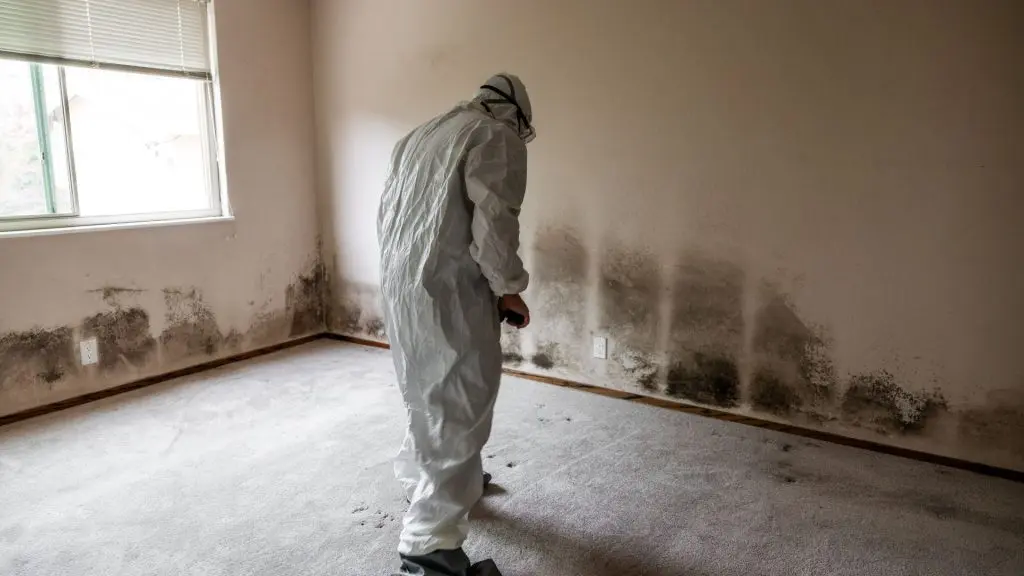
An inspector examines the crawl space or attic in full, not just the areas visible from the access point, checking framing, insulation, ductwork, and any areas where past water intrusion is likely. Moisture meters get used on wood framing and subfloor to identify areas holding elevated moisture even where there’s no visible mold yet, since moisture readings often reveal a problem before it’s visually obvious.
Air and Surface Sampling
When visible mold is found, or when a homeowner has symptoms without an obvious visible source, air and surface samples can help confirm what’s present and whether spore counts in the home are elevated compared to outdoor air. This step isn’t always necessary for a straightforward, visible mold problem, but it matters when the goal is figuring out whether air quality throughout the house is affected.
What Happens If Mold Is Found
If the inspection turns up mold, the next step is a plan for removal that also addresses the moisture source, since removing mold without fixing what’s feeding it usually means it comes back. That’s the difference between mold testing and mold removal: testing identifies the problem and its extent, removal eliminates it and corrects the underlying cause, whether that’s a vapor barrier that needs replacing, an exhaust fan that needs to be rerouted outside, or a roof leak that needs repair.
When to Call a Mold Inspection Professional in Hutchinson
A few situations make a professional inspection worth scheduling rather than waiting for the next annual check:
- A musty smell in the house that doesn’t have an obvious source
- Allergy or respiratory symptoms in the household that improve when away from home
- Any history of water damage, a slow plumbing leak, or a sewage backup that wasn’t fully dried out afterward
- Buying or selling a home, since a mold inspection can catch a crawl space or attic issue before it becomes a negotiation problem
- After fire damage restoration, since the water used to extinguish a fire can introduce moisture into an attic or crawl space that wasn’t there before
- Visible discoloration, staining, or a damp feeling in a crawl space or attic access area
FreshCo Cleaning & Restoration provides mold testing and removal for homes throughout Hutchinson, KS and the surrounding area, alongside water damage, sewage cleanup, and fire damage restoration services. Because these problems often overlap, a crawl space that took on water during a storm or a house that dealt with a sewage backup last year is exactly the kind of history that makes a mold inspection worth scheduling now, even if nothing looks obviously wrong yet.
If you’ve noticed a musty smell, unexplained allergy symptoms, or you’re getting ready to list or buy a home in the Hutchinson area, reach out to FreshCo to schedule a mold inspection before a small moisture problem in a crawl space or attic turns into a larger one.
Frequently Asked Questions
What does hidden mold in an attic or crawl space actually smell like?
It’s usually described as musty, earthy, or damp, similar to a basement or a wet towel left balled up too long. The smell can be faint near a living space and much stronger right at the access hatch, which is one reason it’s easy to write off as “just an old house smell” instead of investigating further.
Can mold in a crawl space affect air quality upstairs?
Yes. Many homes have HVAC ductwork running through the crawl space, and air pressure differences between floors can pull crawl space air upward into the living space, a pattern sometimes called the stack effect. That means a mold problem in a space nobody walks through can still affect the air people are breathing in bedrooms and living rooms.
Is it normal for older Hutchinson homes to have some mold in the crawl space?
It’s common, but not something to treat as normal or harmless. Older homes without a vapor barrier or proper ventilation are more likely to develop crawl space moisture problems over time, but that makes an inspection more useful, not less, since it identifies whether the amount and location of mold present is a minor issue or something that needs remediation.
What’s the difference between mold testing and mold removal?
Mold testing identifies whether mold is present, what type, and how far it has spread, often through visual inspection, moisture readings, and sometimes air or surface sampling. Mold removal is the physical remediation work, removing affected materials, treating the area, and addressing whatever moisture source caused the growth in the first place.
Can I clean small areas of mold myself, or do I need a professional?
A very small, isolated spot on a hard, non-porous surface is sometimes manageable on your own, but crawl spaces and attics rarely fit that description, since mold there is usually growing on porous wood framing or insulation and tied to an ongoing moisture source. In those cases, a professional inspection is worth it to confirm the extent of the problem and fix the cause rather than just the visible symptom.