














Park City’s humid stretches catch a lot of homeowners off guard, especially in a mountain town where dry air is usually the expectation. That shift in moisture is exactly what mold needs to take hold, often in places that go unchecked for weeks at a time.
The high elevation itself adds a layer most homeowners don’t think about, since thinner air holds moisture differently and can cause condensation to form faster on cool surfaces once humidity rises. Homes built with dry-climate assumptions in mind, like minimal attic ventilation or basements without dehumidification, often have fewer safeguards against sudden moisture spikes than homes in consistently humid regions.
Knowing how to reduce the risk, and when mold remediation becomes necessary, can help protect your home before a small issue turns into a bigger one.
Why Humid Weather Increases Mold Growth
Mold needs moisture, warmth, and a food source like drywall or wood to grow, and humid weather supplies the first two almost immediately. Park City’s temperature swings between warm days and cool nights can cause condensation to build up in places homeowners rarely check, like crawl spaces and attic insulation.
Homes with limited airflow or older insulation are especially vulnerable, since trapped humidity has nowhere to escape once moisture levels climb. Even a short humid spell can be enough to activate mold spores that have been dormant, waiting for the right conditions to spread.
Mold Remediation Tips
Reducing moisture and catching problems early are the most effective ways to stay ahead of mold. Here’s where to focus.
Reduce Moisture
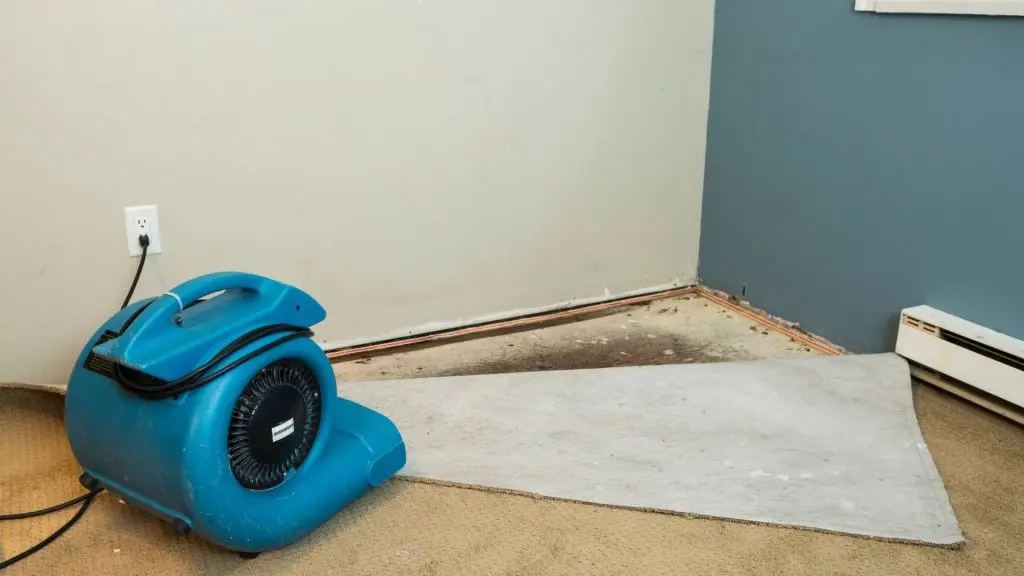
Keeping indoor humidity below 50 percent makes it significantly harder for mold spores to establish themselves. Running a dehumidifier in basements or other damp-prone areas during humid stretches can make a real difference in prevention.
Improve Air Circulation
Stagnant air allows moisture to settle and linger, especially in closets, bathrooms, and other enclosed spaces. Running fans, opening windows when humidity allows, and keeping vents unobstructed helps keep air moving and moisture from building up.
Repair Water Leaks
A small leak under a sink or around a window seal might seem minor, but mold can begin developing within 24 to 48 hours of sustained moisture exposure. Addressing leaks and gaps as soon as they’re noticed closes the window mold needs to establish itself.
Inspect Hidden Areas
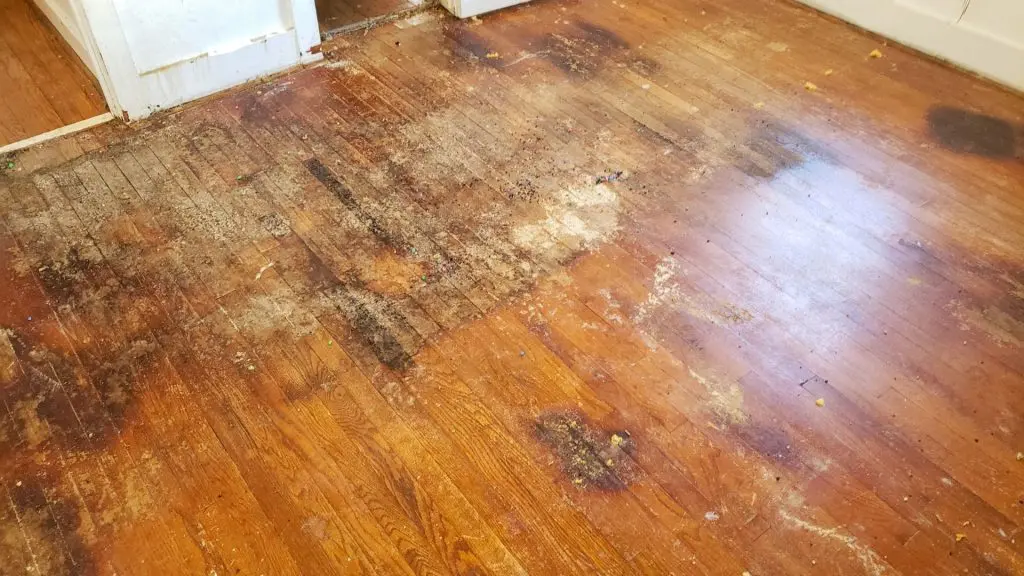
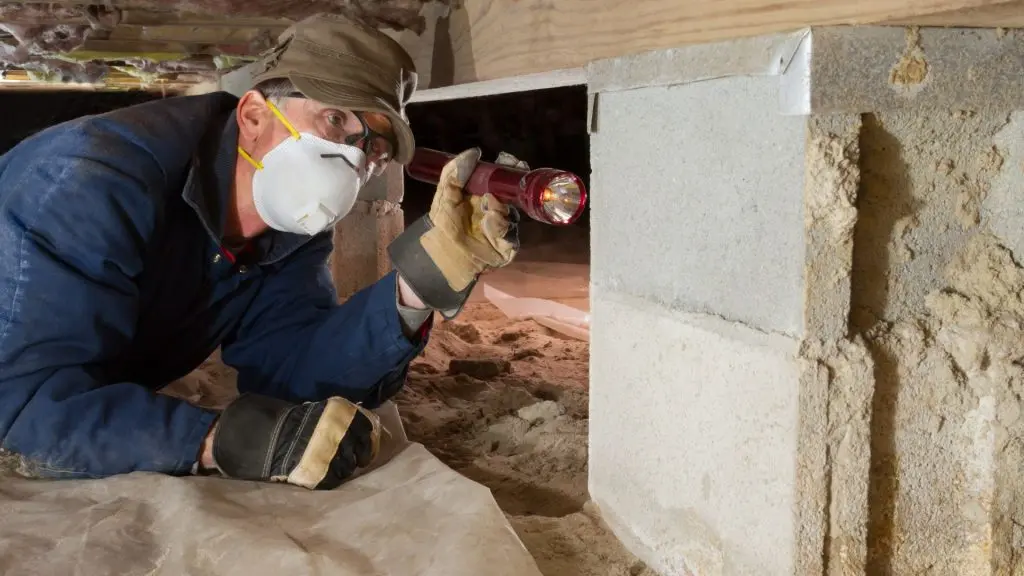
Mold doesn’t always grow somewhere visible, it can develop behind walls, under flooring, or inside HVAC systems long before it’s noticeable. Periodic checks of these hidden areas can catch problems early, before they spread into a larger infestation.
Common Places Mold Develops
Mold tends to favor specific spots in a home where moisture collects and airflow is limited. Bathrooms are a frequent starting point, particularly around showers, tubs, and under sinks where humidity lingers after use.
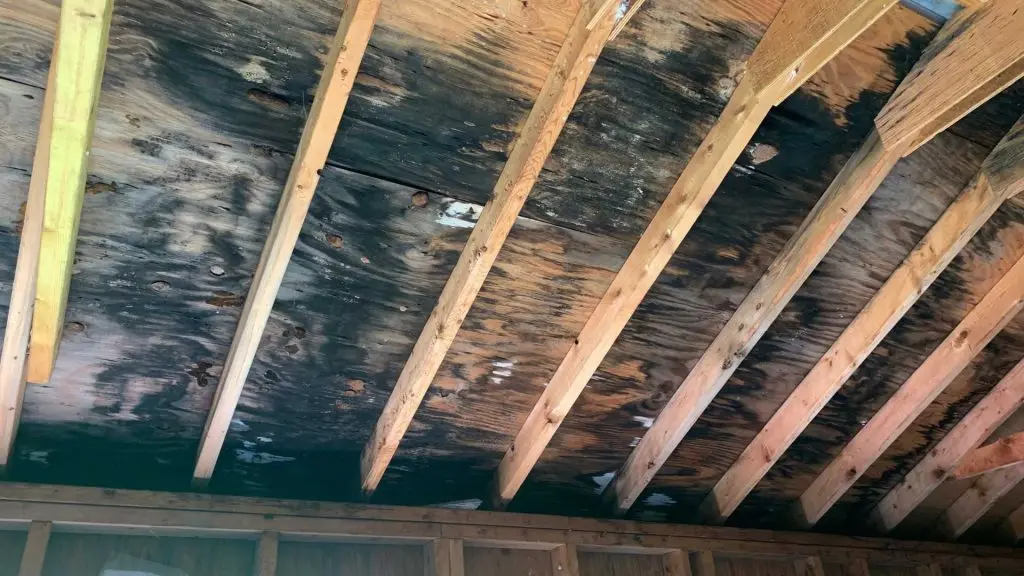
Basements and crawl spaces are also common trouble areas, since they tend to stay cooler and damper than the rest of the home, especially during humid weather. Attics can develop mold from trapped condensation, particularly in homes with inadequate ventilation or insulation gaps.
Around windows and door seals, condensation buildup can slowly feed mold growth in frames and nearby drywall without being noticed until it’s already spread.
Why Professional Mold Remediation Is Recommended
Handling mold with store-bought cleaners often only addresses what’s visible on the surface, leaving the underlying moisture problem untouched. Professional mold remediation identifies the source feeding the mold, not just the mold itself, which is what prevents the same issue from returning weeks later.
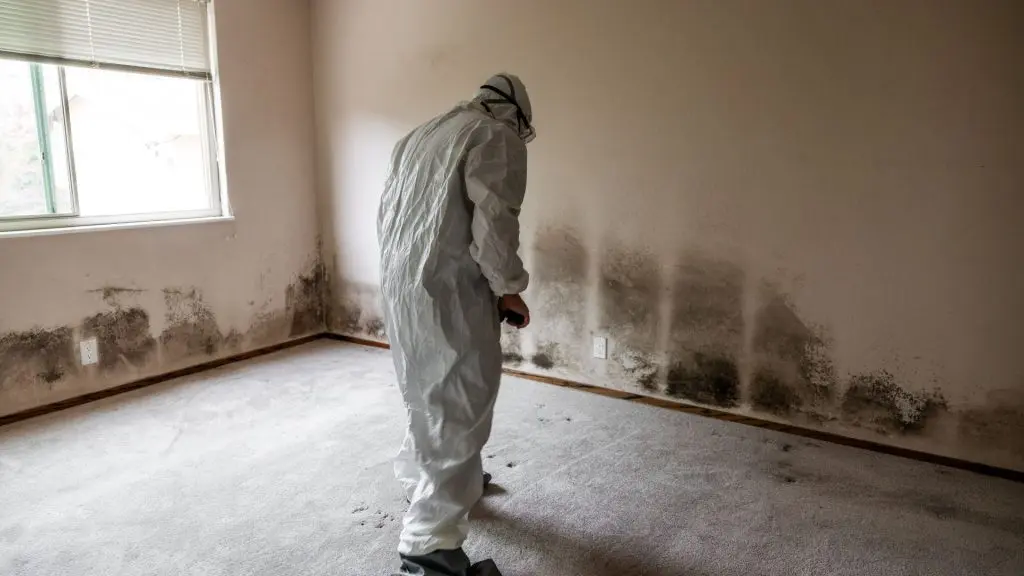
Trained technicians also know how to safely contain and remove mold without spreading spores to unaffected areas, something that’s easy to get wrong without the right equipment and containment procedures. Beyond removal, professional remediation typically includes addressing the moisture source directly, whether that’s ventilation, humidity control, or a leak, so the fix actually holds up over time.
FAQs
Mold questions tend to come up quickly once homeowners spot a problem. Here’s what Park City residents ask most often.
Is mold dangerous to my health?
Mold exposure can cause respiratory irritation and allergic reactions in some people, particularly those with asthma or existing sensitivities. Remediation reduces ongoing exposure for everyone in the home.
Can I remove the mold myself?
Small, surface-level mold on non-porous materials can sometimes be cleaned, but mold that’s spread into drywall, insulation, or HVAC systems typically requires professional remediation.
How long does mold remediation take?
Timelines vary based on how extensive the growth is, but most residential jobs take anywhere from a few days to a week, including addressing the moisture source.
Will mold come back after remediation?
If the underlying moisture problem isn’t fixed, mold can return even after remediation. That’s why professional remediation focuses on the source, not just the visible growth.
How can I tell if hidden mold is present in my home?
A persistent musty odor, unexplained allergy symptoms, or recent water damage are all signs worth investigating. A professional inspection is the most reliable way to confirm what’s going on.
Contact FreshCo Cleaners for Mold Remediation in Park City
Mold doesn’t wait for a convenient time to spread, and humid weather gives it exactly the conditions it needs to take hold fast. If you’ve noticed a musty smell, visible discoloration, or lingering moisture anywhere in your home, that’s the signal to get it checked before it grows into a bigger problem.
FreshCo Cleaners is ready to inspect your property, identify the moisture source, and remove mold thoroughly so it doesn’t come back later.
Contact FreshCo Cleaners today for mold remediation in Park City and protect your home through the rest of the season.