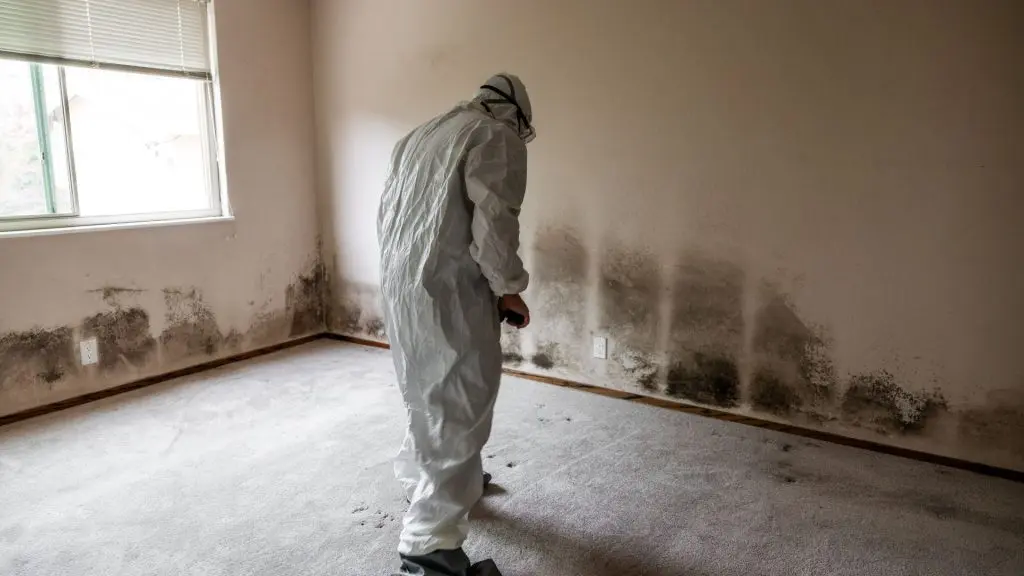















A burst pipe, a leaking roof, or a flooded basement rarely ends when the water stops. For homeowners in Hutchinson, mold removal often becomes the second half of the problem, showing up days after the original water damage has already been cleaned up or, in some cases, before anyone realizes the property was ever fully dry. This guide walks through why that happens, what a professional mold removal process actually involves, and what to expect if you are dealing with mold following a water event in your Reno County home.
Why Water Damage Leads to Mold in Hutchinson Homes
Mold spores are already present in nearly every home and business, floating in the air or resting on surfaces in low, harmless concentrations. What changes after water damage is the environment those spores land in. Wet drywall, damp insulation, saturated subflooring, and humid crawl spaces give mold exactly what it needs to establish and spread: moisture, organic material to feed on, and still air.
Central Kansas summers add another layer to this. Humidity climbs, storms roll through with heavy rainfall, and the flat terrain common to towns like Hutchinson means water does not always drain quickly. A roof leak from a spring storm or a sump pump failure during a heavy rain event can leave building materials damp for far longer than a homeowner realizes, especially in areas that are not part of daily living space, like basements, crawl spaces, and behind baseboards.
That is why water damage and mold removal are so closely linked. Addressing the water is only the first step. If materials are not dried thoroughly and quickly, mold growth is often the next stage of the same event rather than a separate problem.
What to Expect From a Professional Mold Removal Process
Mold removal after water damage is not a single step, and it is not the same as simply spraying a cleaning product on a visible patch of mold. A thorough process moves through several stages, each addressing a different part of the problem.
Inspection and Moisture Mapping
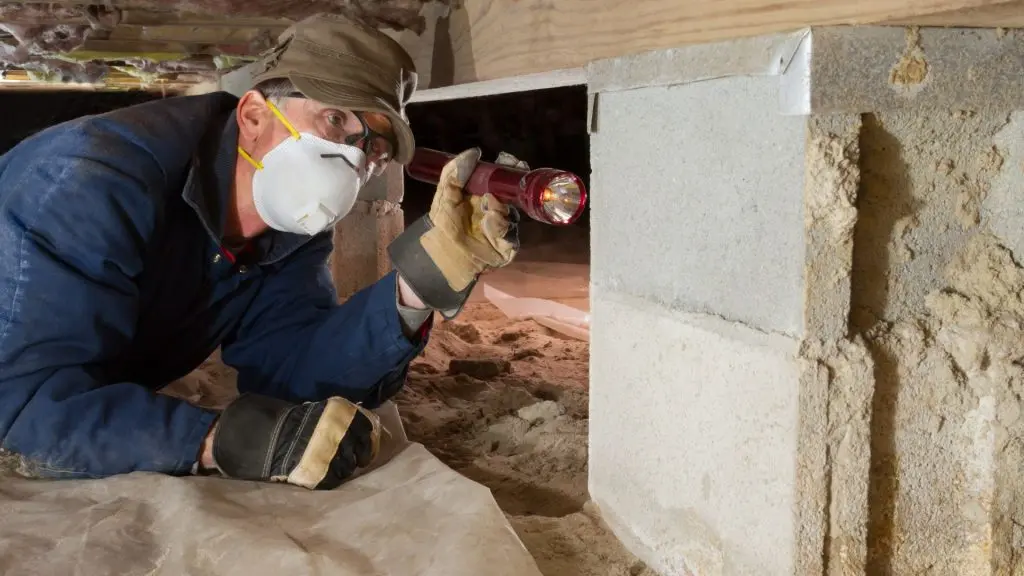
Before any removal work begins, the affected area needs to be properly assessed. This typically includes a visual inspection paired with moisture meters and, in many cases, thermal imaging to map out where moisture is still present, including behind walls, under flooring, and inside cavities that are not visible from the surface. This step matters because mold frequently grows in places that were never directly wet, but sit close enough to damp materials to stay humid.
Moisture mapping also helps set the scope of the job. Removing a small patch of visible mold while leaving damp drywall a few feet away untouched usually means the problem returns within weeks.
Containment
Once the affected area is identified, it gets isolated from the rest of the property. Plastic sheeting and negative air pressure are commonly used to keep spores from spreading into unaffected rooms while the work is underway. This step is especially important in occupied homes, where family members are still living in other parts of the house during remediation.
Air Scrubbers and HEPA Filtration
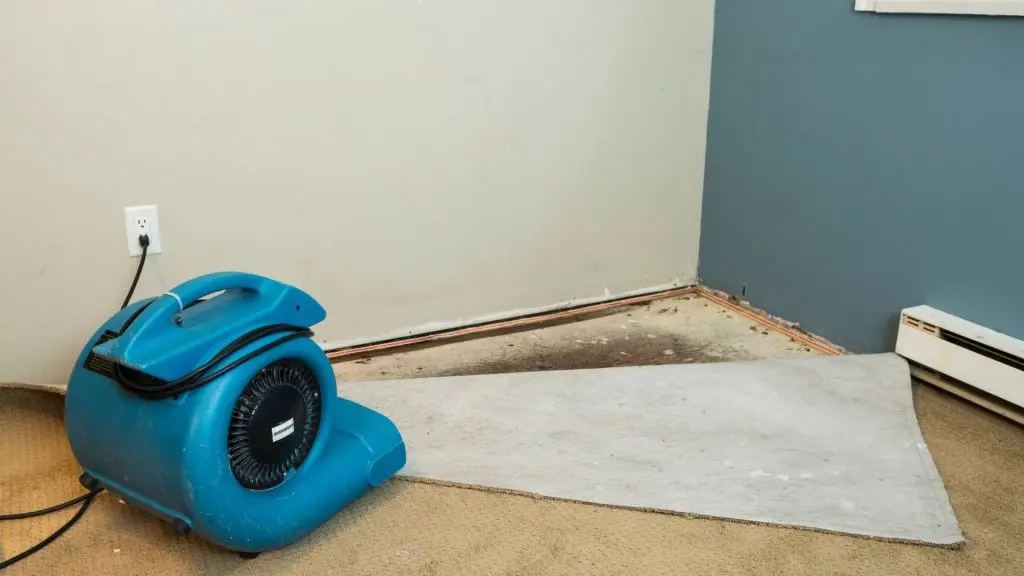
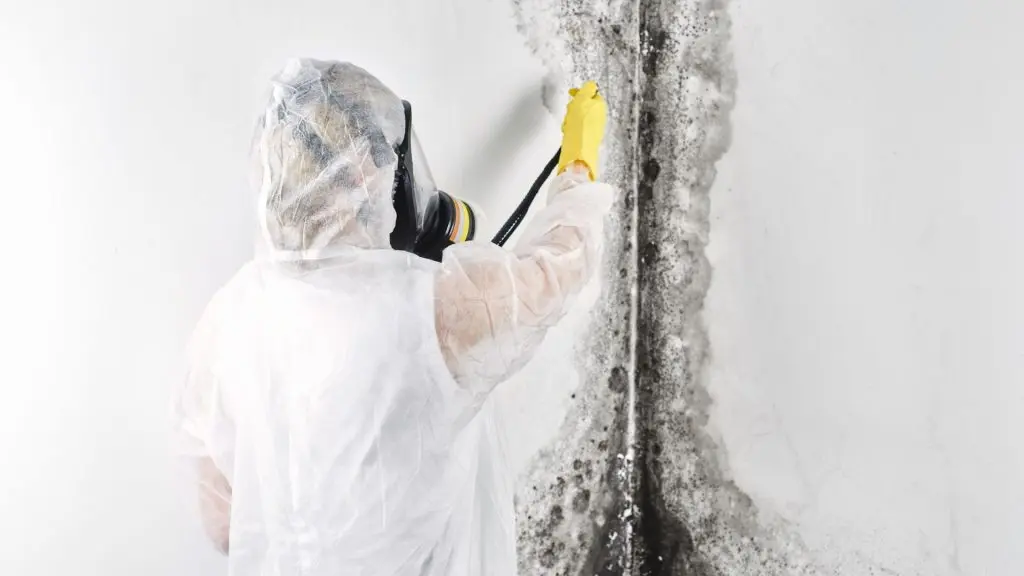
While mold-affected materials are being handled, air scrubbers equipped with HEPA filters run continuously to capture airborne spores. Disturbing mold, even carefully, releases spores into the air, so filtration is not optional during active removal work. This is part of why mold removal is a job for trained technicians rather than a weekend project: disturbing contaminated material without proper containment and filtration can spread spores further than the original problem.
Removal of Affected Materials
Porous materials that have absorbed moisture and mold, such as drywall, carpet padding, and insulation, generally cannot be fully cleaned and are removed instead. Non-porous or semi-porous surfaces, like framing lumber or subfloor in some cases, may be cleaned, treated, and dried rather than replaced, depending on how much they were affected. This decision is made during inspection, not guessed at during removal.
Addressing the Moisture Source
Removing mold without correcting the moisture problem that caused it is a temporary fix. Whether the original cause was a plumbing leak, roof damage, poor grading around the foundation, or a crawl space with chronic humidity, that source needs to be resolved as part of the job, not treated as a separate issue for the homeowner to handle later.
Post-Remediation Verification
Once removal and drying are complete, moisture levels are checked again to confirm the affected materials have returned to a normal, dry range. In many cases, a third-party mold testing service is brought in to verify the space meets acceptable air quality standards before the area is considered clear. This step gives homeowners documentation that the job was completed to a verifiable standard, not just a visual sign-off.
How Long Does Mold Removal Take?
Most residential mold removal projects take between three and five days from the start of containment to final verification, though the exact timeline depends on how much area is affected and how extensively materials need to be replaced versus cleaned.
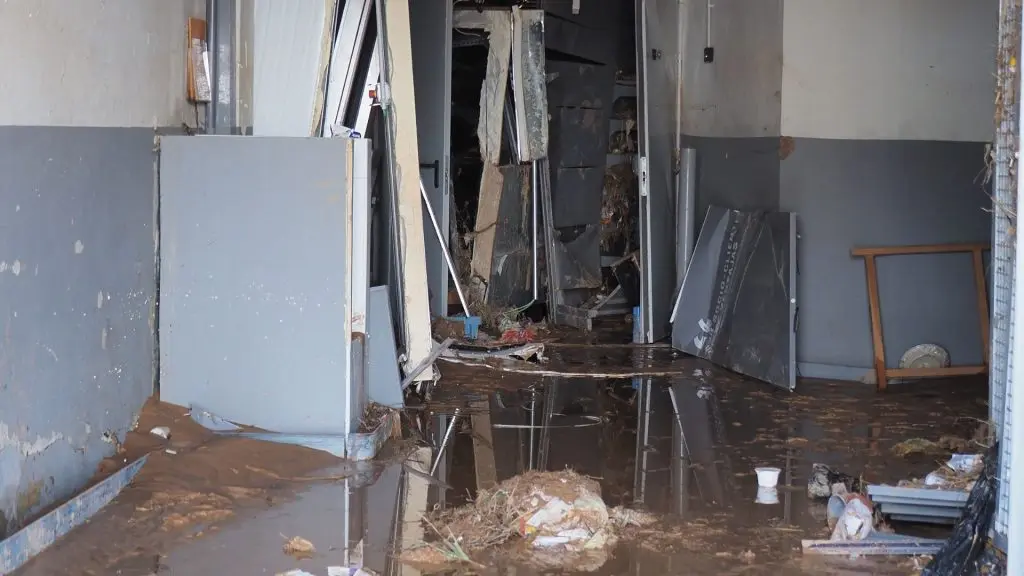
Small, localized mold problems, such as a single bathroom wall following a slow leak, can sometimes be resolved in a day or two once the source is confirmed and dry. Larger jobs involving a flooded basement, a compromised crawl space, or mold that has spread through multiple rooms can take longer, particularly if structural materials need to be removed and replaced rather than simply cleaned.
Scheduling a professional water damage restoration and mold inspection as soon as damage is discovered is one of the biggest factors in keeping a project on the shorter end of that range, since mold that has had weeks to establish itself is a bigger job than mold caught within the first day or two.
Insurance Considerations for Mold Removal After Water Damage
Whether mold removal is covered by homeowners insurance depends heavily on the specific policy and the cause of the original water damage. Sudden, accidental events, like a pipe that bursts without warning, are more commonly covered than mold resulting from long-term neglect, such as a slow leak that went unaddressed for months.
Because coverage varies by policy and insurer, it is worth reviewing your specific policy language or speaking directly with your insurance provider about what is and is not included before assuming mold remediation is or is not covered. Detailed documentation from the inspection and moisture mapping stage, including photos, moisture readings, and a clear record of when the damage occurred, can support a claim regardless of how coverage ultimately applies. Acting quickly after discovering water damage also matters here: insurers may view delayed remediation as a factor in how a mold-related claim is handled, since mold growth is generally understood to accelerate the longer materials stay wet.
What Does Mold Removal Cost in Hutchinson, KS?
Mold removal costs vary widely depending on how much area is affected, whether structural materials need to be removed and replaced, and how quickly the original water damage was addressed. A small, isolated patch behind a single wall costs far less to resolve than mold that has spread through a flooded basement or a crawl space that stayed damp for weeks. The type of material affected also plays a role: drywall and insulation are generally more straightforward and less expensive to remove and replace than structural framing or subflooring that has to be treated, dried, and verified rather than simply torn out.
Because the price range for mold removal is wide, it helps to understand what actually drives the cost up or down before a technician arrives for an inspection. FreshCo Cleaning & Restoration’s mold removal cost guide for Hutchinson breaks down those factors in more detail, including how square footage, location within the home, and complexity affect the final estimate. Getting an inspection early, before mold has had extra time to spread, is one of the more reliable ways to keep a project closer to the lower end of that range.
Preventing Mold After Future Water Damage
Once a property has gone through mold removal, a few habits make a second occurrence less likely:
- Address leaks immediately. A slow drip under a sink or a small roof leak rarely stays small. Fixing it as soon as it is noticed removes the moisture source before mold has a chance to establish.
- Keep an eye on crawl spaces and basements. These areas often go unchecked for weeks or months at a time, which makes them a common place for hidden moisture and mold to develop unnoticed.
- Watch humidity levels. Central Kansas summers bring stretches of high humidity, and a dehumidifier in basements or other consistently damp areas can keep conditions from favoring mold growth even without an active leak.
- Dry thoroughly after any water event. Whether it is a small appliance leak or a larger flooding event, materials need to reach a genuinely dry moisture level, not just a surface-dry appearance, before they are considered safe from mold risk.
- Schedule a follow-up inspection after major storms. Heavy rain events that lead to roof or foundation leaks are not always obvious right away. A quick inspection after a significant storm can catch a moisture problem before it turns into a mold problem.
Mold Removal and Water Damage Restoration in Hutchinson, KS
FreshCo Cleaning & Restoration provides mold testing and removal, water damage restoration, sewage cleanup, and fire damage restoration for homes and businesses throughout Hutchinson and the surrounding Reno County area. If your property has recently experienced a leak, flood, or other water event, the window to prevent mold from establishing is measured in days, not weeks. Reach out for an inspection as soon as you notice standing water, a musty odor, or visible moisture damage, whether the event happened yesterday or you are only now noticing signs that something went wrong weeks ago.
Frequently Asked Questions
How soon after water damage can mold start growing?
Mold can begin developing within 24 to 48 hours after materials get wet, particularly in warm, humid conditions like a Kansas summer. This is why fast water extraction and thorough drying matter as much as the mold removal itself: the faster a property is dried out, the smaller the window mold has to establish itself.
How do I know if water damage has caused mold in my home?
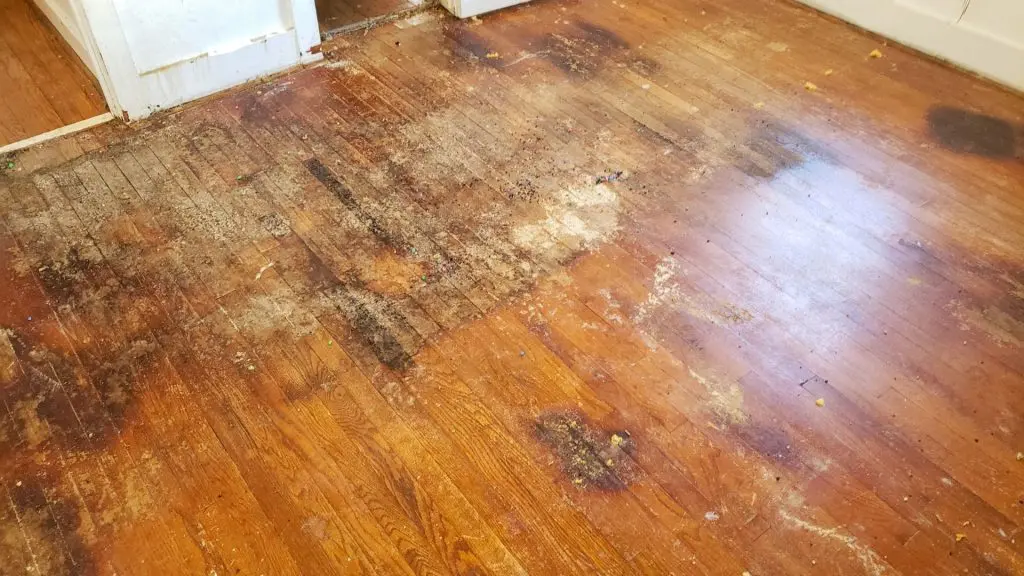
The most common signs are a persistent musty odor, visible discoloration on walls, ceilings, or flooring, and moisture stains that keep reappearing even after cleaning. Mold is not always visible on the surface, so a musty smell without an obvious source is often a sign that moisture and mold are present somewhere behind a wall, under flooring, or in a crawl space.
Will homeowners insurance cover mold removal from water damage?
Coverage depends on the specific policy and the cause of the original damage, with sudden events like a burst pipe generally treated differently than long-term leaks or neglect. Reviewing your policy directly or speaking with your insurance provider is the most reliable way to confirm what is covered before a claim is filed.
Can I stay in my home during mold remediation?
In many cases, yes, particularly when the affected area is contained and isolated from the rest of the living space. Larger jobs involving extensive mold growth or areas close to bedrooms and living areas may call for temporarily staying elsewhere while containment and air filtration are in place, which a technician can advise on after inspecting the specific situation.
What is the difference between mold removal and mold remediation?
The terms are often used interchangeably, but remediation typically refers to the full process, inspection, containment, removal, drying, and verification, while removal can refer more narrowly to physically eliminating mold from a surface or material. A complete job addresses both the mold itself and the moisture source that caused it.
How can I prevent mold from coming back after remediation?
Keeping humidity in check, addressing leaks as soon as they are found, and monitoring basements and crawl spaces for hidden moisture are the most effective ways to reduce the chance of mold returning. Post-remediation verification testing also helps confirm the original problem was fully resolved before those preventive habits become the main line of defense.