














A musty smell that won’t go away, a water stain that keeps spreading, or family members who seem to sneeze more at home than anywhere else, these are the kinds of small clues that often point to a bigger problem. For homeowners in Hutchinson, KS, mold testing is the clearest way to confirm what’s actually growing behind your walls, under your flooring, or inside your HVAC system before it turns into a larger issue.
This guide walks through the specific warning signs worth paying attention to, where mold tends to hide in central Kansas homes, and what a professional mold test actually involves. If you’ve noticed any of the signs below, or you’ve had recent water damage, a sewage backup, or a fire in your home, it’s worth taking a closer look.
How Do I Know If I Need Mold Testing?
If you can smell a persistent musty odor, see discoloration on walls or ceilings, have unexplained allergy or respiratory symptoms that ease when you leave the house, or your home has had any water intrusion in the last year, that combination of signs is reason enough to schedule mold testing. A test replaces guesswork with a documented answer: whether mold is present, what type, and how far it has spread.
The sections below break down each of these signals in more detail, along with what happens once testing is scheduled.
Common Signs Your Hutchinson Home May Have a Mold Problem
Musty or Earthy Odors
Mold produces its own distinct, damp smell, often described as musty, earthy, or like wet cardboard. If that odor is strongest in one room, closet, or near an air vent, it’s usually a sign that moisture and mold are present nearby, even if you can’t see it. Odors that return after cleaning are especially telling, since surface cleaning removes visible spores but not the source.
Visible Discoloration or Spotting
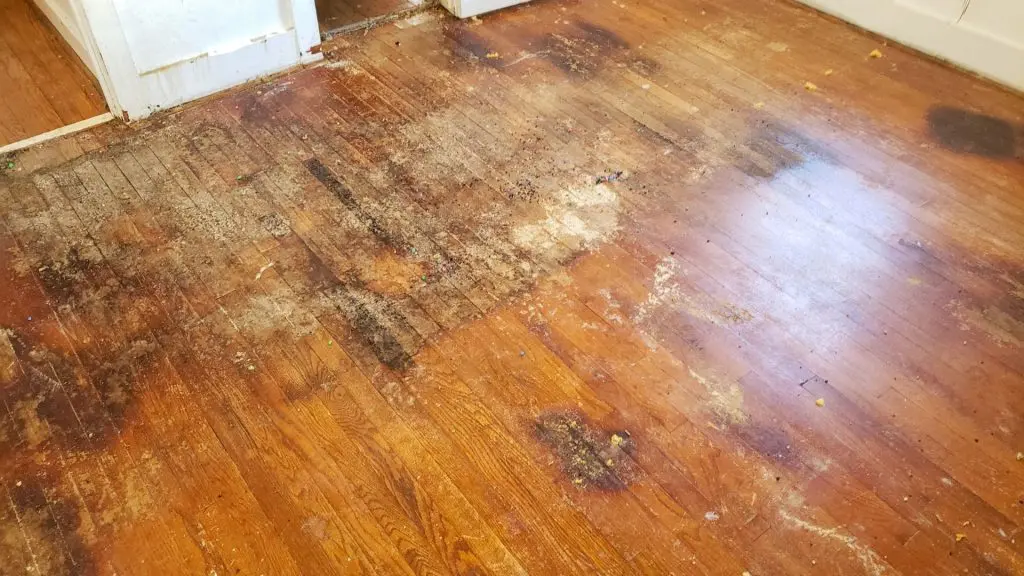
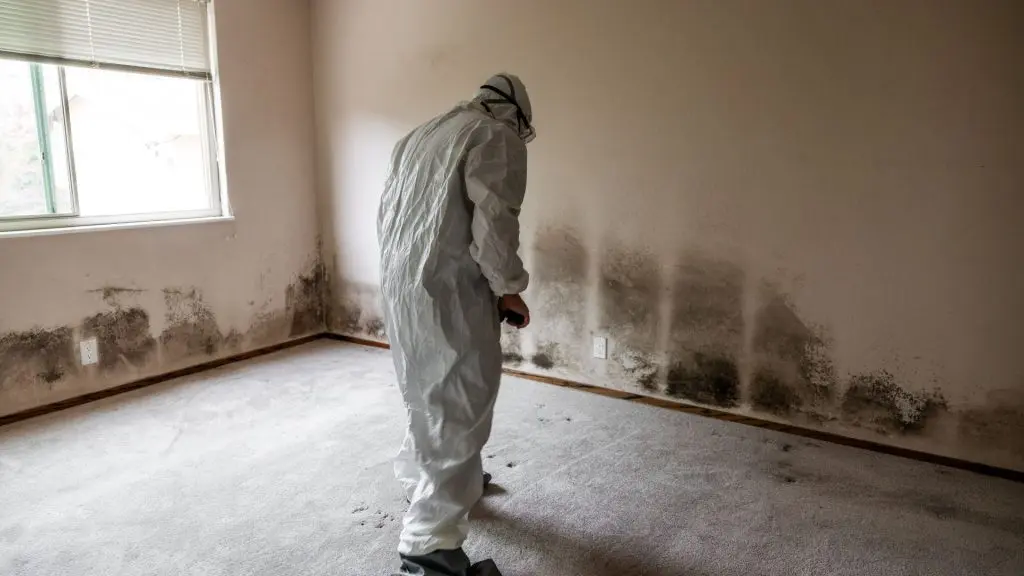
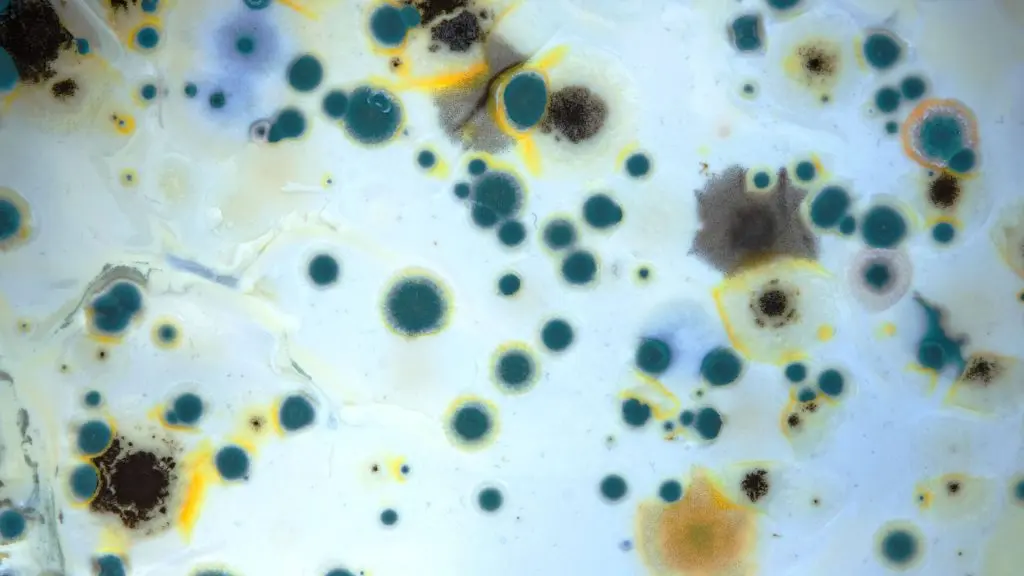
Mold shows up in different colors, black, green, gray, white, or orange, and it isn’t always the dramatic black staining people picture. Small spotted patches on drywall, grout, baseboards, or window sills deserve attention, particularly in bathrooms, laundry rooms, and basements where humidity runs higher.
Water Stains, Past Leaks, or Recent Flooding
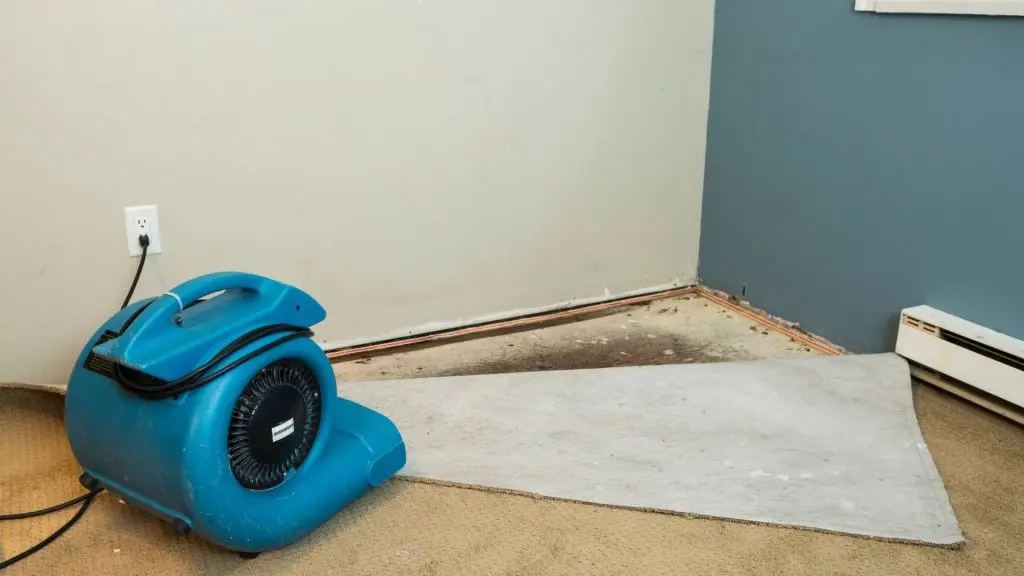
Any history of a roof leak, plumbing failure, appliance overflow, or basement flooding creates conditions mold needs to grow. If your home has had water damage in the past, even damage that was dried and cleaned up, testing can confirm whether moisture made it into wall cavities or subflooring where it wasn’t fully addressed.
Allergy-Like Symptoms That Improve Away From Home
Some people notice sneezing, congestion, itchy eyes, or a scratchy throat that flares up at home and improves once they leave for the day. This pattern doesn’t confirm mold on its own, but paired with any of the other signs on this list, it’s a reasonable prompt to test rather than guess.
Peeling Paint, Warped Drywall, or Bubbling Surfaces
Excess moisture behind a wall or ceiling often shows up as paint that’s bubbling or peeling, drywall that feels soft or looks warped, or wood trim that’s swelling. These are physical signs that moisture has been sitting somewhere long enough to affect building materials, and mold typically follows close behind.
High Indoor Humidity or Condensation
Persistent condensation on windows, ductwork, or pipes, or a general feeling of stuffiness in a room, points to humidity levels that are higher than they should be. Mold spores are always present in the air at low levels; what changes the equation is moisture, and consistently damp conditions are what let those spores take hold and spread.
Why Hutchinson Homes Are Prone to Mold
Central Kansas summers bring long stretches of high humidity, and that moisture works its way into homes through poorly ventilated attics, bathrooms, and crawl spaces. Combine that with Hutchinson’s mix of older housing stock, homes with basements or crawl spaces built decades ago, and it’s easy for moisture to get trapped in places that are rarely inspected. Older plumbing and aging roofing are also more prone to slow leaks that go unnoticed for weeks or months, giving mold plenty of time to establish itself before anyone smells or sees it.
If your home has been through a flood, a burst pipe, or any other water event, that history alone is a reason to keep an eye on the areas that were affected, even long after the visible cleanup is done. This is especially true for homes with basements or crawl spaces, where a slow leak or a humid stretch of weather can go unnoticed far longer than it would in a more visible part of the house.
Where Mold Often Hides (Even When You Can’t See It)
Behind Walls and Under Flooring
Wall cavities and subflooring hold moisture longer than exposed surfaces, which makes them a common hiding spot after any kind of leak. Mold can spread quietly in these spaces for weeks before it becomes visible or produces a noticeable smell.
HVAC Systems and Ductwork
Ductwork and HVAC components collect condensation and dust, creating a favorable environment for mold growth. Because your HVAC system circulates air throughout the entire house, mold here can affect air quality well beyond the room where it originated.
Crawl Spaces and Basements
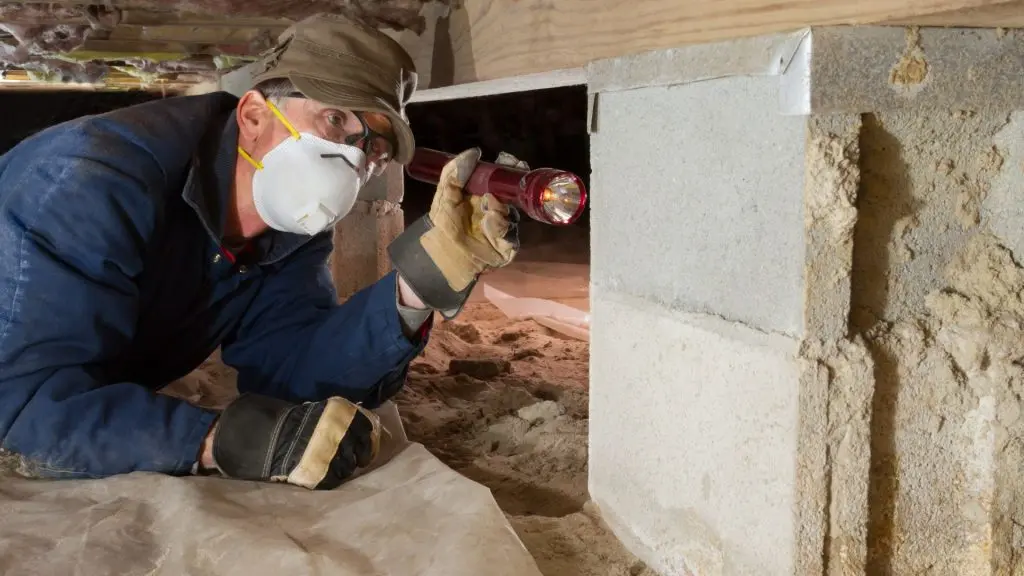
These below-grade areas run cooler and more humid than the rest of the house, and they’re the parts of a home people check least often. Foundation cracks, grading issues, or poor drainage around the exterior can let moisture in consistently, making crawl spaces and basements one of the most common places mold testing turns up a problem.
What Mold Testing Actually Involves
A professional mold test typically starts with a visual inspection and moisture mapping of the affected area, using tools that can detect dampness inside walls or flooring without cutting into them. From there, samples are taken, either air samples, surface swabs, or both, and sent to a lab to identify the type and concentration of mold present. The results come back in a report that documents what was found, where, and what it means for next steps, whether that’s simple cleaning or a full remediation plan.
Testing gives you a documented baseline. That matters not just for deciding how to handle the problem, but for confirming later, after remediation, that mold levels have actually returned to normal. It also gives you something concrete to share with a contractor, an insurance adjuster, or a buyer or seller during a home sale, rather than relying on a verbal description of what someone thinks they saw.
Mold Testing vs. Mold Removal: When Do You Need Which?
Not every mold problem requires full remediation. Small, isolated surface mold on a shower curtain or windowsill can often be cleaned with routine household care. Testing becomes the deciding factor when mold covers a larger area, keeps returning after cleaning, is tied to a known water event, or is hidden in places like wall cavities, ductwork, or crawl spaces where you can’t fully assess it yourself. If a test confirms mold has spread beyond a surface-level patch, or that it’s affecting building materials, that’s when remediation, rather than simple cleaning, is the right next step.
Health Considerations to Keep in Mind
People react to mold exposure differently, and some report symptoms like sneezing, coughing, throat irritation, or headaches while others notice nothing at all. If anyone in your home has ongoing respiratory symptoms, allergies, or asthma that seem to worsen indoors, it’s worth mentioning to a physician alongside investigating the home itself. Mold testing won’t diagnose a health condition, but it can rule mold in or out as a contributing factor so you’re working from facts rather than assumptions.
What To Do If You Suspect Mold After Water Damage or a Sewage Backup
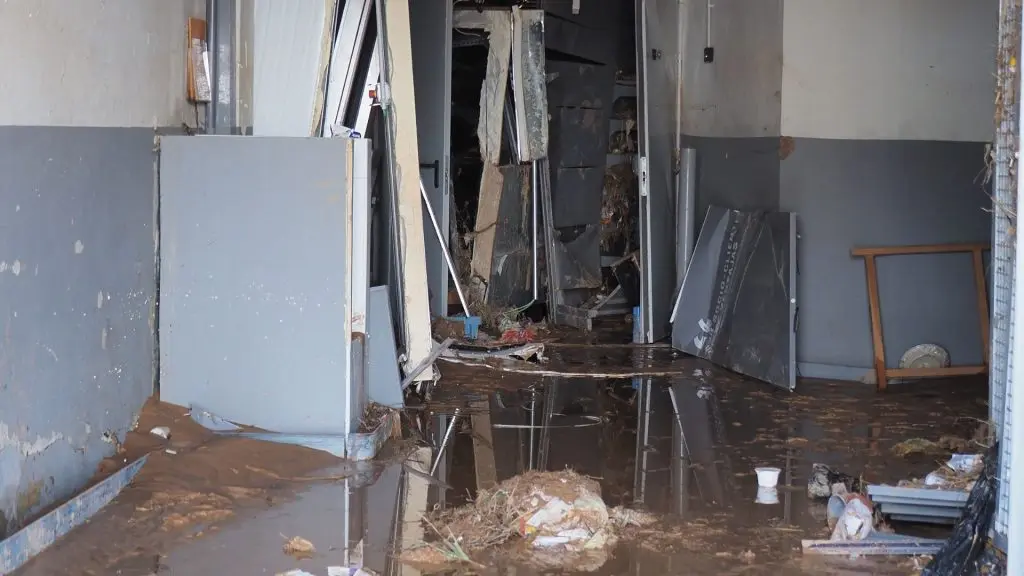
Water damage and sewage backups are two of the most common paths to a mold problem, since both introduce moisture into places that don’t dry out on their own. Restoration professionals generally recommend addressing standing water and saturated materials quickly, since mold can begin developing within a day or two once conditions are right. If your home has recently experienced a leak, flood, or sewage backup, mold testing afterward, even once everything looks dry, is the best way to confirm moisture didn’t get trapped somewhere out of sight.
Insurance Considerations for Mold Testing and Remediation
Coverage for mold varies by policy, and whether testing or remediation is covered often depends on the cause, a sudden pipe burst versus long-term neglect, for example. Documenting the condition of your home with photos, dates, and a professional report gives you something concrete to bring to your insurance provider. It’s worth reviewing your policy directly or asking your provider what’s covered before assuming either way.
When to Call FreshCo Cleaning & Restoration
If you’re noticing musty odors, staining, recent water damage, or any of the other signs covered here, FreshCo Cleaning & Restoration provides mold testing and mold remediation for homeowners throughout Hutchinson, KS and the surrounding area, along with water damage restoration, sewage cleanup, and fire damage restoration when those issues are the source of the moisture in the first place. If you’re dealing with an active leak, a recent sewage backup, or fire damage that may be contributing to mold growth, reach out to FreshCo to schedule an inspection and get a clear picture of what’s happening in your home.
Frequently Asked Questions
Can I test for mold myself with a store-bought kit?
Store-bought kits can detect the presence of mold spores, but they don’t reliably identify the type of mold or how far it has spread, and results can be affected by normal background spores that exist in most homes. A professional test provides a more accurate, documented result that’s useful for both remediation planning and insurance purposes.
How long does mold testing take?
The onsite inspection and sample collection typically takes a couple of hours depending on the size of the area being assessed. Lab analysis of the samples usually adds a few additional days before the full report is ready.
Does homeowners insurance cover mold testing or removal?
It depends on your specific policy and what caused the mold. Coverage is more likely when mold results from a sudden, covered event like a pipe burst, and less likely when it’s tied to long-term neglect or humidity. Check your policy or ask your provider directly for specifics.
What’s the difference between mold testing and a general mold inspection?
An inspection is a visual and moisture-based assessment of a space, looking for signs of mold and the conditions that support it. Testing goes a step further by collecting air or surface samples and sending them to a lab to confirm what type of mold is present and in what concentration.
How quickly can mold grow after water damage or a sewage backup?
Conditions that support mold growth can develop within one to two days after materials get wet, which is why prompt drying after any water event matters. This is also why testing after the fact, even once things look dry, can catch moisture that got trapped somewhere it wasn’t fully addressed.
Is all mold dangerous?
Mold species vary, and not every type poses the same level of concern. Since identifying the type usually requires a lab test rather than a visual guess, it’s safer to treat any noticeable mold growth as something worth having tested rather than assuming it’s harmless.