














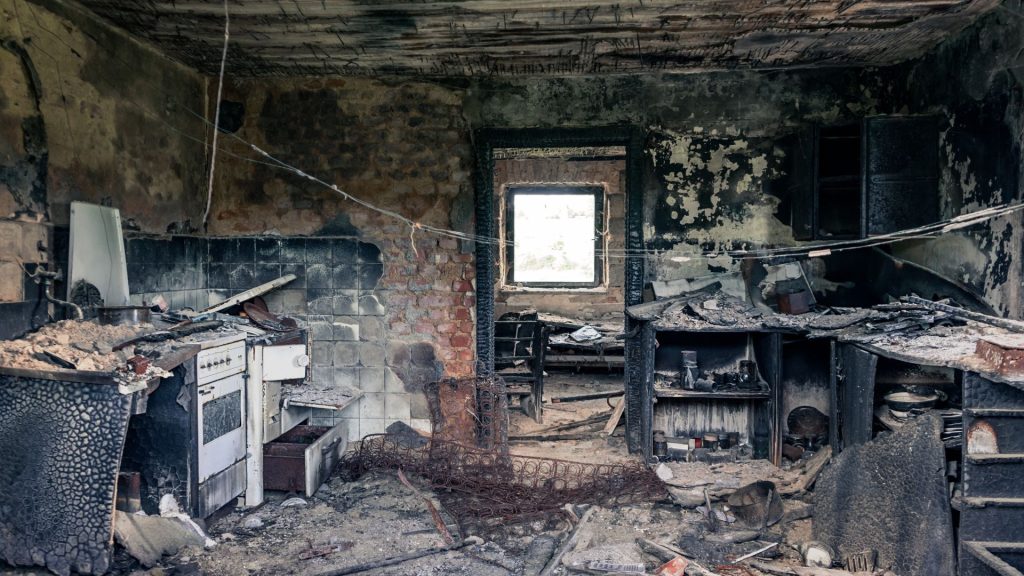
A fire can be out in minutes, but the smoke it leaves behind keeps working on your home long after the flames are gone. Soot particles settle into carpet fibers, drywall, cabinetry, and fabric throughout the house, not just in the room where the fire started. For homeowners in Hutchinson dealing with the aftermath of a kitchen fire, an electrical fire, or damage from a nearby structure fire, understanding how smoke damage actually behaves is the difference between a full recovery and a home that never quite smells or looks right again.
This guide walks through why smoke spreads the way it does, what happens to different materials in your home, and what smoke damage restoration in Hutchinson, KS actually involves.
Why Smoke Damage Spreads Far Beyond the Fire Itself
Fire consumes oxygen and creates pressure differences as it burns, and that pressure pushes smoke and soot through a home in ways that surprise most people. Heat rises and pulls smoke up stairwells and through ceiling cavities. HVAC systems that were running at the time of the fire can pull smoke into ductwork and distribute fine soot particles into rooms that never saw a flame. Even with the system off, air naturally moves through gaps around doors, outlets, and vents, carrying smoke particles with it.
This is why a fire contained to one room can still leave a film of soot on furniture two floors away, or a lingering odor in closets that were closed the entire time. The visible damage in the room of origin is only part of the picture. A thorough smoke damage assessment has to account for the whole house, including spaces that look untouched at first glance.
How Soot Behaves Differently on Different Materials
Not all soot is the same, and it does not sit on every surface the same way. The type of fire (what burned, how hot it got, and how much oxygen was available) affects whether soot is dry and powdery or wet and greasy, and that changes how it needs to be cleaned.
Porous vs. Non-Porous Surfaces
Hard, non-porous surfaces like glass, tile, and metal hold soot on top of the material, which generally makes them easier to clean if the work happens quickly. Porous materials behave very differently. Drywall, carpet, upholstery, wood, and grout absorb soot and the acidic compounds it carries, pulling the residue below the surface where a simple wipe-down cannot reach it.
Why Soot Residue Stains and Etches Over Time
Soot is chemically acidic, and the longer it sits on a surface, the more damage it causes. On metal, that acidity leads to tarnishing and corrosion. On painted walls and finished wood, it can etch into the surface and leave discoloration that no longer responds to normal cleaning once it sets. Grout lines, fabric fibers, and unfinished wood are especially vulnerable because they have more surface area for the residue to work into. This is a major reason why timing matters so much with smoke damage. What could have been cleaned in the first day or two can turn into a permanent stain or a surface that needs to be replaced entirely after a week or more.
Health Considerations After a Fire
Smoke residue is not just a cosmetic issue. Soot particles can be fine enough to become airborne again when disturbed, and combined with the byproducts of whatever materials burned, they can be irritating to the eyes, throat, and respiratory system, particularly for people with asthma, allergies, or other sensitivities.
This is worth taking seriously when deciding how to approach cleanup, and it is one of the reasons professional crews use respirators and containment methods rather than simply sweeping or vacuuming affected rooms with standard household equipment. Anyone with ongoing respiratory symptoms after a fire should follow up with a medical provider, since restoration work addresses the property and air quality, not personal health concerns.
Why DIY Smoke Cleanup Often Makes Things Worse
It is tempting to grab a mop, some all-purpose cleaner, and a shop vac and start tackling the mess yourself. In practice, this approach tends to make smoke damage worse rather than better.
Wiping down soot with a damp cloth or standard household cleaner often grinds the particles further into porous surfaces instead of lifting them out. What looked like a light gray film can turn into a smeared, set-in stain after a well-intentioned cleaning attempt. Vacuuming soot with a regular household vacuum can also push fine particles deeper into carpet fibers or send them back into the air through the exhaust, spreading contamination to rooms that were previously clean.
Odor removal is where DIY efforts fall short most consistently. Air fresheners, candles, and open windows can mask smoke odor temporarily, but the smell returns because the source, soot particles embedded in porous materials and sometimes inside the HVAC system, was never actually removed. Getting rid of smoke odor permanently requires treating the materials that are holding onto it, not just the air in the room.
Can Smoke Smell Be Completely Removed From a Home?
Yes, smoke odor can be fully removed, but only when the soot and residue causing it are physically cleaned or removed from every surface and system where it settled, including inside the HVAC system if air was circulating during the fire. Masking the smell with air fresheners or ventilation will not resolve it long term, because the odor is coming from particles embedded in materials throughout the home, not from lingering smoke in the air itself. A proper smoke damage restoration process identifies every affected surface, from ductwork to upholstery to wall cavities, and treats each one specifically, which is why odor removal typically involves more than a single cleaning pass.
The Professional Smoke Damage Restoration Process
FreshCo Cleaners approaches smoke damage in Hutchinson as a room-by-room, surface-by-surface process rather than a general cleanup, because that is what actually gets rid of the residue and the odor it causes.
Assessment and Documentation
The first step is walking the property to identify every area affected by smoke, including rooms outside the immediate fire zone. This includes checking HVAC ductwork, attic and crawl space access points, and closed spaces like closets and cabinets, since smoke migrates further than most homeowners expect. Documentation at this stage also supports any insurance claim tied to the fire.
Cleaning Affected Surfaces and Fabrics
Different materials call for different cleaning methods. Hard surfaces get treated with cleaning agents suited to the type of soot present, while porous materials like drywall, trim, and flooring often need specialized techniques to lift residue without driving it deeper. Upholstery, drapery, and other fabrics require their own approach, since standard cleaning can set staining or spread odor-causing particles into fibers that were not previously affected.
Deodorizing and Odor Neutralization
Once surfaces are cleaned, the remaining odor has to be addressed at its source rather than covered up. This step targets the materials and spaces where residue was embedded, working through the affected areas methodically so the smell does not simply return once the initial cleaning smell fades.
HVAC System Considerations
If the HVAC system was running during the fire, or if smoke had access to return vents and ductwork, that system needs to be evaluated as part of the restoration. Ductwork that carried soot and smoke particles can recirculate that odor throughout the home every time the system runs, which is why it is often one of the most overlooked sources of a smoke smell that will not go away.
Firefighting Water and What Comes Next
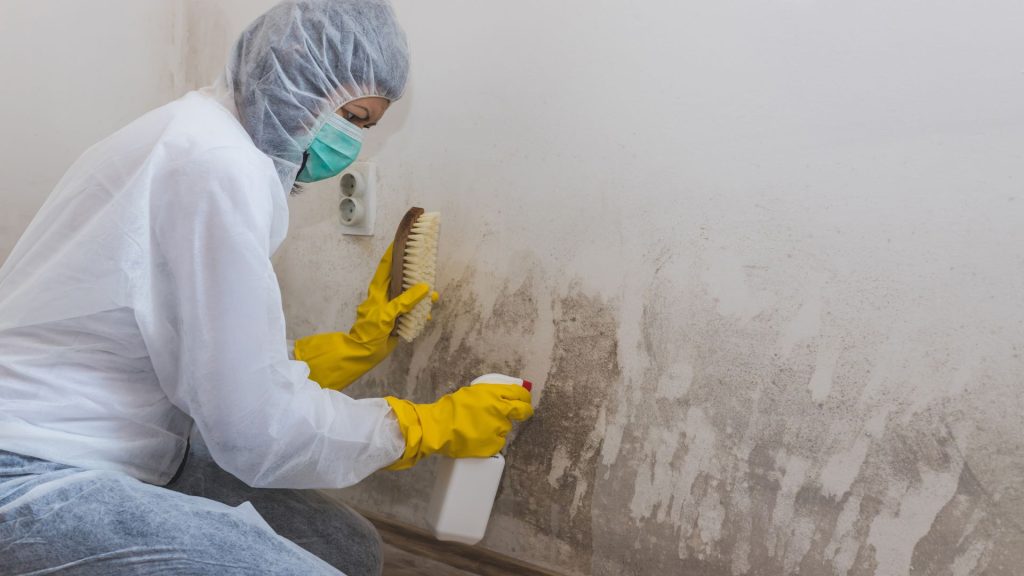
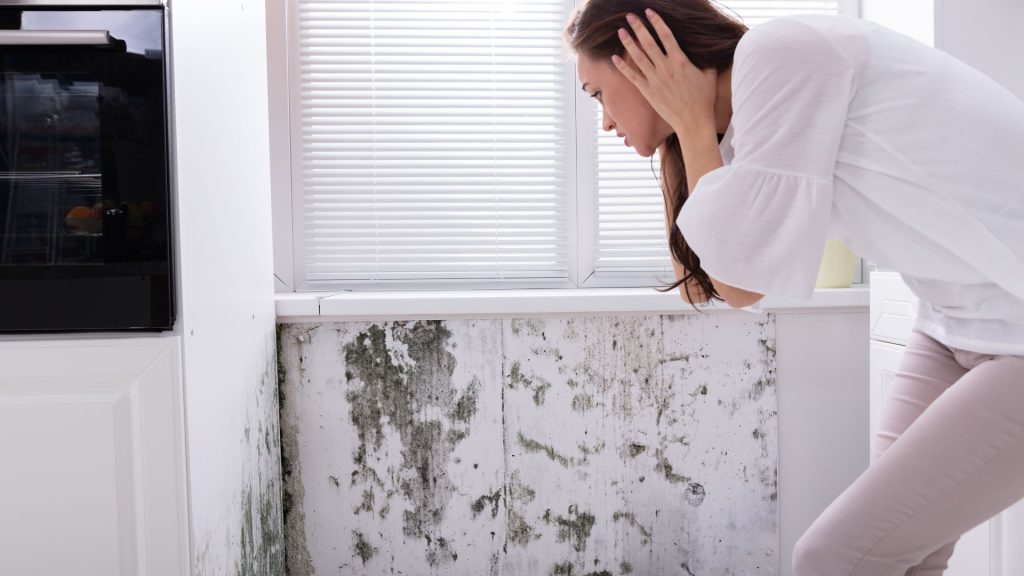
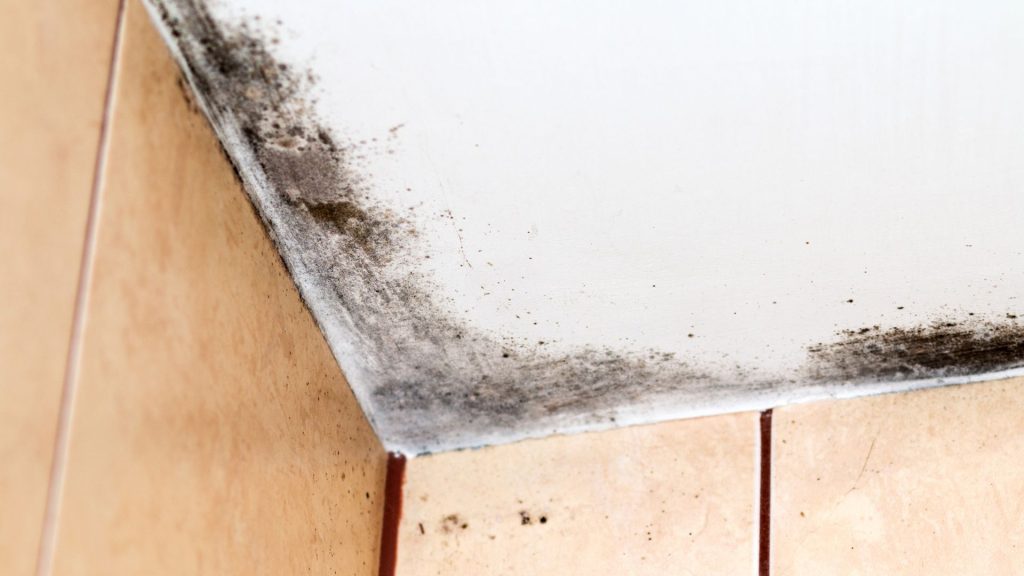
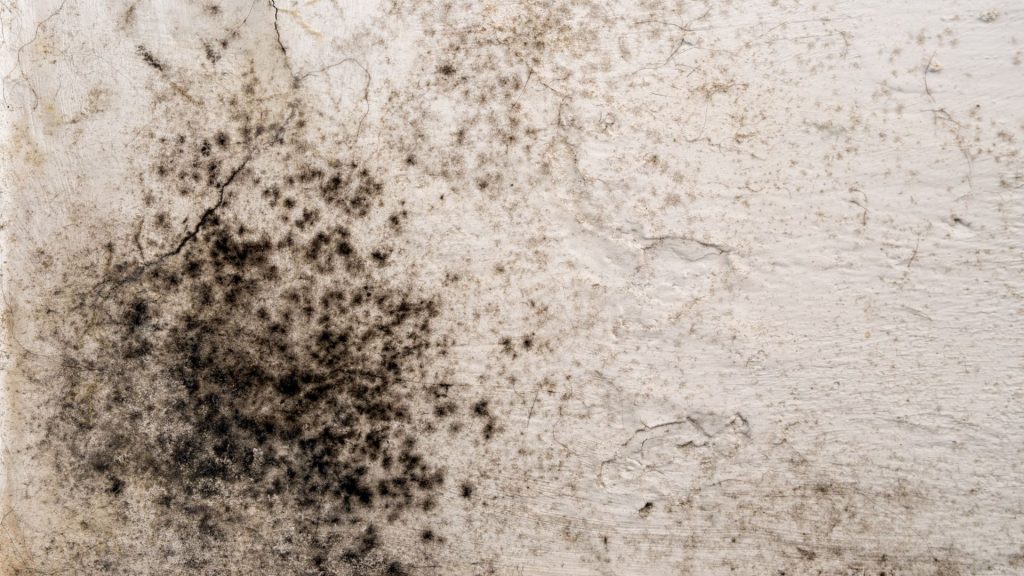
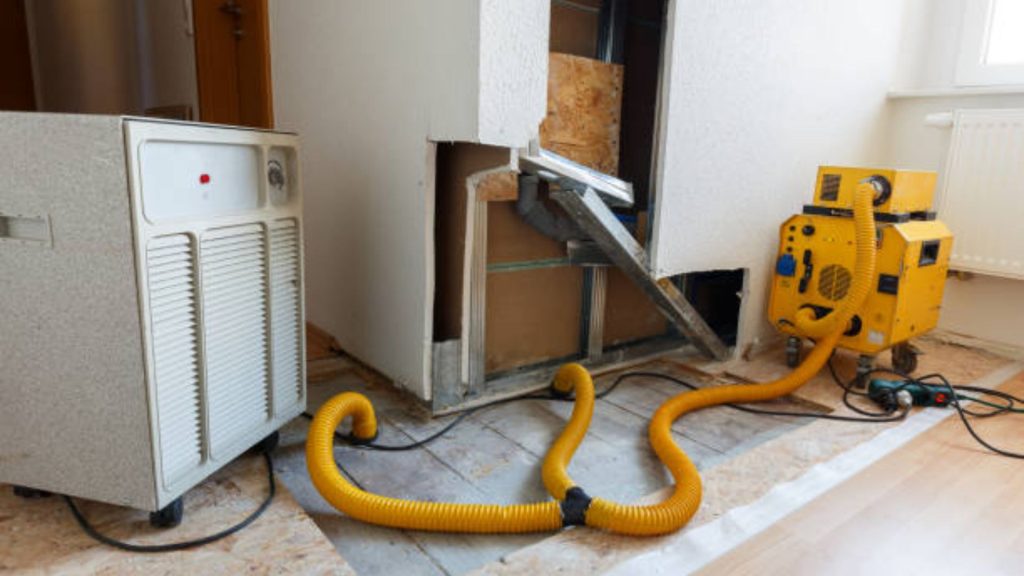
Fires are often put out with a significant amount of water, and that water does not disappear once the fire is extinguished. Carpet, drywall, and subflooring can end up saturated, and if that moisture is not addressed quickly it creates a second problem on top of the smoke damage. FreshCo’s water damage restoration and professional water extraction services are frequently part of a fire response for this reason, removing standing water and drying out affected materials before they have a chance to warm up mold growth. If drying is delayed or incomplete, that moisture can turn into a mold problem within days, which is where FreshCo’s mold remediation services come in for homes that need that follow-up work.
What Hutchinson Homeowners Should Do Right After a Fire
The first hours and days after a fire have an outsized effect on how well a home recovers. A few steps make a real difference:
- Contact your insurance provider as soon as it is safe to do so, and keep records of the damage before any cleanup begins.
- Avoid touching soot-covered surfaces or attempting to clean them with household products, since that can drive residue deeper into materials.
- Leave the HVAC system off until it has been evaluated, since running it can spread soot and odor to unaffected areas.
- Get a restoration crew on site quickly. Soot becomes harder to remove and more likely to cause permanent staining the longer it sits, and any water used to fight the fire needs to be addressed before mold becomes a second issue.
FreshCo’s emergency services line is built for exactly this kind of time-sensitive response, connecting Hutchinson homeowners with a crew quickly after a fire rather than waiting on a standard scheduling window.
Getting Your Hutchinson Home Back to Normal
FreshCo Cleaning & Restoration works with homeowners throughout Hutchinson and the surrounding central Kansas area, including nearby markets like Wichita, on fire and smoke damage recovery from the first assessment through final odor removal. If your home was affected by a kitchen fire, an electrical fire, or smoke from a fire elsewhere in the structure, reach out as soon as it is safe to do so. The sooner soot and residual moisture are addressed, the better the odds of a full recovery for your walls, flooring, and belongings, and the sooner your home stops smelling like the fire that damaged it.
Frequently Asked Questions
How long does smoke damage restoration typically take?
Timing depends on how much of the home was affected and how long the soot sat before cleanup began. A single room with light residue might be resolved in a couple of days, while a home with smoke spread throughout multiple rooms and an affected HVAC system can take longer, especially if water damage from firefighting efforts is also part of the job.
Is smoke smell dangerous to breathe in the days after a fire?
Lingering smoke residue can be irritating to the eyes, throat, and respiratory system, particularly for people with asthma or other sensitivities. If you are experiencing ongoing symptoms, it is worth following up with a medical provider in addition to having the property professionally cleaned.
Can I stay in my home during smoke damage cleanup?
It depends on how extensive the damage is and which areas are affected. Homes with damage limited to one or two rooms are often livable during cleanup, while more extensive smoke spread or combined water damage may require staying elsewhere until the work is far enough along.
Will my homeowners insurance cover smoke damage restoration?
Most homeowners policies cover fire and smoke damage, but coverage details vary by policy and provider. Documenting the damage before cleanup begins and working with your insurance company early in the process helps keep the claim moving.
Do I need mold testing after a fire if water was used to put it out?
If firefighting water saturated carpet, drywall, or subflooring and was not dried out immediately, mold testing is worth considering, especially if drying was delayed by more than a day or two. Moisture trapped behind walls or under flooring can lead to mold growth that is not visible on the surface.
What is the difference between smoke damage and soot damage?
The terms are often used together, but soot refers to the physical residue left behind by combustion, while smoke damage covers the broader effects, including soot, staining, etching, and lingering odor throughout the home. Both are addressed as part of the same restoration process.