














Winter storms can cause significant water damage to homes, leading to stressful and costly repairs. It’s important to address water damage quickly to prevent further issues like mold growth and structural problems. Knowing how to assess the damage and take immediate action can help you protect your home and belongings.
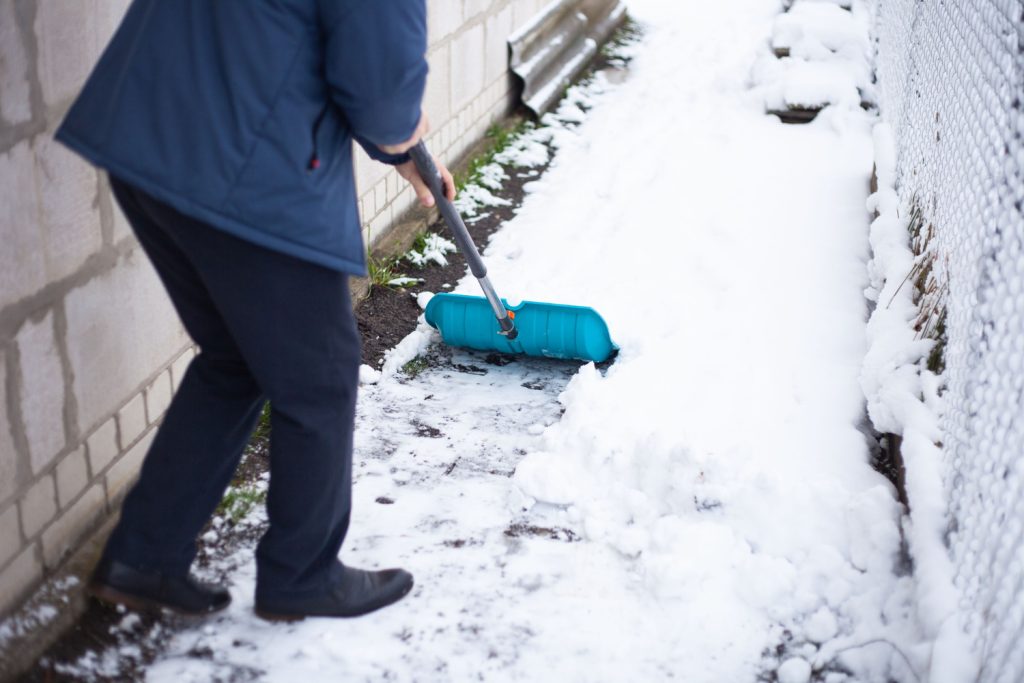
After a winter storm, water damage can come from various sources such as melting snow, ice dams, and burst pipes. These problems can cause water to seep into your home, affecting walls, floors, and furniture. Immediate action is crucial to minimize the damage and start the cleanup process effectively.
This article will guide you through assessing water damage, taking essential steps for mitigation, and using the right tools for cleanup. It will also help you recognize when it’s time to involve professional restoration services. By following these tips, you can tackle post-winter storm water damage effectively and restore your home to its best condition.
Assessing Water Damage After a Winter Storm
After a winter storm, the first step in addressing water damage is to thoroughly assess the situation. Carefully inspect your home to identify all the areas affected by water. Look for visible signs of damage such as water stains on walls and ceilings, damp carpets, and warped floors. Take note of any areas with standing water or pools of water, as these need urgent attention.
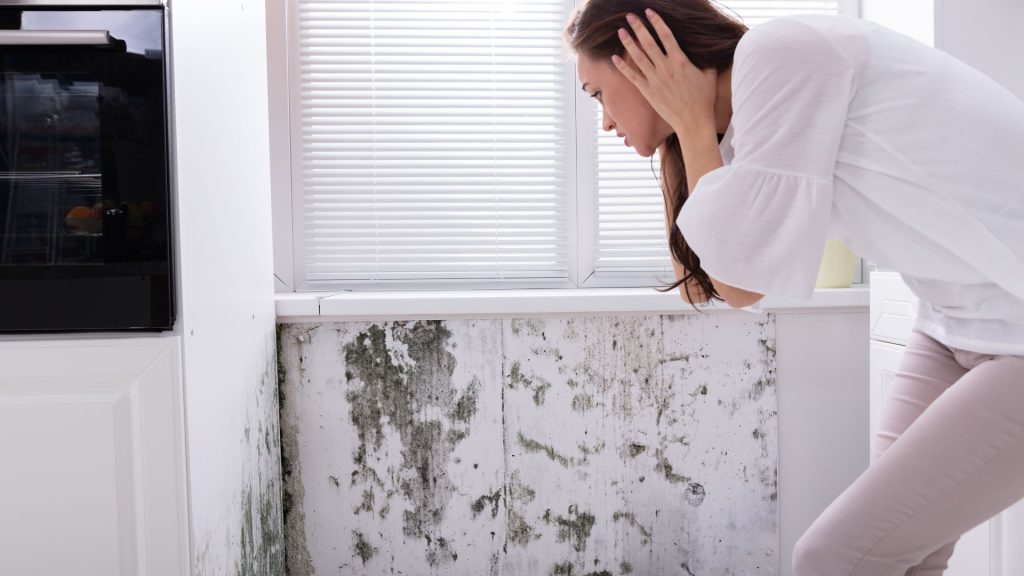
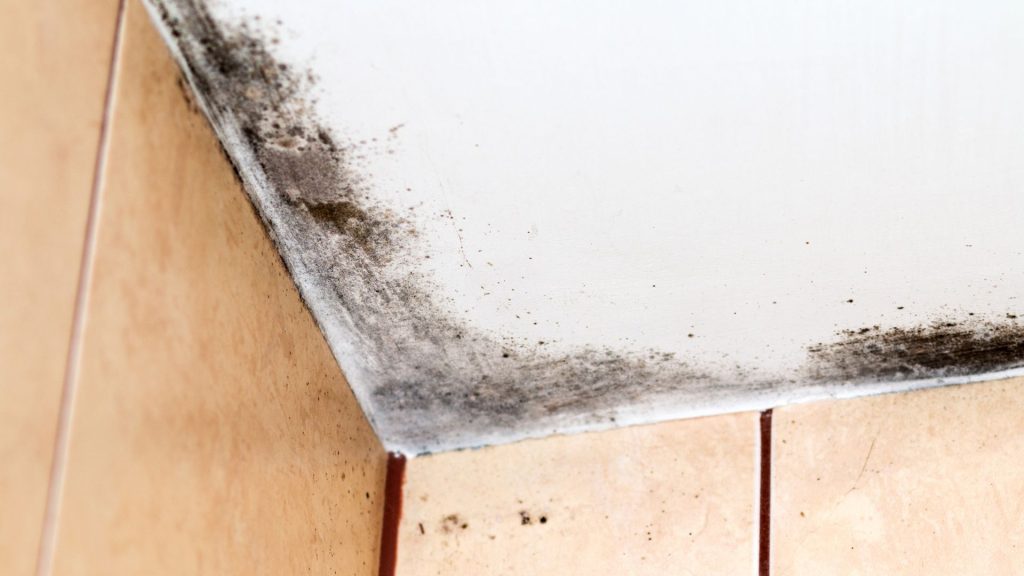
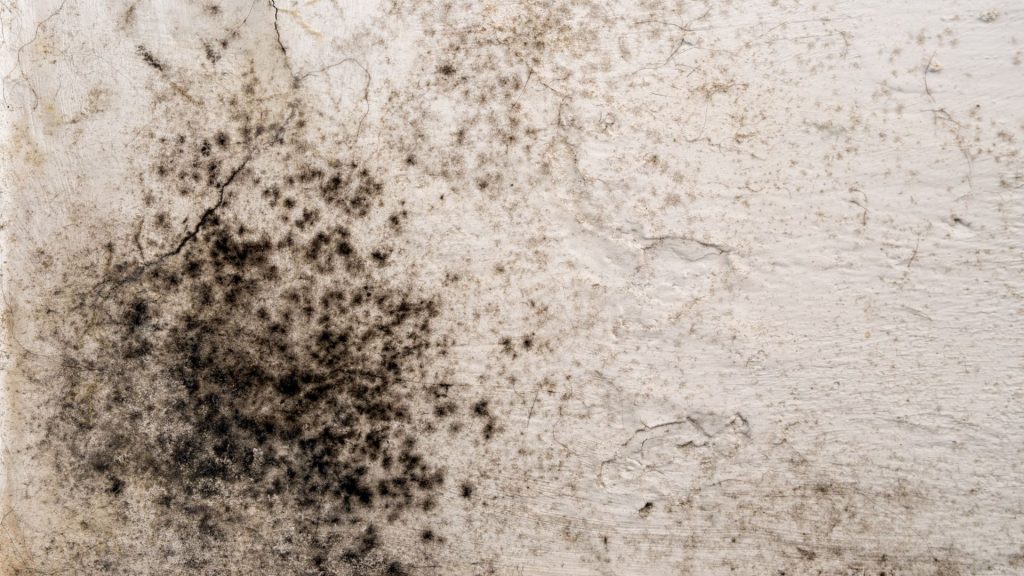
Check the basement and crawl spaces because these areas are often the most affected. Use a flashlight to spot hidden water and inspect around the foundation. Pay attention to any musty odors, as they can indicate mold growth. Examine windows and doors for leaks and check the attic if you suspect ice dams might be causing problems.
Document your findings by taking pictures and notes. This documentation will be helpful if you need to file an insurance claim. By assessing the damage thoroughly, you can prioritize areas needing immediate attention and plan for the cleanup process effectively.
Essential Steps for Immediate Water Damage Mitigation
Once you have assessed the water damage, it’s time to take immediate action to prevent further issues. Here are the essential steps you should follow:
1. Ensure Safety: Before starting any cleanup, make sure it is safe. Turn off the power to affected areas to avoid electrical hazards. Wear waterproof boots, gloves, and a mask to protect yourself from contaminated water and mold.
2. Remove Standing Water: Use a wet/dry vacuum, pumps, or buckets to remove standing water. Quickly getting rid of excess water helps prevent further damage and mold growth.
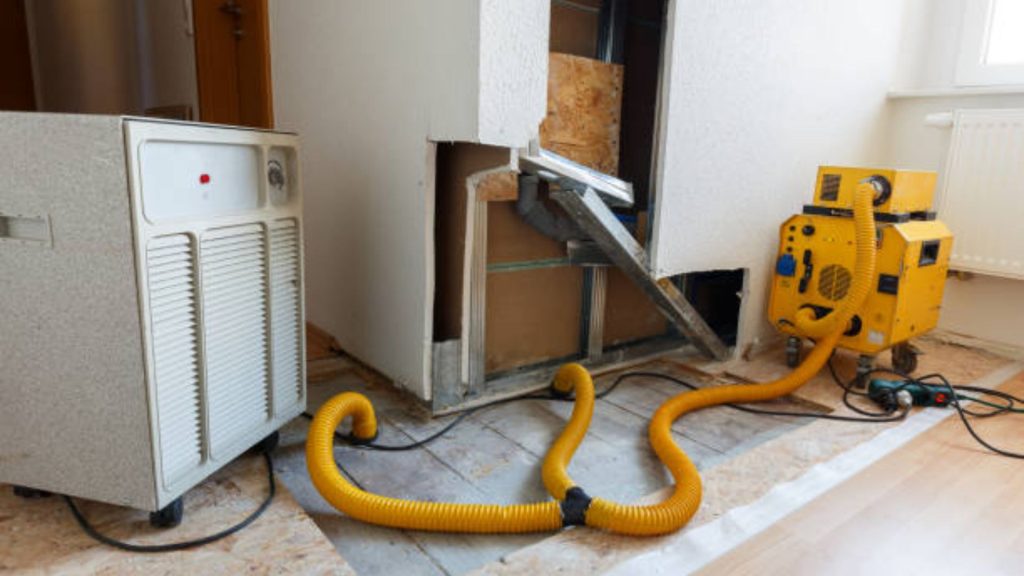
3. Dry Out the Area: Use fans, dehumidifiers, and open windows to dry out the affected areas. Increasing air circulation helps speed up the drying process.
4. Salvage Belongings: Move undamaged items to a dry area. Assess water-damaged belongings to see what can be saved and what needs to be discarded. Prioritize drying out and cleaning valuable or sentimental items.
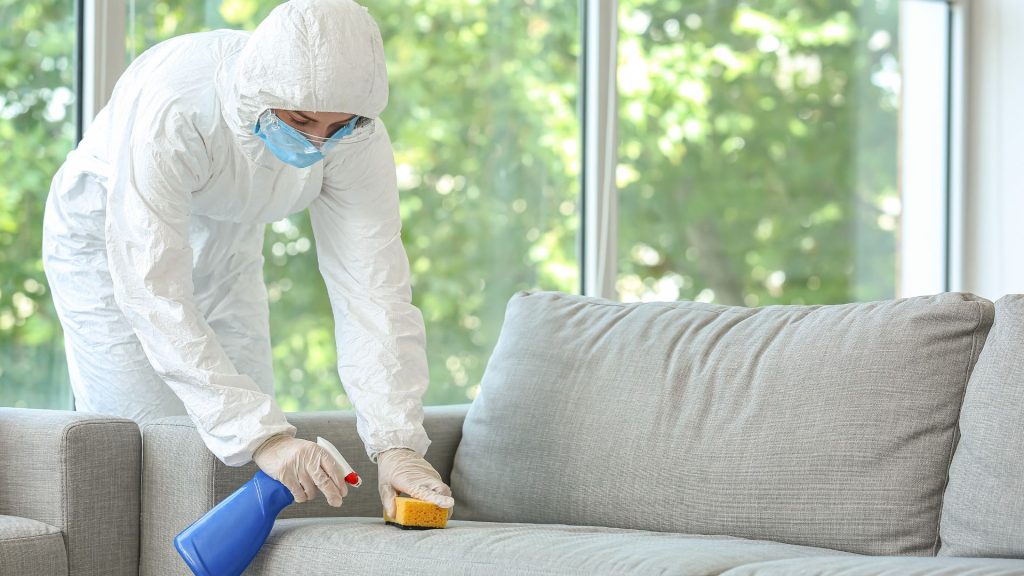
5. Clean and Disinfect: Clean all affected surfaces with disinfectants to kill bacteria and mold. Pay special attention to walls, floors, and any furniture that got wet.
Following these steps quickly can help minimize water damage and set the stage for a more effective cleanup process. Taking prompt action also reduces the risk of long-term issues.
Tools and Equipment for Effective Water Cleanup
Having the right tools makes water cleanup more manageable and quicker. Here are some essential tools and equipment you should have:
1. Wet/Dry Vacuum: This tool is perfect for sucking up standing water. Choose one with a high capacity and strong suction for the best results.
2. Pumps: Sump pumps and utility pumps help remove larger volumes of water. A backup pump is handy in case the primary one fails.
3. Dehumidifiers: These devices reduce moisture in the air, which helps in drying out the affected areas and preventing mold growth.
4. High-Powered Fans: These speed up drying by circulating air. Place them around the basement or room to target damp areas.
5. Protective Gear: Wear waterproof boots, gloves, and masks. These protect you from contaminated water and potential mold.
6. Cleaning Supplies: Stock up on disinfectants, bleach, and cleaning solutions. Use brushes and sponges to scrub surfaces thoroughly.
7. Plastic Sheeting and Containers: Use these to protect items from water during the cleanup. Store salvaged belongings in waterproof containers.
Having these tools and supplies will help you tackle water damage cleanup more effectively. They make the job easier and ensure a thorough cleanup to prevent further damage.
When to Involve Professional Restoration Services
Knowing when to call professionals is important in handling water damage. Here are some signs it’s time to involve restoration experts:
1. Extensive Water Damage: If your home has extensive water damage or high water levels, seek professional help. They have the tools and know-how to manage large-scale issues.
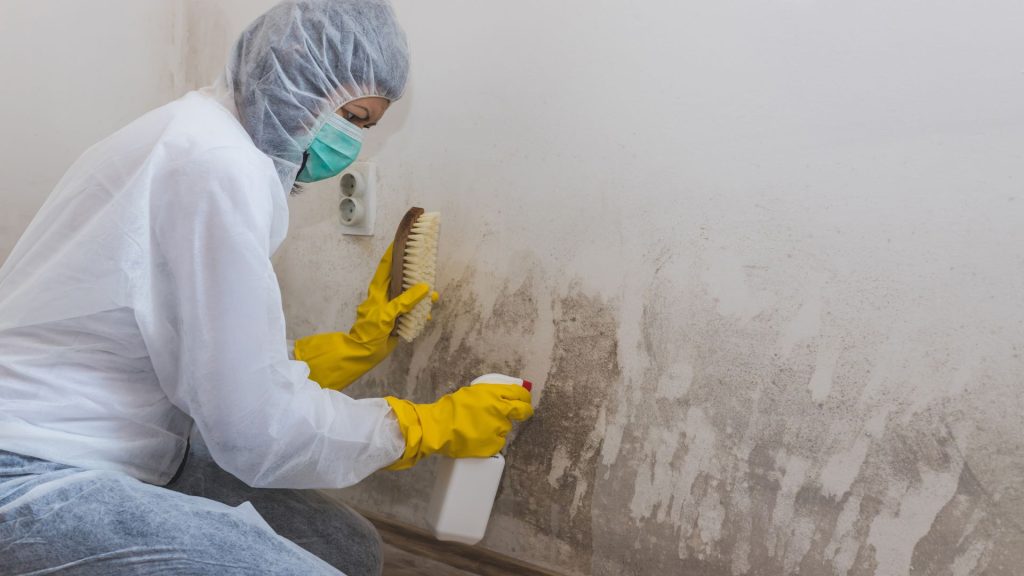
2. Mold Growth: If you spot mold or notice musty odors, call professionals immediately. Mold can cause serious health risks and requires specialized removal.
3. Contaminated Water: If the floodwater is contaminated with sewage, it’s hazardous. Professionals can safely handle and remove the contaminated water.
4. Structural Damage: If there’s visible structural damage like cracks in the foundation or sagging floors, you need an expert assessment and repairs.
5. Electrical Concerns: Water and electricity don’t mix. If the flooding affects electrical components, leave it to professionals to ensure safety.
By recognizing these signs, you can get timely help and prevent further issues. Professionals bring the right tools and expertise to restore your home safely and effectively.
Conclusion
Handling water damage after a winter storm requires quick and effective action. Start by thoroughly assessing the damage throughout your home, focusing on areas like the basement and foundation. Use the essential steps for immediate water damage mitigation such as ensuring safety, removing standing water, and drying out affected areas. Equipped with the right tools and supplies, you can manage the cleanup more efficiently.
However, there are times when involving professional restoration services is necessary. Extensive water damage, mold growth, contaminated water, structural issues, and electrical concerns all need expert attention. Recognizing these situations helps you get the right help and ensures your home is restored safely.
For expert water damage restoration in Kansas, trust Freshco. We provide comprehensive and reliable solutions to restore your home to its best condition. Contact Freshco today to handle all your water damage needs efficiently and effectively. Stay safe and prepared!