















Winter can be tough on basements, especially when it comes to flooding. Cold temperatures, heavy snowfall, and ice can lead to water seeping into your home. When your basement floods, it’s important to act quickly to minimize the damage.
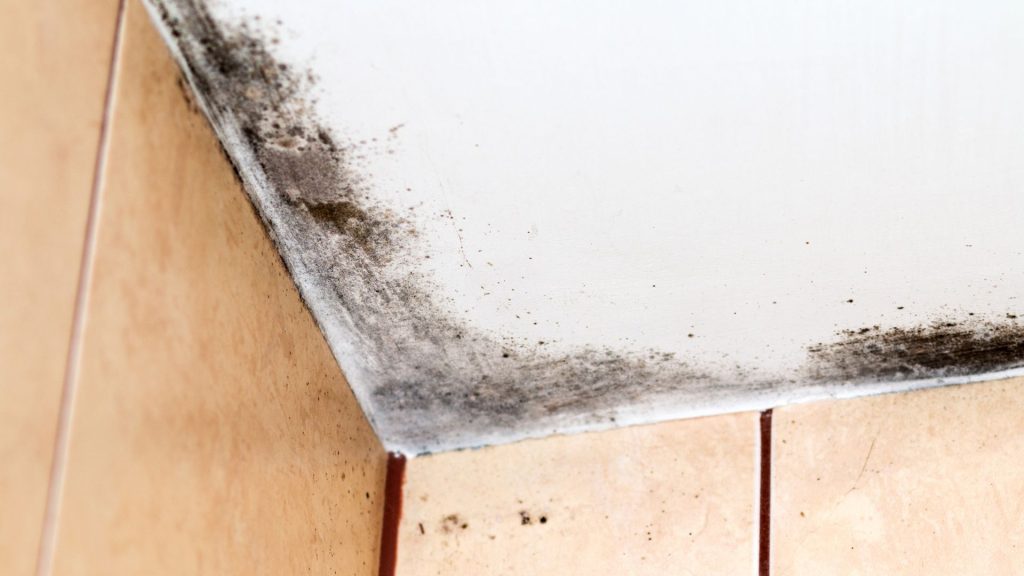
Flooding can cause severe problems, from damaged belongings to mold growth. Knowing how to respond quickly can save you a lot of time, money, and stress. Immediate actions such as stopping the water source and using the right tools are essential in controlling the situation.
This article will guide you through the steps to take when your basement floods, the tools you need, and effective methods for removing water and drying out your basement. By being prepared and knowing what to do, you can protect your home and keep it safe through the winter months.
Immediate Actions to Take When Your Basement Floods
When your basement floods, acting quickly is crucial. Here are the immediate actions you should take:
1. Turn Off Power and Water: Safety comes first. Turn off the electricity to your basement to avoid electrocution. Shut off the main water supply if the flood is due to a burst pipe.
2. Identify the Source: Determine where the water is coming from. It could be a burst pipe, a leaking window, or groundwater seeping in. Identifying the source helps you take proper action.
3. Remove Water: Start removing water as soon as possible. Use buckets, mops, or a wet/dry vacuum. The quicker you get rid of standing water, the less damage it will cause.
4. Protect Your Belongings: Move any valuable items or furniture to a dry area. Elevate furniture above the water level if you can’t move it. This prevents further damage.
5. Ventilate the Area: Open windows and doors to let in fresh air. Ventilation helps to reduce humidity and speeds up the drying process.
6. Call for Help: Contact professionals for immediate assistance if the flood is severe. They have the equipment and expertise to handle large-scale flooding.
These steps can make a big difference in controlling basement flooding and minimizing damage to your home.
Essential Tools for Quick Flood Response
Having the right tools on hand makes managing basement flooding easier and more effective. Here are some essential tools you should have:
1. Wet/Dry Vacuum: This is a must-have for quickly removing water from floors and carpets. Choose a model with a strong motor and a large tank for better efficiency.
2. Submersible Pump: Use a submersible pump to remove large volumes of water. It can pump water out of basements, leaving the area much drier than manual removal methods.
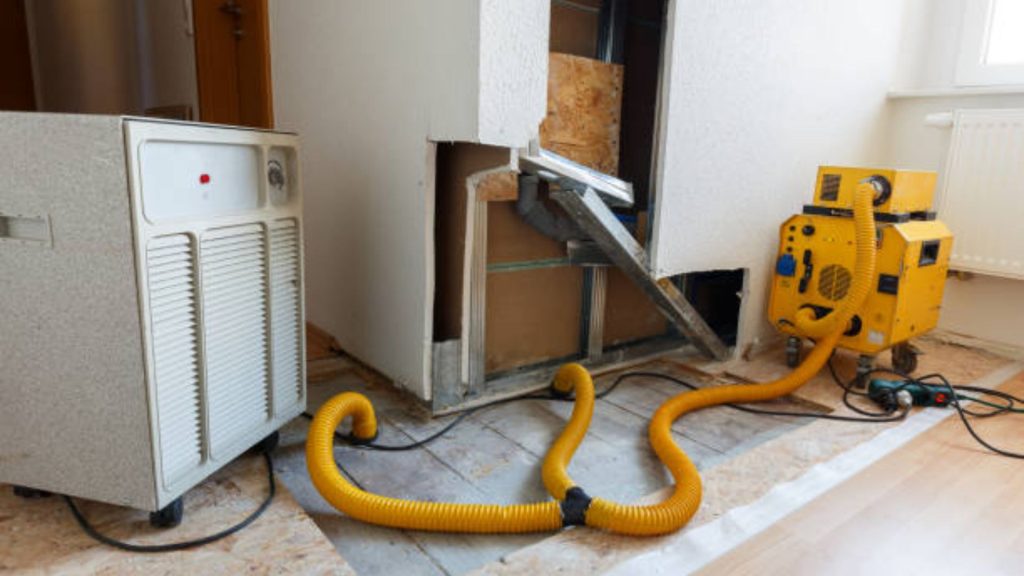
3. Dehumidifier: A dehumidifier helps reduce moisture levels in the air, preventing mold and mildew growth. It’s essential for drying out the basement after removing standing water.
4. Heavy-Duty Fans: High-velocity fans increase airflow and speed up the drying process. Place them strategically around the basement for even drying.
5. Moisture Meter: This tool measures the moisture level in materials like wood and drywall. It helps ensure that areas are completely dry and prevents hidden moisture problems.
6. Plastic Sheeting: Use plastic sheeting to protect furniture and other belongings from water damage. It’s also useful for covering windows or sealing off areas to control ventilation.
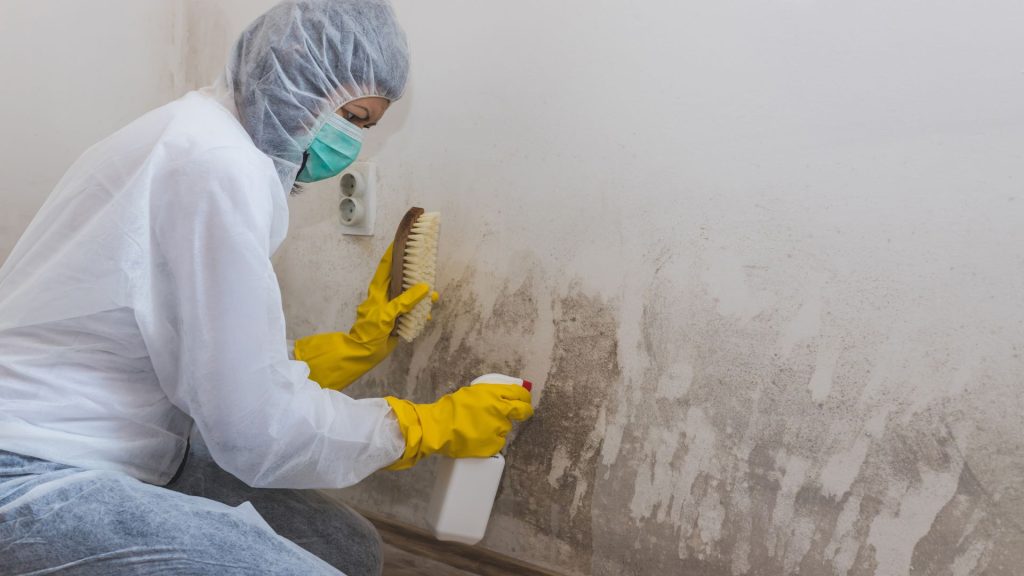
7. Cleaning Supplies: Stock up on disinfectants, bleach, and other cleaning agents. These are necessary for sanitizing affected areas and preventing bacteria and mold growth.
Being equipped with these tools allows you to respond quickly and effectively to any flooding in your basement.
Effective Methods for Water Removal and Drying
Once the immediate flood response is handled, the next step is to remove water and dry out your basement completely. Here are effective methods to do so:
1. Pump Out Standing Water: For large amounts of water, use a submersible pump to quickly remove it. Submersible pumps can handle deep water and are efficient at pumping it out even in low areas.
2. Wet/Dry Vacuum: For smaller amounts of water or wet spots, a wet/dry vacuum is ideal. It can suck up water from carpets, floors, and other surfaces, making it an essential tool for basement flooding.
3. Use Fans and Dehumidifiers: Once standing water is removed, use high-velocity fans and dehumidifiers to dry out the space. Fans increase air circulation, while dehumidifiers reduce moisture in the air, helping to prevent mold and mildew.
4. Open Windows and Doors: If the weather permits, open windows and doors to let fresh air in. Ventilation speeds up the drying process and reduces humidity levels in the basement.
5. Monitor Moisture Levels: Use a moisture meter to check damp spots within walls, floors, and furniture. Ensure these areas are completely dry to prevent future problems.
6. Clean and Disinfect: After drying, clean and disinfect all surfaces. This step is crucial to eliminate bacteria, mold spores, and unpleasant odors caused by flooding.
Using these methods will help you effectively remove water and dry out your basement, minimizing the risk of long-term damage.
How to Prevent Future Basement Flooding
Preventing future basement flooding is easier than dealing with the damage. Here are practical steps to keep your basement dry:
1. Maintain Gutters and Downspouts: Clean your gutters regularly to ensure they are free of debris. Make sure downspouts direct water away from your foundation to prevent water from seeping into your basement.
2. Install a Sump Pump: A sump pump can be a lifesaver for flood-prone basements. Install a sump pump with a battery backup to ensure it works even during power outages.
3. Seal Cracks and Gaps: Inspect your basement walls and floors for any cracks or gaps. Seal these with waterproof caulk or hydraulic cement to prevent water infiltration.
4. Landscaping: Ensure that the ground around your home slopes away from the foundation. This helps to direct rainwater away from the house, lowering the risk of basement flooding.
5. Install Window Well Covers: If you have basement windows, install window well covers to keep rain and snow out. These covers can prevent water from pooling around your windows and entering your basement.
6. Regular Inspections: Conduct regular inspections of your plumbing, foundation, and waterproofing measures. Early detection of potential issues allows you to address them before they become major problems.
Following these steps can help you prevent basement flooding and protect your home from water damage.
Conclusion
Facing a basement flood can feel overwhelming, but with quick actions and the right tools, you can manage the situation effectively. Understanding how to remove water and dry out your basement thoroughly is crucial to prevent mold and structural damage. Additionally, taking preventive steps can keep your basement dry and safe from future floods.
Freshco is here to help you through every step of cleaning up a flooded basement. Our expert team in Kansas offers comprehensive solutions, from immediate flood response to long-term prevention strategies. Contact Freshco today to ensure your home stays protected.