














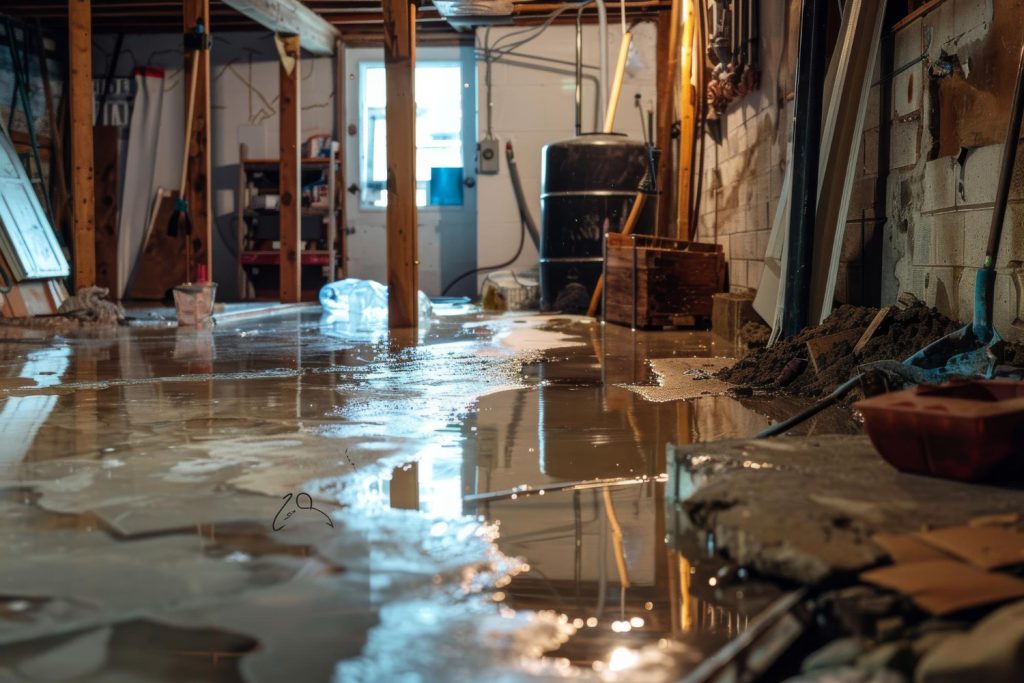
Winter can be a challenging time for homeowners in Kansas, especially when it comes to basement flooding. Freezing temperatures, melting snow, and heavy rain can all lead to water finding its way into your basement. Flooding can cause significant damage to your property and create a stressful situation. Knowing what to do when this happens can make all the difference.
Basement flooding is not just an inconvenience; it can lead to long-term problems like mold growth and structural damage. Water can seep into the foundation, rot wooden supports, and ruin your belongings. It’s essential to act quickly and effectively to minimize the damage and ensure the safety of your home.
This article will guide you through the process of dealing with a flooded basement. From understanding why basements flood in winter to taking immediate steps and having the right tools on hand, you’ll learn how to manage this challenging situation. Plus, you’ll find out when it’s time to call in professional restoration services to help you recover. Stay prepared and protect your home this winter with these essential tips.
Common Causes of Basement Flooding in Winter
Freeze-thaw cycles are a common cause of basement flooding. When temperatures drop, water can freeze in and around your home’s foundation. As ice expands, it can create cracks and gaps in the foundation. Once it thaws, water can seep through these openings and flood your basement.
Melting snow is another big problem. During a thaw, all that accumulated snow around your home melts quickly. If the ground is still frozen, the water has nowhere to go and can pool around the foundation, eventually seeping into the basement. Heavy rains combined with melting snow can worsen this issue, leading to significant flooding.
Poor drainage systems also contribute to basement floods. If your gutters and downspouts are clogged or damaged, they can’t channel water away from your home effectively. Water will collect near the foundation and eventually find its way into the basement. Ensure your gutters are clean and your downspouts direct water well away from your home to help prevent this.
Immediate Steps to Take When Your Basement Floods
If your basement floods, act fast to minimize damage. Start with these immediate steps:
1. Ensure Safety: Before entering a flooded basement, make sure it’s safe. Turn off electricity to the area to avoid the risk of electric shock. Wear waterproof boots and gloves to protect yourself from contaminated water.
2. Stop the Water Source: Identify and stop the water source if possible. If a burst pipe is causing the flood, turn off the main water supply. If water is seeping in from outside, try to divert it away from your home using sandbags or other barriers.
3. Remove Standing Water: Use a pump, wet/dry vacuum, or buckets to remove standing water from your basement. The quicker you can get rid of the water, the less damage it will cause. Dispose of the water safely, following local guidelines.
4. Dry Out the Area: After removing the water, start drying out the basement right away. Use fans, dehumidifiers, and open windows (if weather permits) to increase airflow and help dry out the space.
5. Protect Belongings: Move any undamaged items to a dry area and assess the damage to affected belongings. Prioritize valuable or sentimental items for immediate attention.
6. Document the Damage: Take photos and notes of the damage for insurance claims. Documenting the scene thoroughly will be helpful when reporting the incident to your insurance company.
By following these steps, you can help minimize the damage from basement flooding and begin the cleanup process efficiently.
Essential Tools and Supplies for Effective Cleanup
Having the right tools and supplies makes cleanup easier and more efficient. Here are the essentials you’ll need:
1. Wet/Dry Vacuum: A wet/dry vacuum is crucial for removing standing water. Choose one with a large capacity and strong suction power.
2. Pumps: Sump pumps and utility pumps help manage larger volumes of water. Have a backup pump in case the primary one fails.
3. Dehumidifier: After you remove the water, use a dehumidifier to reduce moisture in the air. This helps prevent mold and mildew growth.
4. Fans: High-powered fans speed up the drying process by circulating air. Place them around the basement to target damp areas.
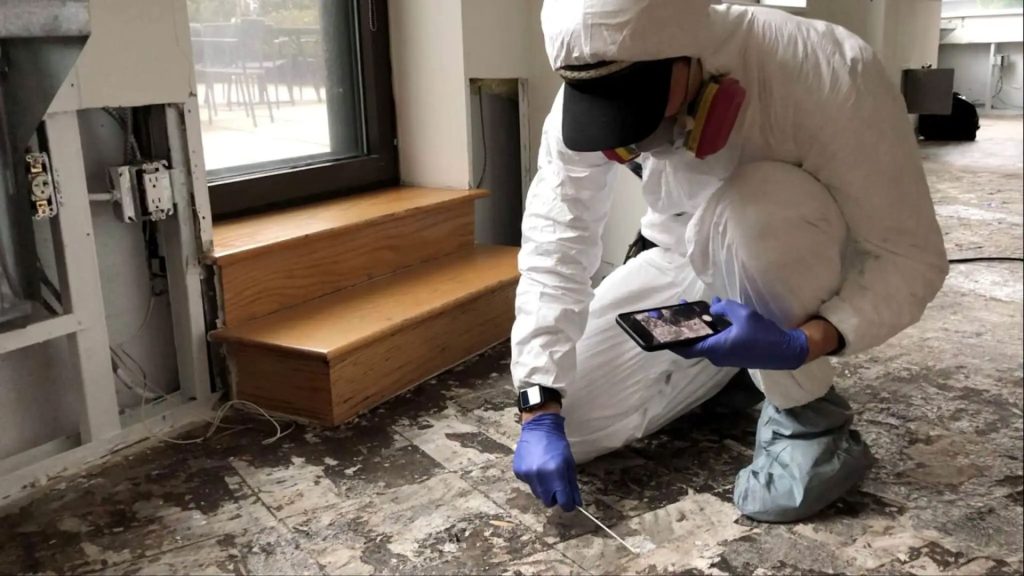
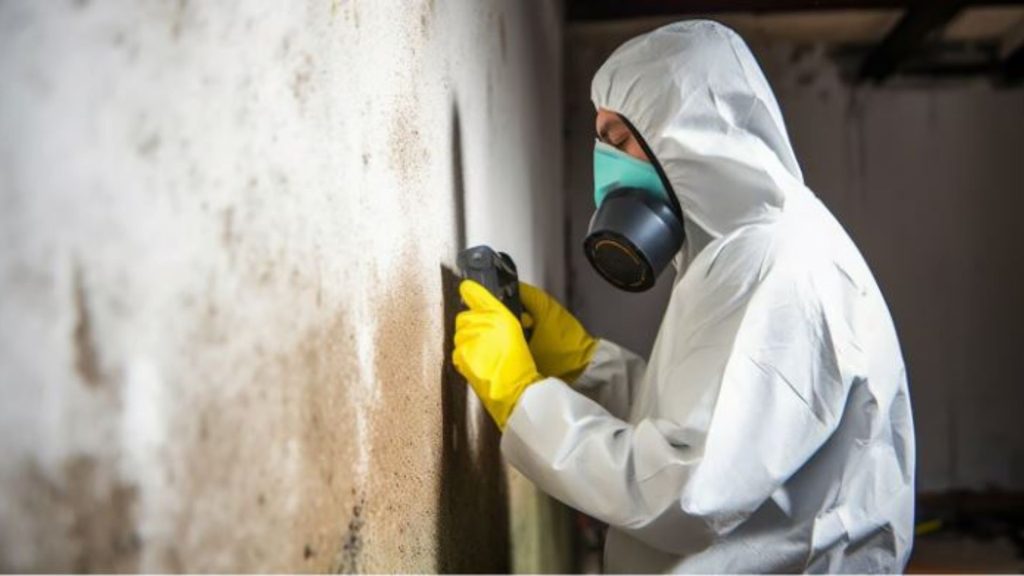
5. Protective Gear: Wear waterproof boots, gloves, and a mask to protect yourself from contaminated water and airborne particles.
6. Cleaning Supplies: Stock up on disinfectants, bleach, and cleaning solutions to sanitize surfaces. Use brushes and sponges to scrub affected areas.
7. Plastic Sheeting and Containers: Use plastic sheeting to protect items from water damage during cleanup. Store salvaged belongings in waterproof containers to keep them safe.
Having these tools and supplies on hand makes the cleanup process smoother and more effective, helping you restore your basement quickly.
When to Call Professional Restoration Services for Flood Damage
Knowing when to call a professional is key to ensuring a successful and safe cleanup. Here are signs that it’s time to call in the experts:
1. Extensive Water Damage: If the water damage is widespread or if the water level is high, professional help is needed. They have the equipment and expertise to handle extensive flood damage.
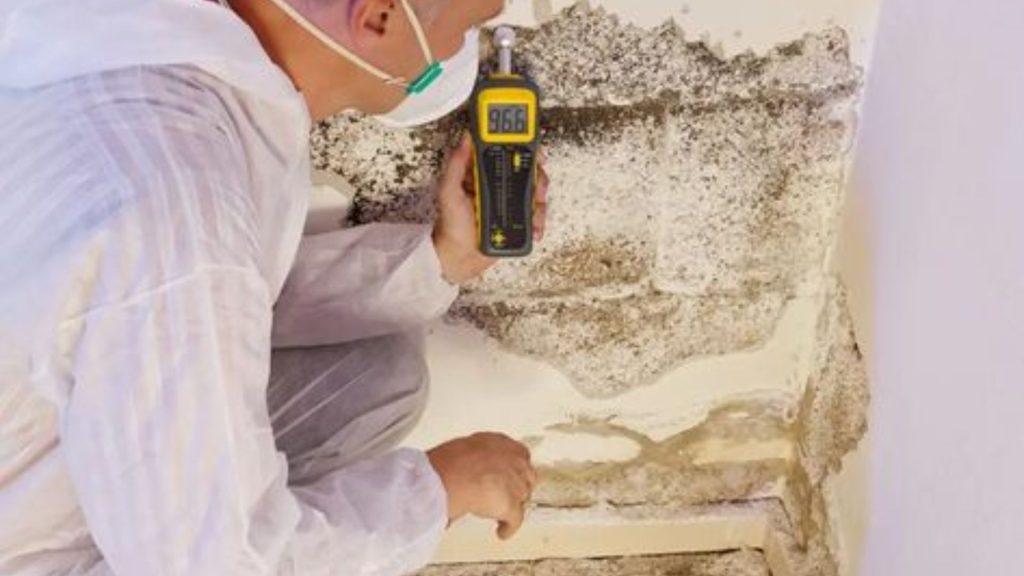
2. Mold Growth: If you see or smell mold, contact a professional immediately. Mold can cause severe health problems and must be removed safely.
3. Sewage Contamination: If the floodwater is contaminated with sewage, it poses a health risk. Professionals have the training and equipment to handle hazardous materials.
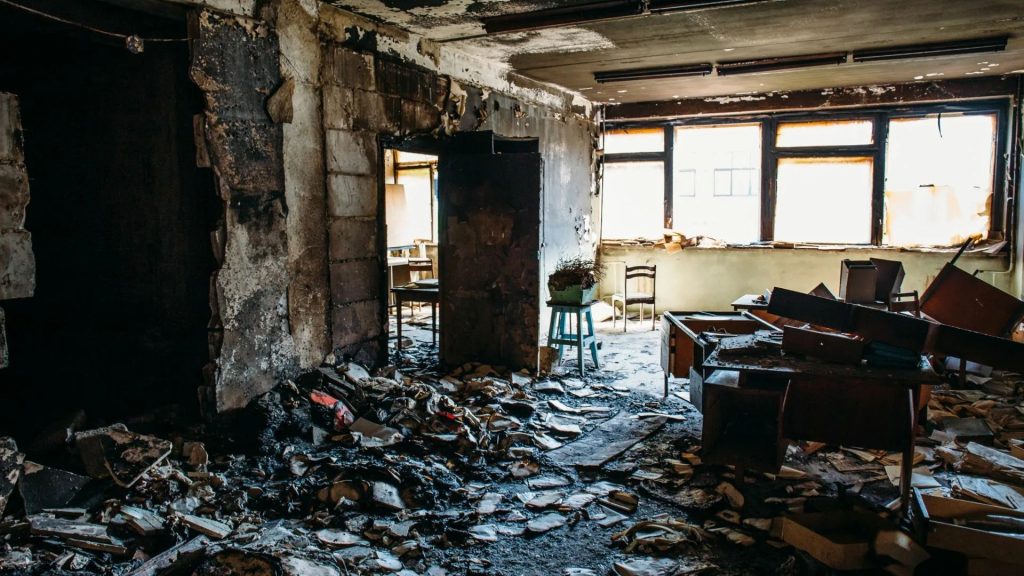
4. Structural Damage: If the flood has caused structural damage, such as cracks in the foundation or sagging floors, you need a professional assessment and repair.
5. Electrical Concerns: Water and electricity don’t mix. If the flood has affected electrical components, it’s best to let professionals manage the cleanup to avoid the risk of electric shock.
By knowing when to call in the pros, you can save time and ensure that the cleanup is done correctly and safely.
Conclusion
Dealing with a flooded basement in winter can be a daunting task, but timely actions can prevent severe damage. Recognizing the common causes of winter flooding, like freeze-thaw cycles and poor drainage, helps you stay vigilant. Taking immediate steps such as stopping the water source and removing standing water can save your property from further harm. Equipped with essential tools and supplies, you can efficiently manage the cleanup.
However, knowing when to call professional restoration services is crucial. Extensive water damage, mold growth, sewage contamination, structural issues, and electrical hazards are all scenarios where expert help is needed. Professionals come equipped with the right tools and knowledge to handle these challenges safely and effectively.
Keeping your home safe during winter floods takes preparation and prompt action. If you need expert assistance with flood damage restoration, Freshco is here to help. Contact Freshco to ensure your home is restored to its best condition. Stay safe and prepared this winter!