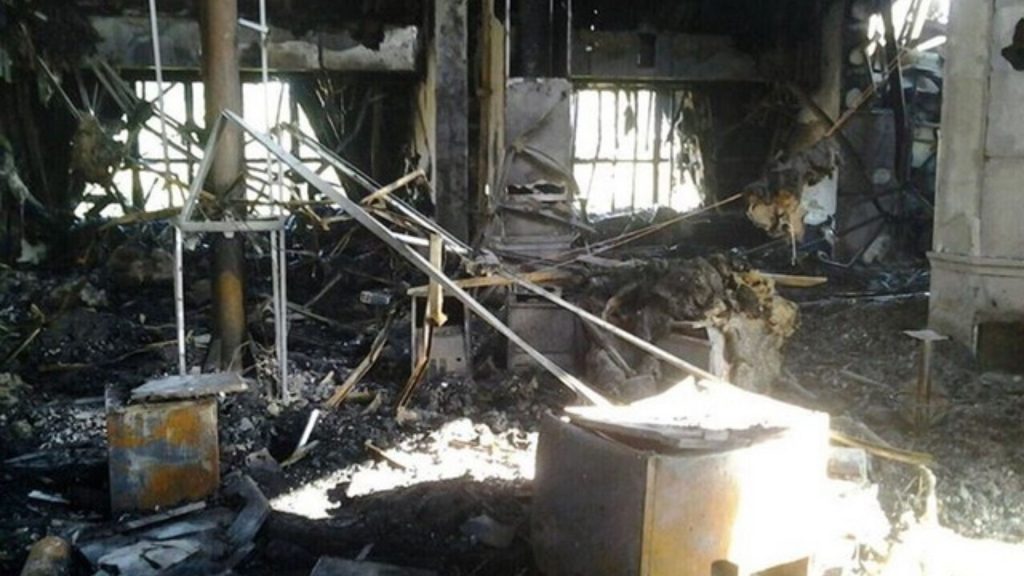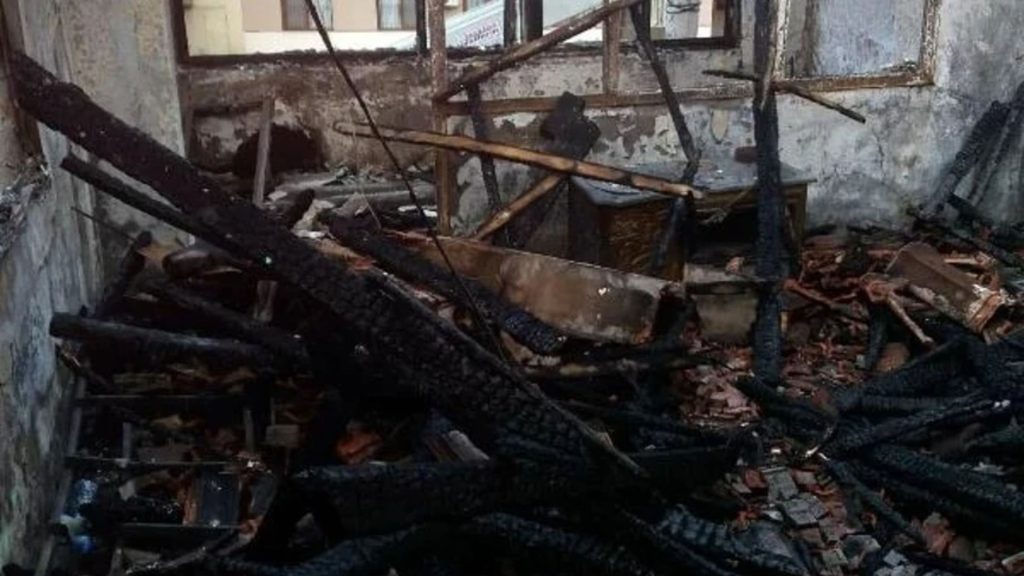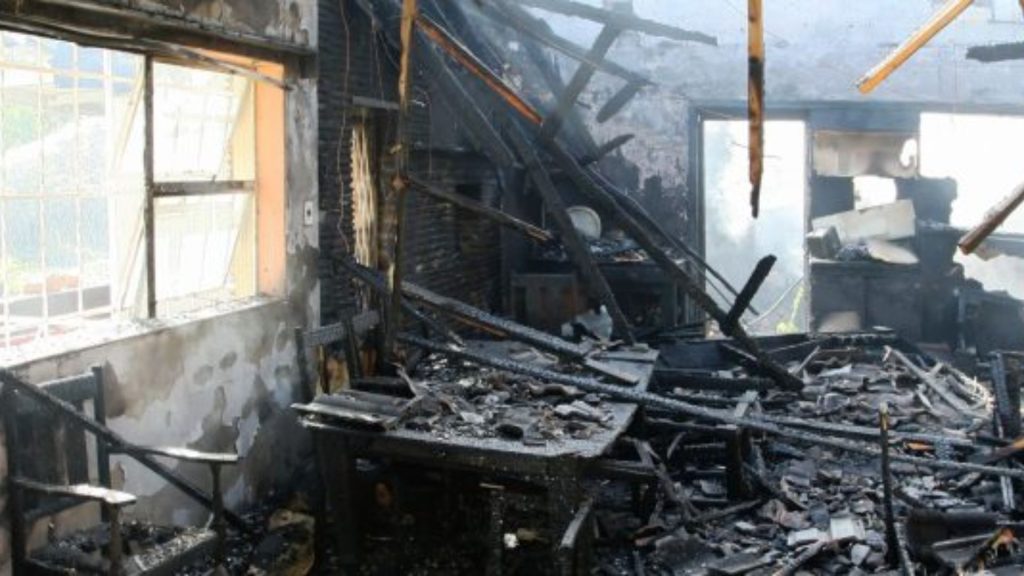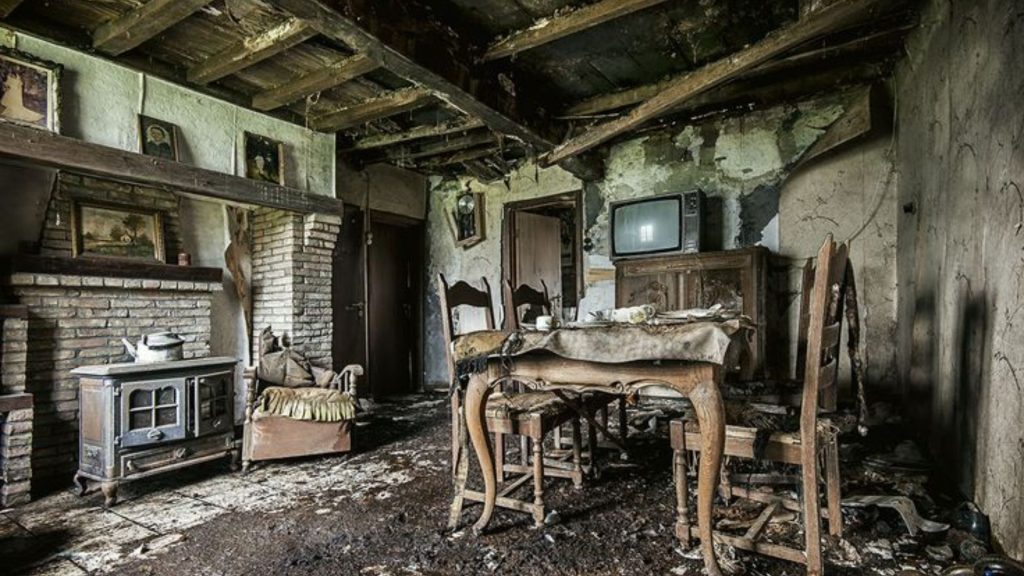













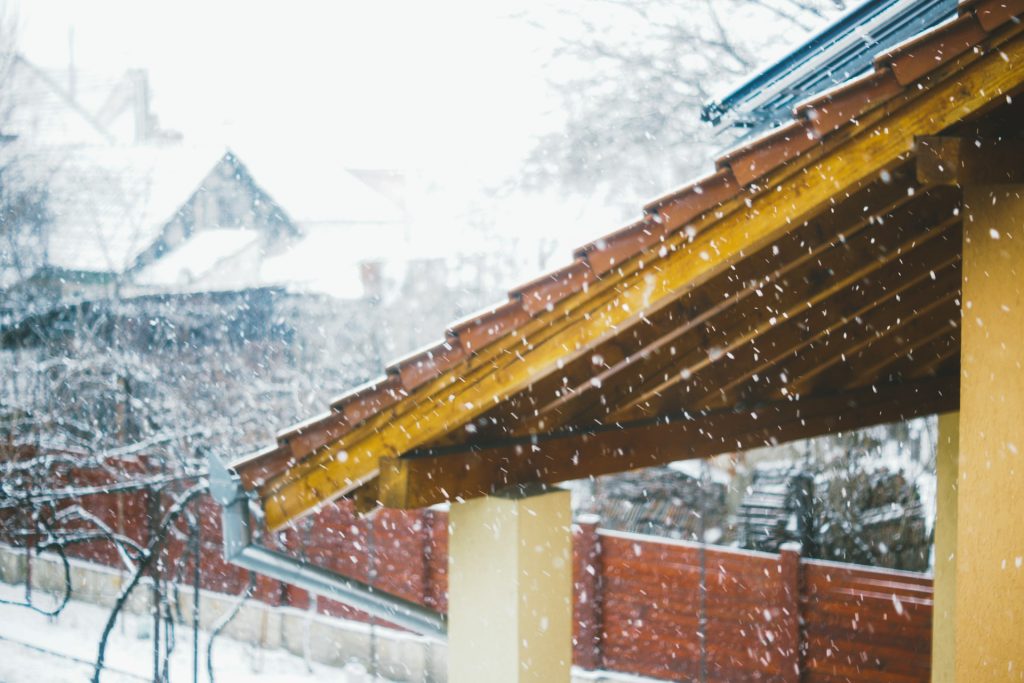
Winter can be harsh on your home, especially with the risk of water damage. Freezing temperatures, snow, and ice can cause pipes to burst or lead to roof leaks. Preparing for these potential problems can save you a lot of trouble and expense.
Water damage can sneak up on you, causing significant issues if not addressed promptly. Early signs, like water stains and musty odors, can help you catch problems before they escalate. Knowing what to look for and having the right tools on hand is crucial for quick action and prevention.
This article will guide you in recognizing the signs of water damage, gathering essential tools, and taking immediate steps when you suspect trouble. You’ll also learn some tips to prevent water damage during the winter months. Being prepared can help protect your home and keep it safe through the winter season.
Key Signs of Potential Water Damage in Winter
Recognizing early signs of water damage can help you tackle problems before they get worse. Here are some key signs to look out for during winter:
1. Water Stains: Look for yellow or brown stains on your ceilings and walls. These can indicate leaks from the roof or plumbing issues inside your walls.
2. Musty Odors: A musty smell often means mold or mildew. Mold can grow quickly in damp areas such as basements, attics, and behind walls.
3. Peeling Paint or Wallpaper: Moisture can cause paint or wallpaper to bubble, peel, or crack. This is a clear sign of water seeping into your walls.
4. Warped Floors: Check for warped or buckled floors, especially near doors and windows. Water damage can cause wooden or laminate floors to swell and change shape.
5. Increased Utility Bills: An unexplained spike in your water bill could indicate a hidden leak in your plumbing system.
6. Ice Dams: Ice dams on your roof can cause melted water to back up under your shingles, leading to leaks inside your home.
By keeping an eye out for these signs, you can address water damage early and prevent bigger issues down the line.
Essential Tools to Have on Hand for Winter Water Damage
Being prepared with the right tools can make all the difference when dealing with winter water damage. Here are some essential tools you should have ready:
1. Wet/Dry Vacuum: This versatile tool is perfect for sucking up water from carpets, floors, and other surfaces quickly. Look for one with a strong motor and large capacity.
2. Dehumidifier: A dehumidifier helps remove excess moisture from the air. This is important for drying out areas that have been affected by water damage.
3. Fans: High-powered fans can speed up the drying process by increasing air circulation. Place them around the affected area to help dry out surfaces faster.
4. Moisture Meter: This tool helps you measure the moisture level in materials such as wood and drywall. It can help you identify hidden damp spots that need attention.
5. Plastic Sheeting: Use plastic sheeting to cover and protect furniture, electronics, and other valuables from water damage.
6. Sump Pump: If you have a basement, a sump pump is crucial for pumping out pooled water to prevent flooding.
7. Protective Gear: Wear gloves, waterproof boots, and a mask to protect yourself from coming into contact with dirty water and mold.
8. Cleaning Supplies: Keep a stock of disinfectants, bleach, and absorbent materials. These help you clean and sanitize affected areas effectively.
Having these tools on hand can help you respond quickly and effectively to water damage, minimizing the impact on your home.
Steps to Take When You Suspect Water Damage
Acting quickly when you suspect water damage can limit the extent of the problem. Here are important steps to follow:
1. Turn Off Water Supply: If you suspect a burst pipe or a leak, turn off the main water supply to stop any further water flow. This action can minimize damage and make cleanup easier.
2. Document the Damage: Take photos and videos of the affected areas. This documentation is crucial for insurance claims and can help in the repair process.
3. Remove Standing Water: Use a wet/dry vacuum, pumps, or buckets to get rid of standing water. This prevents further water absorption and minimizes damage.
4. Dry Out Affected Areas: Use fans and dehumidifiers to dry out the wet areas. Keep windows open to improve air circulation. Removing moisture quickly helps prevent mold growth.
5. Clean and Disinfect: Thoroughly clean and disinfect all affected surfaces to prevent bacteria and mold from spreading. Use appropriate cleaning agents for the best results.
6. Inspect for Hidden Damage: Check hidden areas such as behind walls and under floors for any signs of water damage. Use a moisture meter to ensure all areas are dry.
Taking these steps promptly helps control the damage and sets the stage for any necessary repairs or professional restoration services.
Tips for Preventing Winter Water Damage
Preventing water damage in winter starts with being proactive. Here are practical tips to help you safeguard your home:
1. Insulate Pipes: Insulate exposed pipes in your basement, attic, and crawl spaces to prevent freezing and bursting. Foam pipe insulation is easy to install and effective.
2. Maintain Your Roof: Keep your roof in good condition by repairing any damaged shingles or flashing. Clean gutters and downspouts to ensure proper drainage and prevent ice dams.
3. Seal Cracks and Gaps: Use caulk or weatherstripping to seal any cracks or gaps around windows, doors, and the foundation. This helps keep cold air and moisture out of your home.
4. Install a Sump Pump: If your basement is prone to flooding, a sump pump can help remove excess water before it causes damage. Consider a battery backup for added protection.
5. Keep Heat On: Maintain a consistent temperature in your home, even when you’re away. Set your thermostat no lower than 55 degrees Fahrenheit to prevent pipes from freezing.
6. Check for Leaks Regularly: Routinely inspect your home for any signs of leaks, including under sinks, around toilets, and near water heaters. Early detection can prevent major issues.
7. Install Water Detection Devices: Place water detection alarms in areas prone to leaks. These devices alert you to the presence of water before significant damage occurs.
Following these tips can help prevent water damage and keep your home safe during the winter months.
Conclusion
Winter water damage can be a serious concern, but with the right knowledge and preparation, you can protect your home effectively. By understanding the key signs of potential water damage, you can catch problems early and address them promptly. Having essential tools on hand, such as a wet/dry vacuum, dehumidifiers, and moisture meters, ensures you are equipped to handle any issues that arise.
Taking immediate steps when you suspect water damage and following preventive measures can save you time, money, and stress. Insulating pipes, maintaining your roof, sealing gaps, and using water detection devices are practical ways to safeguard your home from winter’s harsh effects.
For expert assistance in managing water damage and restoring your home, trust Freshco. We offer comprehensive water damage restoration in Kansas to ensure your home is safe and well-maintained through every season. Contact Freshco today for a free consultation and keep your home protected.