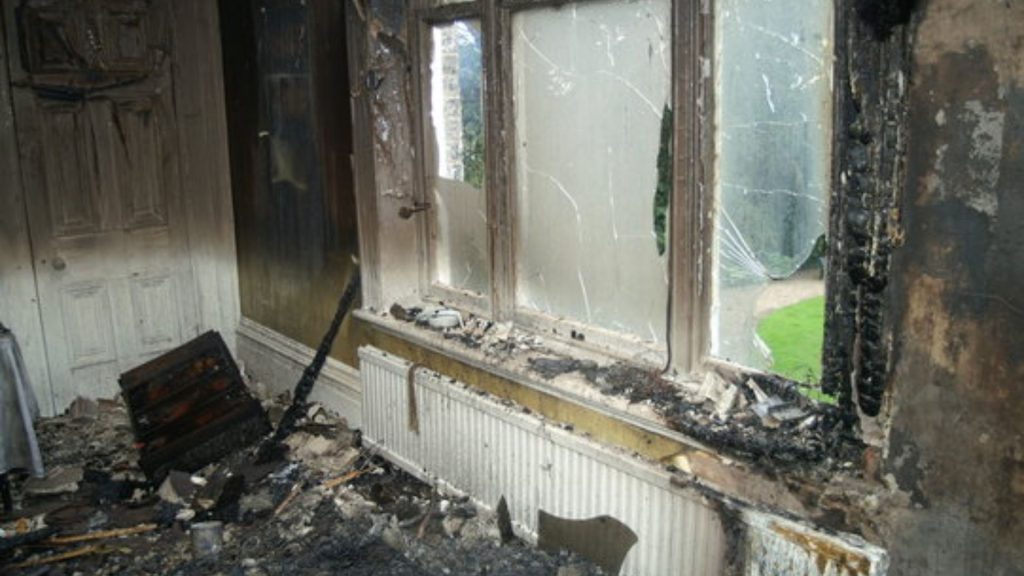















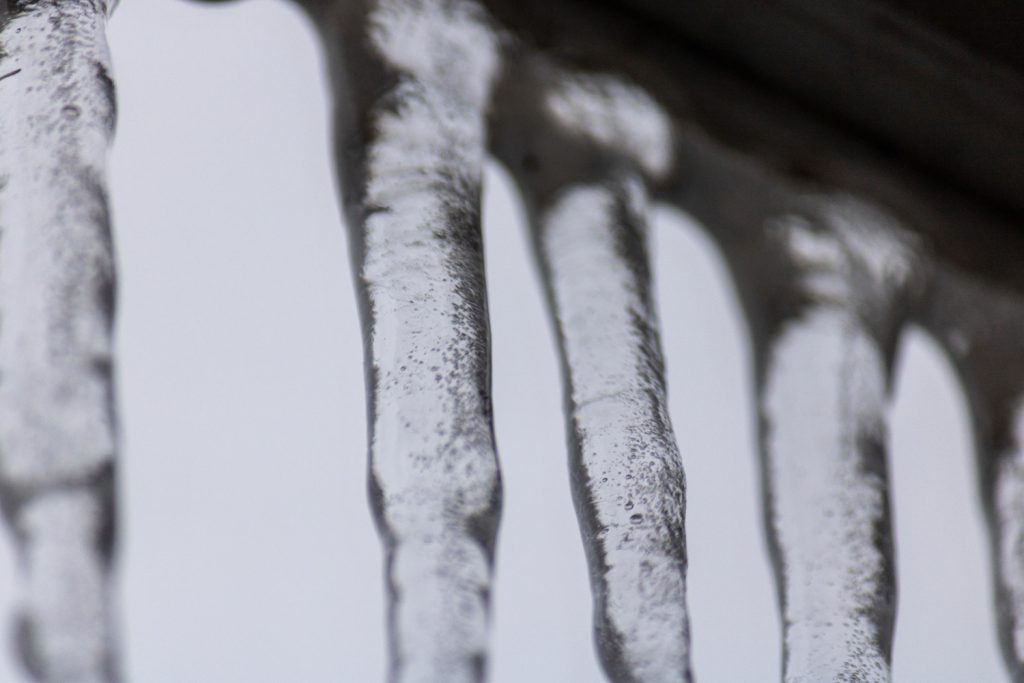
Winter can be harsh on homes, especially when water damage occurs. Cold weather, heavy snow, and ice can lead to leaks and flooding, creating significant problems. When water damage strikes, knowing how to respond quickly and effectively is essential to minimize harm and restore your home.
Water damage during winter isn’t just about the visible water. It can infiltrate walls, floors, and furniture, leading to mold growth and structural issues if not addressed promptly. Acting swiftly can prevent long-term consequences and make the recovery process smoother.
In this guide, we will walk you through the key steps for winter water damage recovery. From assessing the damage to removing water and drying affected areas, each step is crucial for restoring your Kansas home to its best condition. Taking these actions will help protect your home and ensure it stays safe and comfortable throughout the winter season.
Assessing the Extent of Water Damage
Before starting any recovery efforts, it’s important to assess the extent of the water damage. This helps determine the best course of action and prioritize areas that need immediate attention.
1. Inspect the Affected Areas: Start by checking all the areas impacted by water. Look at walls, floors, ceilings, and any belongings that might be soaked. Pay close attention to areas with discoloration, bulging, or a musty smell as these could indicate hidden damage.
2. Check for Structural Damage: Inspect the structural elements of your home, such as the foundation, walls, and roof. Water can weaken these structures, making your home unsafe. If you notice any cracks or significant damage, it’s best to consult with professionals for a thorough evaluation.
3. Document the Damage: Take photos and notes of all the damage you find. This documentation is useful when filing insurance claims and helps track the progress of your recovery efforts. Make sure to capture both wide shots and close-ups of the affected areas.
4. Identify the Water Source: Determine the origin of the water damage. It might be from a burst pipe, roof leak, or flooded basement. Identifying the source helps prevent further water intrusion and allows you to focus on stopping the leak first.
Understanding the extent of the damage ensures that you take the right steps in the next phases of recovery, helping you address every issue effectively.
Removing Standing Water and Moisture
Once you’ve assessed the damage, the next step is to remove any standing water and moisture. This prevents further damage and stops mold growth.
1. Use a Submersible Pump: If there is a significant amount of standing water, a submersible pump is essential. It can remove water quickly from the basement or other low areas. Make sure the pump is suitable for the depth and volume of water.
2. Wet/Dry Vacuum: For smaller puddles or damp spots, a wet/dry vacuum works well. It can suck up water from carpets, floors, and upholstery. Be thorough in your work to ensure no water is left behind.
3. Remove Water-Soaked Items: Take out any items that are soaked, such as rugs, furniture, and electronics. These items can hold moisture and contribute to mold growth. Move them to a dry, airy space to begin drying.
4. Mop and Towels: Use mops and towels to soak up any remaining moisture on hard surfaces. This may take some time, but it’s crucial to get as much water out as possible.
5. Ventilate the Area: Open windows and doors to allow fresh air to circulate. Use fans to increase airflow and help with drying. Proper ventilation speeds up the evaporation of moisture from surfaces and the air.
After removing standing water and moisture, you can focus on thoroughly drying and dehumidifying the affected areas to prevent any lingering issues.
Drying and Dehumidifying Affected Areas
After removing standing water, the next crucial step is drying and dehumidifying the affected areas to prevent mold and further damage.
1. Use High-Velocity Fans: To increase airflow in the basement or affected rooms, place high-velocity fans around them. Position the fans to blow air across the wet surfaces, speeding up the evaporation process.
2. Dehumidifiers: Set up dehumidifiers to reduce moisture levels in the air. Dehumidifiers pull moisture from the air, which helps dry out walls, floors, and furniture faster. For best results, use commercial-grade dehumidifiers that can handle large spaces and high moisture levels.
3. Open Windows and Doors: On dry days, open windows and doors to let in fresh air. Cross-ventilation helps to pull moisture out of the house naturally, working alongside fans and dehumidifiers.
4. Monitor Moisture Levels: Use a moisture meter to check the progress of your drying efforts. Measure the moisture content in walls, floors, and wooden structures regularly until they reach safe levels.
5. Remove Baseboards and Trim: If the water damage is extensive, consider removing baseboards and trim to allow air to circulate behind them. This helps ensure that all hidden moisture is dried out.
6. Dry Personal Belongings: Lay out books, papers, and other personal items in a dry area with good airflow. Some items may need to be professionally dried to avoid further damage.
By thoroughly drying and dehumidifying your home, you reduce the risk of mold and prepare for the next steps of restoration.
Repairs and Restoration Steps
Once the affected areas are dry, it’s time to start the repairs and restoration process. This step involves fixing any damage caused by the water and restoring your home to its pre-damage condition.
1. Inspect and Repair Structural Damage: Examine the structural aspects of your home, such as beams, walls, and floors. Repair any damaged areas to ensure the structural integrity of your home. If you’re unsure about the extent of damage, consult a professional.
2. Replace Damaged Materials: Remove and replace materials that were too damaged to salvage. This may include drywall, insulation, wooden flooring, and carpets. Make sure to use water-resistant materials if possible to help prevent future damage.
3. Clean and Disinfect: Thoroughly clean and disinfect all surfaces to remove any bacteria or mold spores. Use specialized cleaners for mold if necessary to ensure the affected areas are completely sanitized.
4. Repaint and Refinish: After repairs, repaint walls and refinish floors if needed. This not only restores the aesthetic look of your home but also helps to seal any materials that were replaced or damaged.
5. Check Electrical Systems: Ensure that all electrical systems affected by the water are inspected and repaired by a licensed electrician. Water can cause significant damage to electrical wiring, posing a fire risk if not addressed properly.
6. Test for Mold: Conduct a mold test in all areas that were affected by the water damage. Even with thorough drying and cleaning, mold can develop in hidden spots. Use mold test kits or hire professionals for a comprehensive check.
Carefully following these repair and restoration steps helps to fully recover from water damage, bringing your home back to normal and preventing future issues.
Conclusion
Recovering from winter water damage requires a structured approach, starting from assessing the damage to thorough drying and repairing affected areas. Each step is vital to restoring your home and preventing long-term problems like mold and structural damage.
By following these guidelines, you can effectively manage water damage and ensure your Kansas home remains safe and comfortable. FreshCo stands ready to assist you with expert water damage restoration solutions. Contact FreshCo today to get your home back to its best shape.