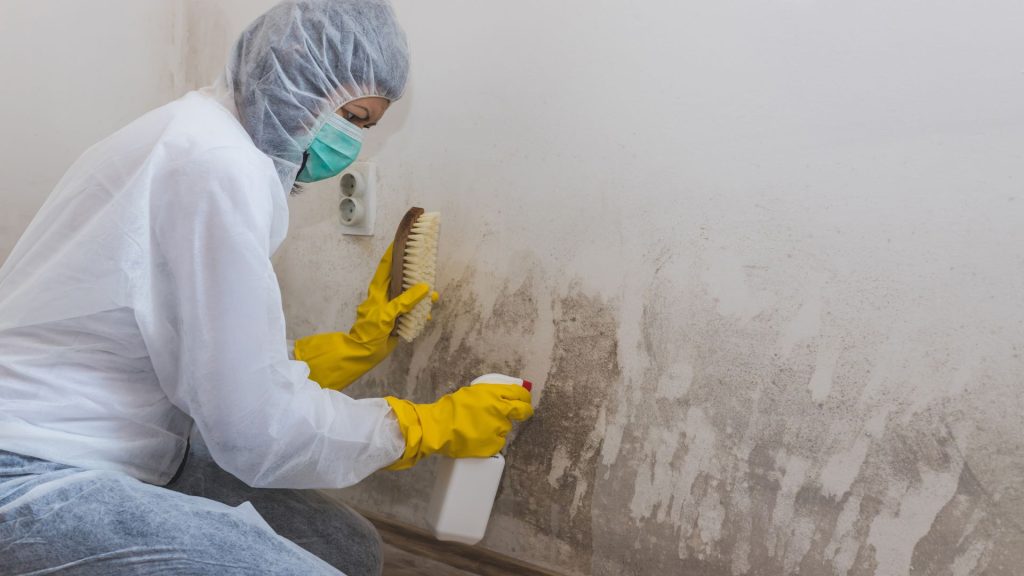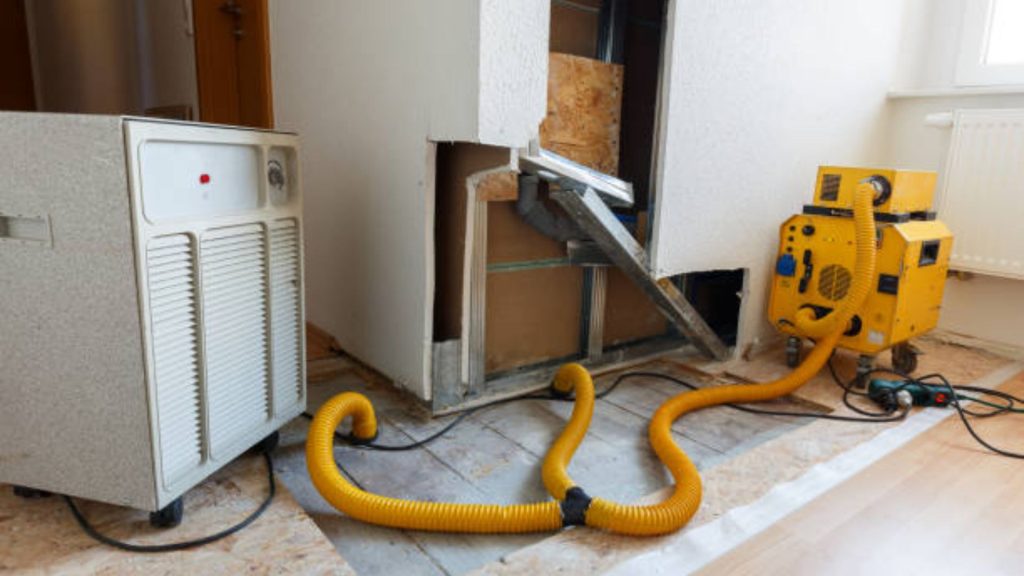















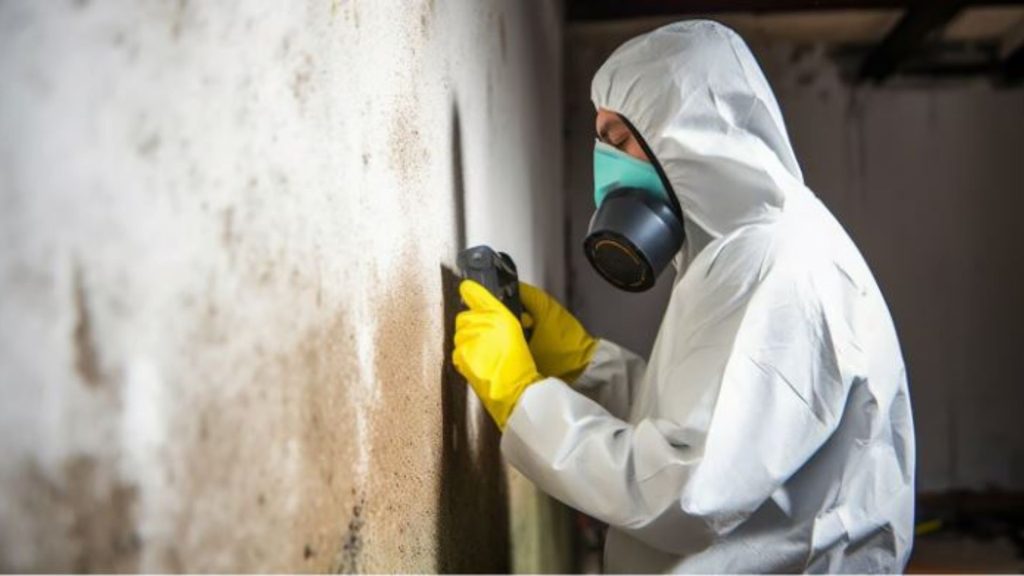
Recognizing the early warning signs that require professional mold removal in Hutchinson ks is the most effective way to prevent costly structural damage and protect your family’s health. In the “Salt City,” where high humidity and seasonal groundwater fluctuations near the Arkansas River are common, mold can develop rapidly in hidden areas like crawl spaces or wall cavities. If you notice persistent musty odors, visible spotting on your ceiling, or unexplained respiratory issues that worsen when you are inside your home, it is likely that moisture has compromised your living environment. Whether you live in a historic property near the Kansas State Fairgrounds or a newer home in the Willowbrook area, identifying these indicators early allows for a more focused and affordable remediation process.
How can you tell if you have mold in your home?
You can tell if you have mold in your home by looking for physical indicators like surface discoloration and bubbling paint, or by identifying sensory signs like a damp, earthy smell that persists even after cleaning. Because mold thrives on organic materials such as drywall paper and wood framing, it often starts in areas with low airflow or high moisture, like basements and attics. In Hutchinson, where older homes in the Downtown Business District may have aging plumbing, these signs are frequently the first evidence of a slow, hidden leak.
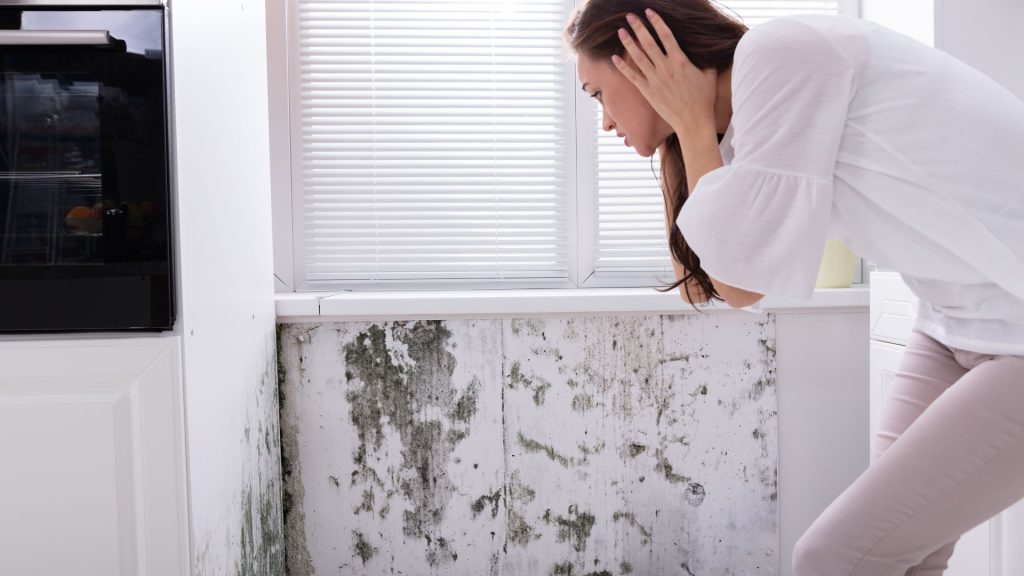
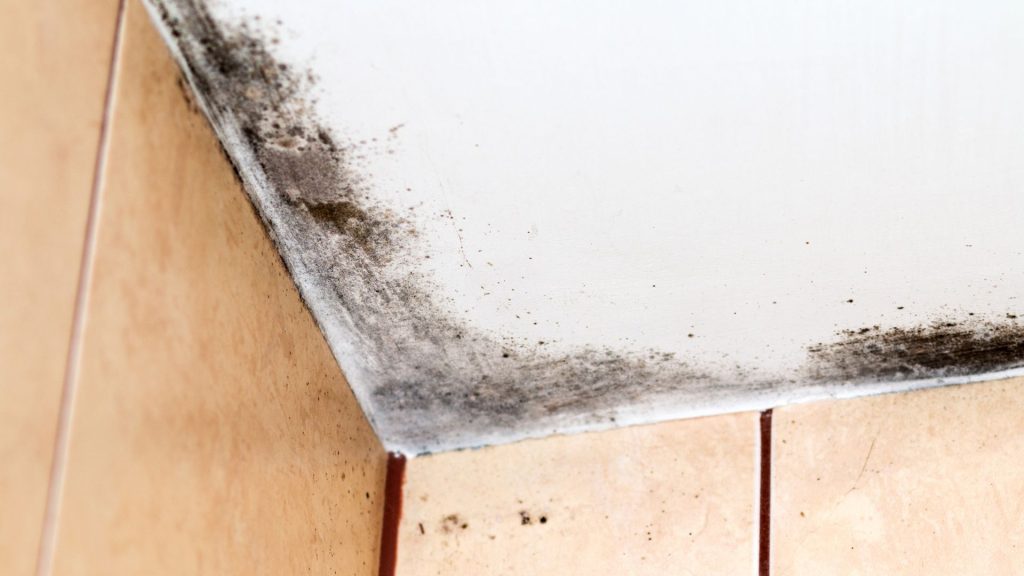
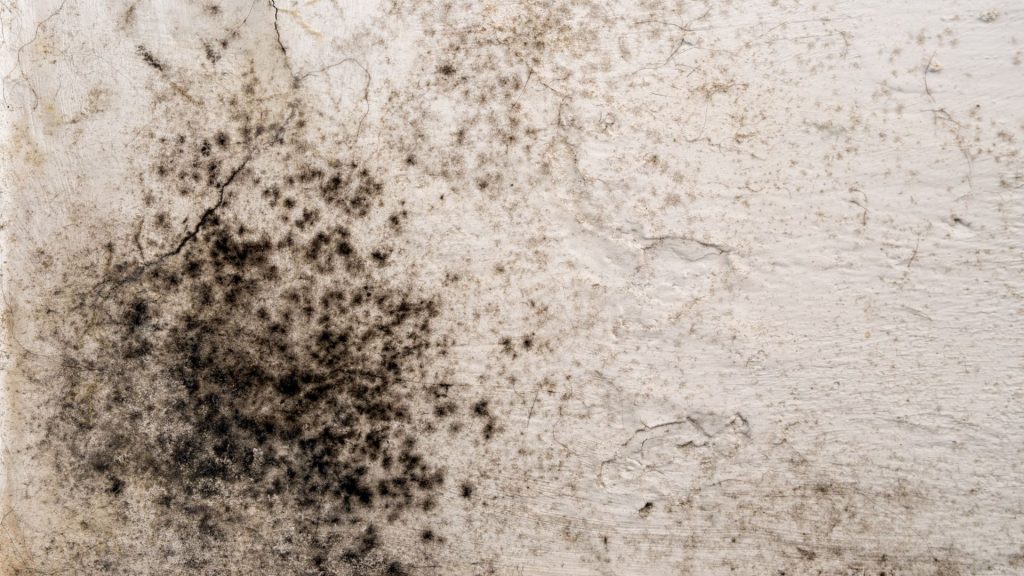
- Visible Growth: Look for clusters of black, green, or white “fuzzy” patches on walls, baseboards, or window sills.
- Surface Changes: Peeling wallpaper, warped floorboards, or “spongy” drywall often indicate moisture and fungal activity behind the surface.
- Musty Odors: A stagnant, “wet sock” smell is a primary indicator of mold volatile organic compounds (mVOCs) being released into the air.
- Water Stains: Yellowish or brown rings on your ceiling or walls suggest an active moisture source that mold needs to colonize.
What are the primary signs of mold in home Hutchinson properties?
The primary signs of mold in Hutchinson properties often involve a combination of visible spotting in high-humidity zones and physical deterioration of building materials. Given the local environmental conditions, basements near Carey Park or South Hutchinson are particularly susceptible to hydrostatic pressure, which pushes moisture through foundation walls. When this moisture meets the organic paper on the back of drywall, it creates an ideal habitat for colonies to thrive undetected for months.
Condensation and Excessive Humidity
If you frequently see water droplets on the interior of your windows or pipes, your indoor humidity is likely above 50 percent. This excessive moisture is a major warning sign that your home is at high risk for fungal outbreaks. Professionals often recommend using a hygrometer to monitor these levels, especially during the humid Kansas summer months when air conditioners are working overtime.
Invisible Growth Behind Furniture
Mold often grows in the “dead air” spaces behind headboards, couches, or large cabinets pushed against exterior walls. If you move a piece of furniture and find a dark stain or a damp feeling on the wall, it is a clear sign that the temperature differential between the wall and the room is creating condensation.
To ensure your home remains structurally sound and the air quality is safe for your children, it is wise to get a quote from a certified professional who can perform a detailed moisture assessment.
What are the most common mold inspection symptoms KS residents report?
The most common mold inspection symptoms KS residents report include persistent sneezing, chronic sinus congestion, and watery eyes that seem to alleviate when they spend time outdoors or at work. Because mold spores are microscopic, they easily bypass standard fiberglass furnace filters and circulate throughout your entire HVAC system. For Hutchinson residents with asthma or other respiratory conditions, these symptoms can be more severe, leading to frequent coughing or a “heavy” feeling in the chest.
- Allergic Reactions: Recurrent runny noses or itchy throats that do not respond to typical seasonal allergy medications.
- Skin Irritation: Rashes or hives that appear without a clear cause, often localized to the skin that was in contact with damp materials.
- Fatigue and Headaches: Chronic exposure to certain mold species can lead to persistent brain fog or tension-style headaches.
- Worsening Asthma: An increase in the frequency or severity of asthma attacks while inside the property.
If several members of your household are experiencing these health changes simultaneously, it serves as a strong biological indicator that your indoor air quality has been compromised by elevated spore counts.
How is hidden mold detection Hutchinson technology used?
Advanced hidden mold detection in Hutchinson, technology allows specialists to find moisture pockets and fungal colonies inside walls, under flooring, and within ductwork without performing invasive demolition. By using non-destructive testing methods, inspectors can pinpoint the exact origin of a musty smell or a health trigger. This precision is particularly helpful in commercial spaces near the Cosmosphere or historic homes where preserving the original structure is a priority.
Infrared Thermal Imaging
Infrared cameras detect temperature differences on surfaces. Since wet insulation or wood is typically cooler than dry materials due to evaporative cooling, these areas appear as “dark” spots on the camera’s screen. This allows the remediation team to focus only on the affected zones rather than tearing out entire walls.
Borescope Inspections
Specialists can insert a tiny camera through a small hole in the drywall or into an HVAC vent to visually confirm the presence of mold. This tool is essential for checking the interior of wall cavities or the underside of subflooring where leaks from bathrooms or kitchens often collect.
| Tool Type | Function | Benefit to Homeowner |
| Moisture Meter | Measures water content in wood/drywall | Identifies active leaks vs. old stains |
| Thermal Camera | Maps temperature anomalies | Finds hidden moisture without demolition |
| Hygrometer | Measures air humidity | Determines if the environment supports mold |
| Air Pump | Collects spore samples | Quantifies the type and amount of mold |
Because modern detection requires calibrated equipment and technical training, most homeowners prefer to get a quote to establish a scientific baseline for their home’s health.
Frequently Asked Questions (PAA)
Can mold grow in Hutchinson homes during the winter?
Yes, mold can grow in the winter due to the significant temperature difference between the cold outdoor air and the warm indoor air. This creates condensation on windows and inside wall cavities, which is enough to support mold growth even when it is freezing outside.
Is every musty smell a sign of mold?
While a musty smell is a very strong indicator of microbial volatile organic compounds, it can occasionally be caused by stagnant water in a floor drain or a dirty HVAC “p-trap.” However, if the smell is persistent, a professional inspection is the only way to rule out a fungal colony.
How much mold is considered “too much” before I need a pro?
The EPA generally suggests that any area of mold larger than 10 square feet (about a 3×3 patch) should be handled by a professional. Smaller areas can often be cleaned by the homeowner, provided the moisture source is also fixed.
Why do I see mold in my bathroom but nowhere else?
Bathrooms are the most common area for mold because of the high humidity from showers. If your exhaust fan is not vented to the outside or is undersized for the room, steam will settle on the ceiling and walls, leading to surface mold.
Does black mold look different than regular mold?
“Black mold” (Stachybotrys) is often dark green or black and has a slimy or “sooty” appearance. However, many harmless molds look black, and some dangerous molds appear white or orange. Color is not a reliable indicator of toxicity; only lab testing can confirm the species.
Conclusion
Staying vigilant for the signs of mold in home Hutchinson properties is the key to preventing a minor leak from turning into a major financial burden. From identifying a faint hidden mold detection Hutchinson specialists might find to addressing visible growth in your basement, early intervention protects both your property and your peace of mind. Freshco is a trusted local service provider in the Hutchinson area, committed to helping our neighbors identify and eliminate mold threats with precision and care. We provide the expertise and advanced tools needed to solve moisture problems at their source, ensuring your Hutchinson home remains a safe, dry, and healthy place to live.