















Winter in Kansas can be tough on homes, especially when it comes to water damage. Cold temperatures and heavy snowfall can lead to problems like burst pipes, ice dams, and leaking roofs. When these issues occur, it’s crucial to respond quickly. Understanding what causes winter water damage and how to handle it can save you a lot of time and money.
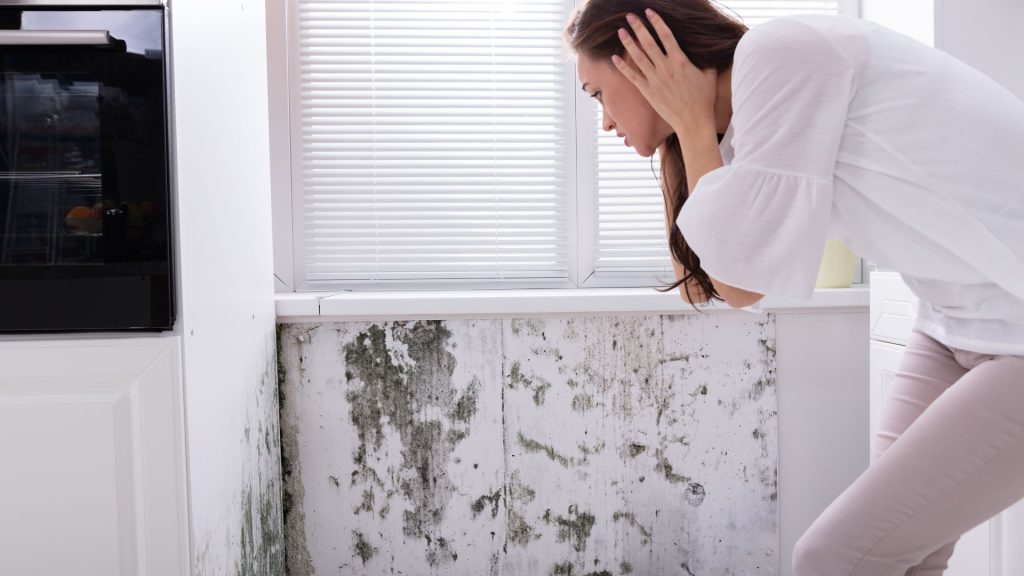
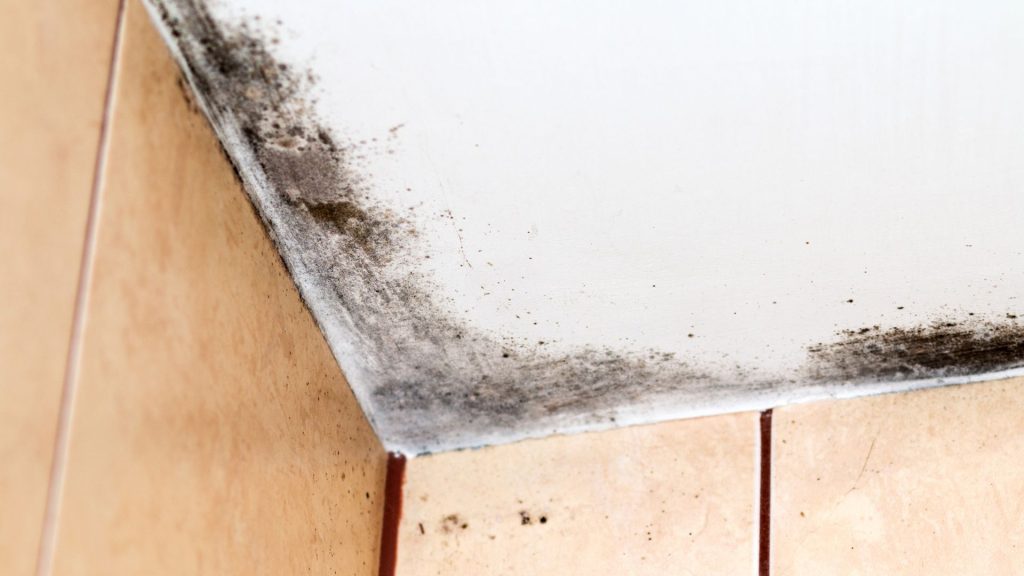
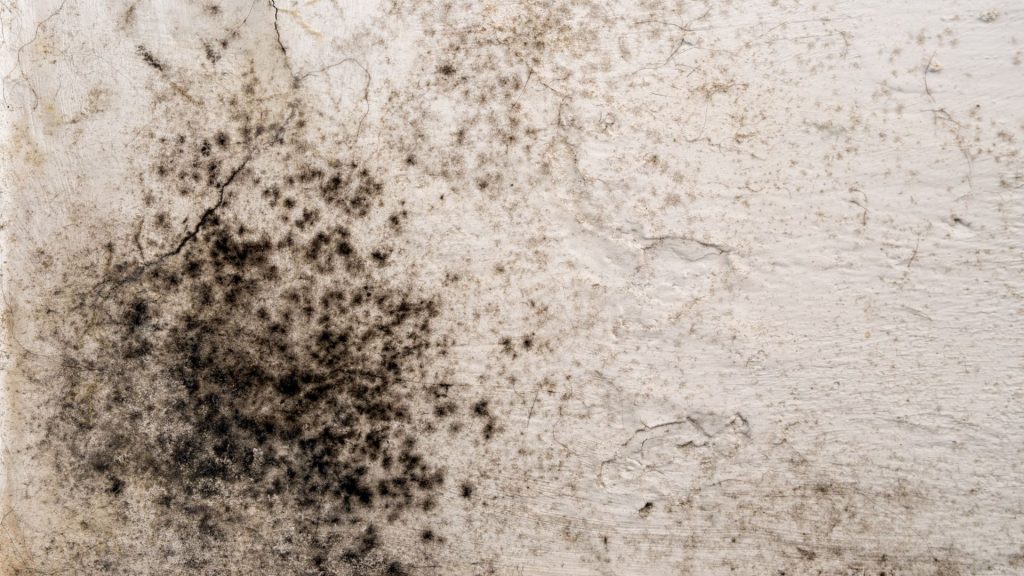
Water damage can strike unexpectedly, whether it’s from a burst pipe or melting snow seeping into your basement. The key to minimizing damage is acting fast. Rapid dry out services are designed to tackle water damage efficiently, preventing further issues like mold growth and structural damage.
Taking steps to prevent water damage is important, but knowing what to do when it happens is just as crucial. In this article, we will explain the common water damage issues you might face and how rapid dry out services work. This information will help you make informed decisions and protect your home during the harsh Kansas winter.
Identifying Common Winter Water Damage Issues in Kansas
Winter in Kansas can lead to various types of water damage in homes. Here are some common issues:
1. Burst Pipes: When temperatures drop, water inside your home’s pipes can freeze. This water expands, causing the pipes to burst. Burst pipes can flood your home quickly if not addressed.
2. Ice Dams: Ice dams form on the edges of your roof when snow melts and refreezes. This ice can trap more snow, water, and ice on your roof, causing leaks. Water can seep through your roof and cause damage to your attic and walls.
3. Leaking Roofs: Heavy snow can put a lot of weight on your roof, leading to cracks and leaks. When the snow melts, it can find its way into these cracks, causing water damage inside your home.
4. Basement Flooding: Melting snow and ice can lead to water seeping into your basement through cracks in the foundation or poor drainage systems. This can cause significant water damage and mold growth.
5. Window Leaks: Older or poorly sealed windows can let in water during winter storms. Water can damage window frames and walls, leading to costly repairs.
Understanding these common issues can help you take preventive measures to protect your home during the winter season.
Step-by-Step Process for Rapid Dry Out Services
When water damage occurs, acting fast is crucial to minimize harm. Rapid dry out services follow a step-by-step process to ensure efficient cleanup. Here’s how it works:
1. Initial Inspection: The first step is to assess the extent of the water damage. Professionals will inspect affected areas to determine the best action plan.
2. Water Removal: Using powerful pumps and vacuums, professionals remove standing water from your home. This step helps prevent further damage and reduces drying time.
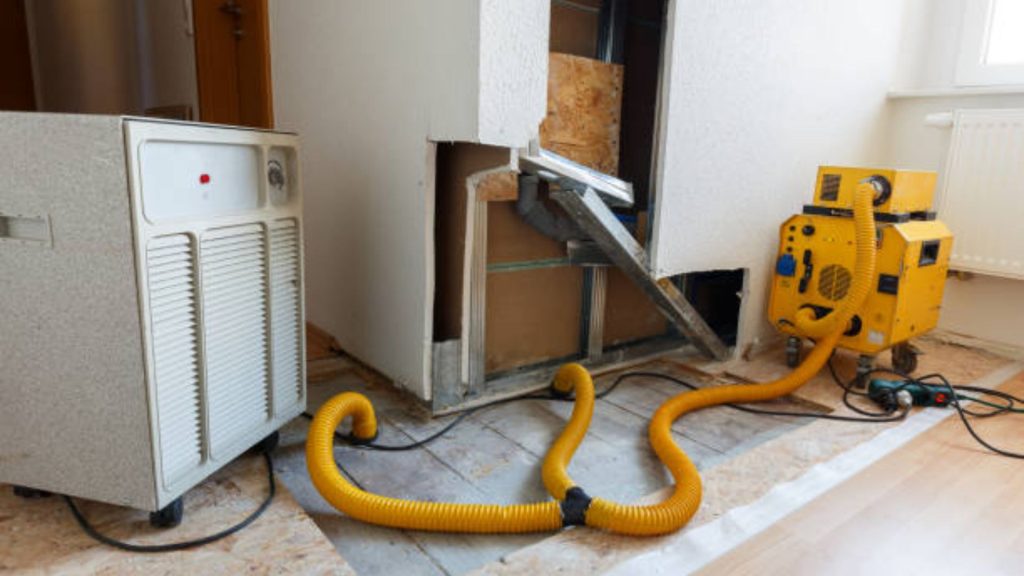
3. Drying and Dehumidification: High-speed air movers and industrial dehumidifiers are used to dry out affected areas. This prevents mold growth and structural damage. Professionals monitor moisture levels to ensure thorough drying.
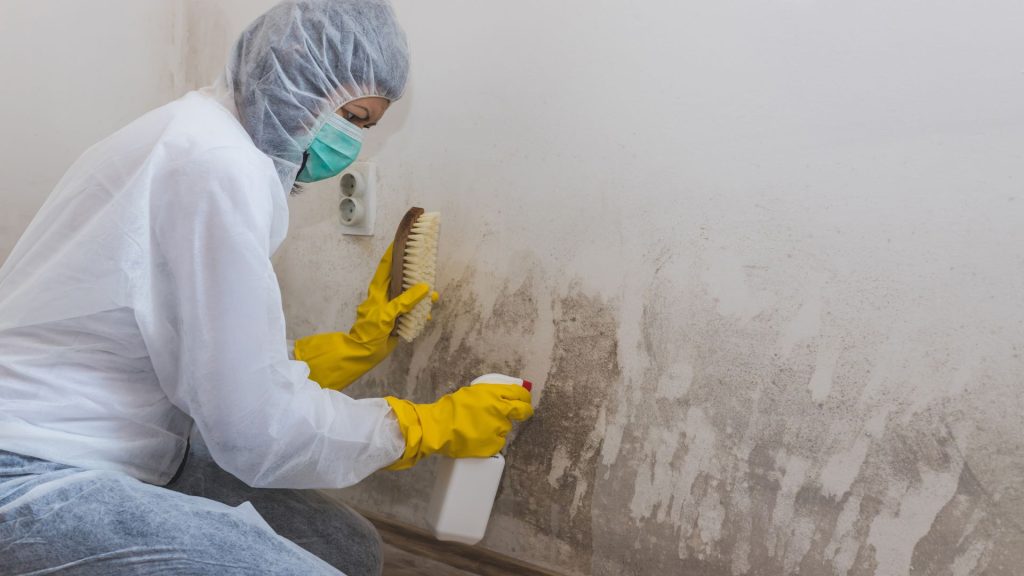
4. Cleaning and Sanitizing: Once the area is dry, the next step is to clean and sanitize. This includes cleaning walls, floors, and furniture. Special products are used to kill bacteria and prevent mold.
5. Repair and Restoration: After cleaning, any necessary repairs are done. This could involve fixing drywall, replacing carpets, or repairing structural damage.
6. Final Inspection: Finally, a thorough inspection ensures that all areas are dry and safe. This helps confirm that the problem has been fully addressed.
Following these steps ensures that water damage is dealt with quickly and efficiently, minimizing stress and costs for homeowners.
Essential Tools and Equipment for Effective Drying
Drying out a home after water damage requires the right tools and equipment. Here’s what professionals use to ensure effective drying:
1. High-Speed Air Movers: These powerful fans circulate air to speed up the drying process. They are placed strategically to maximize airflow over wet surfaces.
2. Industrial Dehumidifiers: Dehumidifiers pull moisture from the air, reducing humidity and helping to dry out walls, floors, and furniture. These machines are essential for preventing mold growth.
3. Moisture Meters and Sensors: These tools measure moisture levels in various materials to ensure thorough drying. They help technicians identify hidden pockets of moisture that could lead to problems later on.
4. Water Extractors: These machines remove standing water quickly and efficiently. Water extractors include submersible pumps and wet/dry vacuums, both designed to handle large volumes of water.
5. Thermal Imaging Cameras: These cameras detect moisture behind walls and under floors without invasive procedures. They help ensure that no area is left untreated.
6. Air Scrubbers: These devices clean the air by removing particles and contaminants. This is important for maintaining air quality during the drying process.
Using these tools ensures that the drying process is thorough and efficient, reducing the risk of further damage and health problems.
Benefits of Professional Water Damage Restoration
Hiring professionals for water damage restoration offers several benefits:
1. Quick Response Time: Professionals act fast to mitigate damage. Immediate action can save your property from extensive damage and reduce repair costs.
2. Expertise and Experience: Restoration professionals have the knowledge and experience to handle various types of water damage. They understand the best techniques for drying and restoring your home.
3. Advanced Equipment: Professionals use specialized tools and equipment that are not available to the average homeowner. This equipment ensures efficient and effective drying and restoration.
4. Mold Prevention: Professionals not only dry out your home but also treat areas to prevent mold growth. Mold can cause significant health issues, so preventing it is crucial.
5. Detailed Assessment and Documentation: Restoration experts provide a thorough assessment of the damage and document it for insurance purposes. This makes the claims process smoother and ensures you get the compensation you deserve.
6. Comprehensive Cleaning and Sanitizing: Professionals clean and sanitize areas affected by water damage, ensuring your home is safe and free of contaminants.
7. Peace of Mind: Knowing that your home is in capable hands can reduce stress during a challenging time. Professionals handle the entire process, allowing you to focus on other important aspects of recovery.
Conclusion
Water damage during the Kansas winter can be a serious problem, but with the right knowledge and services, you can protect your home effectively. Identifying common water damage issues and using rapid dry out services are key to minimizing the impact of winter weather. Equipped with the right tools, professionals ensure your home is dried and restored efficiently.
Taking quick action when water damage occurs is crucial. Understanding the steps involved and the importance of professional help can make a significant difference. Keeping your home safe from water damage preserves its value and ensures a comfortable living environment.
Don’t let winter water damage disrupt your life. Trust Freshco for all your water damage restoration needs. Contact Freshco today to protect your home and enjoy peace of mind this winter.