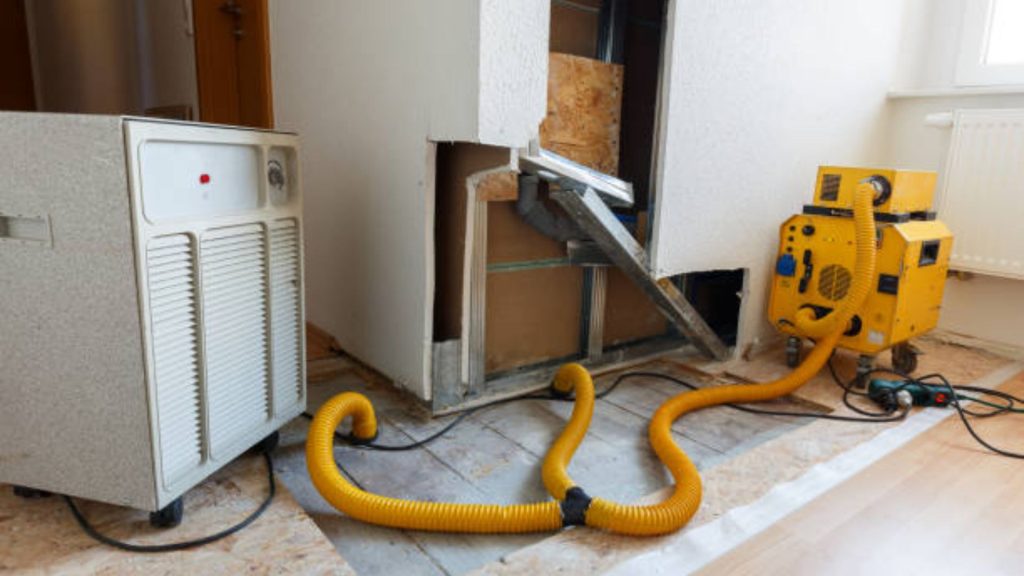















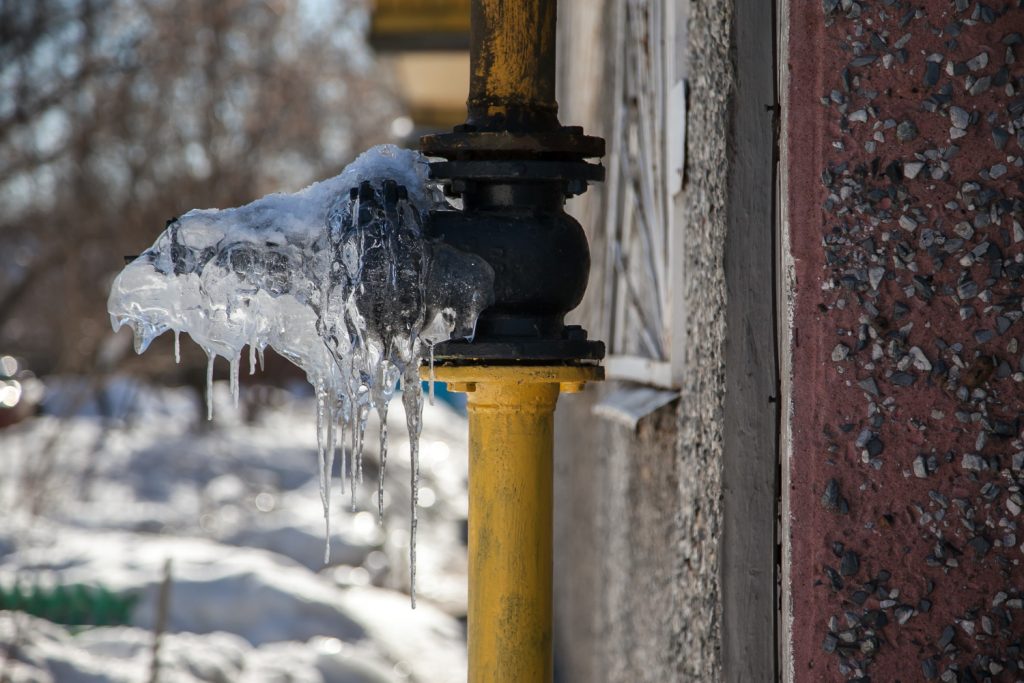
Winter in Kansas can be harsh, and frozen pipes are a common issue for homeowners. When water freezes, it expands and can cause pipes to burst. This can lead to serious water damage and costly repairs. Knowing why pipes freeze and how to prevent it can save you from these headaches.
Frozen pipes usually happen when the temperature drops to 20 degrees Fahrenheit or lower. Pipes in unheated spaces like basements, attics, and garages are particularly at risk. Even pipes inside your home that run along exterior walls can freeze if they are not properly insulated.
Preventing frozen pipes involves a mix of good insulation, smart home strategies, and knowing what to do in an emergency. By taking the right steps, you can keep your pipes safe and avoid the mess and expense of water damage. This guide will help you understand why pipes freeze, how to keep them warm, and what to do if they freeze despite your efforts. Stay prepared and protect your home this winter.
Understanding Why Pipes Freeze in Kansas Winters
Pipes freeze when the temperature drops below 20 degrees Fahrenheit. Kansas winters are known for their cold spells, which can easily cause your pipes to freeze. When water freezes, it expands by about 9%. This expansion puts a lot of pressure on the pipes, which can lead to cracks and even bursting.
Unheated spaces in your home, like basements, attics, and garages, are particularly vulnerable. Pipes running through exterior walls are also at higher risk, especially if they are not properly insulated. Even a small gap in insulation can expose pipes to cold air, making them susceptible to freezing.
Wind chills can also play a big role. Cold winds can find their way into small openings in your home’s structure, causing temperatures around pipes to drop. Poorly sealed windows and doors can create drafts that contribute to freezing risks. Understanding these factors can help you better protect your home against frozen pipes.
Insulation Tips to Keep Pipes Safe
Proper insulation is key to keeping your pipes safe during cold Kansas winters. Here are some effective tips to follow:
1. Pipe Sleeves: Use foam pipe sleeves to insulate exposed pipes. These sleeves are easy to install and provide a protective layer against the cold. Simply cut them to fit and secure them with duct tape.
2. Heat Tape: Electric heat tape can be wrapped around pipes to provide direct heat. Make sure to follow the manufacturer’s instructions and use a type that is designed for your specific pipes.
3. Wall Insulation: Ensure walls near pipes are well-insulated. Adding extra insulation can help keep the surrounding area warm, reducing the risk of freezing.
4. Open Cabinet Doors: For pipes located inside cabinets, like under sinks, keep the doors open during extremely cold weather. This allows warm air from your home to circulate around the pipes.
5. Seal Cracks and Gaps: Check for any cracks or gaps in walls, floors, and windows near pipes. Use caulk or expanding foam to seal these openings and prevent cold air from getting in.
6. Basement and Attic Insulation: Pay special attention to pipes in basements and attics. Adding insulation to these areas can help maintain a warmer environment, keeping pipes safe from the cold.
By following these insulation tips, you can significantly reduce the likelihood of your pipes freezing and enjoy a worry-free winter season.
Smart Home Strategies to Prevent Freezing
Employing smart home strategies can go a long way in preventing pipes from freezing. Use these techniques to keep your home safe and warm:
1. Smart Thermostats: Use a smart thermostat to maintain a consistent temperature in your home, even when you are away. Set it to keep the home at at least 55 degrees Fahrenheit to prevent freezing.
2. Indoor Heat Circulation: Keep interior doors open to allow heat to circulate throughout the house. This ensures that even the most tucked-away pipes benefit from the warmth of your home.
3. Heat Sources: Use space heaters strategically in rooms with exposed pipes, such as basements and garages. Be sure to follow safety guidelines to avoid fire hazards.
4. Drip Faucets: During extremely cold weather, let faucets connected to vulnerable pipes drip slightly. This keeps water moving, making it less likely to freeze.
5. Monitor Home Temperature: Use smart sensors and apps to monitor the temperature of your home while you are away. These technologies can alert you to drops in temperature so you can take action.
By integrating these smart home practices, you can significantly reduce the risk of pipe freezing and avoid costly repairs down the line.
Emergency Actions if Your Pipes Freeze
If you find that your pipes have frozen, take immediate action to minimize damage. Here are the steps to follow:
1. Turn Off the Main Water Supply: If you suspect a pipe has frozen, turn off the water at the main valve to prevent possible bursts and flooding.
2. Open Faucets: Open the faucets connected to the frozen pipe. This relieves pressure and allows water to escape as it thaws.
3. Apply Heat: Use a hairdryer or heat lamp to gently thaw the pipe. Start from the faucet end and work your way back. Never use an open flame to thaw pipes; it’s a significant fire hazard.
4. Use Heating Pads: Wrap an electric heating pad around the frozen section of pipe. Keep it on a low setting to thaw the ice slowly and safely.
5. Check for Leaks: Once the pipe is thawed, turn the water back on slowly and check for leaks. If you spot any, turn off the water and call a professional immediately.
6. Call a Professional: If you can’t locate the frozen section or if you notice any signs of damage, it’s best to contact a professional plumber. They have the tools and expertise to fix the issue safely.
Knowing these emergency actions can help you respond quickly and effectively, minimizing damage and repair costs.
Conclusion
Preventing frozen pipes in Kansas winters is essential to protecting your home from water damage. Understanding why pipes freeze and taking proactive measures can save you from costly repairs. By using proper insulation and smart home strategies, you can significantly reduce the risk of pipe freezing. However, if your pipes do freeze, knowing the right steps to take can minimize the damage and keep your home safe.
Taking preventive steps and swift action during an emergency can help maintain the safety of your home during the harsh winter months. Keep these tips in hand, and you’ll be better prepared to face the cold weather.
If you need professional help with water damage restoration, trust Freshco to handle the job efficiently. Contact Freshco today to keep your home safe and sound this winter.