














Winter storms can be tough on homes, especially with freezing temperatures and heavy snow. One common issue homeowners face during these storms is water damage. This can result from burst pipes, leaks, and melting snow seeping into basements. Knowing how to handle this damage is crucial for keeping your home safe and dry.
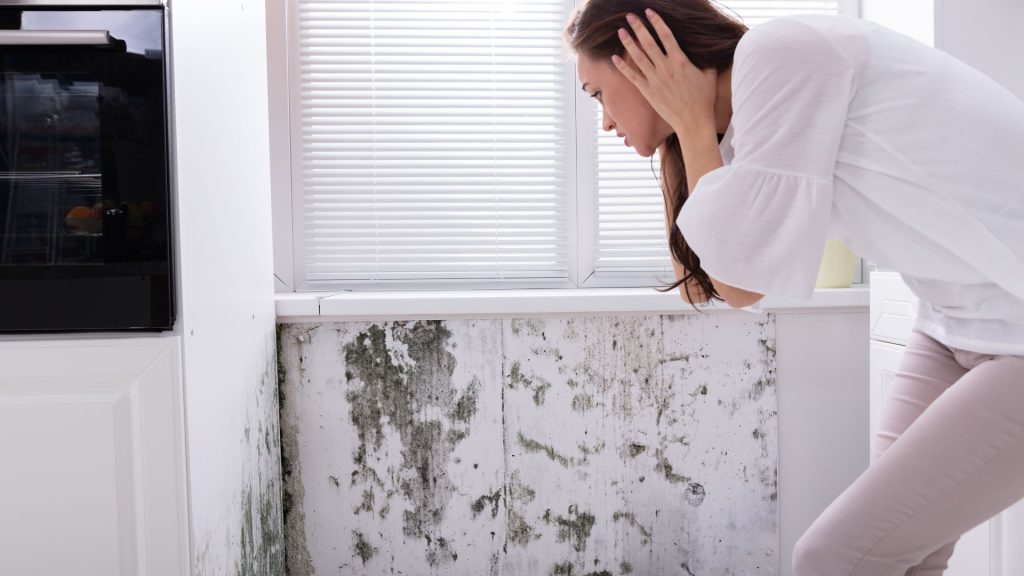
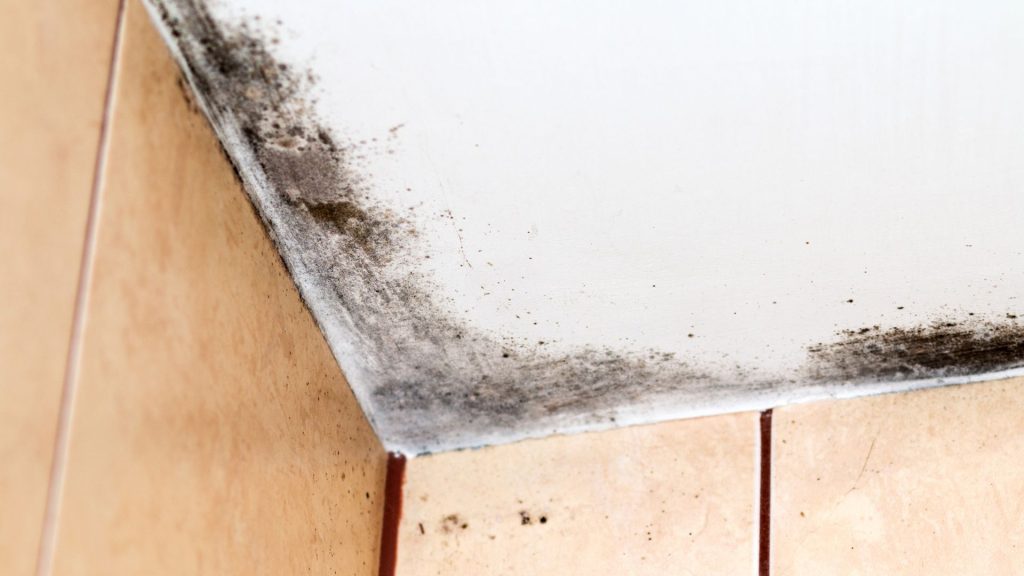
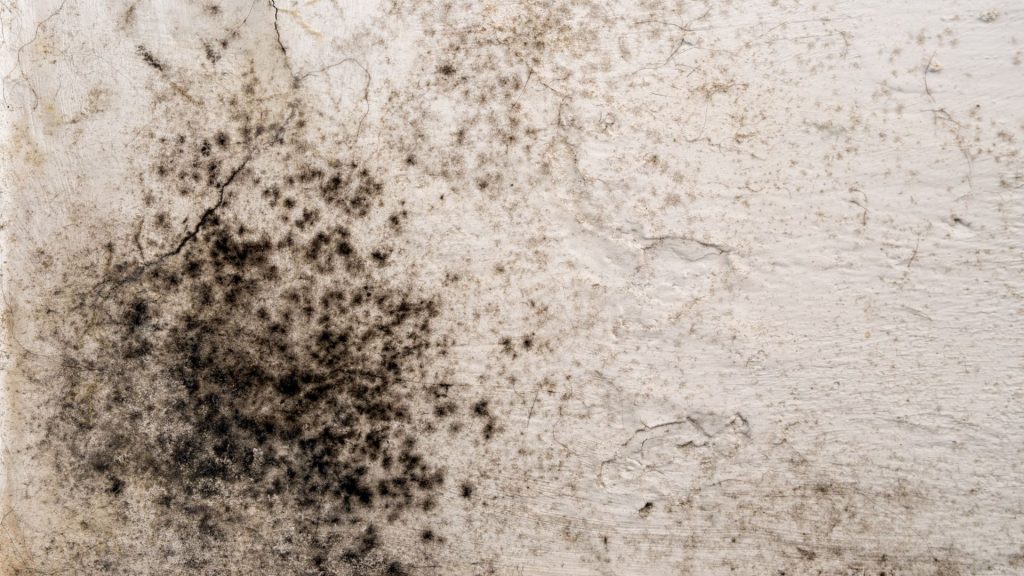
When pipes burst, they can release a lot of water quickly, leading to significant damage. It’s important to act fast to minimize the harm. Similarly, a wet basement can cause mold, mildew, and structural problems if not addressed promptly. Each situation demands specific steps to ensure effective recovery and prevention of future damage.
In this article, we’ll explore the common causes of winter storm water damage, immediate actions to take when a pipe bursts, methods to dry out your basement, and long-term solutions to prevent future problems. By understanding these key points, you can protect your Kansas home from severe damage and maintain a dry, healthy living environment. Let’s get started on how to manage and prevent the complications from winter storm water damage.
Identifying Common Causes of Winter Storm Water Damage
Winter storms can lead to various types of water damage in your home. Knowing the common causes helps you prepare and act quickly to prevent severe problems.
1. Burst Pipes: One of the most frequent issues during winter is burst pipes. As temperatures drop, the water inside pipes can freeze and expand, causing the pipes to crack or burst. This can lead to flooding and extensive water damage.
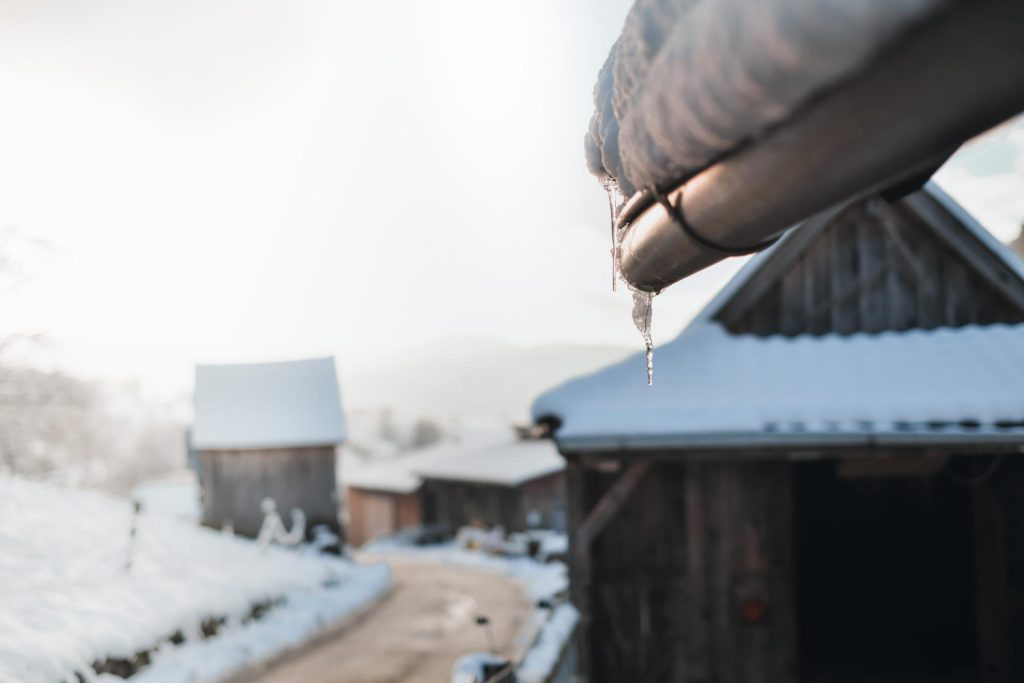
2. Roof Leaks: Heavy snow and ice buildup on your roof can cause leaks. When the ice starts to melt, water can seep through any weak spots or damaged shingles, leading to water entering your home.
3. Ice Dams: Ice dams form when the heat escaping from your attic melts the snow on your roof. The water then refreezes at the edge, blocking drainage and causing water to back up under the shingles and into your home.
4. Basement Flooding: Melting snow can saturate the ground around your home, causing water to seep into your basement. Poor drainage can exacerbate this problem, leading to significant water accumulation.
5. Window and Door Leaks: Cold weather can cause materials around windows and doors to contract, creating gaps where water can enter. This often leads to leaks and water damage around these areas.
6. Sump Pump Failures: Sump pumps are essential in preventing basement flooding. However, they can fail if they freeze or get overloaded during a storm, leading to water damage in your basement.
Understanding these common causes helps you take preventative measures and act quickly when problems arise, ensuring your home stays safe during winter storms.
Quick Actions to Take When a Pipe Bursts
When a pipe bursts in your home, quick action is crucial to minimize damage. Here are the steps you should take immediately.
1. Shut Off Water Supply: The first step is to turn off the main water supply to stop the flow of water. Locate your home’s main shut-off valve and turn it off. This reduces further flooding and damage.
2. Turn Off Electricity: Water and electricity are a dangerous mix. If water is near electrical outlets, appliances, or the breaker box, turn off the power to prevent electrical hazards. If you’re not sure, consult a professional.
3. Drain the Pipes: After shutting off the water, open all faucets and flush toilets to drain any remaining water in the pipes. This helps relieve pressure and prevent additional leaks.
4. Remove Standing Water: Use towels, mops, or a wet/dry vacuum to soak up standing water. The quicker you remove water, the less damage it will cause. Pay special attention to carpets and flooring.
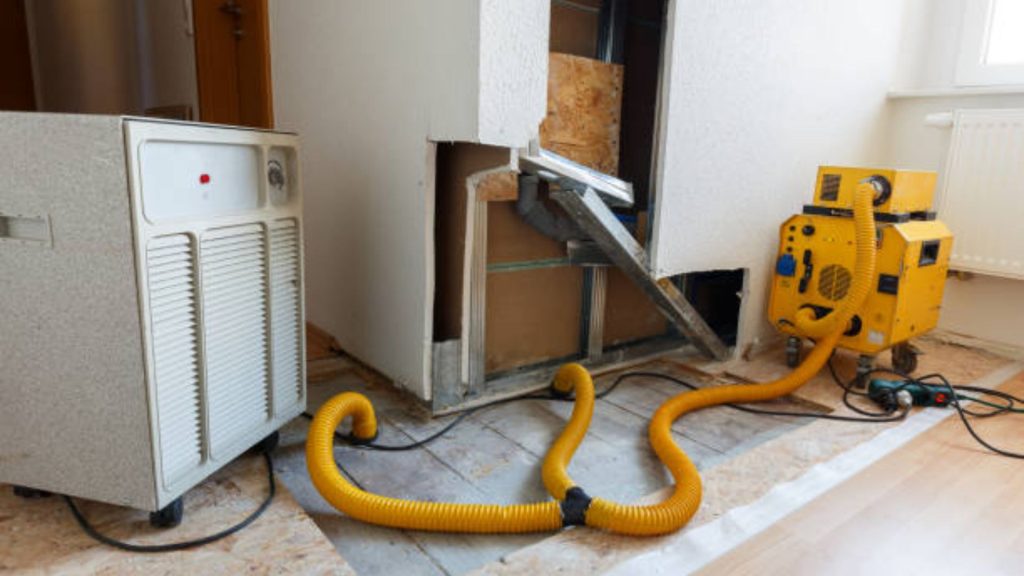
5. Ventilate the Area: Open windows and doors to help dry out the affected space. Use fans and dehumidifiers to speed up the drying process. Proper ventilation helps prevent mold growth.
6. Call a Professional: While immediate actions can minimize damage, professional help is often required to fix the problem thoroughly. Plumbers can repair or replace burst pipes, and restoration experts can handle the cleanup and repairs.
By taking these quick actions, you can mitigate the damage caused by burst pipes and protect your home from further issues.
Effective Methods to Dry Out Your Basement
After a winter storm, a wet basement can cause major issues if not addressed quickly. Here are effective methods to dry out your basement and prevent further damage.
1. Remove Standing Water: Use a wet/dry vacuum or a submersible pump to remove standing water. The faster you get rid of the water, the less damage it will cause to your floors and walls. Make sure to dispose of the water away from your home’s foundation to avoid further seepage.
2. Increase Airflow: Open windows and doors to improve ventilation. Place high-velocity fans and air movers around the basement to speed up the drying process. Proper airflow helps to evaporate moisture and dry wet surfaces effectively.
3. Dehumidifiers: Set up dehumidifiers around the basement to lower humidity levels. Dehumidifiers pull moisture from the air, making the environment less favorable for mold growth. Use commercial-grade dehumidifiers for large or heavily soaked areas.
4. Remove Wet Materials: Take out wet carpets, rugs, and furniture to dry them separately. Check behind walls and under flooring for hidden moisture. Any damp materials left in place can harbor mold and mildew.
5. Monitor Moisture Levels: Use moisture meters to monitor the drying progress. Check the moisture content in walls, floors, and other structures regularly. This ensures that everything is drying out properly and helps you identify any stubborn damp spots.
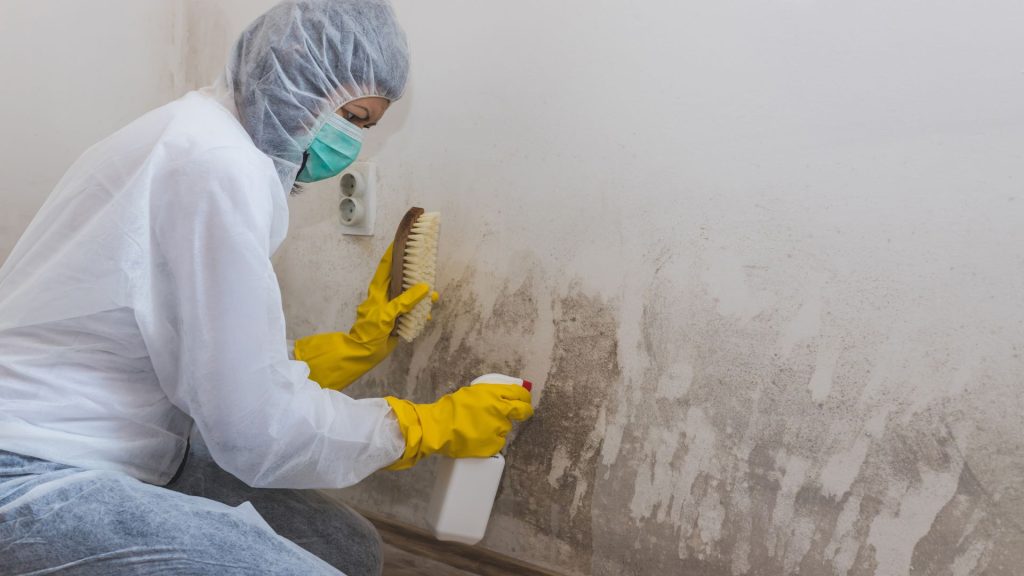
6. Clean and Disinfect: Once the basement is visibly dry, clean and disinfect all surfaces to remove any bacteria or mold spores that may have formed. Using a mixture of water and bleach can effectively sanitize the area.
Employing these methods will help you dry out your basement thoroughly, preventing mold growth and preserving the integrity of your home.
Long-Term Solutions to Prevent Future Water Damage
Preventing future water damage requires proactive steps. Here are long-term solutions that can help protect your home from future storms and leaks.
1. Insulate Pipes: Wrap pipes with insulation to prevent them from freezing and bursting. Foam pipe insulation is affordable and easy to install, providing protection during the cold winter months.
2. Improve Drainage: Ensure your home has proper drainage systems. Clean gutters and downspouts regularly to prevent blockages. Consider installing gutter extensions to direct water away from the foundation. Adding a French drain system can also help manage groundwater around your home.
3. Sump Pump Maintenance: Regularly test your sump pump to ensure it’s in good working condition. Consider having a backup sump pump or battery-operated unit to handle excessive water during power outages or heavy storms.
4. Sealing and Caulking: Seal any cracks in your home’s foundation, walls, and around windows and doors. Use waterproof caulking to close gaps and prevent water from seeping in. Regularly inspect and re-seal areas as needed to maintain their effectiveness.
5. Roof Maintenance: Check your roof for damaged or missing shingles. Repair any weak spots promptly to prevent leaks. Install ice and water shields under the shingles for additional protection against ice dams.
6. Landscape Grading: Grade your yard so that it slopes away from the home. Proper grading prevents water from pooling around the foundation, reducing the risk of basement flooding.
7. Install a Water Alarm: Place water alarms in key areas like the basement, kitchen, and laundry room. These alarms will alert you to leaks, allowing you to address them before they cause significant damage.
Implementing these long-term solutions will help safeguard your home against future water damage, ensuring it stays secure and dry through winter storms.
Conclusion
Managing winter storm water damage is essential for protecting your home and keeping it safe. From identifying common causes like burst pipes and ice dams to taking quick actions when pipes burst, every step is crucial. Effective methods to dry out your basement and long-term solutions for preventing future water damage also play vital roles.
Taking these proactive steps ensures your home remains in top condition, even during harsh winters. If you’re facing water damage issues or need expert help, Freshco is here to assist with our damage restoration services. Contact Freshco today to keep your Kansas home safe and dry all year round.