













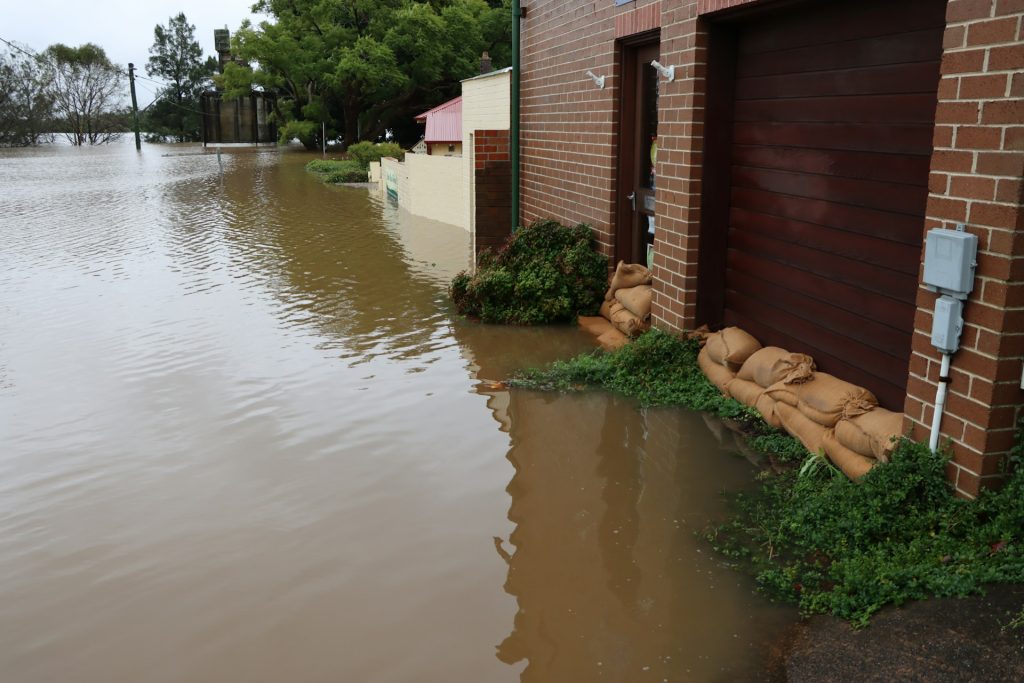
Water damage in your Marysville home can be a stressful and overwhelming experience. Whether it’s due to a burst pipe, a severe storm, or a leaking roof, water can wreak havoc quickly. Knowing what steps to take immediately after water damage can save you time, money, and prevent further complications like mold growth.
In this article, we will walk you through simple yet crucial steps to take after experiencing water damage in your Marysville home. These guidelines are designed to help you handle the situation efficiently and effectively, ensuring that your home can be restored to its original condition. So, let’s get started with the first step: ensuring safety.
Ensure Safety and Shut Off Utilities
The first thing to do after discovering water damage in your Marysville home is to ensure everyone’s safety. Water and electricity don’t mix, so start by turning off the power to the affected areas. If you can’t reach your circuit breaker without stepping through water, it’s best to call an electrician for help. Also, be cautious about gas leaks. If you smell gas, turn off the gas supply and leave the house immediately.
Next, assess the situation to determine if it’s safe to stay in your home. Check for structural hazards like weakened floors or walls, which could collapse. Be on the lookout for slipping hazards, especially on wet, hard surfaces. Wear protective clothing, including rubber boots and gloves, to protect yourself from contaminated water and debris.
Once you’ve ensured that it’s safe to be in the area, start prioritizing what needs to be done next. Before you begin any cleanup efforts, document the damage with photographs or videos for insurance purposes. These records will be crucial when you file a claim with your insurance company.
Remove Standing Water and Dry Affected Areas
After ensuring safety and shutting off utilities, the next critical step is to remove standing water from your home. The longer water sits, the more damage it can cause to your floors, walls, and belongings. Use sump pumps, wet/dry vacuums, or even buckets to remove as much water as possible. If the damage is extensive, you may need to rent commercial-grade equipment.
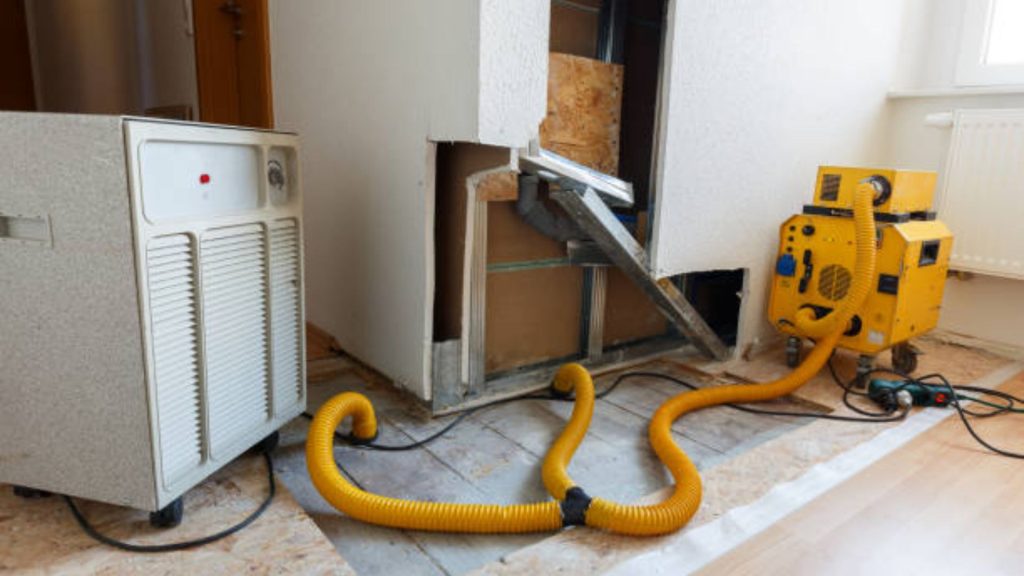
Once the standing water is gone, it’s time to dry out the affected areas. Air circulation is key to preventing mold growth and further water damage. Open windows and doors to allow fresh air to enter. Use fans and dehumidifiers to speed up the drying process. Position fans to blow across the wet areas and direct the airflow outside to avoid spreading moisture to other parts of your home.
Remove soaked carpets, rugs, and upholstered furniture, as these items can hold a lot of moisture and are prone to mold. Place them in a well-ventilated area to dry or dispose of them if they are too damaged. Pay attention to hidden areas that may retain moisture, such as beneath floorboards and inside wall cavities. These spots can become breeding grounds for mold if not thoroughly dried. By acting swiftly and thoroughly, you can mitigate much of the damage and set the stage for successful repairs and restoration.
Check for Structural Damage and Mold Growth
Once the standing water is removed and the area begins to dry, it’s important to check for any structural damage. Water can weaken your home’s foundation, walls, and floors, so take a close look at these areas. Look for signs of warping, buckling, or sagging, and listen for any creaks that weren’t there before. If you notice any significant damage, it’s best to consult a professional structural engineer to assess the stability of your home.
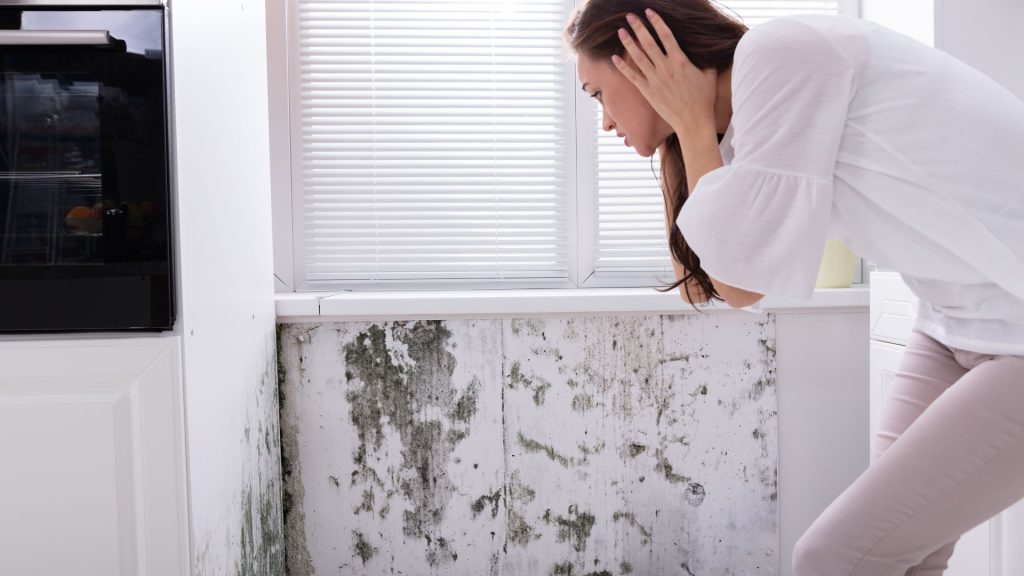
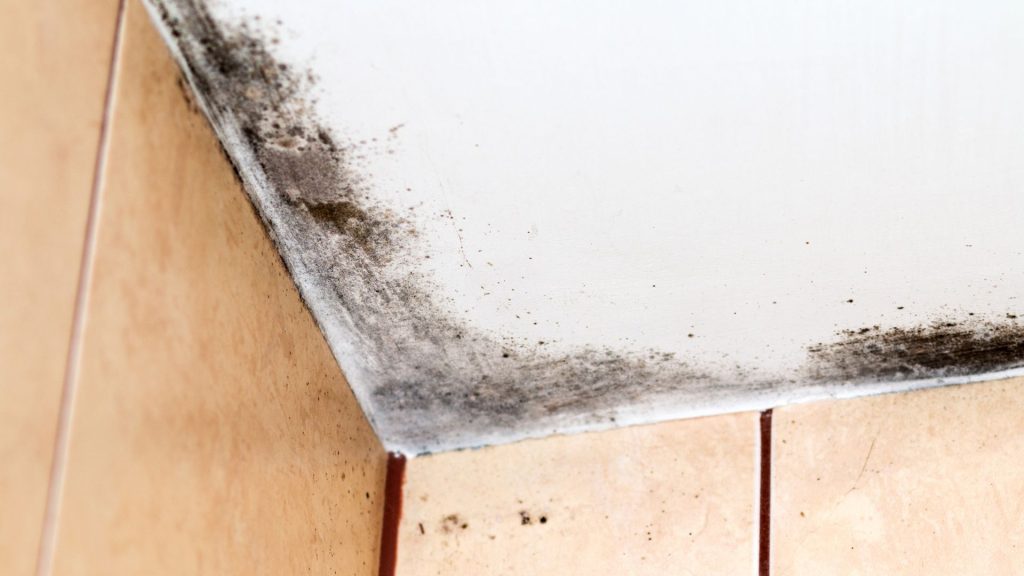
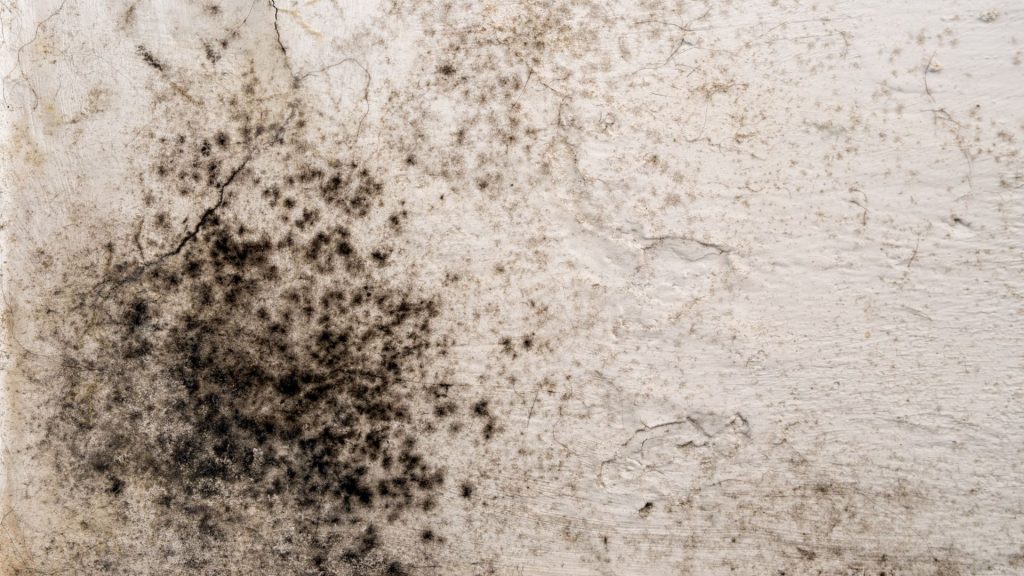
While you’re inspecting for structural issues, don’t forget to check for mold growth. Mold can start to grow within 24 to 48 hours in moist conditions, so it’s crucial to identify and address it quickly. Mold often appears as black, green, or white spots and usually has a musty odor. Pay special attention to hidden areas, such as behind walls, under carpets, and inside crawlspaces, where mold is likely to thrive unnoticed.
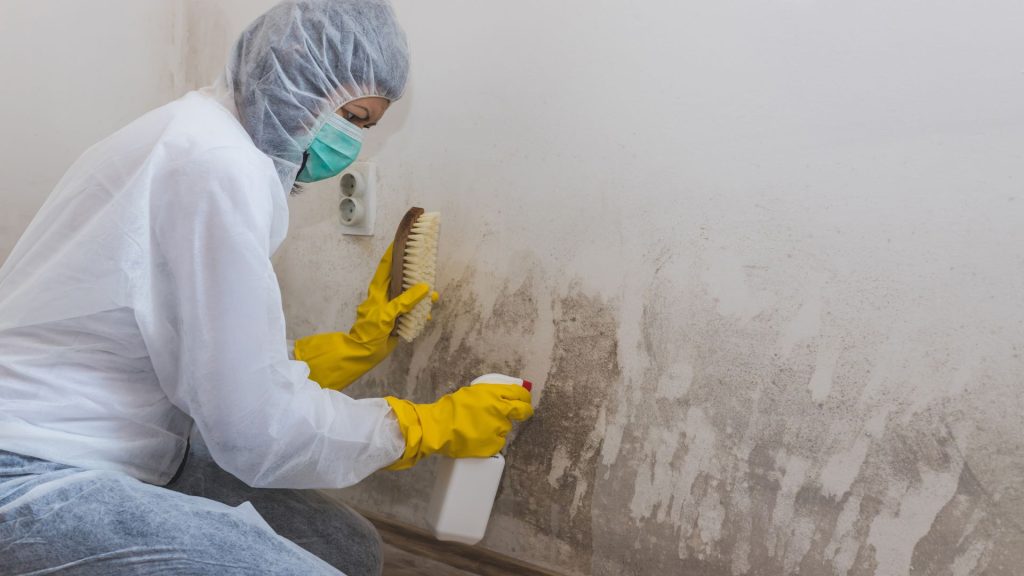
If you do find mold, it’s important to act swiftly. Small areas of mold can often be cleaned with mold-specific cleaners or a mixture of bleach and water. However, extensive mold infestations may require professional removal to ensure that it doesn’t spread and that it’s thoroughly eradicated. Addressing mold growth promptly will help maintain a healthy living environment and prevent long-term damage to your Marysville home.
Clean, Disinfect, and Restore Belongings
After addressing structural damage and mold, it’s time to clean, disinfect, and restore your belongings. This step is crucial to making your home livable again and preventing any health hazards. Start by sorting through the items that were affected by water damage. Separate those that can be salvaged from those that need to be discarded. Items like fabric, paper, and some types of wood may be harder to salvage if they have been soaked for too long.
For items that you decide to keep, thoroughly clean and disinfect them to eliminate any bacteria or mold spores. Use disinfectants on hard surfaces like furniture, countertops, and non-porous items. Wash fabric items like clothing, curtains, and bedding in hot water and dry them completely to prevent mold growth. Use a professional cleaner for delicate or valuable items that require special care.
Don’t forget to clean and disinfect walls, floors, and any affected areas of your home. Use a mixture of bleach and water or a commercial disinfectant to wipe down surfaces. Pay special attention to porous materials like drywall and carpets, which can harbor mold and bacteria. Once everything is cleaned and disinfected, begin the process of restoring your home to its pre-damaged state. This might involve repainting walls, installing new flooring, or even bringing in new furniture. Taking these steps ensures that your home is safe, clean, and comfortable once again.
Conclusion
Recovering from water damage in your Marysville home can feel overwhelming, but taking the right steps can make the process more manageable. By ensuring safety, removing standing water, checking for structural damage and mold growth, and cleaning and disinfecting your belongings, you can effectively restore your home. These actions not only protect your property but also safeguard your health and well-being.
If you’re dealing with water damage or need mold removal services, contact FreshCo today. Our experienced team is ready to help you restore your Marysville home to its former glory. Call us now to schedule a consultation and take the first step towards a healthy, mold-free home.