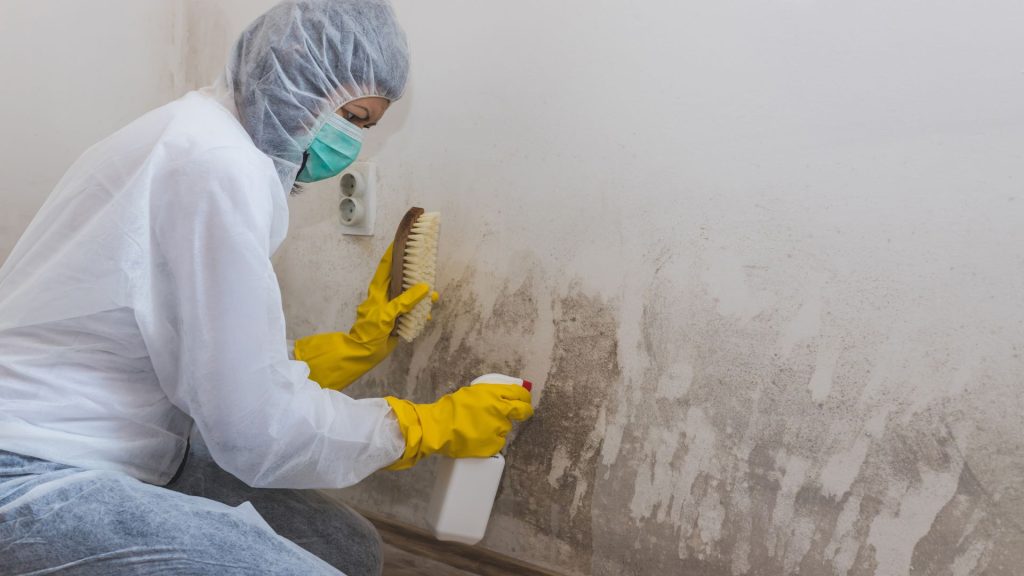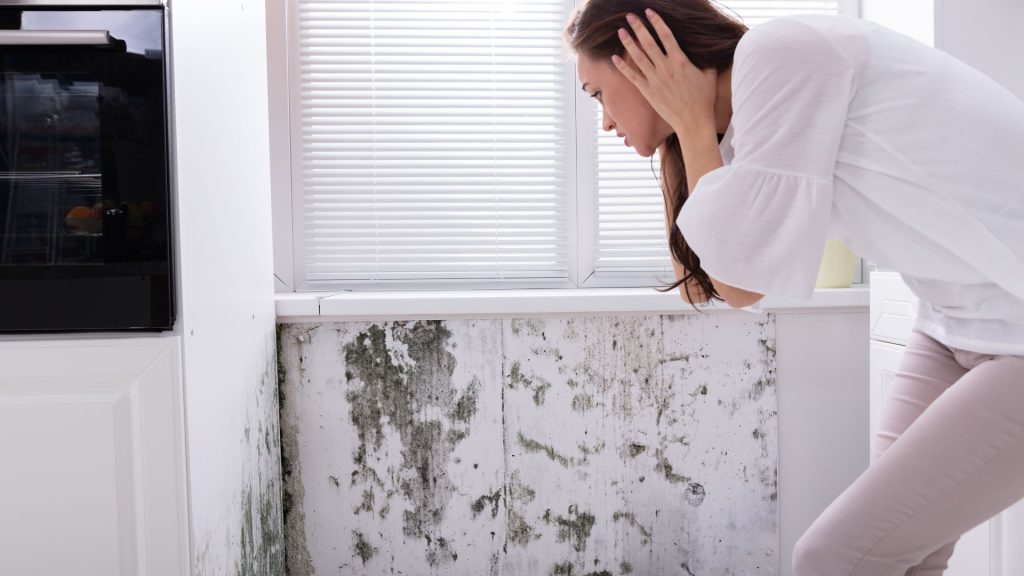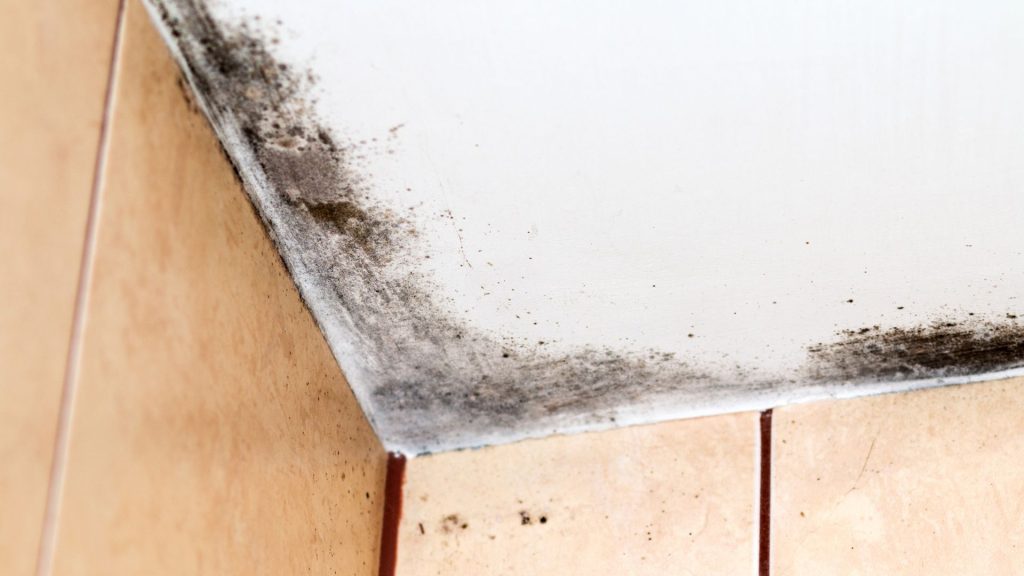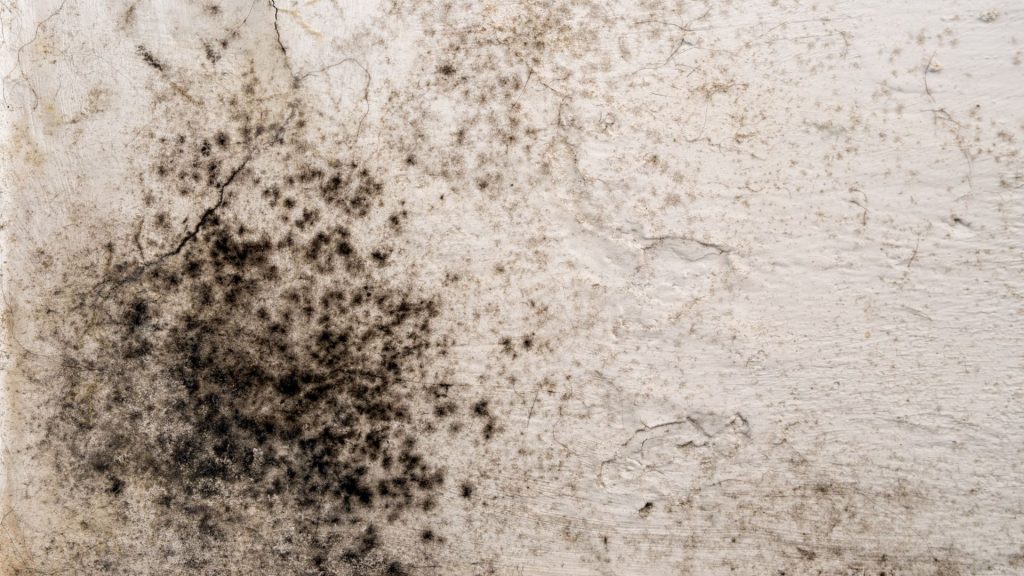
















Mold in your basement can cause serious problems. It can ruin your belongings, damage the structure of your home, and even affect your health. In Everett, where the climate is often damp and rainy, mold growth can be a common issue for homeowners. Understanding how to keep mold out of your basement is essential for maintaining a safe and healthy living environment.
Keeping your basement mold-free starts with knowing why mold grows there in the first place. Basements are usually damp, dark, and poorly ventilated, making them the perfect breeding ground for mold. Water leaks, high humidity, and condensation are common problems that lead to mold growth in basements.
We’ll explore effective methods to keep your basement dry and provide essential maintenance tips to keep this space mold-free. Additionally, we’ll cover some long-term solutions for mold prevention that you can implement to protect your basement for years to come. By following these steps, you can prevent mold from becoming a problem in your Everett home, ensuring a healthier and safer living space for you and your family.
Understanding Why Mold Grows in Basements
Mold thrives in environments that are damp, dark, and poorly ventilated, making basements the perfect breeding ground. In Everett, the frequent rainfall and high humidity levels further contribute to the mold problem. When moisture enters your basement through leaks, cracks, or condensation, it creates an ideal setting for mold spores to settle and grow.
Several factors can lead to increased moisture in your basement. Common sources include leaking pipes, poor drainage around your home, and high humidity levels. Additionally, basements can suffer from condensation issues, especially in areas where there is poor airflow. This happens when warm, moist air comes into contact with cool basement surfaces, like concrete walls and floors, causing the moisture in the air to condense into water droplets.
To effectively combat mold in your Everett basement, it’s crucial to understand these underlying causes. Addressing these moisture sources is the first step in preventing mold growth. Once you know what you’re dealing with, you can take appropriate actions to keep your basement dry and mold-free.
Effective Methods for Keeping Your Basement Dry
Keeping your basement dry is the key to mold prevention. Here are some effective methods to manage moisture and keep your basement dry:
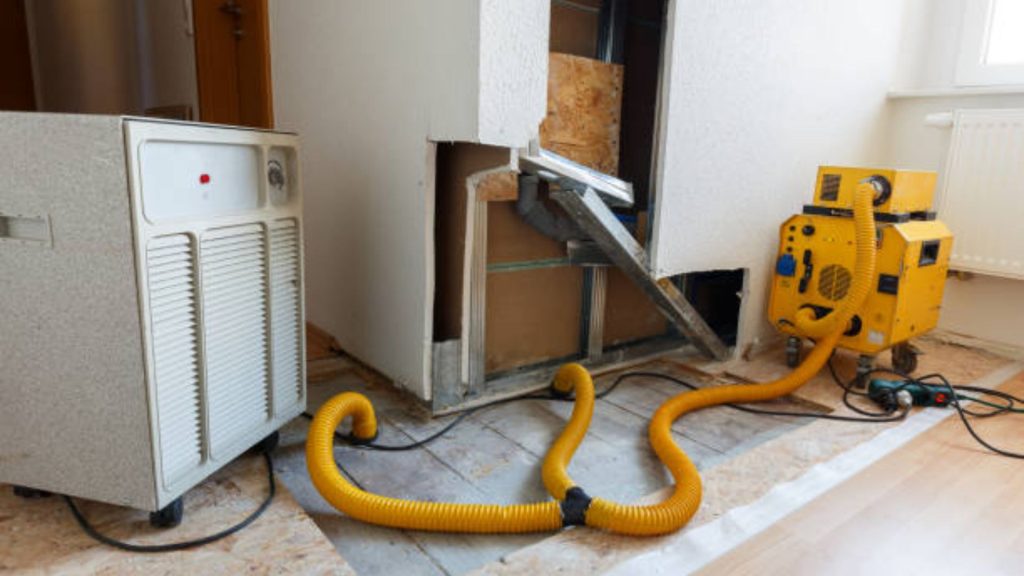
1. Install a Dehumidifier: Place a dehumidifier in your basement to remove excess moisture from the air. This is especially important during humid months. Empty the water reservoir regularly and monitor humidity levels to ensure they stay below 50%.
2. Proper Ventilation: Improve airflow in your basement by installing vents or using fans. This helps reduce humidity and prevents condensation. Consider installing an exhaust fan if your basement has a bathroom or laundry area to expel moist air.
3. Fix Leaks Promptly: Regularly check for leaks in pipes, walls, and the foundation. Repair any leaks immediately to prevent water from seeping into your basement. Use caulking or sealant to patch up any cracks in the walls or floors.
4. Improve Drainage: Ensure your home’s gutters and downspouts are clear and direct water away from your foundation. Installing a proper drainage system can prevent water from pooling around your home and seeping into the basement.
5. Waterproof Your Basement: Apply a waterproof coating or sealant to your basement walls and floors. This barrier will help keep moisture out. Look for products specifically designed for use in basements for the best results.
6. Use Moisture Barriers: If your basement has an unfinished floor, consider using a vapor barrier to prevent moisture from seeping through the soil. This can be a plastic sheet placed under concrete flooring or carpeting.
By following these methods, you can significantly reduce the moisture in your basement, making it harder for mold to grow. Regular maintenance and vigilance are key to keeping your basement dry and mold-free.
- Essential Basement Maintenance Tips
Regular maintenance of your basement is key to keeping it dry and mold-free. Here are some essential tips to consider:
1. Inspect Regularly: Make it a habit to check your basement frequently for signs of moisture, leaks, or mold. Look for water stains, condensation, and musty odors. Early detection allows for quicker action and prevents bigger problems.
2. Clean Gutters and Downspouts: Ensure that gutters and downspouts are clear of debris and properly direct water away from your home’s foundation. Clean these at least twice a year or more frequently if you notice blockages.
3. Seal Cracks: Pay attention to any cracks in the walls and floors of your basement. Use concrete patching compounds or sealants to fill these cracks and prevent moisture from seeping in.
4. Maintain Humidity Levels: Use a hygrometer to monitor the humidity levels in your basement. Keep the levels below 50% to discourage mold growth. Regularly empty and clean dehumidifiers to maintain their efficiency.
5. Sump Pump Maintenance: Check your sump pump regularly to make sure it’s working correctly. Test it by pouring water into the sump pit to see if it activates. Consider installing a battery backup system to ensure it works during power outages.
By following these maintenance tips, you can keep your basement in good condition and significantly reduce the risk of mold growth.
Long-Term Solutions for Mold Prevention
For lasting protection against mold, consider implementing long-term solutions. Here are a few effective methods:
1. Crawlspace Encapsulation: If your home has a crawlspace, consider encapsulating it. This involves sealing the crawlspace with a vapor barrier to keep moisture out. It helps control humidity levels and prevents mold growth in the basement.
2. Perimeter Drainage Systems: Installing a perimeter drainage system in your basement can help manage water around your home’s foundation. These systems collect and divert water away from your basement, keeping it dry and safe.
3. Waterproof Flooring: Invest in waterproof flooring materials for your basement. Options like vinyl, tile, or sealed concrete are resistant to water damage and mold growth. Avoid carpets, as they can trap moisture and become breeding grounds for mold.
4. Improve Insulation: Proper insulation in your basement helps regulate temperature and control condensation. Insulate walls, floors, and pipes to reduce dampness and moisture buildup.
5. Professional Inspections: Schedule regular inspections by professionals to assess your basement’s condition. They can identify potential issues and recommend solutions that you might not notice on your own.
Implementing these long-term solutions can provide peace of mind and protect your basement from mold for years to come.
Conclusion
Keeping mold out of your Everett basement requires understanding why it grows, implementing effective moisture control methods, maintaining your basement, and considering long-term prevention solutions. By taking these steps, you can ensure a dry, safe, and healthy environment in your home.
If you need professional help with mold prevention, crawlspace encapsulation, foundation repair, or water damage restoration, FreshCo is here to assist you. Contact FreshCo today to learn more about our mold removal in Hutchinson, KS, and how we can help keep your Everett home mold-free.