














Living in Marysville means enjoying scenic views and a friendly community, but it also means dealing with the challenges of home maintenance. One of the most critical aspects of maintaining your home is ensuring a stable foundation. Your home’s foundation supports everything above it, so any problems here can lead to severe issues in other areas of your home.
Foundation problems can sneak up on you. At first, you might notice small cracks or doors that stick, but these can quickly turn into significant concerns if not addressed. Ignoring these signs can lead to costly repairs and might even compromise the safety of your home. Understanding the warning signs and knowing when to take action can save you time, stress, and money.
In this article, we’ll explore the common signs that indicate your foundation needs repair, share some DIY tips for minor fixes, and discuss when it’s best to call in professionals. We’ll also cover preventive measures you can take to protect your foundation from future issues. By being proactive, you can keep your home safe, stable, and in great condition.
Signs Your Foundation Needs Repair
Knowing the signs of foundation issues can help you catch problems early. Here are some common indicators that your foundation might need repair:
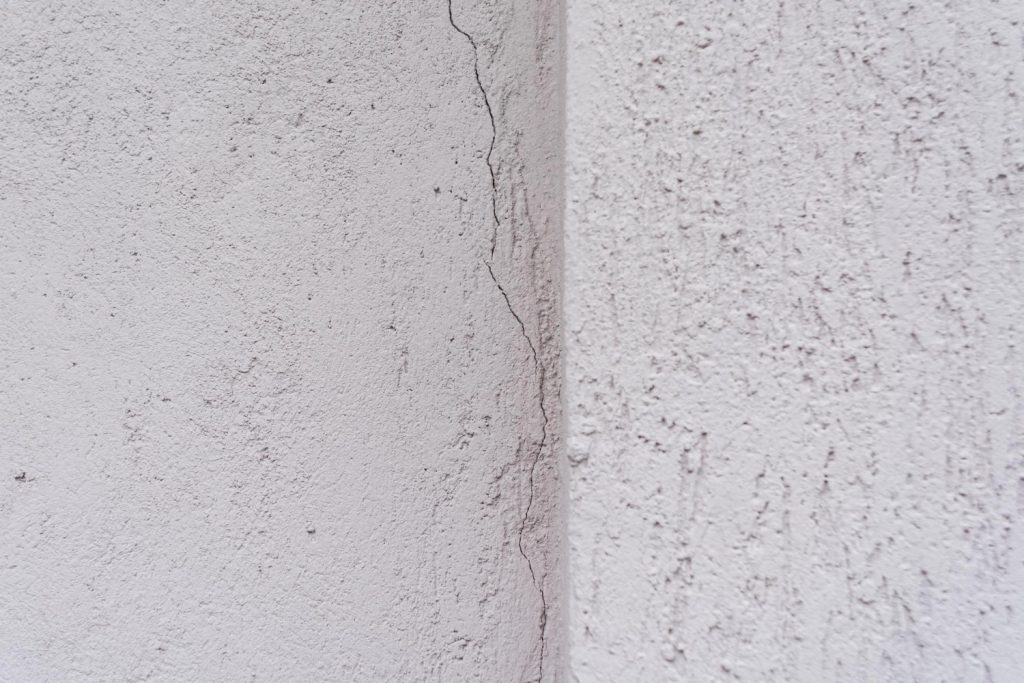
1. Cracks in Walls and Floors: One of the first things you might notice is cracks in your walls, floors, or even the ceiling. Hairline cracks might not be a big deal, but larger, zigzagging cracks can signal serious foundation problems.
2. Doors and Windows That Stick: If your doors and windows suddenly become difficult to open or close, this might be a sign of foundation movement. When the foundation shifts, it can cause frames to become misaligned.
3. Uneven Floors: Have you started to feel like you’re walking uphill inside your own home? Uneven or sloping floors are a clear indicator that something is wrong with your foundation.
4. Gaps Around Windows and Doors: Look for spaces or gaps around window and door frames. This can happen because your foundation is sinking or heaving, causing the overall structure to shift.
5. Water in the Basement or Crawlspace: Persistent moisture or water pooling in your basement or crawlspace can erode the foundation material. This can lead to serious structural issues over time.
If you notice any of these signs, it’s essential to take action quickly. Ignoring these early warning signals can lead to more severe damage and expensive repairs down the line.
DIY Foundation Repair Tips
While some foundation issues require professional intervention, there are minor fixes you can do yourself. Here are some DIY tips for those small-scale problems:
1. Fill Small Cracks: For hairline cracks in walls or floors, use epoxy or polyurethane foam. These materials can fill the cracks and seal them to prevent moisture from entering. Simply clean the crack, apply the filler, and allow it to cure.
2. Install Gutters and Downspouts: Proper drainage is crucial for foundation health. Make sure your home has gutters and downspouts to direct water away from the foundation. If you already have them, keep them clean and well-maintained.
3. Grade Your Yard: Ensure that the soil around your home slopes away from the foundation. This prevents water from pooling around the base, which can weaken the foundation over time. You can add soil around your home to create a gentle slope.
4. Seal Windows and Doors: Use caulk or weatherstripping to seal gaps around windows and doors. This helps keep out moisture and pests, which can contribute to foundation problems.
5. Install a Sump Pump: If your basement tends to get wet, consider installing a sump pump. This device pumps water out of your basement, reducing moisture levels and protecting your foundation.
These DIY tips can help you address minor foundation issues and prevent them from becoming major problems. However, for more significant issues, it’s best to consult with professionals who have the expertise to ensure your home remains safe.
By staying proactive, you can keep your foundation in good shape and avoid costly repairs.
When to Call in the Professionals
Sometimes, foundation issues are too complex or severe for DIY solutions. Here are scenarios when it’s best to call in professional help:
1. Significant Cracks: If you notice large cracks wider than 1/4 inch, especially if they are in a stair-step pattern, it’s time to consult a professional. These types of cracks often indicate serious foundation movement.
2. Persistent Moisture: If you have constant water issues in your basement or crawlspace despite your efforts to keep things dry, it’s a sign that you need expert help. Professionals can identify underlying drainage problems and provide more effective solutions.
3. Foundation Settling: If parts of your home are visibly sinking or if you notice gaps between the walls and the floor, this could indicate that your foundation is settling unevenly. Foundation settling requires specialized techniques like underpinning to stabilize and level the home.
4. Bulging or Bowing Walls: Walls that bulge or bow inward are a clear sign of serious structural issues. This usually happens due to soil pressure against your foundation and needs immediate attention from experts.
5. Sagging Floors and Ceilings: If your floors are sagging or you notice that the ceiling has dips, this could be a symptom of significant foundation damage. Professionals can assess the extent of the damage and recommend the appropriate repairs.
Calling in the pros ensures that the problem is correctly diagnosed and effectively fixed, preventing further damage and costly repairs in the future.
Preventive Measures to Protect Your Foundation
Preventing foundation problems before they start is the best way to save yourself from headaches and hefty repair bills. Here’s how you can protect your home’s foundation:
1. Maintain Proper Drainage: Make sure your gutters and downspouts are functioning correctly and channeling water away from your foundation. Clean them regularly and extend downspouts at least three feet away from the house.
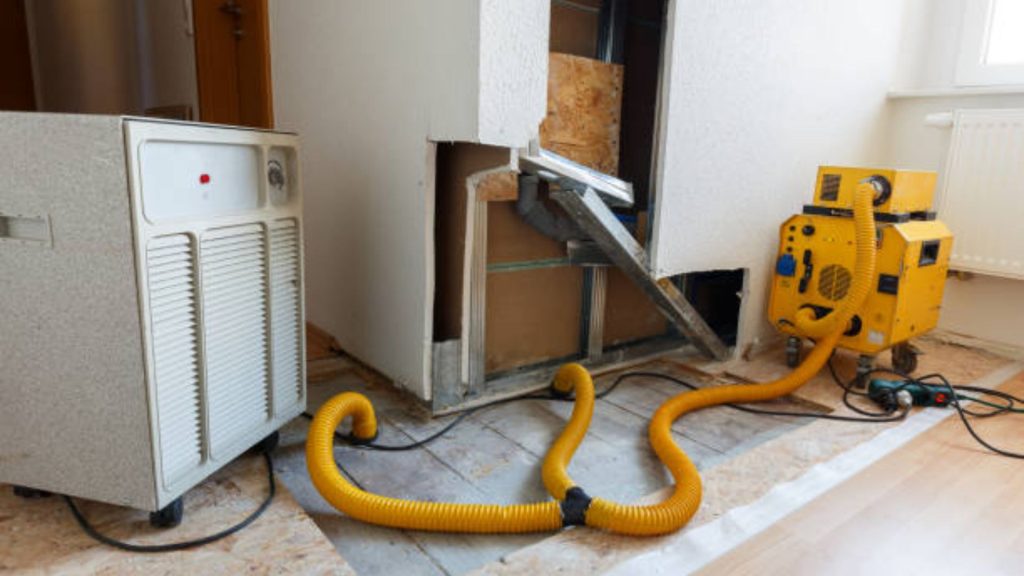
2. Control Moisture Levels: Use a dehumidifier in basements and crawlspaces to keep humidity levels down. Excess moisture can weaken your foundation and lead to mold growth.
3. Tree and Plant Placement: Be mindful of where you plant trees and shrubs. Their roots can absorb moisture from the soil around your foundation, leading to settling issues. Keep large plants at least 10 feet away from the house.
4. Water the Soil in Dry Periods: During dry spells, water the soil around your foundation to keep it from shrinking. Shrinking soil can create gaps that lead to foundation settling. Consistent moisture levels are key to maintaining soil stability.
5. Inspect Your Home Regularly: Regularly walk around your home to look for signs of foundation issues. Early detection of water pooling, cracks, and other signs can help you address problems before they become severe.
6. Install a French Drain: A French drain helps redirect water away from your foundation. This is especially useful if you have persistent problems with water accumulation around your home.
Taking these preventive steps can help you avoid the hassle and cost of foundation repairs, ensuring your home stays safe and stable for years to come.
Conclusion
Foundation issues can be daunting, but knowing the signs and taking proactive steps can protect your Marysville home. From spotting early warning signs to tackling minor fixes yourself, you play a crucial role in maintaining your home’s foundation. However, don’t hesitate to call in professionals when you encounter significant issues. Preventive measures are your best defense against future problems, helping to keep your home safe, stable, and in great condition.
If you suspect your foundation needs attention or want professional advice on preventive measures, FreshCo is here to help. Our experienced team can provide expert disaster restoration services tailored to your needs. Contact FreshCo today to ensure your home’s foundation remains rock solid.