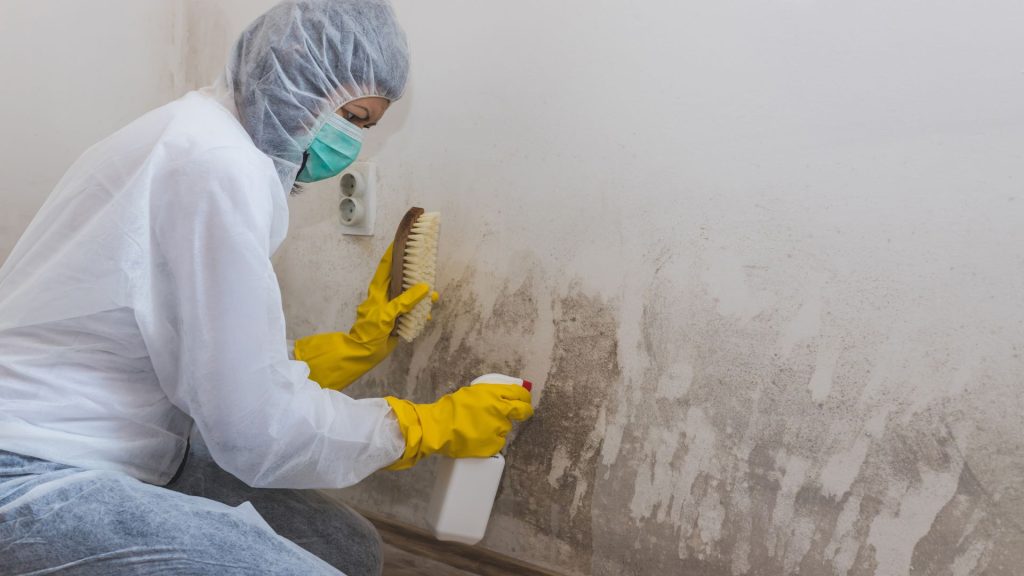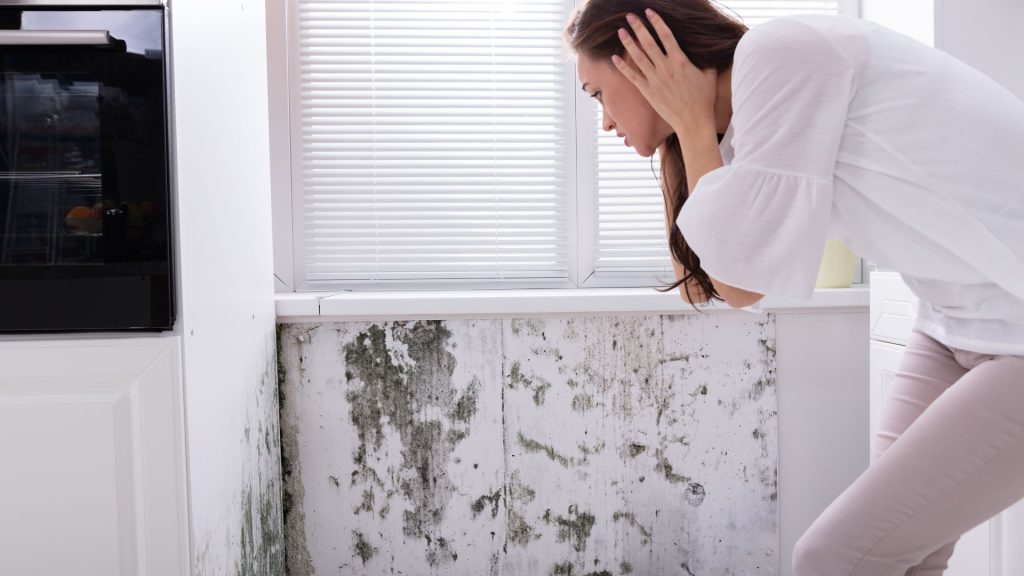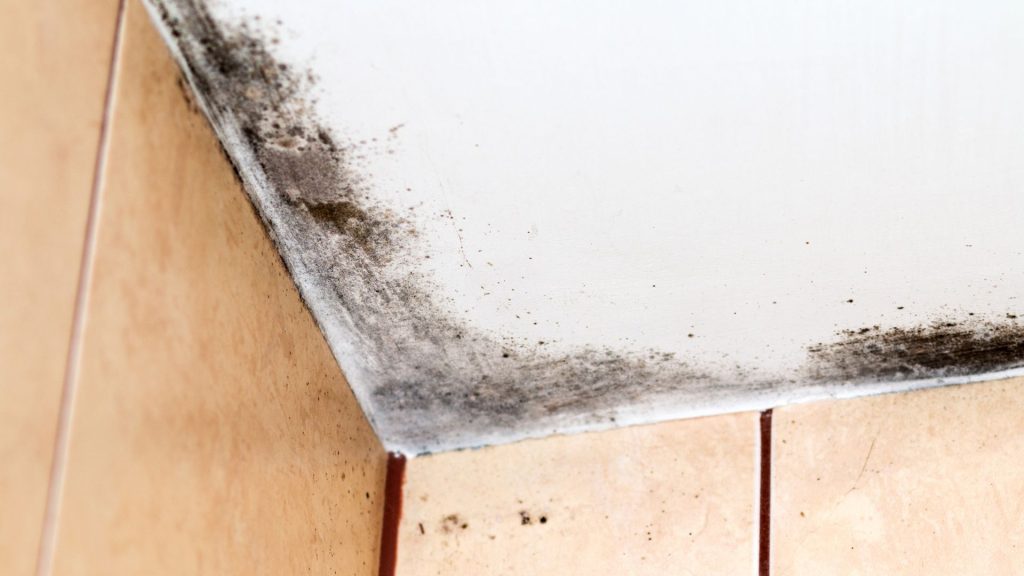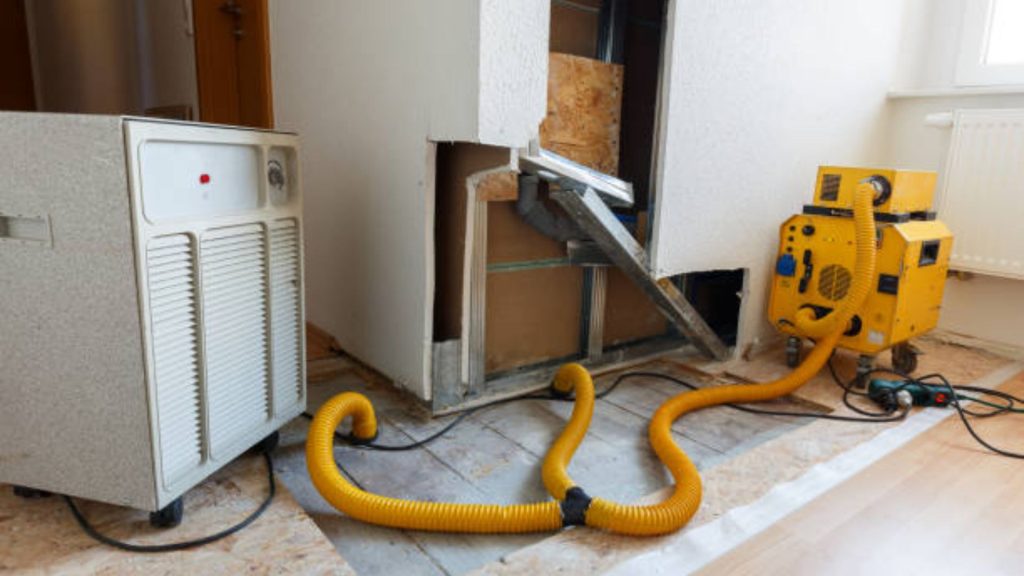
















Foundation cracks can be a homeowner’s worst nightmare, especially in Everett, where damp conditions can make the problem worse. If you notice cracks in your foundation, it’s important to address them quickly. Ignoring them can lead to more serious issues like water damage, mold growth, and even structural problems in your home.
In this guide, we’ll explore common causes of foundation cracks in Everett homes, the different types of cracks you might encounter, steps you can take to fix minor issues, and when it’s time to call in a professional. Understanding these details can save you time, money, and stress.
Common Causes of Foundation Cracks in Everett Homes
Foundation cracks can happen for various reasons, and understanding these causes can help you prevent them. One major factor is the type of soil around your home. Everett often has clay-rich soil, which expands when wet and contracts when dry. This shifting can put a lot of pressure on your foundation, leading to cracks.
Weather conditions also play a big role. Heavy rains can seep into the soil and create hydrostatic pressure against your foundation. Over time, this pressure can cause the concrete to crack. On the flip side, long, dry spells can cause the soil to shrink, which removes support for the foundation and leads to cracking.
Another common cause is poor drainage around your home. If your gutters and downspouts are clogged or improperly installed, water can pool around your foundation. This increases moisture levels in the soil and contributes to cracking. Maintaining good drainage is key to protecting your foundation.
Lastly, natural settling can lead to cracks. All homes settle to some extent as they age. While minor settling is normal, excessive movement can be problematic. Factors like poor construction, inadequate soil compaction, and the weight of your home can affect how much settling occurs.
Types of Foundation Cracks and What They Mean
Not all foundation cracks are the same. Different types of cracks can indicate different issues, and it’s critical to recognize what each type means.
1. Hairline Cracks: These thin cracks are usually less than 1/8 inch wide. Hairline cracks are often due to minor settling and are usually not a cause for concern. However, you should monitor them to ensure they don’t widen over time.
2. Vertical Cracks: Vertical cracks run up and down the wall and are common in many homes. They often occur due to settling and are usually less serious. You can often fix these cracks with simple repairs.
3. Horizontal Cracks: These cracks run sideways and can be a sign of significant pressure against your foundation. They are often caused by soil pressure or water buildup. Horizontal cracks can indicate serious structural issues and should be addressed immediately.
4. Stair-Step Cracks: These cracks resemble a staircase and usually appear in brick or concrete block walls. Stair-step cracks are a sign of differential settling, where one part of the foundation settles more than another. These cracks need careful evaluation to determine their severity.
5. Diagonal Cracks: Diagonal cracks run at an angle and can be caused by settling or shifts in the soil. The seriousness of diagonal cracks can vary, so it’s important to assess their width and direction.
Recognizing the type of foundation crack you have can help you decide the best way to fix it. Always keep an eye on any changes in the cracks and address them promptly.
Steps to Fix Minor Foundation Cracks
Fixing minor foundation cracks is something you can often handle on your own. Here’s a simple guide to help you through the process.
1. Clean the Crack: Start by cleaning the crack using a wire brush to remove dirt and loose debris. Use a vacuum cleaner or a can of compressed air to get rid of the dust. A clean crack ensures better adhesion of the repair material.
2. Apply the Crack Filler: Use a high-quality concrete crack filler. For small cracks, a caulking gun and concrete epoxy or polyurethane can work well. Inject the filler into the crack, making sure to fill it completely.
3. Smooth the Surface: After filling the crack, use a trowel or putty knife to smooth the surface. Make sure the filler is level with the surrounding concrete. This helps in making the repair less noticeable.
4. Cure the Repair: Allow the repair to cure according to the filler’s instructions. This usually involves leaving it for a few days so it can harden and bond with the original concrete.
5. Monitor the Repair: Keep an eye on the repaired crack for any changes. If the crack starts to widen or new cracks appear, it may indicate a larger issue that needs professional attention.
By following these steps, you can effectively address minor foundation cracks and prevent them from becoming major problems.
When to Call a Professional for Foundation Repair
While some cracks are manageable on your own, others require a professional’s expertise. Here are some signs that it’s time to call in an expert.
1. Large or Widening Cracks: If you notice large cracks, especially those wider than 1/4 inch or cracks that seem to be getting bigger, seek professional help. These can indicate serious structural issues.
2. Horizontal or Stair-Step Cracks: As mentioned earlier, these types of cracks can be signs of significant foundation problems. A professional can assess the situation and recommend proper repairs.
3. Multiple Cracks: If you discover several cracks in different areas of your foundation, this could point to a more extensive issue. Professional intervention is necessary to address the root cause and prevent further damage.
4. Water Seepage: Cracks that allow water to seep into your basement or crawlspace should be addressed immediately. Water damage can lead to mold growth and other problems that compromise your home’s safety.
5. Doors and Windows Misalignment: If you find that your doors and windows are sticking or not closing properly, this might be related to foundation movement. A professional can determine if your foundation is the issue.
Conclusion
Foundation cracks are common in homes, especially in areas like Everett where soil and weather conditions contribute to the problem. Knowing what causes these cracks and how to identify their types is crucial for maintaining the health of your home. While you can often fix minor cracks on your own, certain situations call for professional intervention.
If you find yourself dealing with problematic foundation cracks, look no further than FreshCo. Our experienced team is ready to help you keep your home safe and secure. Contact us today for expert foundation repair and disaster restoration services tailored to your needs