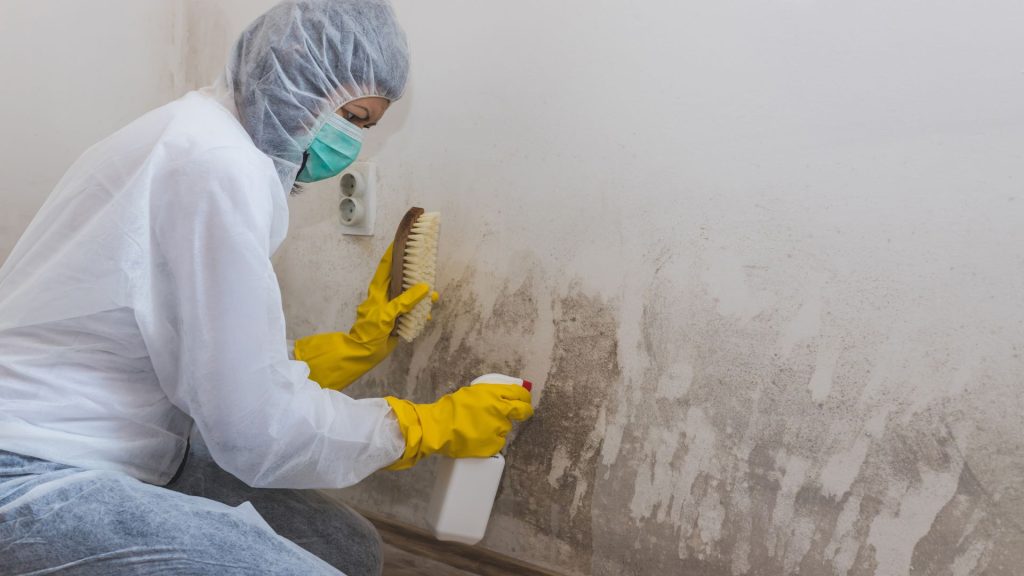















Identifying the early warning signs of a mold infestation is the most effective way to prevent extensive property damage and maintain a healthy indoor environment in south-central Kansas. A professional mold inspection in Wichita KS is typically recommended when residents notice persistent musty odors, visible spotting on walls, or unexplained respiratory symptoms that improve when they leave the house. Because our local climate transitions rapidly from heavy spring rains to humid summer heat, moisture can easily become trapped in wall cavities or basements, providing the perfect breeding ground for fungal colonies that often remain invisible to the naked eye.
How can you tell if you have mold in your walls?
The most common way to tell if mold is growing inside your walls is by identifying a combination of musty odors and physical changes to your drywall, such as bubbling paint, peeling wallpaper, or dark, discolored patches. Since mold feeds on organic materials like the paper backing of drywall and wood framing, it often starts deep within the structure following a plumbing leak or condensation buildup. In Wichita neighborhoods like Riverside or College Hill, where many homes feature older lath-and-plaster construction, moisture can linger in wall voids for weeks before showing external warning signs.
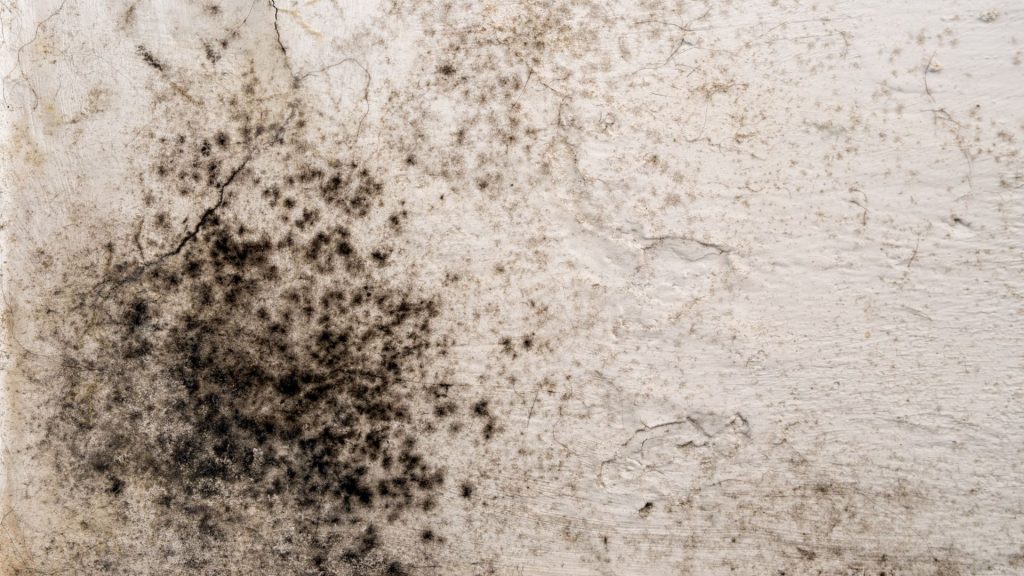
- Discoloration: Look for yellow, brown, or black stains that appear to “grow” or spread over time.
- Surface Texture: Drywall that feels soft, “spongy,” or shows visible bowing likely has internal moisture issues.
- Bubbling Paint: If your paint is flaking or bubbling, it is a sign that moisture is pushing from the inside out, often carrying mold spores with it.
- Baseboard Gaps: Mold often starts at the floor level; check for warping or black dust accumulating along the edges of your baseboards.
If you suspect hidden growth, a mold inspection in wichita ks specialist can use infrared cameras to detect temperature anomalies behind your walls without having to cut into the surface.
What are the most common mold symptoms in home Wichita environments?
The most common mold symptoms in homes that Wichita residents report include persistent sneezing, watery eyes, and chronic sinus congestion that seems to flare up specifically while indoors. Because mold spores are microscopic allergens, they can easily circulate through your HVAC system, affecting the air quality in every room of the house. For individuals with existing conditions like asthma or COPD, exposure to high spore counts can lead to more severe respiratory distress or frequent headaches.
Respiratory and Sinus Irritation
Many homeowners mistake mold exposure for “seasonal allergies,” especially during the high-pollen spring months in the Great Plains. However, if your stuffy nose or itchy throat persists long after the local cedar or ragweed counts have dropped, the trigger may be inside your vents. Mold spores act as irritants that inflame the lining of the nose and lungs, leading to a persistent “heavy” feeling in the chest.
Skin and Eye Sensitivities
Direct contact with moldy surfaces or high concentrations of airborne spores can cause skin rashes, hives, or red, irritated eyes. This is particularly common in high-moisture areas like bathrooms or laundry rooms where spores are most concentrated. If you notice these physical reactions, it is time to have a professional air quality assessment to determine the concentration of spores in your living space.
Why do I smell a musty mold in Wichita KS?
A persistent musty smell of mold, homeowners encounter is caused by Microbial Volatile Organic Compounds (mVOCs), which are gases released by mold as it grows and consumes organic material. This “earthy” or “wet sock” odor is often the very first indicator of a problem, even if you cannot see any visible growth. In Wichita, these odors are frequently detected in basements or near floor drains after heavy rainstorms saturate the soil surrounding the foundation.
- HVAC Circulation: If the smell intensifies when your air conditioner kicks on, the mold may be growing on your cooling coils or inside the ductwork.
- Basements and Crawl Spaces: High humidity in unconditioned spaces near the Arkansas River can lead to a stagnant, damp smell that permeates the upper floors.
- Hidden Water Leaks: A faint, localized musty odor near a kitchen sink or behind a refrigerator often points to a slow-dripping pipe.
Since these gases can be harmful over long periods, it is essential to act quickly to identify the source of the odor before the underlying moisture causes structural rot.
What are the visible mold warning signs Wichita homeowners should watch for?
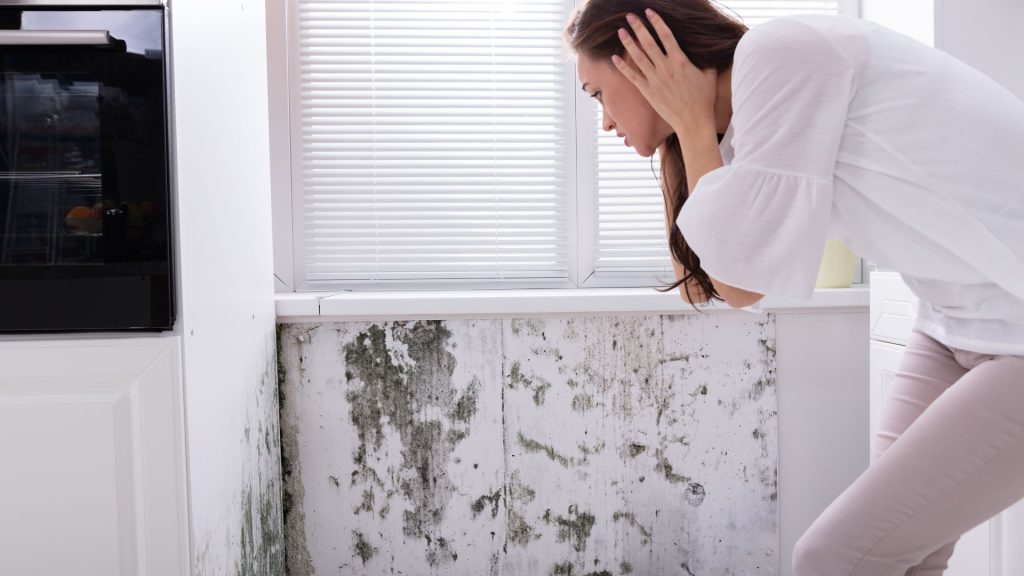
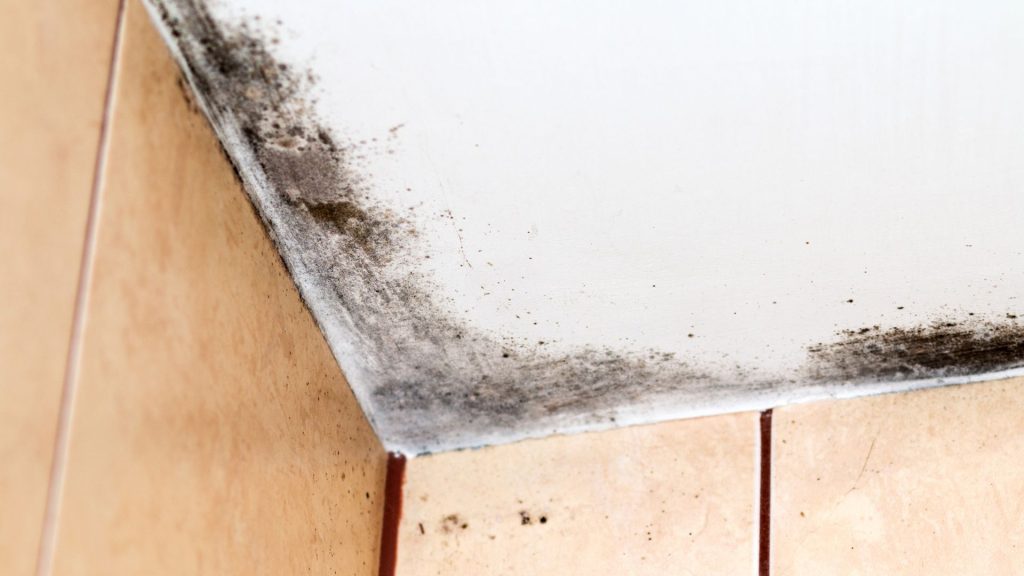
The most obvious visible mold warning signs Wichita residents should look for include “fuzzy” or “slimy” patches that appear in various colors, ranging from deep black and forest green to bright orange or white. While surface mold in a shower is common and often easily cleaned, visible growth on “dry” surfaces like bedroom ceilings, closet corners, or behind furniture indicates a systemic moisture problem that requires professional intervention.
Common Locations for Visible Growth
Mold thrives in dark, stagnant environments with high humidity. Check behind the headboard of your bed if it is pushed against an exterior wall, as the lack of airflow can trap condensation. Similarly, check the undersides of cabinets in the kitchen and the ceiling tiles in finished basements, especially if your home is located in areas prone to high water tables like South Wichita or near the Big Slough.
To ensure your indoor air quality is not deteriorating due to hidden leaks, you should get a quote from a local specialist who can perform a comprehensive moisture mapping of your property.
Identifying Different Mold Types
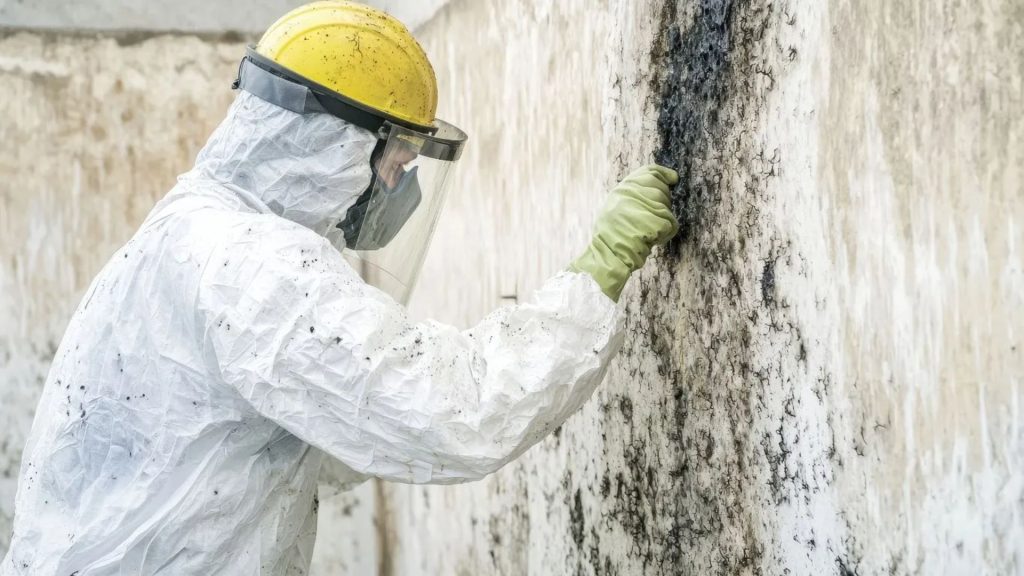
- Black Mold (Stachybotrys): Often appears as a dark, slimy, or soot-like patch and is typically associated with long-term water damage.
- White Mold: Can look like a powdery substance or “efflorescence” (salt deposits) on basement masonry walls.
- Green/Grey Mold: Often found on food, textiles, or damp wood surfaces.
Even a small patch of mold can release millions of spores into the air, so most experts recommend testing to ensure the colony hasn’t spread into the insulation or subflooring.
Does Wichita’s weather contribute to mold growth?
Yes, Wichita’s unique climate plays a significant role in local mold issues, as our city experiences high humidity levels and rapid temperature swings that encourage condensation. During the summer months, the “heat island” effect in the Downtown Business District and surrounding suburbs creates a massive temperature differential between the hot outdoor air and your chilled indoor environment. This leads to “sweating” on windows and pipes, providing the exact amount of moisture mold needs to germinate within 24 to 48 hours.
| Weather Event | Potential Mold Risk | Common Resulting Issue |
| Heavy Spring Rains | High | Basement seepage and foundation cracks. |
| Humid Summers | Moderate | Attic condensation and HVAC mold growth. |
| Rapid Temperature Shifts | Moderate | Window seal failure and “sweating” walls. |
| Winter Snow Melt | Low | Ice dams leading to roof leaks in older homes. |
Because our local weather is so unpredictable, a mold inspection in wichita ks is a common part of routine home maintenance for property owners who want to catch leaks before they turn into expensive remediation projects.
Frequently Asked Questions (PAA)
Can I just clean the mold with bleach?
While bleach can kill surface mold on non-porous materials like tile, it is ineffective on porous surfaces like drywall or wood. In fact, the water in the bleach can actually soak into the material, feeding the mold roots that remain hidden deep inside.
Is black mold the only dangerous type in Kansas?
No, while “black mold” gets the most media attention, many other strains like Aspergillus and Penicillium can cause significant health issues and property damage. Any indoor mold growth is considered a problem regardless of the color.
Why does the mold keep coming back after I clean it?
Mold will always return if the underlying moisture source is not addressed. If you have high indoor humidity or a hidden leak, the spores in the air will simply land on the damp spot and restart the colony within days.
Should I get a mold inspection before buying a house in Wichita?
Absolutely. A standard home inspection may not include a deep dive into mold or air quality. In competitive markets like Maize or Derby, having a specialized mold report can save you from inheriting a “money pit” with hidden structural issues.
How long does a professional mold inspection take?
A standard residential inspection in Wichita usually takes between 1.5 and 3 hours, depending on the size of the home and the number of areas that need to be tested.
Conclusion
Understanding the signs of mold—from a persistent musty smell mold Wichita KS homeowners often overlook to the more obvious visible mold warning signs Wichita provides—is the first step in protecting your investment. Whether you are dealing with the aftermath of a basement flood near the Sedgwick County Zoo or suspecting hidden growth in a historic Riverside bungalow, early detection is key. Freshco is a trusted local service provider in Wichita, dedicated to helping our neighbors identify and eliminate mold threats before they compromise your family’s health. We provide professional, honest assessments and clear data to ensure your home remains the safe haven it was meant to be.