















Understanding the technical steps involved in a professional restoration project is essential for homeowners who want to ensure their property is handled with scientific precision. If you have discovered an infestation after a heavy Kansas storm or a basement flood, you likely need a structured mold remediation park city plan that goes beyond simple surface cleaning to address airborne spores and hidden colonies. A certified process ensures that the fungal growth is not only removed but that the environment is stabilized to prevent any future recurrence of the biological hazard.
What are the 7 steps of mold remediation?
The professional mold remediation process in Park City KS follows a strict seven-step protocol: source identification, containment, air filtration, removal of damaged materials, cleaning/disinfection, drying, and final clearance testing. Following this industry-standard sequence is the only way to guarantee that microscopic spores are captured and that the home is returned to a safe, habitable condition.
In our local area, where humidity levels can fluctuate wildly near the Chisholm Creek parklands, these steps must be executed quickly. The process begins with moisture mapping to find the leak, followed by the construction of physical barriers to isolate the work area. Once the area is sealed, high-efficiency particulate air (HEPA) scrubbers are used to clean the atmosphere while technicians remove contaminated drywall or insulation.
How does the mold remediation process in Park City KS begin?
The initial phase focuses on assessment and containment to ensure that the problem does not spread to unaffected parts of the home during the cleanup. In many residential properties near the Park City Arena, mold issues often stem from hidden condensation in crawl spaces or attics that requires specialized diagnostic tools.
- Moisture Mapping: Technicians use infrared cameras and moisture meters to find “cold spots” that indicate active leaks behind your walls.
- Containment Barriers: Heavy-duty 6-mil polyethylene sheeting is used to seal off doorways and vents, creating a localized “clean room” environment.
- Negative Air Pressure: Industrial fans are set up to exhaust air through HEPA filters to the outside, ensuring that spores cannot drift into your kitchen or bedrooms.
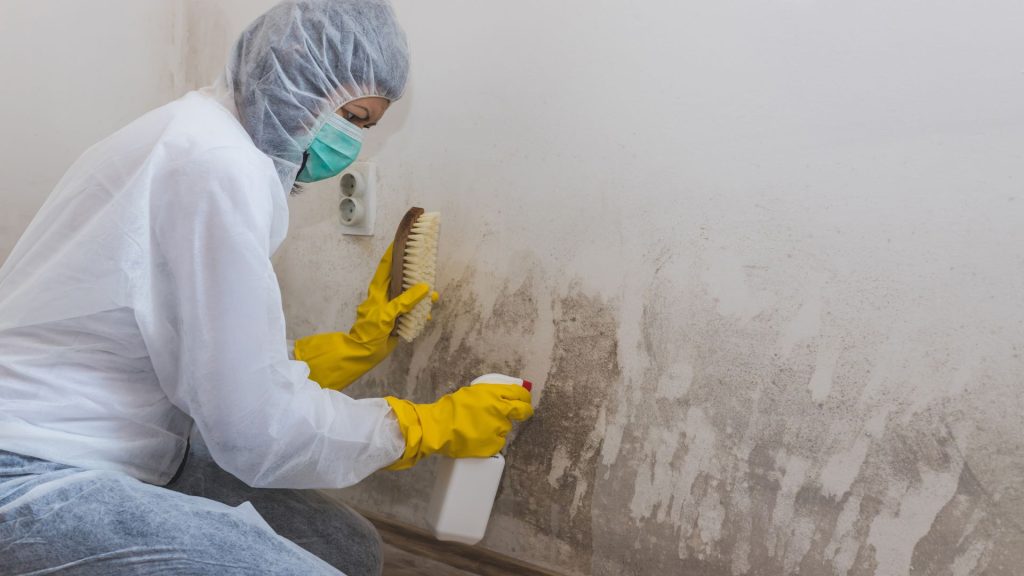
- PPE Protocol: All technicians wear specialized suits and N-95 or full-face respirators to prevent cross-contamination between rooms.
Establishing a secure containment zone is the most effective way to protect your family’s health during the project. Technicians meticulously seal every HVAC register and plumbing penetration to ensure that no microscopic debris escapes the work zone while the demolition of infested materials is underway.
Certified Mold Cleanup Procedure for Structural Materials
When mold invades porous materials like the wood framing found in homes near the 81 Speedway, the cleaning approach must be aggressive. Unlike non-porous metal or glass, wood and drywall allow mold roots to grow deep into the fibers, necessitating a multi-layered removal strategy.
The certified procedure involves HEPA vacuuming all surfaces first to remove loose spores. Technicians then use a combination of wire brushing and sanding on structural timbers to physically detach the mold colonies. This is followed by the application of EPA-registered antimicrobial solutions that penetrate the surface to neutralize any remaining fungal “roots” that the brushes could not reach.
What tools are used in steps of mold removal in Kansas homes?
Standard household tools are insufficient for dealing with a biological infestation that involves microscopic particles. Professional teams in the 67219 zip code use specialized machinery designed to manage air quality and moisture levels simultaneously.
| Tool Category | Specific Equipment | Primary Purpose |
| Detection | Thermal Imaging & Hygrometers | Locating hidden moisture and measuring humidity. |
| Air Quality | HEPA Air Scrubbers & Negative Air Machines | Removing 99.97% of airborne spores and dust. |
| Removal | Media Blasters (Soda or Dry Ice) | Stripping mold from attic rafters without damaging wood. |
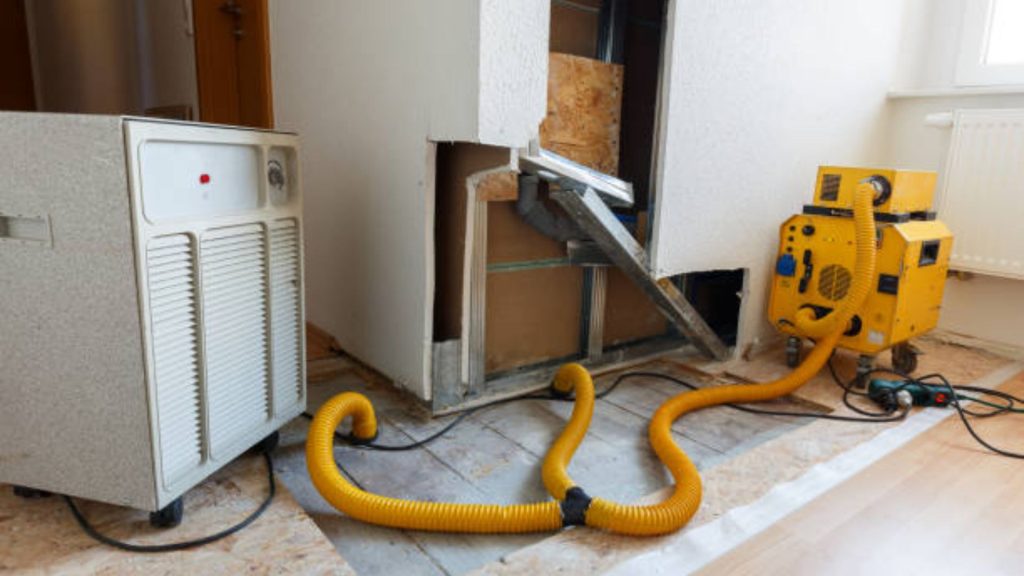
| Drying | LGR Dehumidifiers & Air Movers | Extracting deep-seated moisture from floor joists. |
| Sanitation | ULV Foggers | Applying antimicrobial mist to hard-to-reach cavities. |
Why is HEPA filtration so important?
During the remediation process, millions of spores are agitated and released into the air. Without industrial-grade filtration, these spores would simply settle on your furniture or be sucked into your HVAC system, causing a secondary outbreak elsewhere in the house. HEPA filters are capable of trapping particles as small as 0.3 microns, which is essential for capturing individual mold spores.
Securing the health of your indoor environment requires a combination of technical skill and specialized equipment, and you can easily Contact Us to receive a customized assessment for your property.
Managing the Drying and Stabilization Phase
Once the physical mold has been removed, the most critical step of the mold remediation park city process is ensuring the structure is completely dry. If the wood or drywall remains above 16% moisture content, mold will begin to grow back within days, even if the area has been sanitized.
Local technicians use Low Grain Refrigerant (LGR) dehumidifiers, which are significantly more powerful than the units found in home improvement stores. These machines can pull moisture out of the air even in the cool, damp conditions often found in Park City basements. The drying phase typically lasts between 48 and 72 hours, during which moisture levels are monitored daily until they reach the “dry standard” for our specific Kansas climate.
Final Post-Remediation Clearance Testing
The final step in a professional restoration is the clearance test, which provides the homeowner with documented proof that the mold levels inside the home have returned to a safe, natural baseline. An independent indoor environmental professional (IEP) usually collects air samples from both inside the containment area and outside the home for comparison.
If the indoor spore count is significantly lower than the outdoor count and no “indicator” species are present, the project is considered a success. This documentation is vital if you ever decide to sell your property in the Park City area, as it provides peace of mind to buyers that the home is structurally sound and free of biological hazards.
Frequently Asked Questions
Is the mold remediation process the same for all types of mold?
While the general steps remain consistent, the level of containment and the intensity of the cleaning increase significantly if toxic species like Stachybotrys are identified. Remediation for toxic black mold requires more stringent personal protective equipment and more frequent air changes per hour to ensure the safety of the workers and the residents.
Do I need to throw away my furniture after mold remediation?
Non-porous items like metal, glass, and hard plastics can usually be cleaned and kept. However, porous items like upholstered sofas, mattresses, and thick rugs that have been heavily contaminated are often impossible to fully sanitize and may need to be discarded to prevent the mold from returning.
Does the remediation process include fixing the initial leak?
Most remediation companies focus on the removal and stabilization of the mold, but the source of the water—such as a broken pipe or a roof leak—must be repaired by a licensed plumber or roofer. It is essential that the leak is stopped before the remediation begins to avoid wasting resources on a temporary fix.
Can I stay in my home while the remediation is happening?
If the mold is localized to a single room with proper containment, you can usually stay in the home. However, if the remediation involves the HVAC system or multiple bathrooms, the noise of the machinery and the disruption of essential services may make it more comfortable for you to relocate for a few days.
How do I know if the mold cleanup procedure was done correctly?
A successful project will have no visible mold, no musty odors, and a passed clearance report from an independent lab. You should also see that the underlying moisture issue has been resolved and that the treated wood surfaces are clean and dry to the touch.
Conclusion
Navigating the complexities of mold remediation park city requires a systematic approach that prioritizes both structural integrity and air quality. From the initial containment near the Chisholm Creek developments to the final drying phase in your basement, every step of the process is designed to return your home to a healthy state. By following a certified protocol, you protect your investment and ensure that your indoor environment is free from the risks associated with fungal growth.
As a dedicated local partner, Freshco is committed to transparency and excellence throughout the restoration journey. We provide the expertise and industrial-grade equipment needed to handle any scale of infestation in the Park City community. Our goal is to serve as a reliable solution for homeowners, providing professional care and long-term results you can trust.