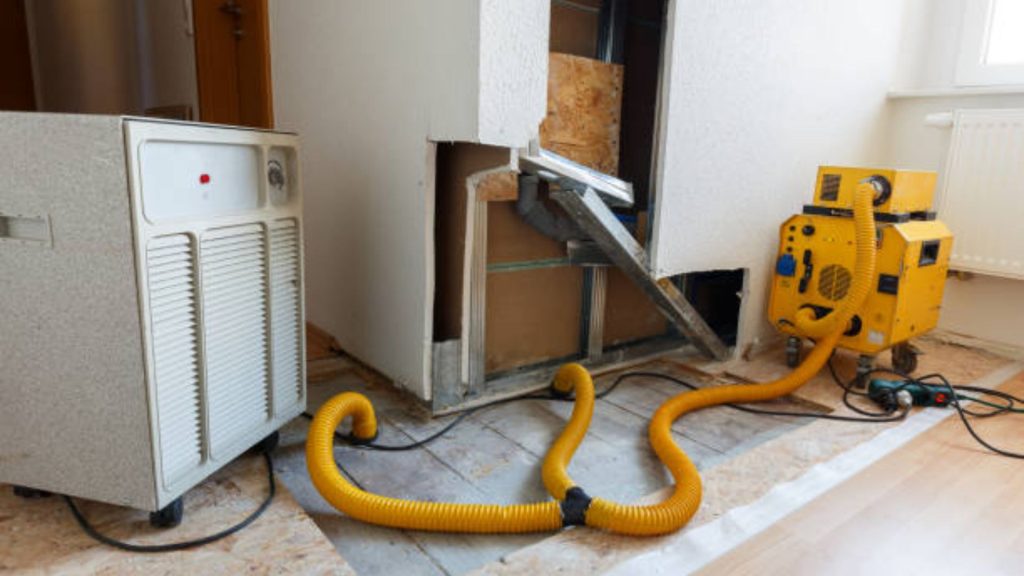
















Identifying a mold problem before it compromises your home’s structural integrity or your family’s respiratory health is the most critical step for any homeowner. If you have discovered unusual staining on your ceiling, a persistent damp smell, or if family members are suffering from unexplained allergies, you likely require professional mold remediation park city services to eliminate the biological hazard at its source. While some surface mold is visible, the most dangerous infestations often hide behind drywall or under floorboards, necessitating a thorough assessment of your indoor environment.
How can you tell if mold is hidden in your walls?
The most reliable way to tell if mold is hidden in your walls is to check for water stains, bubbling paint, or a persistent musty odor that does not go away with cleaning. Hidden mold often thrives in the dark, humid cavities of your home, especially in areas near the Chisholm Creek flood zones or in older residential pockets where basement seepage is common.
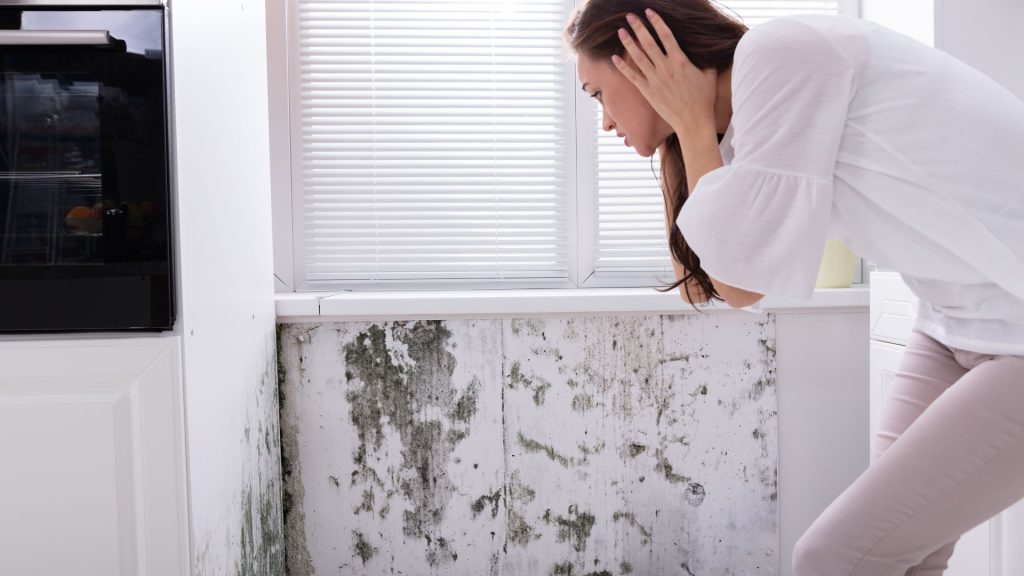
When moisture is trapped behind a wall, the drywall will often feel soft or “spongy” to the touch. In many Park City homes, especially those built with traditional crawl spaces, mold can also manifest as a dark discoloration along the baseboards. If you see these physical signs, it is an indication that the fungal colony has already matured and is releasing spores into your breathing zone.
What are the most common signs of mold in homes in Park City KS?
Homeowners should look for a combination of visual, olfactory, and environmental indicators to determine if an infestation is present. Because the Kansas climate involves high humidity during the summer months, mold growth can accelerate rapidly if the home is not properly ventilated.
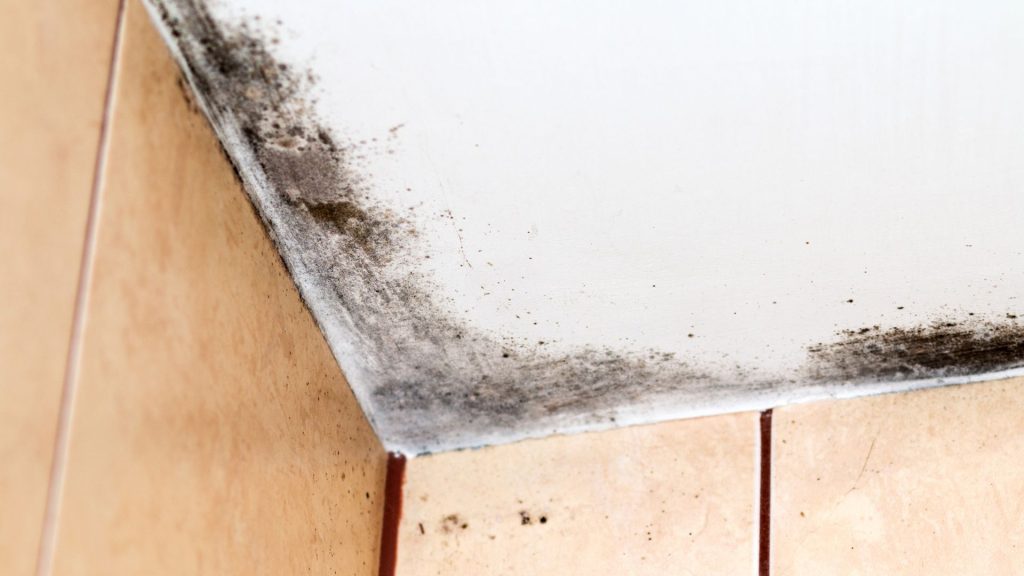
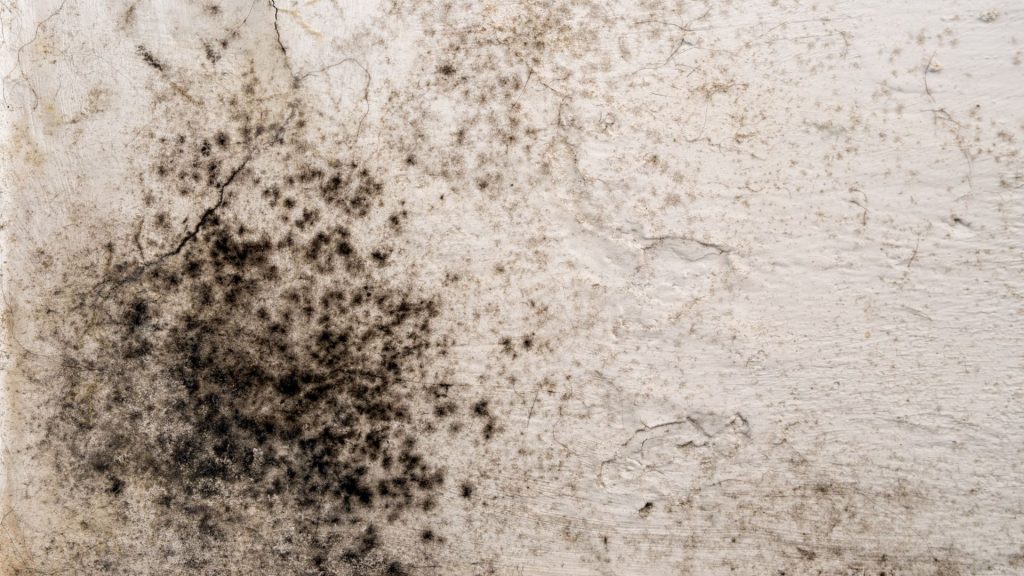
- Visible Growth: This appears as black, green, or white fuzzy patches on surfaces like windowsills, bathroom grout, or attic rafters.
- Persistent Musty Smell: A damp, earthy odor that is strongest in specific rooms is a classic sign of active fungal growth.
- Condensation: Frequent moisture on window glass or metal pipes indicates high humidity levels that facilitate mold colonization.
- History of Leaks: Any past plumbing failure or roof leak near the 81 Speedway area that was not professionally dried within 48 hours is a high-risk zone for mold.
Understanding the full scope of a moisture problem is essential, which is why most homeowners start by choosing to Contact Us for a professional evaluation.
Common Symptoms of Mold Exposure Indoors
When mold spores are inhaled, they can cause a variety of health issues that often mimic seasonal allergies or the common cold. In Park City, where agricultural dust and pollen are already prevalent, it is important to distinguish between outdoor allergies and indoor mold triggers.
If your symptoms improve significantly when you leave the house for work or head toward the Park City Arena for an event, but return once you are back home, you are likely reacting to an indoor contaminant. Common reactions include:
- Respiratory Issues: Chronic coughing, wheezing, or shortness of breath.
- Sinus Irritation: Nasal congestion, sneezing, and itchy or watery eyes.
- Skin Reactions: Unexplained rashes or hives that flare up when in specific rooms.
- Neurological Effects: In cases of toxic black mold exposure, some residents report “brain fog,” fatigue, or persistent headaches.
When should you seek mold inspection services in Park City Kansas?
You should seek professional mold remediation and inspection services whenever you experience a flood, buy a new property, or notice visible mold covering an area larger than ten square feet. A professional inspection goes beyond a visual check; it involves moisture mapping and air quality testing to find what the naked eye cannot see.
If you are currently in the process of purchasing a home near the newer developments along 61st Street, a specialized mold assessment is a wise investment to avoid inheriting a costly remediation project. Professionals use infrared cameras to detect cold spots behind walls, which often point to hidden leaks that are fueling fungal growth.
Comparing DIY Cleaning vs. Professional Remediation
| Feature | DIY Cleaning | Professional Remediation |
| Area Size | Under 10 square feet | Any size, especially over 10 sq. ft. |
| Tools Used | Household cleaners, rags | HEPA vacuums, air scrubbers, PPE |
| Effectiveness | Surface level only | Root system removal and air filtration |
| Safety | High risk of spore spread | Containment zones and negative pressure |
| Guarantee | None | Post-remediation clearance testing |
Why is professional containment necessary?
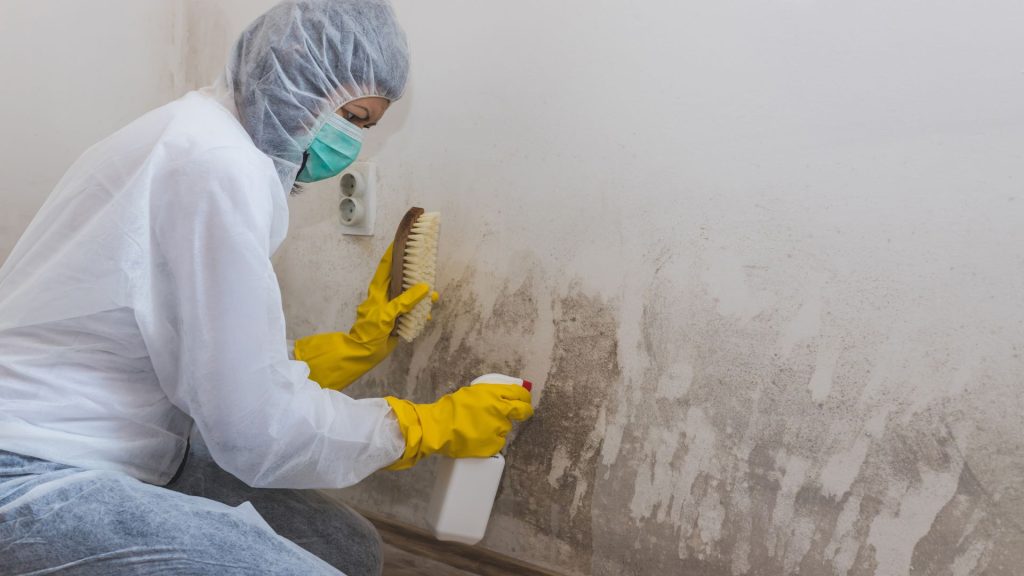
During the removal process, mold spores become airborne and can easily travel through your HVAC system to every room in the house. Professionals set up physical barriers using heavy-duty plastic and use negative air machines to ensure that contaminated air is scrubbed and exhausted outside.
Can mold grow back after cleaning?
Mold will almost certainly grow back if the moisture source is not permanently fixed. Simply scrubbing mold with bleach does not kill the “roots” or hyphae that have penetrated porous materials like wood or drywall. Professional remediation involves treating the material with specialized antimicrobials that prevent future colonization.
Step-by-Step Diagnostic Process for Homeowners
If you suspect a problem, follow these steps to assess the situation before calling in a specialist.
- Trace the Odor: Walk through each room, including the basement and attic, to identify where the musty smell is most concentrated.
- Check the HVAC: Inspect your air filters and vents for dark spotting or a “dusty” smell when the air conditioner turns on.
- Inspect Exterior Drainage: Ensure your gutters are clear and water is not pooling against the foundation after a Kansas thunderstorm.
- Monitor Humidity: Use a hygrometer to ensure your indoor humidity stays below 50% year-round.
Frequently Asked Questions
Does a musty smell always mean there is mold?
In almost all cases, a musty smell in a home is caused by the off-gassing of mold and mildew, known as microbial volatile organic compounds (mVOCs). While it could occasionally be related to stagnant water or old drains, a persistent earthy odor usually indicates that mold is growing somewhere within the structure.
How do I know if the mold in my Park City home is toxic?
It is impossible to determine if mold is “toxic” just by looking at it. Many types of mold look similar to the infamous Stachybotrys chartarum (black mold). The only way to know for sure is to have a professional take a tape lift or air sample for laboratory analysis.
What should I do if I find mold on my windowsills?
Mold on windowsills is usually caused by condensation during cold Kansas winters. You should wipe it away with a mixture of water and detergent, then focus on reducing indoor humidity and improving air circulation around the windows to prevent it from returning.
Can I sell a house in Park City if it has a history of mold?
Yes, but you must disclose any known mold issues to potential buyers. Having a professional remediation certificate and a “passed” air quality test can actually help maintain your home’s value by proving the problem was addressed correctly and permanently.
How quickly does mold grow after a water leak?
Mold can begin to colonize and become visible in as little as 24 to 48 hours after a moisture event. This is why it is vital to dry out wet carpets, drywall, and basements immediately using industrial fans and dehumidifiers.
Conclusion
Recognizing the signs of mold early is the best way to protect your investment and your health. Whether you are dealing with visible growth in a bathroom or suspect a hidden issue due to a persistent smell, addressing the problem of mold remediation park city head-on is essential. In our local climate, moisture is an ever-present challenge, but with the right diagnostic approach, you can keep your indoor air clean and safe.
As your dedicated local experts, Freshco provides the specialized knowledge required to navigate the unique environmental factors of our region. We offer a clear path toward a mold-free home, combining advanced detection technology with proven removal techniques. We are proud to serve the families of Park City as a trusted solution for creating a healthier, safer living space.