












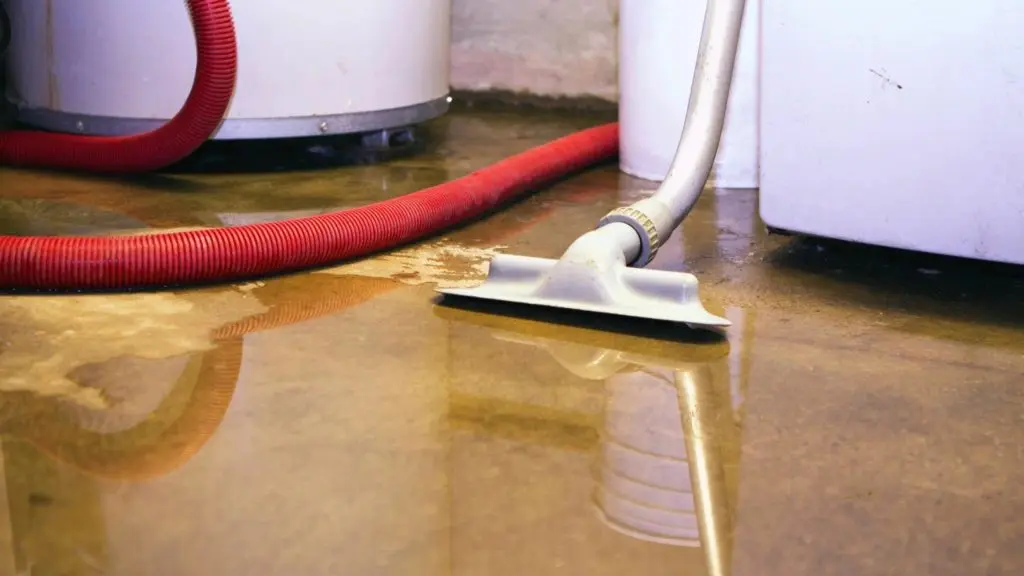
The first thing you must do after discovering water intrusion in your property is to ensure personal safety by turning off the electricity to the affected area and stopping the water source if possible. In Salt City, the most critical window for water damage restoration in Hutchinson is the first 24 to 48 hours, as this is when structural damage and mold growth begin to accelerate. Whether you are dealing with a burst pipe in the Hyde Park neighborhood or basement seepage following heavy rains near the Kansas State Fairgrounds, immediate action is required. By quickly removing standing water and initiating a professional drying protocol, you can salvage building materials like hardwood floors and drywall that would otherwise require expensive replacement.
What should I do immediately after my house floods?
Immediately after a flood, you must document the damage with photos and contact your insurance provider to start the claims process. If the water is coming from a clean source like a supply line, you can begin removing small items and lifting furniture skirts to prevent staining. However, if the flooding involves “black water” from a sewer backup or street runoff near Cow Creek, you should avoid contact with the water due to potential contaminants. Professionals specialize in emergency water damage response Hutchinson to handle these hazardous situations safely using industrial-grade extractors and antimicrobial treatments.
Hutchinson homeowners should also prioritize air circulation by opening windows if the outdoor humidity is low or using a sump pump if the water is deep. Because our local water table can fluctuate near the Arkansas River, many homes in the south end of town are prone to recurring moisture issues. To get a professional assessment of the structural impact on your property, it is best to get a quote from a restoration specialist who can deploy industrial dehumidifiers to stabilize the environment.
What are the most critical immediate water extraction steps?
The extraction process is the most vital part of preventing long-term structural failure. Simply mopping up surface water is not enough to protect a home in Reno County from the deep saturation that occurs in subflooring and wall cavities.
- Stop the Flow: Locate the main water shut-off valve if the leak is internal.
- Safety Check: Disconnect power at the breaker if there is any risk of water contacting electrical outlets or appliances.
- Surface Extraction: Use a wet-dry vacuum or submersible pump to remove the bulk of the standing water.
- Identify Moisture Pockets: Use moisture meters to find water that has wicked up into the insulation or behind the baseboards.
- Remove Saturated Items: Take wet area rugs and upholstered furniture to a dry area or outside to prevent them from trapping moisture against the floor.
In a business district like Main Street, a minor leak can quickly turn into a major loss if the water reaches electronic equipment or inventory. To ensure that every drop is accounted for, you should get a quote that includes a thermal imaging survey to verify that no water is hiding behind finished surfaces.
How does the Hutchinson climate impact water damage recovery?
Hutchinson’s weather is a significant factor in how quickly a home can be dried. During the humid summer months, the air is already saturated, making it difficult for moisture to evaporate from building materials naturally. This is why immediate water extraction steps must be followed by a “closed-loop” drying system where industrial dehumidifiers pull moisture from the air at a high rate. In the winter, frozen pipes are a common cause of sudden flooding in older homes near the Fox Theatre, requiring rapid heat application and extraction to prevent the pipes from bursting further.
Local landmarks like the Cosmosphere are built with advanced climate controls, but residential homes often lack the ventilation needed to handle a sudden surge of moisture. Without professional-grade equipment, the high humidity levels in Kansas can cause secondary damage, such as wood rot and the warping of cabinets. A professional team understands these local variables and will adjust their drying plan based on the current dew point and temperature to ensure the fastest possible recovery.
What are the specific steps for water damage restoration in Hutchinson?
The restoration process is a multi-phase operation that goes beyond just drying the floor. It involves a systematic approach to returning the building to its pre-loss state.
Phase 1: Emergency Extraction and Stabilization
The first few hours are spent removing standing water using truck-mounted extraction units. This reduces the overall moisture load in the building and stops the “wicking” process where water travels up the walls.
Phase 2: Moisture Mapping and Documentation
Technicians use non-invasive tools to create a map of the moisture. This documentation is essential for insurance purposes, proving the extent of the damage and the necessity of the drying equipment used.
To help your insurance agent process your claim more effectively, you should get a quote that includes a detailed sketch of the affected rooms and the specific moisture readings taken during the initial visit.
Phase 3: Controlled Demolition
If materials like carpet padding or insulation are “Category 3” (contaminated), they must be removed and discarded. This ensures that the remaining structural wood can be properly treated with antimicrobials.
Phase 4: Structural Drying and Dehumidification
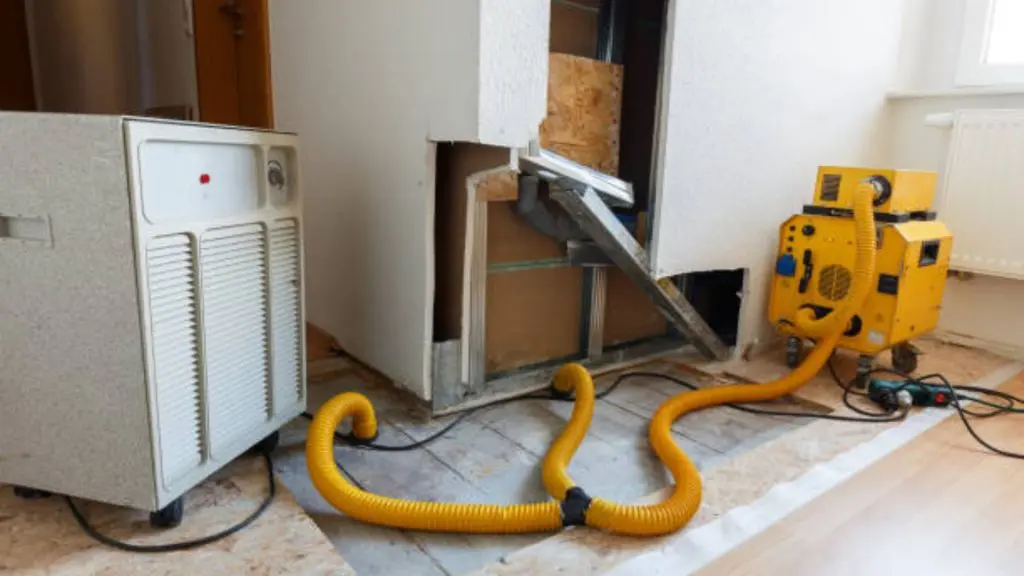
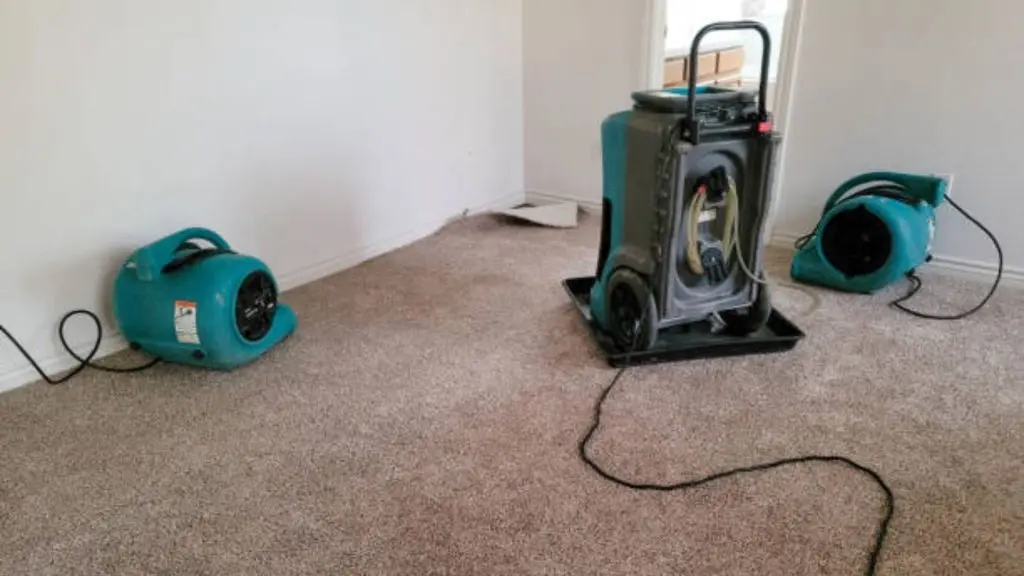
Industrial air movers are placed at specific angles to create a vortex of air that pulls moisture from surfaces. At the same time, LGR (Low Grain Refrigerant) dehumidifiers remove that moisture from the air, preventing it from settling elsewhere.
Phase 5: Monitoring and Final Assessment
The equipment stays on-site for three to five days on average. Technicians return daily to monitor the progress and move equipment as needed until “dry standards” are reached.
What should you do after flooding in Hutchinson business districts?
Commercial water damage in the downtown area or near the Hutchinson Regional Medical Center requires a specialized response. Businesses cannot afford long periods of downtime, so the priority is often “drying in place” whenever possible. This involves using specialized injection drying systems that pump air behind walls and under cabinets without the need for extensive demolition.
Managing a commercial loss also requires a higher level of documentation for liability and safety compliance. Because commercial structures often use concrete and steel, the drying science is different than it is for a wood-frame home. To protect your commercial assets and ensure the safety of your staff, it is vital to get a quote that accounts for the specific building materials and square footage of your facility.
| Property Type | Common Water Source | Restoration Priority |
| Residential | Burst pipes, sump failure | Salvaging personal items & drywall |
| Retail / Small Business | Roof leaks, fire sprinklers | Minimizing downtime & inventory loss |
| Industrial / Warehouse | Heavy rain, equipment failure | Structural integrity & large-scale extraction |
| Historic Homes | Foundation seepage | Preserving original woodwork & plaster |
Why is it dangerous to delay water damage restoration?
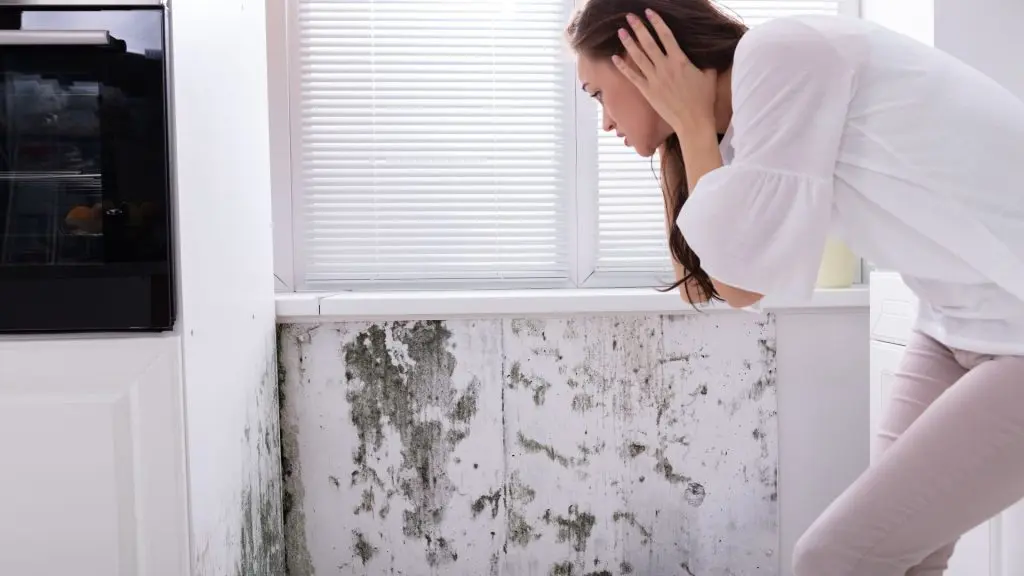
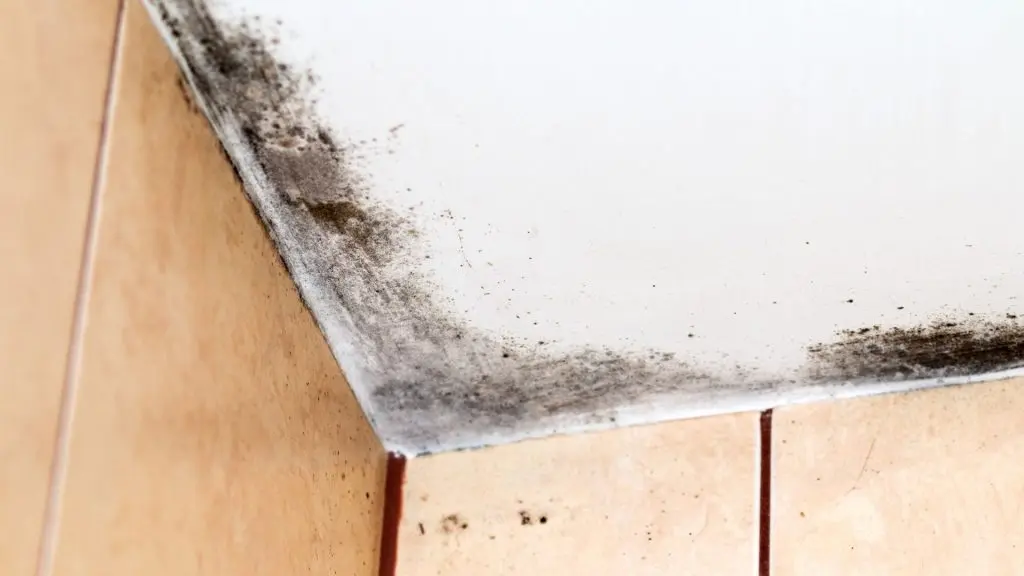
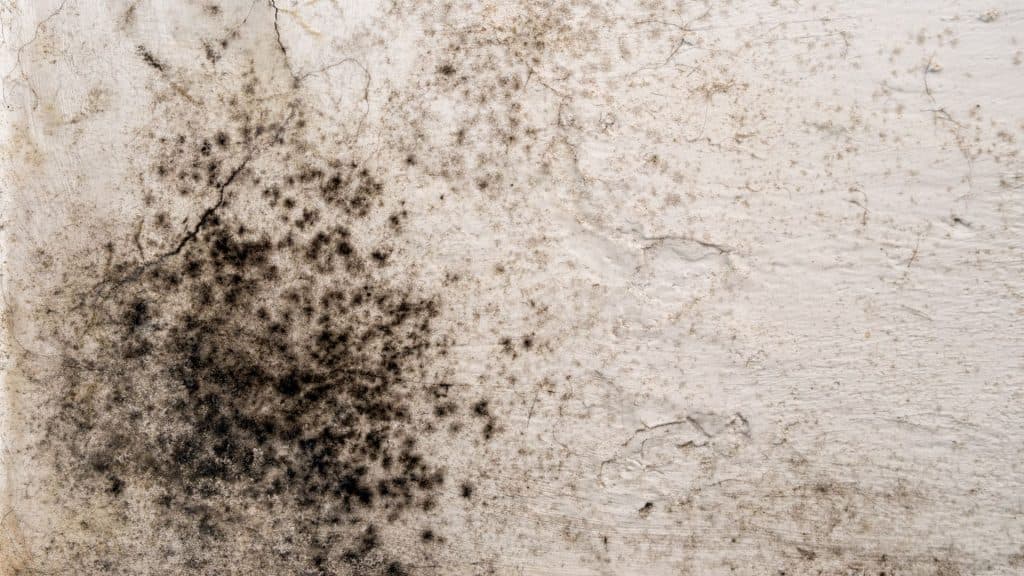
Waiting even 24 hours to address water damage can lead to irreversible consequences. The primary threat is the rapid growth of mold, which can begin to colonize in as little as 48 hours. Furthermore, water weakens the structural bonds in materials like particle board and drywall, causing them to crumble or sag. In a community like Hutchinson, where many homes have finished basements, a delayed response can mean the difference between a simple drying project and a full-scale remodel.
Electrical safety is another major concern. Water traveling through floor joists can easily reach light fixtures and outlets on the floor below. To prevent fire hazards and ensure the safety of your family, you should get a quote for a professional inspection the moment you notice a damp spot on your ceiling or a musty odor in your basement.
How do professionals handle “black water” flooding?
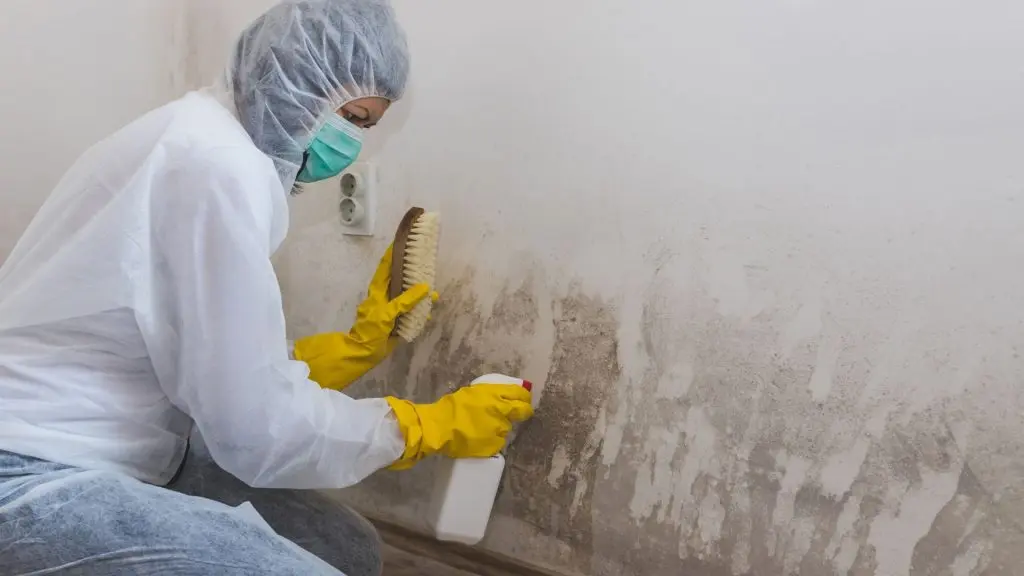
If the water damage involves sewage or outdoor floodwater, it is classified as Category 3. This type of water contains bacteria, viruses, and other pathogens that can cause serious illness. Professional water damage restoration in Hutchinson specialists follow strict biohazard protocols, including the use of full-body PPE and specialized sanitizers.
In these cases, almost all porous materials that have touched the water must be removed and replaced. This includes drywall, carpeting, and even some types of furniture. A professional will ensure that the remaining structure is thoroughly disinfected before any new materials are installed, providing a safe environment for your return.
What are the most common causes of water damage in Reno County?
Understanding the common culprits in our area can help you take preventative steps. Many homeowners in Hutchinson experience issues due to:
- Sump Pump Failure: Especially common during heavy spring rains in the low-lying areas near the state fairgrounds.
- Aging Plumbing: Many historic homes in the north part of town have galvanized or copper pipes that are reaching the end of their lifespan.
- Flash Flooding: Sudden storms can overwhelm the local drainage systems, leading to street runoff entering garages and basements.
- Appliance Leaks: Dishwashers and washing machines are frequent sources of slow, hidden leaks that go unnoticed for weeks.
Regular maintenance, such as checking your sump pump every spring and inspecting your roof after a hailstorm, can significantly reduce your risk. If you are unsure about the condition of your home’s water defenses, it is a good idea to get a quote for a preventative moisture survey.
FAQs About Water Damage in Hutchinson
How long does it take for a house to dry out after a flood?
On average, the structural drying process takes between 3 and 5 days. However, if the water reaches deeply into wooden subfloors or if the humidity is extremely high, it may take up to a week of continuous dehumidification.
Does homeowners insurance cover water damage in Hutchinson?
Standard policies usually cover “sudden and accidental” water damage, such as a burst pipe. However, gradual damage from lack of maintenance or flooding from rising outdoor water typically requires a separate flood insurance policy.
Can I dry my basement with a regular fan?
No. Standard household fans only move surface air and do not have the power to pull moisture out of the materials themselves. Professional air movers and dehumidifiers are required to prevent mold and rot.
Should I call a plumber or a restoration company first?
If the water is currently flowing, call a plumber to stop the leak. Once the leak is contained, immediately call a restoration company to begin the extraction and drying process.
What are the signs of hidden water damage?
Look for peeling paint, warped floorboards, a musty smell, or a sudden increase in your water bill. If you see “tide marks” or yellowing on your ceiling, there is likely a leak above that needs attention.
Conclusion
The moments following a water intrusion are stressful, but taking the correct first steps can save your Hutchinson home from permanent damage. From the historic neighborhoods near Hyde Park to the busy commercial zones of the city center, acting with urgency is the key to a successful recovery. By prioritizing safety and following a professional water damage restoration in Hutchinson plan, you can protect your property’s value and ensure a healthy living space for your family.
When you are facing a moisture crisis, Freshco is the solution to the problems discussed. As a trusted local service provider, we understand the specific environmental challenges of Reno County and provide the expert response needed to handle everything from minor leaks to major floods. Our team is equipped with the latest technology to ensure your home is dried thoroughly and safely. Contact Freshco today to restore your peace of mind and your property.