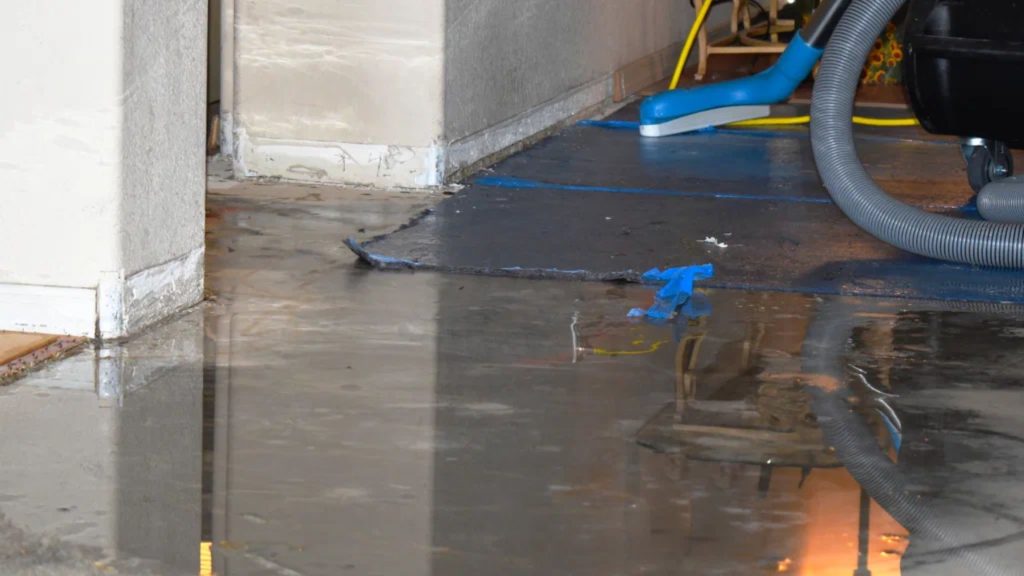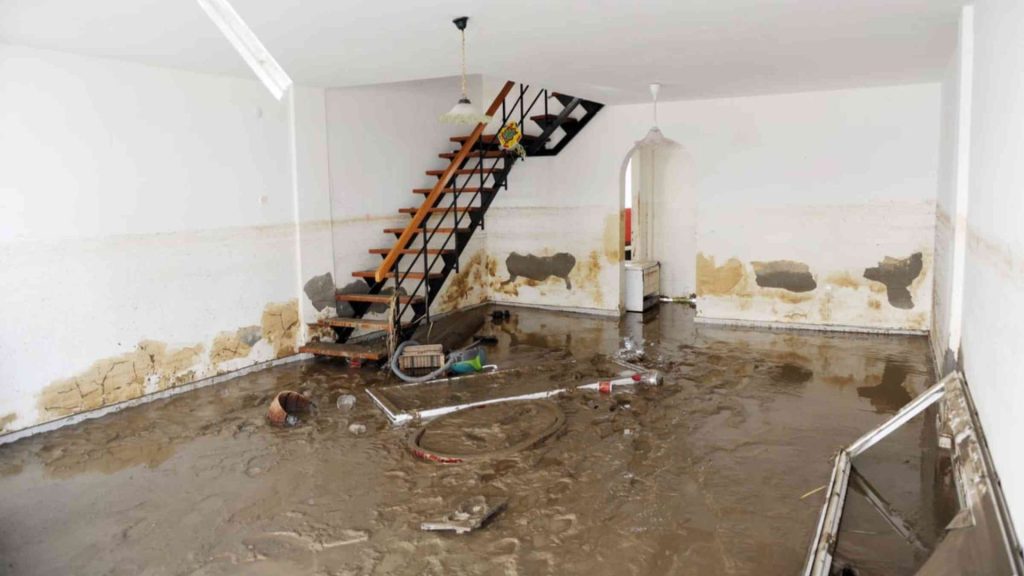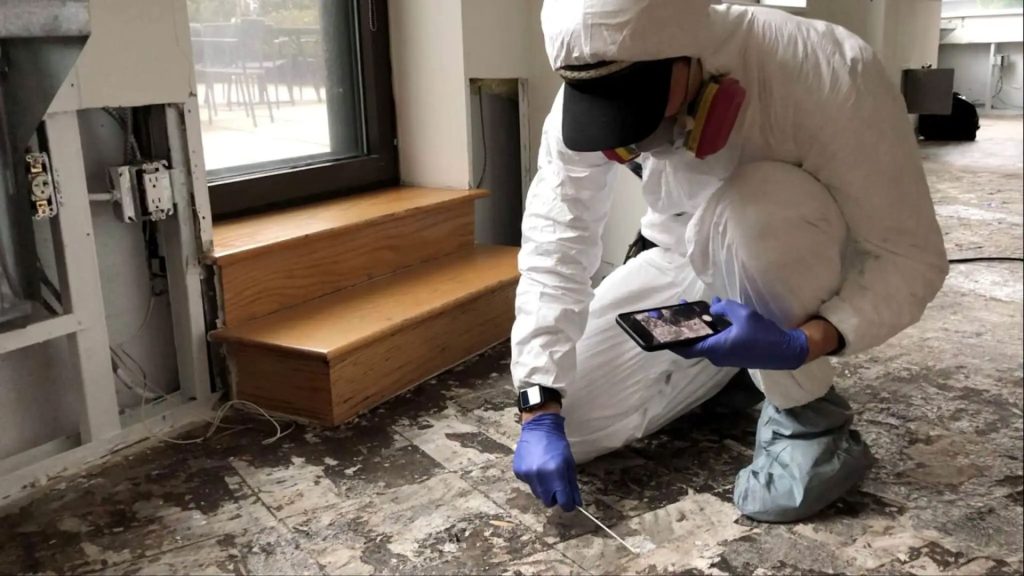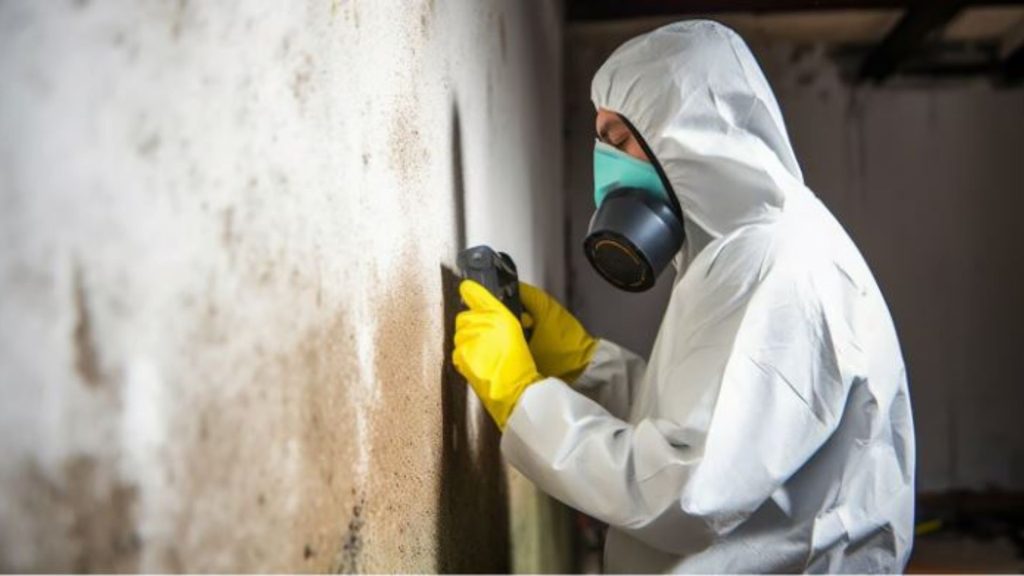














The typical duration for professional mold remediation in Wichita is between three and seven days, depending on the severity of the moisture intrusion and the size of the affected area. In the Air Capital of the World, our unique weather patterns, such as the heavy spring rains that impact neighborhoods like Riverside and College Hill, often dictate the complexity of the drying phase. While a small bathroom leak might be resolved in a weekend, more extensive structural issues in older Midtown homes or commercial warehouses near Southwest Wichita can take longer due to the need for specialized industrial equipment. Understanding this timeframe helps property owners plan for potential displacement and ensures that the environment is thoroughly dried to prevent any future fungal resurgence.
How long does the mold remediation process usually take?
A standard mold remediation project typically follows a strict timeline that begins with a 24-hour setup phase for containment and air scrubbing, followed by two to four days of cleaning and structural drying. If the project involves the removal of porous materials like drywall or insulation in a home near the Delano District, additional time is needed for the safe disposal and air filtration of disturbed spores. Professionals must ensure that the humidity levels are stabilized before the final testing phase can begin, which usually occurs on the final day of the project.
Wichita homeowners should be aware that the mold remediation timeframe Wichita is often extended if hidden moisture is discovered during the demolition phase. Experts use moisture meters and infrared cameras to verify that the studs and subfloors are completely dry. To get an accurate estimate of how long your specific situation will take, it is best to get a quote from a local specialist who can assess the structural needs of your Sedgwick County property.
What factors influence the Wichita mold cleanup duration?
The total amount of time required for a successful cleanup is influenced by several local environmental and structural variables. In Wichita, these factors range from the accessibility of the space to the type of water that caused the initial damage.
- Extent of the Growth: Larger surface areas naturally require more labor hours for physical scrubbing and HEPA vacuuming.
- Type of Material: Cleaning mold off non-porous metal surfaces is much faster than removing roots from porous wooden floor joists in an East Wichita basement.
- Accessibility: Tight crawl spaces or attics near the Eisenhower National Airport business corridor are more difficult to work in, slowing down the remediation team.
- Moisture Levels: The time spent running industrial dehumidifiers is the most variable part of the schedule, as thick structural timbers take longer to release trapped water.
- HVAC Involvement: If spores have entered the ductwork, a whole-house air scrubbing and mechanical duct cleaning will add at least one full day to the project.
Because the local humidity can fluctuate significantly, specialists must constantly monitor the progress. If you are managing a property and need to know how long mold removal takes for insurance purposes, you should get a quote that includes a daily progress schedule for the drying and cleaning phases.
How does commercial mold remediation timing differ for businesses?
Commercial remediation in the Downtown Wichita area or the industrial zones along I-135 often requires a more aggressive timeline to minimize business interruption. Professionals frequently work in shifts or during overnight hours to ensure that employees can return to a safe environment as quickly as possible. However, the scale of commercial HVAC systems and the large square footage of warehouses in the Sunflower neighborhood often mean the total project duration can stretch to ten days or more.
Large-scale commercial projects require more extensive containment zones to protect sensitive inventory or electronic equipment. While a residential project focuses on individual rooms, a commercial project near landmarks like the Intrust Bank Arena must account for high-traffic areas and public safety regulations. This added complexity requires meticulous planning to ensure the Wichita mold cleanup duration remains within the projected window while adhering to all OSHA safety standards.
| Phase of Remediation | Residential Timeframe | Commercial Timeframe |
| Inspection & Setup | 4 – 6 Hours | 1 – 2 Days |
| Containment & Air Scrubbing | 24 Hours | 24 – 48 Hours |
| Demolition & Removal | 1 – 2 Days | 2 – 5 Days |
| Structural Drying | 2 – 4 Days | 3 – 7 Days |
| Final Clearance Testing | 24 Hours | 24 – 48 Hours |
To avoid unnecessary delays in your business operations, it is vital to get a quote early. This allows the remediation team to coordinate with your facility managers and ensure that the necessary power and access are available for the industrial drying equipment.
Can the mold remediation timeframe Wichita be shortened?
While everyone wants the process to be as fast as possible, rushing the drying phase is the most common cause of remediation failure. If a wall is sealed back up before the moisture content of the wooden studs is below 15 percent, the mold will likely return within weeks. The most effective way to ensure a swift mold remediation in Wichita is to act immediately after a water event is discovered.
Early intervention prevents the mold from penetrating deeply into structural materials. If you catch a leak in a historic Midtown home before it saturates the lath and plaster, the cleaning process is significantly shorter. Using high-efficiency desiccant dehumidifiers can also speed up the moisture removal process compared to standard refrigerant models, though these are typically reserved for larger commercial losses or high-value residential properties.
What is the step-by-step timeline for a professional cleanup?
Understanding the daily breakdown of the process helps property owners manage their expectations and plan for the restoration phase.
Day 1: Site Stabilization and Containment
The team arrives to fix the moisture source and build the containment chambers. They install 6-mil poly-sheeting and start the HEPA air scrubbers. This setup ensures that no spores escape the work zone during the rest of the week.
Day 2: Selective Demolition
Technicians remove materials that cannot be saved, such as wet drywall or saturated carpet padding. In older homes near Riverside Park, this might involve careful removal of original trim to access the wall cavities behind them.
Day 3: HEPA Vacuuming and Antimicrobial Cleaning
All remaining surfaces are vacuumed with HEPA-rated equipment and wiped down with professional-grade biocides. This step physically removes the fungal colonies and the “roots” embedded in the wood.
Days 4-6: Structural Drying and Monitoring
Industrial dehumidifiers and air movers run 24/7. Technicians visit the site daily to take moisture readings. This is often the longest part of the how long mold removal takes question, as it depends entirely on the material’s ability to release water.
Day 7: Final Testing and Tear Down
Once the moisture levels are confirmed to be safe, a final air quality test is performed. Once the results show that the indoor air is equal to or better than the outdoor Wichita air, the containment is removed and the property is cleared for reconstruction.
How do hidden moisture problems affect the timeline?
Wichita’s geography leads to many homes having finished basements that are prone to slow, hidden leaks from the local water table. A project that starts as a simple baseboard cleaning can quickly expand if moisture is found behind the entire perimeter of a basement. This “scope creep” is the primary reason why some projects take longer than initially expected.
To avoid surprises, professionals use borescope cameras and thermal imaging. This allows them to see the extent of the damage before they even start the demolition. Property owners in areas like Bel Aire or Maize should get a quote that accounts for potential hidden damage if they have experienced recurring basement dampness.
Why is the drying phase the most important part of the schedule?
You cannot rush the evaporation of water from dense materials like oak floor joists or concrete foundations. If the remediation team removes their equipment too early, the remaining “bound moisture” will move to the surface, creating a perfect environment for new mold spores to land and grow.
In the humid months in Kansas, the air already holds a lot of water, which can make the drying phase take longer than it would in the winter. Professionals use “closed-loop” drying systems to control the indoor environment, regardless of the weather outside. This precision is what defines a successful mold remediation in the Wichita project and ensures the property remains mold-free long after the technicians have left.
Does the type of mold affect how long the cleanup takes?
While the removal process is similar for most molds, highly toxic strains like Stachybotrys chartarum (black mold) require more rigorous personal protective equipment and more frequent cleaning of the air scrubbers. The presence of toxic mold might necessitate a more conservative approach to demolition, where more material is removed to ensure total safety.
Homeowners in the Crown Heights area often worry about the health impacts of these strains. While the type of mold doesn’t drastically change the number of days on the calendar, it does increase the intensity of the cleaning required during those days. To ensure your family is safe, it is best to get a quote that includes professional laboratory identification of the mold species present.
FAQs About Mold Remediation Duration
How long does it take for mold to grow after a leak?
In the Wichita climate, mold can begin to colonize in as little as 24 to 48 hours after a water event. This is why rapid extraction and drying are essential to prevent a major remediation project.
Can I speed up the process by using my own fans?
Household fans are not powerful enough to extract moisture from structural materials. In fact, they can often make the problem worse by blowing spores around before containment is established. Professional air movers are required for effective drying.
How long does a mold inspection take?
A typical residential inspection in neighborhoods like College Hill takes about two hours. This includes a visual survey, moisture mapping, and taking air or surface samples for lab analysis.
Will my insurance cover the cost of the extra days?
If the mold is part of a covered loss, most policies cover the professional labor and equipment rental. However, if the project is delayed because the homeowner waited too long to report the leak, the insurance company may limit the payout.
How do I know the air is safe to breathe after the project?
A post-remediation clearance test is the only way to be sure. This involves a third-party specialist taking air samples to verify that the spore counts have returned to normal Wichita background levels.
Conclusion
Managing a mold problem in your home or business requires patience and a commitment to doing the job correctly the first time. Whether you are dealing with a localized bathroom leak or a major commercial flood near the Douglas Design District, the mold remediation in Wichita process is a detailed operation that cannot be rushed. By respecting the necessary timeframes for cleaning and structural drying, you protect your property from the recurring cycle of fungal growth and maintain a healthy environment for everyone inside.
When you need an efficient and thorough restoration, Freshco is here to provide the solution to the problems discussed. As a trusted local service provider, we have the experience and equipment to manage your project timeline effectively while ensuring the highest safety standards. We understand that your time is valuable, and our team works diligently to return your Wichita property to its pre-loss condition as safely and quickly as possible. Contact Freshco today to schedule an assessment and get your property back on the path to health.