













Executive Summary
This case study details the fire restoration and asbestos vermiculite abatement project at a college campus building, where a significant fire event necessitated emergency remediation. The project was complicated by the presence of asbestos-contaminated vermiculite insulation and the requirement to maintain safe, uninterrupted use of half the building for ongoing academic operations. The restoration and abatement were executed in strict compliance with federal, state, and local regulations, with a focus on occupant safety, regulatory communication, and minimal disruption to college activities.
Background
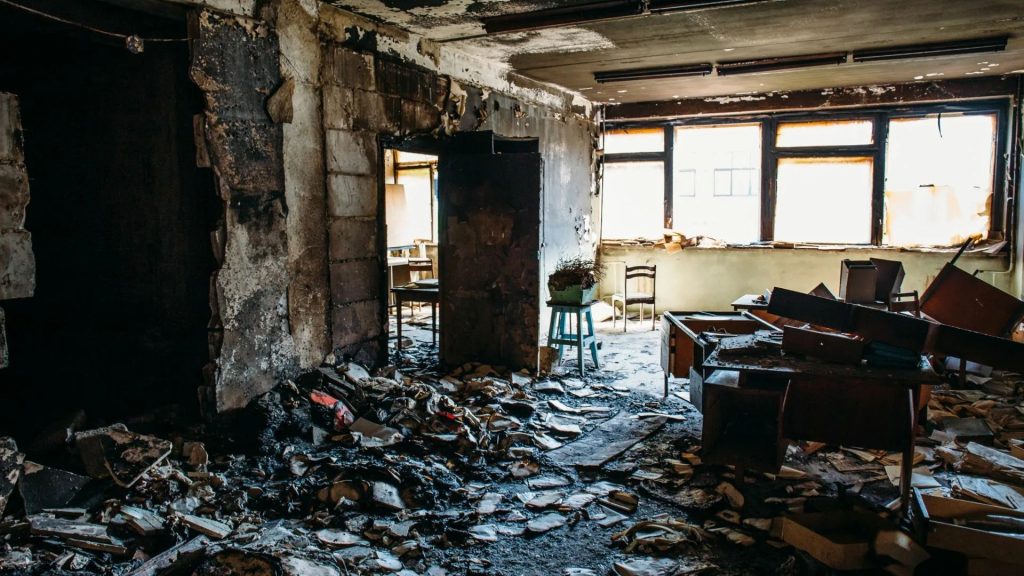
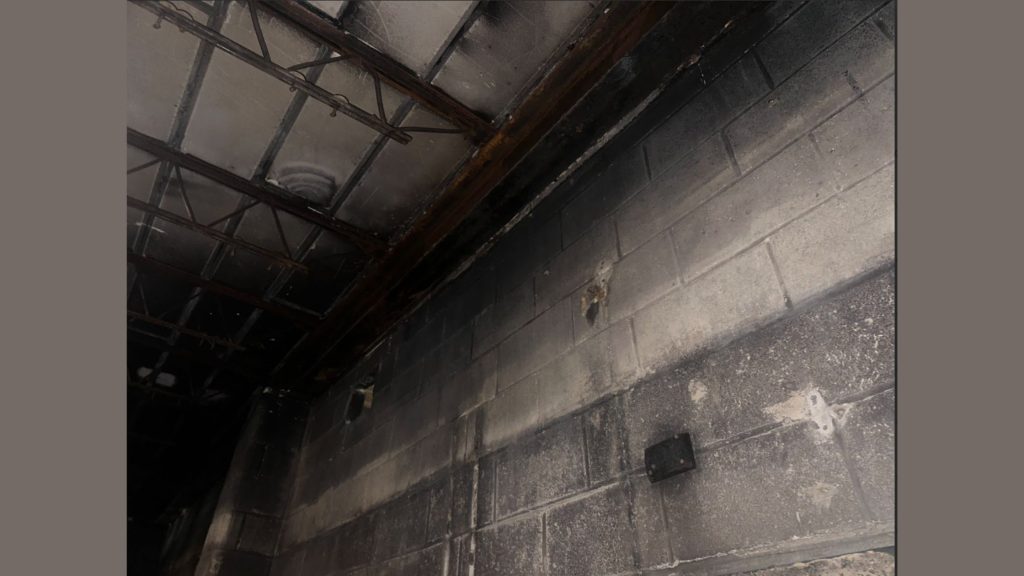
Incident Overview
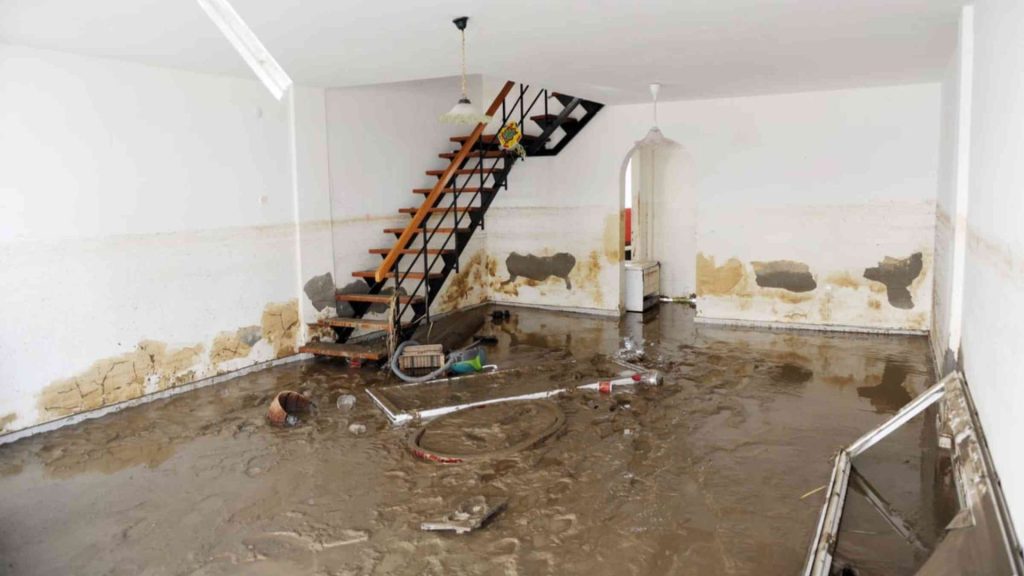
A fire broke out in the north wing of a college building, causing extensive smoke, soot, and water damage. During the initial assessment, it was discovered that the attic contained vermiculite insulation, presumed to be contaminated with asbestos—a common scenario for buildings constructed or renovated before 1990 .
Building Use
The building houses classrooms, faculty offices, and student services. Due to scheduling constraints and the need to maintain academic continuity, the south wing (comprising approximately 50% of the building) needed to remain operational throughout the restoration and abatement process.
Challenges
- Hazardous Material: Vermiculite insulation, likely containing asbestos, required specialized abatement protocols to prevent fiber release and exposure .
- Partial Occupancy: The need to keep half the building in use demanded robust containment, air quality monitoring, and phased work .
- Mechanical Systems: Shared HVAC and utility systems posed a risk of cross-contamination and required careful isolation .
- Regulatory Compliance: The project had to meet stringent requirements under AHERA, NESHAP, and state/local regulations for asbestos in educational settings .
Communication: Ongoing, transparent communication with building occupants, college administration, and insurance was essential to manage expectations and ensure safety .
Project Objectives
- Restore fire-damaged areas to pre-loss condition.
- Safely remove all asbestos-contaminated vermiculite insulation from affected zones.
- Maintain safe, uninterrupted use of the south wing for college operations.
- Achieve regulatory clearance for re-occupancy.
- Document all procedures for compliance and insurance purposes.
Methods and Interventions
1. Initial Assessment and Planning
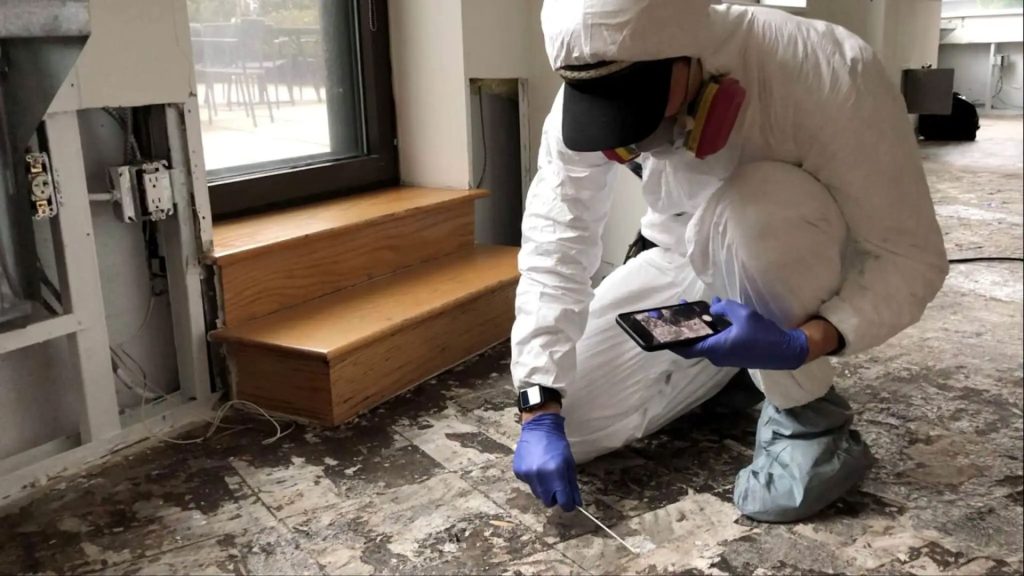
- Hazard Identification: Certified asbestos inspectors conducted a visual survey and collected vermiculite samples for laboratory analysis. The insulation was assumed to contain asbestos pending results .
- Risk Assessment: A multidisciplinary team (restoration contractor, asbestos abatement specialist, college facilities, and insurance adjuster) developed a phased remediation plan, prioritizing safety and operational continuity .
2. Containment and Occupancy Management
- Physical Barriers: Heavy-duty plastic sheeting and temporary walls were installed to create a hard separation between the abatement/restoration zone (north wing) and the occupied south wing .
- Negative Pressure Enclosures: The abatement area was maintained under negative air pressure using HEPA-filtered air machines to prevent migration of asbestos fibers and smoke particulates .
- HVAC Isolation: HVAC systems serving the north wing were shut down and sealed. Temporary HEPA-filtered air handlers were installed in the occupied south wing to maintain air quality .
- Separate Access: Distinct entry/exit points were established for abatement workers and building occupants to prevent cross-contamination .
3. Fire Restoration Procedures
- Debris Removal: Fire-damaged materials were removed using manual methods to minimize dust. All debris was treated as potentially contaminated and handled accordingly .
- Smoke and Soot Cleaning: Non-toxic, low-dust cleaning methods (e.g., HEPA vacuuming, wet wiping, and dry ice blasting) were used to clean surfaces and contents, reducing airborne contaminants .
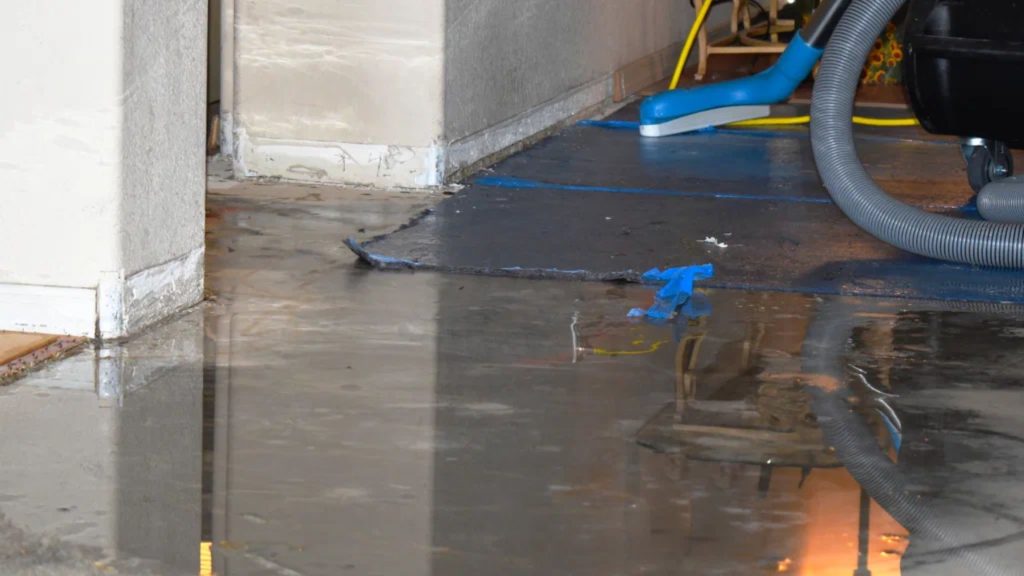
- Water Extraction and Drying: Water from firefighting efforts was extracted, and affected areas were dried using dehumidifiers and air movers, with continuous monitoring for mold growth .
4. Asbestos Vermiculite Abatement
- Work Area Isolation: The vermiculite abatement zone was further isolated within the fire-damaged area, with double barriers and negative air pressure .
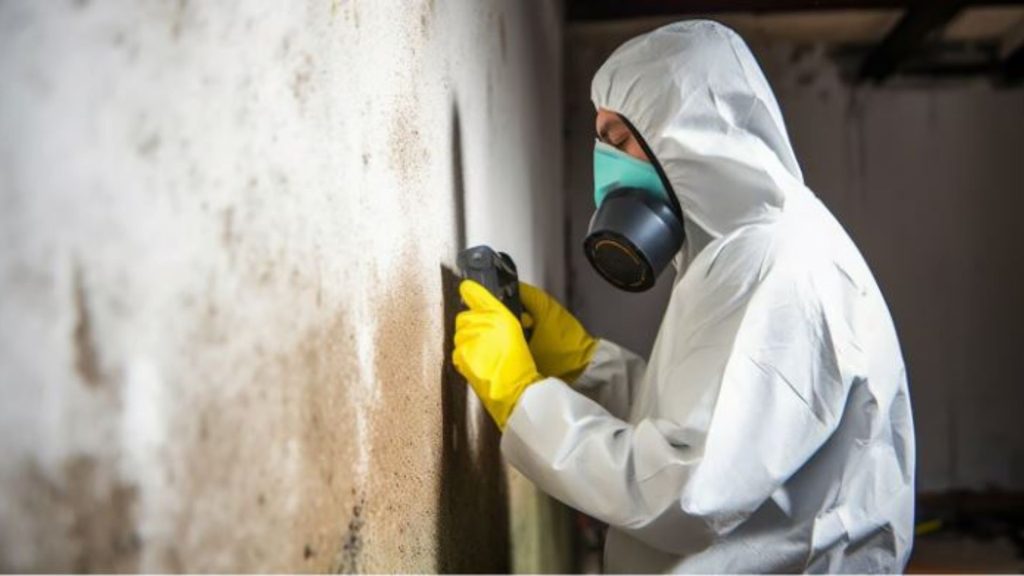
- PPE and Decontamination: Abatement workers wore full PPE (P100 respirators, disposable coveralls, gloves) and used decontamination units at all exits .
- Wet Removal: Vermiculite insulation was dampened before and during removal to suppress dust and fiber release .
- Manual Removal: Hand tools were used to carefully remove insulation, which was immediately bagged in sealed, labeled asbestos waste bags .
- HEPA Vacuuming: All surfaces were cleaned with HEPA-filtered vacuums after removal .
- Waste Disposal: All asbestos waste was transported to a licensed hazardous waste landfill in compliance with EPA and DOT regulations .
5. Air Quality Monitoring and Clearance
- Continuous Monitoring: Real-time air sampling was conducted inside and outside the containment area throughout abatement and restoration .
- Clearance Testing: After abatement, independent inspectors performed visual inspections and collected air samples for PCM and TEM analysis. Clearance was granted only when fiber concentrations were below 0.01 fibers/cm³, per regulatory standards .
6. Communication and Coordination
- Occupant Updates: Weekly email updates and a web portal provided progress reports, air quality results, and upcoming work schedules to staff and students .
- Signage and Access Control: Clear signage marked restricted areas, and a single point of contact was designated for occupant questions and concerns .
Insurance and Regulatory Communication: All procedures, findings, and test results were documented and shared with the college’s insurance provider and regulatory agencies as required .
Results and Outcomes
- Safety: No incidents of asbestos exposure or cross-contamination were reported. Air quality in the occupied south wing remained within safe limits throughout the project .
- Operational Continuity: The south wing remained fully operational, with minimal disruption to classes and administrative functions, thanks to robust containment and phased work .
- Regulatory Compliance: The project met all requirements under AHERA, NESHAP, and state/local regulations. Clearance documentation was provided to the college and regulatory authorities .
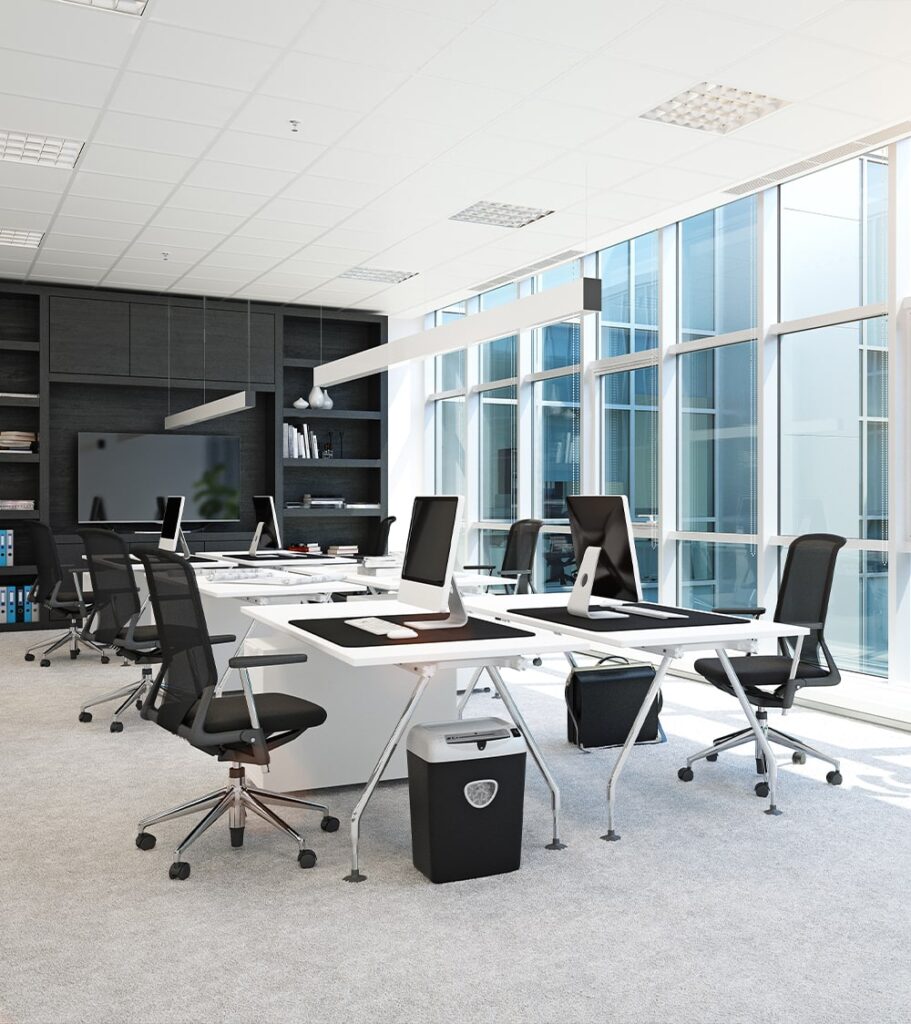
- Restoration: Fire-damaged areas were restored to pre-loss condition, and all asbestos-contaminated vermiculite was safely removed.
Communication: Regular updates and transparent communication fostered trust and minimized anxiety among building occupants.
Discussion
This project demonstrates that fire restoration and asbestos vermiculite abatement can be safely and efficiently performed in a partially occupied educational building. Key success factors included:
- Meticulous Planning: Early risk assessment and phased work allowed for safe partial occupancy and minimized disruption .
- Advanced Containment: Double barriers, negative pressure, and HVAC isolation were critical to preventing cross-contamination .
- Continuous Air Monitoring: Real-time air quality data ensured safety and regulatory compliance .
- Effective Communication: Structured updates and a single point of contact kept occupants informed and reassured .
- Regulatory Adherence: Strict compliance with AHERA and other regulations protected the college from legal and health risks .
Limitations:
Some inaccessible areas with presumed asbestos-containing materials were encapsulated and clearly labeled for future abatement, as allowed by regulation .
Lessons Learned and Recommendations
- Early engagement with certified professionals is essential for both fire restoration and asbestos abatement.
- Phased abatement and restoration allow for continued building use and minimize operational disruption.
- Continuous air quality monitoring and transparent communication are critical for occupant safety and trust.
- Maintain detailed documentation for regulatory compliance and insurance claims.
- Regularly update the asbestos management plan and provide ongoing training for facilities staff .