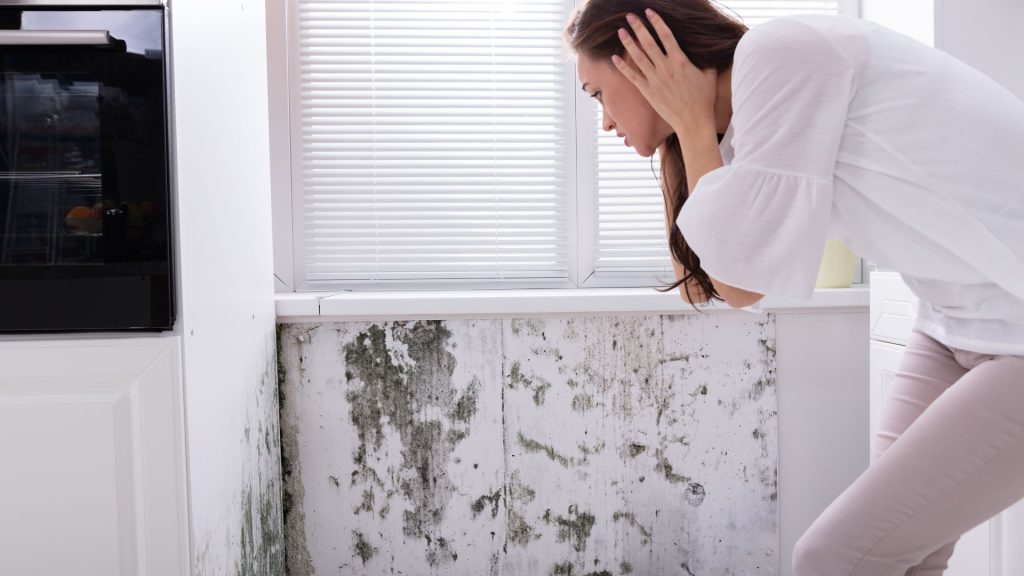















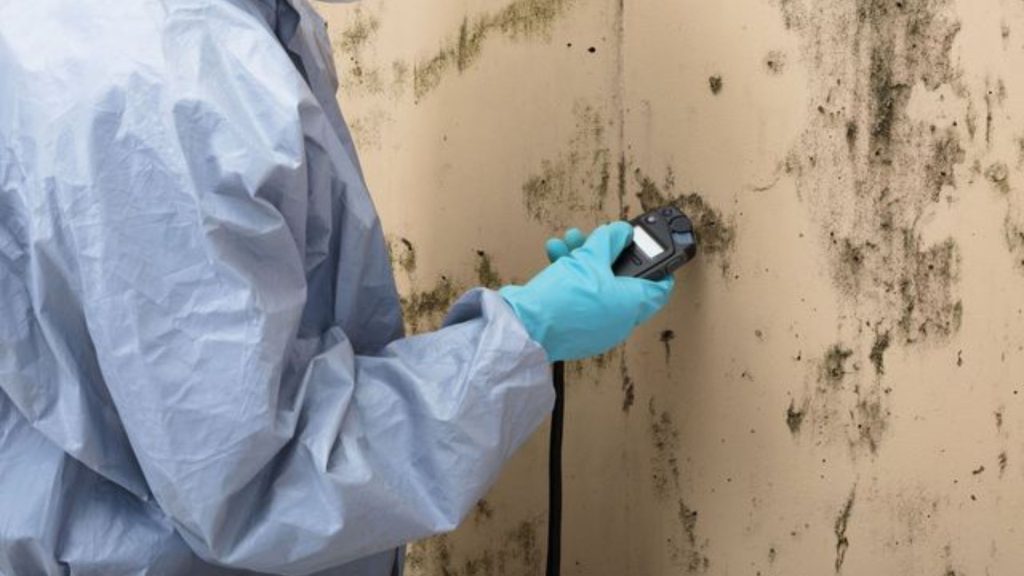
Determining when to seek professional help for fungal growth is a critical decision for any property owner in the Air Capital of the World. In Wichita, the most significant sign you need mold remediation in Wichita is the presence of visible growth exceeding ten square feet or a persistent, earthy odor that remains after a deep clean. Because our local geography includes the flood-prone Arkansas River valley and humidity-trapping neighborhoods like Riverside and College Hill, moisture problems can escalate into structural damage within 48 hours. If you notice bubbling paint, warped baseboards, or unexplained respiratory issues among family or employees, the time for DIY solutions has passed, and professional intervention is required to ensure a safe environment.
How do you know if you need professional mold remediation?
You should call a professional if the affected area is larger than a standard 3×3 foot patch or if the mold is a result of contaminated water, such as a sewer backup or local street flooding in the Delano District. Professional experts possess the industrial-grade containment and filtration tools necessary to stop spores from migrating to unaffected rooms. Furthermore, if mold appears on porous materials like insulation or HVAC ductwork near the Eisenhower National Airport business corridor, specialists must handle the removal to prevent entire building contamination.
When the mold growth is hidden behind finished basement walls or under floorboards in Midtown, homeowners often miss the initial signs you need mold remediation Wichita. Specialists use thermal imaging and moisture mapping to identify these invisible threats. Addressing the problem early can save thousands of dollars in reconstruction costs and protect the long-term value of your Sedgwick County property.
What are the primary mold inspection triggers in Kansas homes?
There are several environmental and structural events that serve as immediate mold inspection triggers. In the Wichita area, these triggers are often tied to our dramatic weather shifts and aging infrastructure.
- Recent Water Intrusion: Any basement seepage after a heavy Kansas thunderstorm or a burst pipe in an older East Wichita home.
- Persistent Musty Odors: A smell that intensifies when the HVAC system runs or in humid summer months.
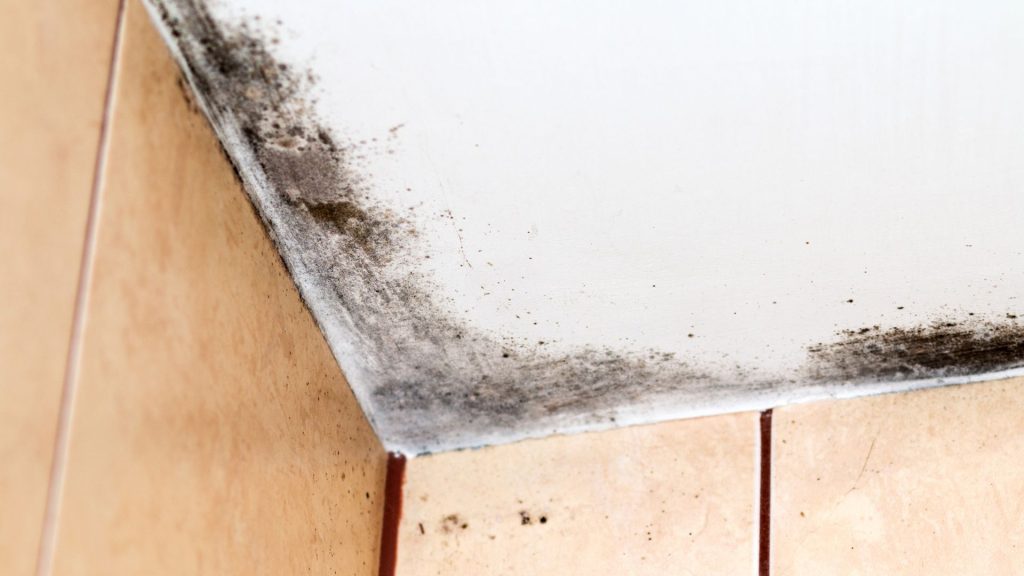
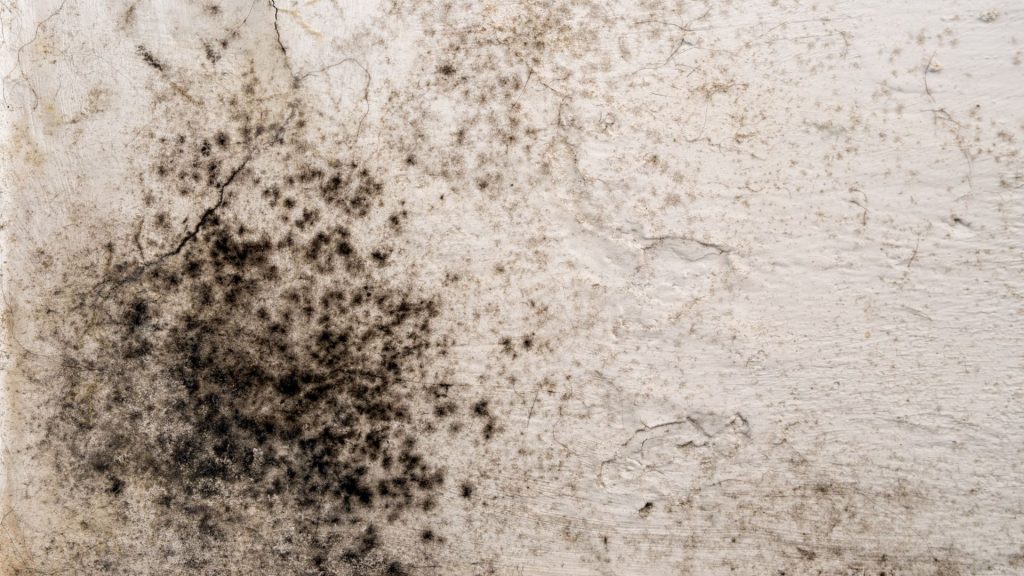
- Visible Fungal Growth: Patchy, fuzzy, or slimy spots on drywall, wood, or ceiling tiles.
- Health Symptoms: Family members or office staff experiencing increased asthma, sneezing, or skin irritation while inside the building.
- High Humidity Levels: Indoor humidity consistently exceeds 60 percent, often caused by poor ventilation in bathrooms or kitchens.
If any of these triggers occur, the first step is to accurately assess the moisture source. To understand the potential scope and cost of a cleanup, it is highly recommended to get a quote from a certified local technician who understands the specific soil and drainage challenges of the Great Plains.
How does professional mold remediation in Wichita differ for businesses?
Commercial properties in the Downtown Wichita area or the industrial zones along I-135 face unique challenges compared to residential homes. Business owners must adhere to strict OSHA regulations and local health codes to ensure employee safety. Professional remediation for businesses involves larger-scale containment and the coordination of work hours to minimize operational downtime.
The complexity of commercial HVAC systems in skyscrapers or large warehouses means that spores can travel through entire floors quickly. Specialists must use heavy-duty air scrubbers and negative air pressure zones that are far more robust than those used in a standard bungalow in the Sunflower neighborhood. While a residential project focuses on comfort and aesthetics, a commercial project prioritizes liability reduction and the restoration of a healthy workspace for dozens or hundreds of people.
| Feature | Residential Response | Commercial Response |
| Typical Area | Bathrooms, Basements, Attics | HVAC Systems, Warehouses, Offices |
| Regulatory Focus | Homeowners Insurance | OSHA & Health Department |
| Urgency Level | Family Health & Property Value | Employee Safety & Business Continuity |
| Equipment Size | Portable HEPA Units | Large Industrial Desiccants |
| Access Needs | Daytime or Evening | Often Overnight or Weekends |
Because commercial buildings often have flat roofs that are prone to pooling during spring rains, a minor leak can lead to widespread hidden mold. To protect your investment and avoid costly closures, you should get a quote that includes a comprehensive moisture survey of the entire facility.
When should you call for emergency mold cleanup Wichita?
There are certain scenarios where waiting even 24 hours can result in irreversible damage to your property. Emergency mold cleanup Wichita is typically necessary following a major flood event from the Big Slough or a significant plumbing failure in a multi-story building. In these cases, the sheer volume of water saturates structural elements so deeply that mold begins to colonize at an exponential rate.
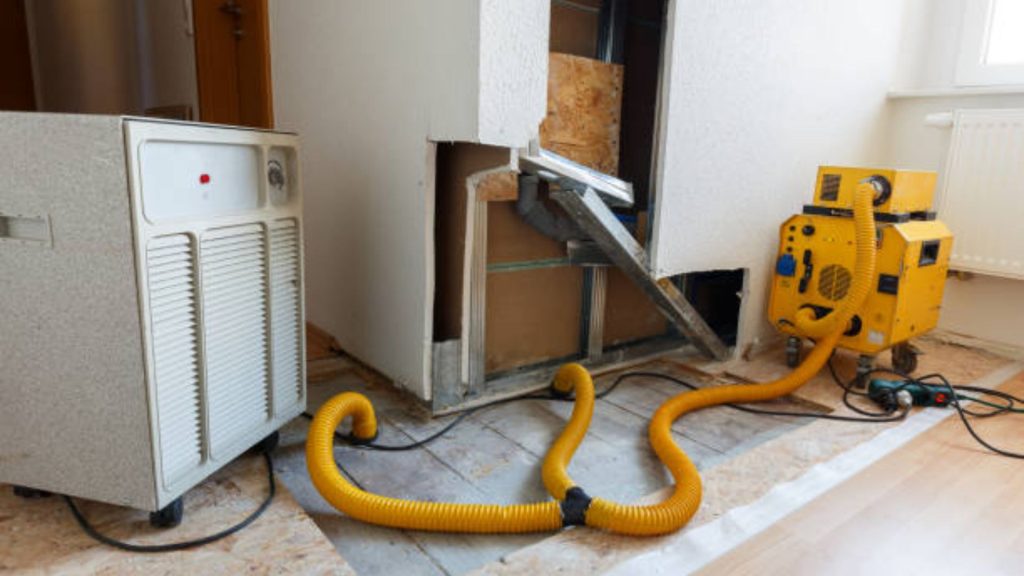
Emergency services focus on rapid extraction and aggressive drying. By deploying high-velocity air movers and industrial-grade dehumidifiers immediately, professionals can often save materials that would otherwise have to be demolished. This rapid response is especially critical for historic properties in the Crown Heights or Midtown areas, where original woodwork and plaster are difficult and expensive to replace.
To ensure you have a plan in place before disaster strikes, it is wise to get a quote for a moisture prevention assessment. Knowing your home’s weak points, such as an aging sump pump or a poorly graded yard, can prevent an emergency from ever occurring.
What is the professional process for removing mold safely?
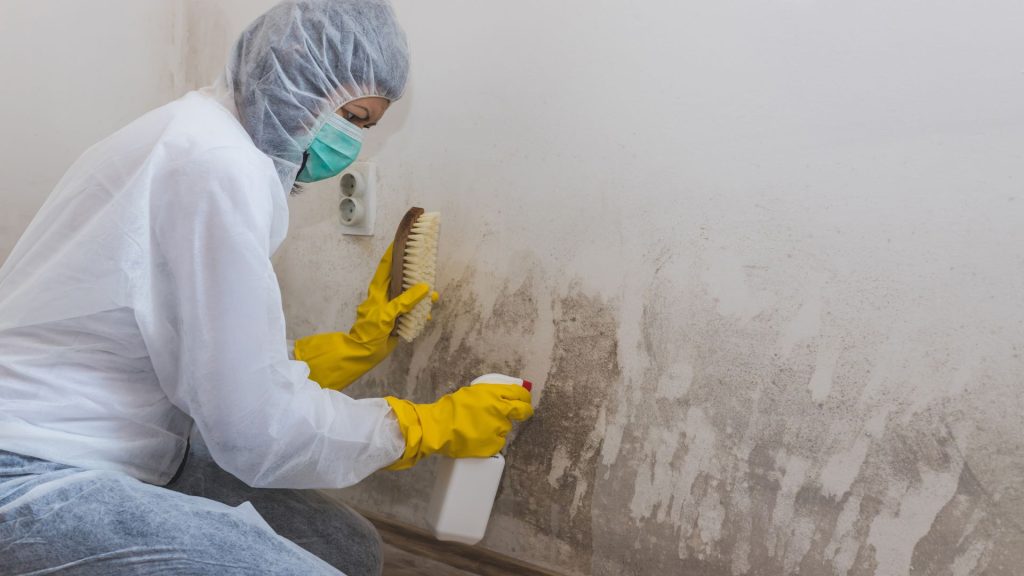
The mold remediation in wichita process is a scientific protocol designed to physically remove fungal colonies while cleaning the air of microscopic spores. It is not enough to simply kill the mold; the dead spores must be removed because they can still cause allergic reactions.
Step 1: Source Repair and Containment
Technicians first verify the water leak is fixed. Then, they build airtight barriers using 6-mil polyethylene sheeting. This containment prevents spores from drifting into clean areas of your home or office during the agitation and removal process.
Step 2: Negative Air Pressure
Industrial fans equipped with HEPA filters pull air from the containment zone and vent it outside. This creates a vacuum effect, ensuring that any dust or spores disturbed during the cleanup are trapped by the filters rather than settling on your furniture or inventory.
Step 3: Removal of Porous Materials
Items like wet drywall, ceiling tiles, and carpet padding are stripped away. These materials act like sponges for mold and cannot be effectively cleaned once the roots have penetrated the core. Experts bag these items within the containment zone to ensure safe disposal.
Step 4: HEPA Vacuuming and Antimicrobial Wiping
Non-porous and semi-porous surfaces, such as wood studs and concrete foundations, are vacuumed using HEPA-rated equipment. Technicians then hand-wipe every surface with EPA-registered antimicrobial solutions to eliminate any remaining fungal hyphae.
Step 5: Professional Structural Drying
The final step involves bringing the moisture content of the remaining structural wood down to a safe level, typically below 15 percent. This ensures that when the walls are put back together, no trapped moisture remains to fuel future growth.
How do professionals find hidden mold in Wichita buildings?
Wichita’s heavy clay soil and variable water table often lead to foundation cracks that allow moisture to enter behind finished basement walls. Homeowners might see a small stain on the baseboard but be unaware that the entire wall cavity is filled with growth. Professionals use advanced technology to “see” through walls without causing damage.
Infrared cameras are the most common tool for this task. They detect temperature differences that indicate the presence of moisture. Additionally, borescopes allow technicians to look inside wall voids through a hole no larger than a pencil. This surgical approach ensures that only the necessary areas are disturbed, keeping the mold remediation in Wichita costs as low as possible for the property owner.
Why shouldn’t you use bleach for mold cleanup?
One of the most common mistakes Wichita residents make is reaching for a bottle of bleach. While bleach can kill mold on non-porous surfaces like tile or glass, it is ineffective on porous materials like wood or drywall. The chemical structure of bleach prevents the chlorine from penetrating the material, while the water in the bleach actually feeds the mold roots.
Professional remediation companies use surfactants and biocides specifically designed to penetrate porous surfaces and kill the mold at its source. This prevents the “rebound effect” where mold seems to disappear only to return stronger a few weeks later. To ensure your home is truly safe, it is best to get a quote for professional-grade treatment rather than relying on household chemicals.
How can you prevent future mold growth after remediation?
Once the remediation is complete, the focus shifts to long-term prevention. In our local climate, this means managing humidity levels and ensuring proper drainage around the building. Installing a high-quality dehumidifier in your basement and ensuring your dryer vents to the outside are simple but effective steps.
Regularly cleaning your gutters and extending downspouts at least six feet away from your foundation will prevent water from pooling near your basement walls. For commercial properties near the Arkansas River, installing water sensors can provide an early warning of sump pump failures or foundation leaks.
FAQs About Professional Mold Remediation
What are the signs of mold in air ducts?
If you notice a musty smell only when the AC or heater is running, or if you see dark dust patterns around your vents, you likely have mold in your ductwork. This requires specialized mechanical cleaning and antimicrobial fogging.
How long does a mold inspection take in Wichita?
A typical residential inspection takes between one and two hours. For larger commercial facilities near Old Town or the Waterfront, it may take a full day to assess all HVAC units and potential moisture points.
Is it safe to do mold remediation yourself?
If the area is very small (less than 10 square feet) and the water source is clean, you can often handle it. However, if the water was contaminated or if the mold is widespread, you risk spreading spores and causing health issues without professional equipment.
Will mold come back after professional remediation?
As long as the moisture source has been permanently fixed and the humidity is kept below 50 percent, mold will not return. Professionals focus on changing the environment so that mold can no longer survive.
How do you verify the mold is gone?
A third-party professional should perform a post-remediation clearance test. This involves taking air samples inside and outside the containment area to prove that the indoor air quality has been restored to safe levels.
Conclusion
Deciding to act quickly when you see the first signs of moisture is the best way to protect your Wichita property from the damaging effects of mold. Whether you are dealing with a hidden leak in a Riverside bungalow or an emergency flood in a Downtown office building, professional expertise is the key to a safe and lasting solution. By following a structured mold remediation in wichita protocol, you can ensure that your home or business is not just clean on the surface, but safe at its core.
When you need a reliable partner to navigate these challenges, Freshco is here to provide the solution to the problems discussed. As a trusted local service provider, we understand the unique environmental pressures of the Wichita area and bring the professional tools needed for a complete recovery. Don’t wait for a small moisture problem to become a major structural failure. Contact Freshco today to restore the safety and health of your property.