












When water invades your home, the clock starts ticking against your property’s structural integrity and your family’s comfort. For many residents in the Air Capital, the initial shock of a flood is quickly followed by the urgent question of when life can return to normal through professional water damage restoration wichita ks. The timeline for recovery is not a one-size-fits-all estimate because it depends on the “dwell time” of the water, the porosity of the affected materials, and the local atmospheric conditions. In the heart of Kansas, where seasonal humidity can vary wildly, the speed of evaporation is a scientific variable that technicians must carefully manage. Understanding the stages of the restoration schedule allows you to plan effectively while ensuring that no steps are rushed, which could otherwise lead to long-term issues like mold or structural rot.
How long does it take for a house to dry out after water damage?
The average restoration timeline Wichita KS homeowners experience for the drying phase is typically between three and five days. This period is dedicated to the “mitigation” phase, where the primary goal is to stabilize the environment and remove all excess moisture from the air and structural elements. If the water was clean and addressed within the first few hours, the process may lean toward the shorter end of that window. However, if water has seeped deep into subfloors or behind built-in cabinetry, the equipment may need to run for a full week to reach the necessary dry standards.
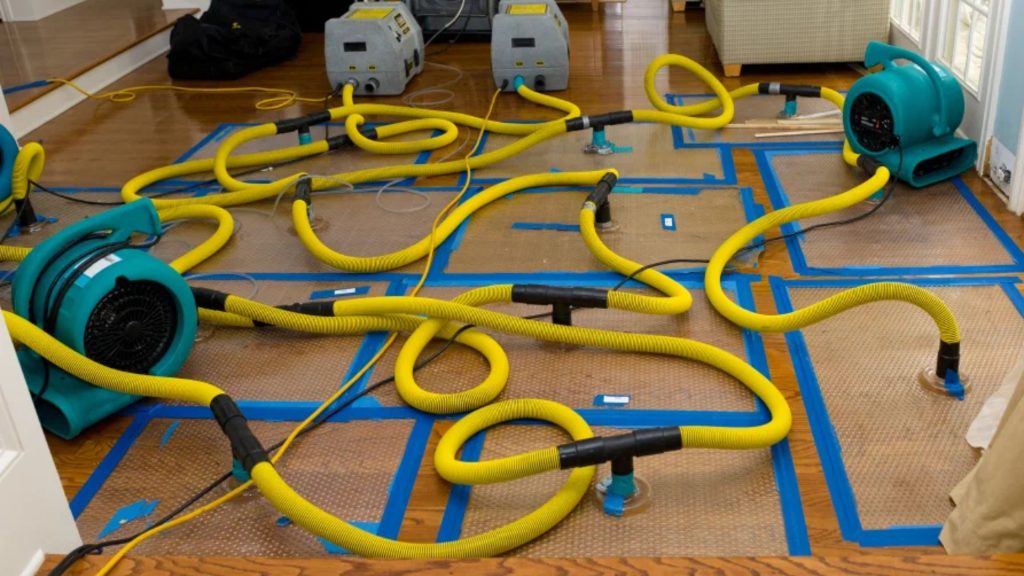
When performing water damage restoration wichita ks, technicians use a variety of sensors to monitor the progress of the drying cycle. It is not enough for a surface to feel dry to the touch; the internal moisture content of wooden studs and concrete must be verified using specialized meters. If the drying process is stopped prematurely, the trapped moisture will eventually lead to the delamination of materials and the activation of dormant mold spores. This is why the drying phase is considered the most critical part of the schedule, as it provides the foundation for all subsequent repair work.
Understanding the Water Drying Duration Wichita Factors
Several variables influence the water drying duration Wichita professionals must account for during a project. The first is the “Class” of the water loss, which categorizes the amount of water and the expected rate of evaporation. A Class 1 loss involves only a small area with low-permeability materials and dries quickly. A Class 4 loss, however, involves “specialty drying” situations, such as water trapped inside crawl spaces or hardwood floors, which require specific equipment configurations and significantly more time to resolve.
The local climate in Sedgwick County also plays a significant role in the schedule. During a humid Kansas summer, the air is already saturated with moisture, which can hinder the effectiveness of industrial dehumidifiers if the home’s HVAC system is not assisting in the process. Technicians must balance the temperature and humidity levels inside the home to create a “thirsty” environment that pulls moisture out of the building materials. If you are currently dealing with a saturated property and need an expert to evaluate your specific water damage repair schedule KS needs, you should contact us to speak with a professional who can provide a detailed assessment of your home’s drying requirements.
| Phase of Restoration | Typical Duration | Primary Focus |
| Emergency Extraction | 2 – 4 Hours | Removing standing water to stop further absorption. |
| Structural Drying | 3 – 5 Days | Reducing humidity and evaporating trapped moisture. |
| Cleaning & Sanitizing | 1 – 2 Days | Applying antimicrobials and deodorizing the area. |
| Reconstruction Prep | 2 – 4 Days | Removing unsalvageable materials and final testing. |
| Final Reconstruction | 1 – 3 Weeks | Replacing drywall, flooring, and finishing touches. |
Managing the Water Damage Repair Schedule KS
Once the drying phase is complete, the water damage repair schedule KS transitions into the reconstruction and build-back phase. This part of the process is often the most variable, as it depends on the extent of the damage and the availability of replacement materials. If only a few sections of drywall were removed, the repairs might be finished in a matter of days. If custom flooring or specialty cabinetry was destroyed, the lead times for ordering and installing those items can extend the total project duration to several weeks or even months.
It is also important to account for the time required for insurance adjustments and approvals. Most restoration companies work directly with adjusters to ensure that the scope of the repairs is agreed upon before the work begins. This coordination is essential for ensuring that you are fully reimbursed for the costs of both the mitigation and the reconstruction. A professional team will document every stage of the process, providing the insurance company with the objective data they need to justify the timeline and the budget for the total recovery of your Wichita property.
The Impact of Water Category on Timeframes
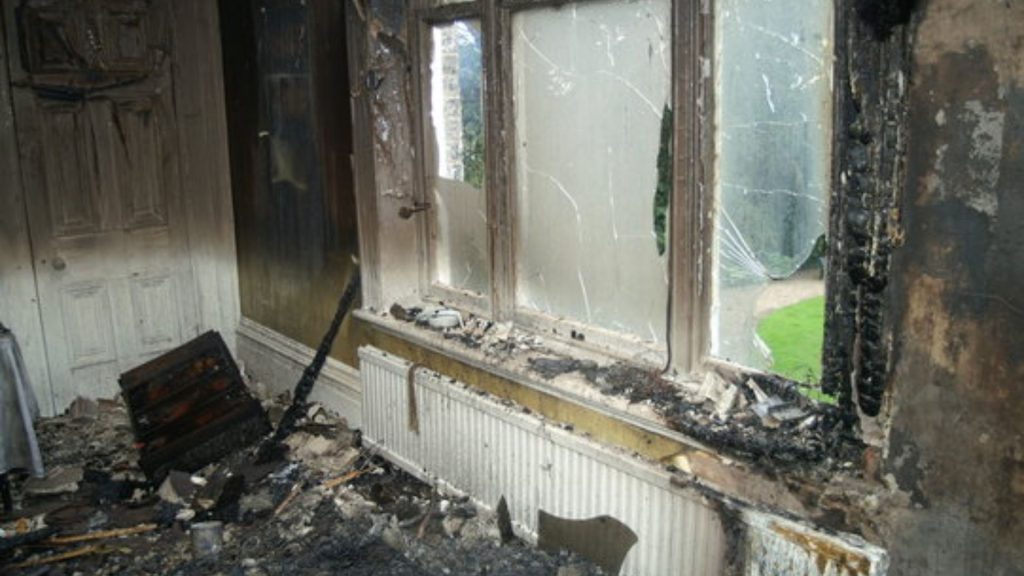
The category of the water, Category 1 (clean), Category 2 (gray), or Category 3 (black), dictates the cleaning protocols and the time required for sanitization. Category 3 losses, such as sewage backups or river flooding, require much more aggressive demolition and decontamination. In these cases, all porous materials like carpet and drywall must be removed regardless of how quickly they can be dried. This added labor for demolition and the subsequent deep cleaning required to ensure the area is safe for occupancy can add several days to the initial phase of the project.
Equipment Requirements and Monitoring
During the drying process, industrial-grade equipment must run 24 hours a day. This includes LGR (Low Grain Refrigerant) dehumidifiers and high-velocity axial air movers. Technicians typically visit the property every 24 hours to take “psychrometric” readings, which measure the moisture content of the air and the materials. These daily checks are vital for adjusting the equipment layout as the drying progresses. If a specific corner of a room is drying slower than the rest, the technician will reposition fans to ensure even and complete evaporation across the entire affected area.
Final Verification and Documentation
The final step in the timeline is the verification of “dry standards.” This involves comparing the moisture readings of the damaged area to a known dry part of the house, often called a “dry goal.” Once the affected materials match the dry goal, the mitigation phase is officially closed. The restoration company will then provide a final report that includes all moisture logs and thermal images. This documentation is your proof that the home was returned to a healthy state and is a crucial document for maintaining the resale value of your property and satisfying insurance requirements.
Frequently Asked Questions
How soon after the water is gone can I start repairs?
Repairs should only begin once the structural materials have reached their dry standard. Installing new drywall or flooring over damp wood will lead to internal rot and mold growth. Typically, this means waiting 3 to 5 days for the professional drying process to conclude before the first nail is driven for reconstruction.
Why does the restoration company have to leave the fans on all night?
The drying process relies on constant airflow to move moisture off the surface of building materials and into the air where the dehumidifier can remove it. Turning off the equipment at night stops the evaporation process and can double the total time required to dry the property.
Can I speed up the drying process by turning up the heat?
While warm air can hold more moisture, simply turning up the furnace can sometimes cause “secondary damage” if not managed correctly. Professionals use a specific balance of temperature and airflow to maximize evaporation without causing wooden furniture or trim to warp or crack.
What happens if the restoration takes longer than the insurance allows?
Insurance companies usually approve additional “drying days” if the restoration company can provide objective moisture logs proving that the materials are still holding water. This is why professional monitoring and documentation are so important for the claims process.
Is it safe to stay in the house while the equipment is running?
It is usually safe to stay in the home if the water was Category 1 and the damage is localized. However, the equipment is loud and generates a significant amount of heat. For Category 3 losses (sewage), it is generally recommended that residents vacate the property until the sanitization phase is complete.
Conclusion
Navigating the timeline of a water disaster requires patience and a commitment to doing things correctly the first time. From the initial emergency extraction to the final coat of paint during reconstruction, the process of water damage restoration wichita ks is a detailed journey toward restoring your home’s safety and value. By respecting the scientific requirements of structural drying and working with a professional team that prioritizes documentation, you can ensure a smooth transition back to normalcy. At Freshco, we understand that your time is valuable, but we also know that a rushed job is a risk to your home’s future. Our team is dedicated to providing the Wichita community with efficient, expert-led restoration services that adhere to the highest industry standards. If you are ready to start the clock on your recovery, trust the professionals at Freshco to manage every step of your restoration timeline with precision and care.