














Experiencing a major water damage emergency can be overwhelming for any business. The immediate response is crucial to mitigate further damage and ensure safety. This comprehensive guide will provide Hutchinson businesses with essential steps to take after a water damage incident, focusing on effective cleanup and restoration strategies. Readers will learn about the immediate actions required, assessment and documentation processes, restoration steps, and prevention strategies to safeguard against future incidents. Additionally, we will explore the importance of professional help in navigating these challenges, including how Fresh Co Cleaners can assist in the restoration process.
Immediate Steps to Take
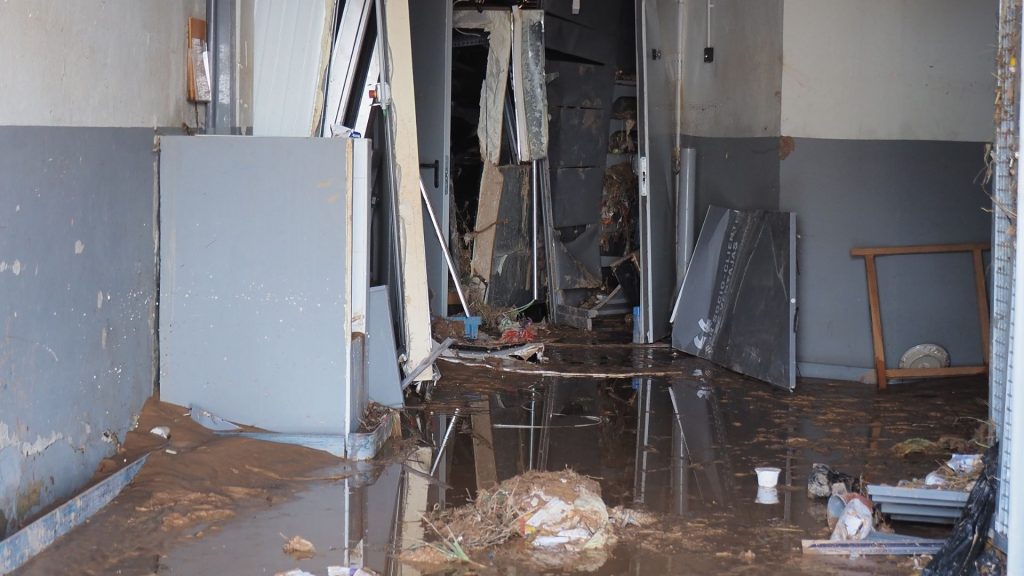
When faced with water damage, the first actions taken can significantly impact the extent of the damage. It is essential to prioritize safety and secure the premises to prevent further issues.
- Ensure Safety: Before entering the affected area, check for any electrical hazards or structural damage. If necessary, evacuate the premises until it is deemed safe.
- Secure Valuables: Move any valuable items or equipment to a dry area to prevent further damage.
- Shut Off Utilities: Turn off the water supply and electricity to the affected areas to minimize risks.
These immediate steps are vital in controlling the situation and setting the stage for effective recovery.
Assessment and Documentation
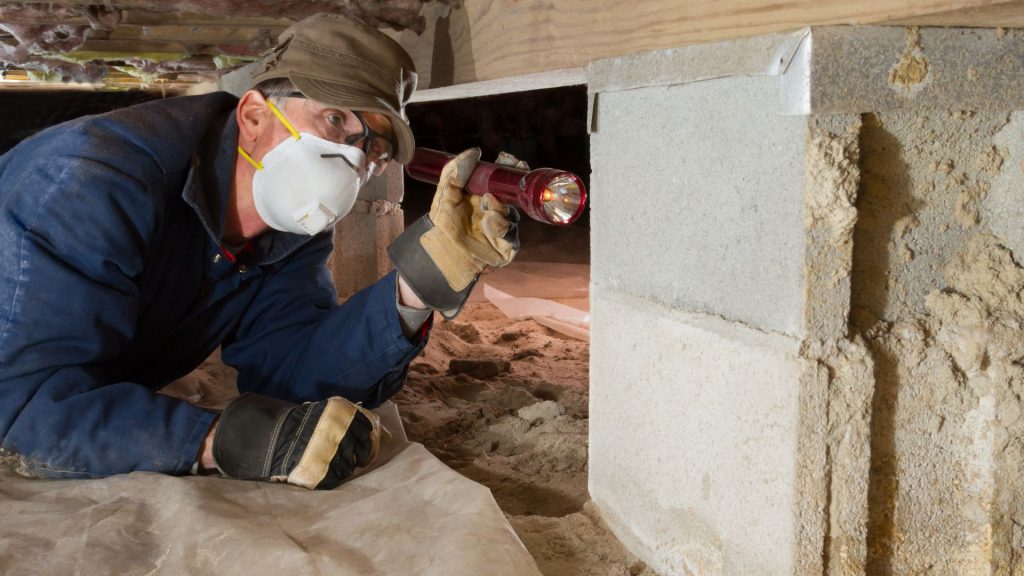
After ensuring safety, the next step is to assess the damage thoroughly. This process involves documenting the extent of the water damage for insurance purposes and future reference.
- Conduct Thorough Inspection: Inspect all areas affected by water, including walls, floors, and ceilings, to identify the full extent of the damage.
- Document Damage with Photos: Take clear photographs of the damage to provide visual evidence for insurance claims.
- Use Moisture Detection Tools: Employ moisture meters to assess hidden water damage within walls and floors.
Proper assessment and documentation are crucial for a successful restoration process and for supporting any insurance claims.
Assessing Flood Damage and Risk for Business Mitigation Strategies
ABSTRACT: Flood risk assessment is a critical instrument for evaluating the potential consequences of a flood event. This risk analysis can be integrated into floodplain management strategies, and also employed in cost-benefit analyses when comparing various adaptation approaches. Consequently, this analysis is crucial for appraising flood disaster mitigation options and optimizing the economics of potential interventions. A widely accepted definition posits that flood risk is determined by combining a flood hazard assessment and a flood vulnerability assessment (Apel, Merz, and Thieken, 2008). Flood hazard quantifies the magnitude, extent, and location of anticipated flooding for a given return period. This implies that the spatial distribution of calculated inundation depth as a function of the return period can characterize the flood hazard. Vulnerability refers to the susceptibility of an area subjected to flooding. One method to express vulnerability is through damage cost assessment.
- Flood damage assessment–Literature review and recommended procedure, R Löwe, 2017
Restoration Steps
Restoring a property after water damage involves several critical steps to ensure that the area is safe and habitable again.
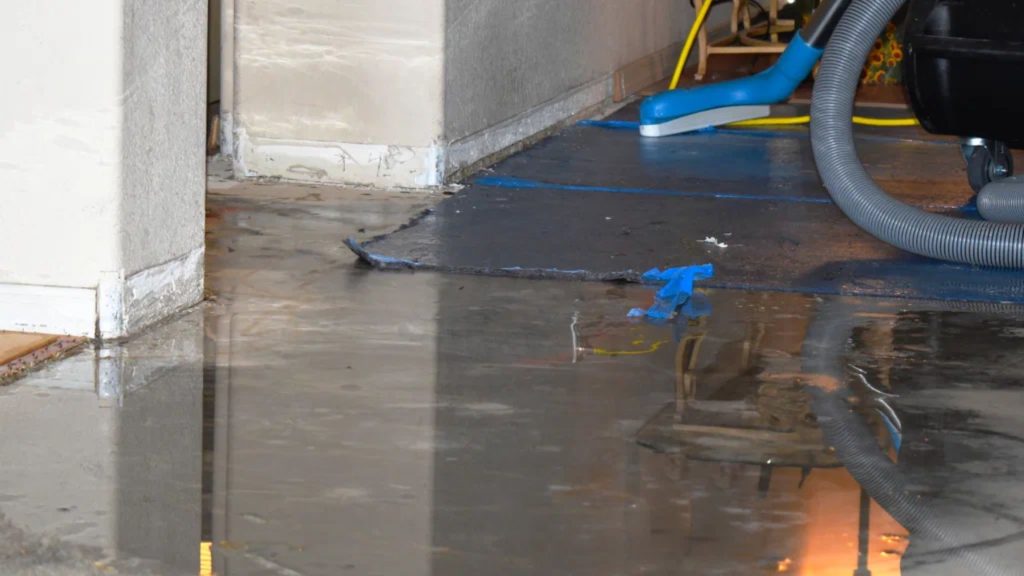
- Water Extraction: Use industrial-grade pumps and vacuums to remove standing water from the premises.
- Drying and Dehumidification: Implement drying techniques using dehumidifiers and air movers to eliminate moisture from the air and surfaces.
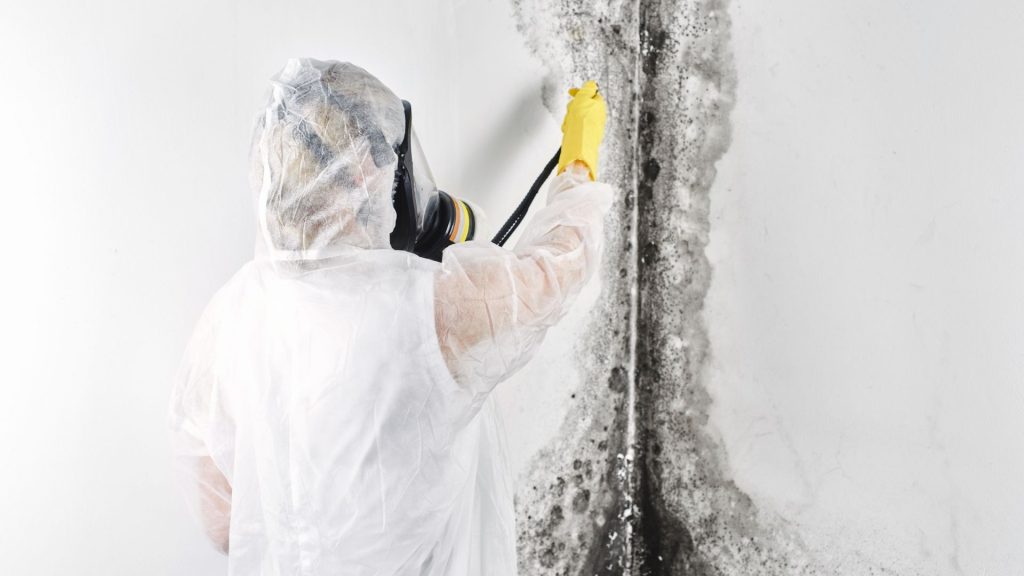
- Mold Remediation: Address any mold growth that may have occurred due to prolonged moisture exposure by using appropriate mold prevention techniques.
These restoration steps are essential to return the property to its pre-damage condition and prevent future issues.
Prevention Strategies
To minimize the risk of future water damage, businesses should implement proactive prevention strategies.
- Regular Maintenance: Schedule routine inspections of plumbing and roofing systems to identify potential issues before they escalate.
- Emergency Preparedness: Develop an emergency response plan that includes procedures for water damage incidents.
- Invest in Infrastructure: Consider upgrading drainage systems and waterproofing basements to enhance resilience against flooding.
By adopting these strategies, businesses can significantly reduce the likelihood of future water damage emergencies.
Professional Help
Engaging professional restoration services is crucial for effective water damage recovery. Experts bring specialized knowledge and equipment that can expedite the restoration process.
- Expertise in Restoration: Professionals are trained to handle various types of water damage and can assess the situation accurately.
- Tools and Equipment: Restoration companies utilize advanced tools, such as industrial dehumidifiers and moisture meters, to ensure thorough cleanup.
- Streamlined Recovery Process: Professionals can manage the entire restoration process, allowing business owners to focus on their operations.
For Hutchinson businesses, Fresh Co Cleaners offers comprehensive commercial water damage restoration in Hutchinson, including emergency flood cleanup, water extraction, drying, and mold prevention.
How Should Businesses Safely Assess and Document Water Damage?
To safely assess and document water damage, businesses should follow these steps:
- Ensure Safety First: Always prioritize safety by checking for hazards before entering the affected area.
- Document Damage Thoroughly: Use photographs and written notes to capture the extent of the damage.
- Use Assessment Techniques: Employ moisture detection tools to identify hidden damage.
These steps will help businesses create a comprehensive record of the damage for insurance claims and future reference.
What Are the First Actions to Mitigate Further Damage and Ensure Safety?
The first actions to mitigate further damage include:
- Protect Staff: Ensure that all employees are safe and aware of the situation.
- Secure Valuables: Move important items to a safe location to prevent loss.
- Shut Off Utilities: Turn off water and electricity to minimize risks.
Taking these actions promptly can significantly reduce the impact of water damage.
How Do Professional Commercial Water Extraction and Drying Techniques Restore Flooded Properties?
Professional water extraction and drying techniques involve:
- Emergency Extraction: Rapid removal of standing water using powerful pumps.
- Moisture Mapping: Identifying areas of hidden moisture to ensure thorough drying.
- Mold Prevention: Implementing strategies to prevent mold growth during the drying process.
These techniques are essential for restoring flooded properties effectively.
What Equipment and Methods Are Used for Effective Water Extraction in Hutchinson?
Effective water extraction in Hutchinson utilizes:
- Industrial-Grade Extractors: High-capacity pumps designed for rapid water removal.
- Dehumidifiers: Equipment that reduces humidity levels to facilitate drying.
- Moisture Meters: Tools that measure moisture levels in various materials.
Using the right equipment ensures a thorough and efficient extraction process.
How Does Controlled Drying Prevent Secondary Damage and Mold Growth?
Controlled drying is critical in preventing secondary damage and mold growth by:
- Rapid Water Removal: Quickly eliminating standing water to reduce moisture levels.
- Industrial Drying Equipment: Utilizing specialized equipment to enhance drying efficiency.
- Monitoring Progress: Regularly checking moisture levels to ensure complete drying.
These practices help maintain a safe environment and prevent long-term damage.
What Are the Best Mold Prevention and Remediation Practices After Flood Cleanup?
Best practices for mold prevention and remediation include:
- Immediate Actions: Address any water issues promptly to prevent mold growth.
- Professional Services: Engage experts for thorough mold remediation.
- Preventive Measures: Implement strategies such as regular inspections and moisture control.
These practices are essential for maintaining a healthy environment post-cleanup.
How Can Businesses Identify and Address Mold Risks Post-Water Damage?
Businesses can identify and address mold risks by:
- Immediate Water Removal: Quickly addressing any standing water to prevent mold growth.
- Thorough Drying: Ensuring all areas are completely dry after a water damage incident.
- Regular Inspections: Conducting routine checks for signs of mold growth.
These steps will help businesses manage mold risks effectively.
Which Sustainable Mold Remediation Techniques Does Fresh Co Cleaners Employ?
Fresh Co Cleaners employs sustainable mold remediation techniques, including:
- Containment Methods: Isolating affected areas to prevent mold spread.
- Air Filtration: Using HEPA filters to capture mold spores during remediation.
- Preventive Measures: Implementing strategies to reduce moisture and prevent future mold growth.
These techniques align with eco-friendly practices while ensuring effective mold remediation.
How Can Hutchinson Businesses Navigate Insurance Claims for Water Damage Restoration?
Navigating insurance claims for water damage restoration involves:
- Necessary Documentation: Collecting all relevant documents, including photos and inspection reports.
- Claim Process: Understanding the steps involved in filing a claim with the insurance company.
- Maximizing Coverage: Knowing how to present the claim to ensure adequate coverage for damages.
These steps will help businesses effectively manage their insurance claims.
What Documentation Is Required to Support Commercial Water Damage Claims?
To support commercial water damage claims, businesses should prepare:
- Document Everything: Keep detailed records of all damage and restoration efforts.
- Mitigate Loss: Show evidence of actions taken to minimize damage.
- Professional Inspection: Obtain reports from restoration professionals to support claims.
Having thorough documentation is crucial for a successful claim process.
How Does Fresh Co Cleaners Assist Clients Through the Insurance Process?
Fresh Co Cleaners assists clients through the insurance process by:
- Immediate Documentation: Providing timely and accurate documentation of damages.
- Communication with Insurers: Acting as a liaison between clients and insurance companies.
- Tips for Maximizing Claims: Offering guidance on how to present claims effectively.
This support can alleviate stress and streamline the claims process for businesses.
Why Are Sustainable Restoration Practices Essential for Post-Flood Commercial Property Recovery?
Sustainable restoration practices are essential for several reasons:
- Environmental Benefits: Reducing waste and using eco-friendly materials minimizes environmental impact.
- Long-Term Cost Savings: Sustainable practices can lead to lower operational costs over time.
- Compliance with Regulations: Adhering to environmental regulations ensures legal compliance.
These practices contribute to a more sustainable future for businesses and the community.
What Eco-Friendly Methods Reduce Environmental Impact During Restoration?
Eco-friendly methods that reduce environmental impact during restoration include:
- Green Cleaning Products: Utilizing non-toxic cleaning agents that are safe for the environment.
- Energy-Efficient Equipment: Employing tools that consume less energy during the restoration process.
- Waste Reduction: Implementing strategies to minimize waste generated during cleanup.
These methods align with sustainable practices while ensuring effective restoration.
How Do Sustainable Practices Benefit Business Continuity and Community Health?
Sustainable practices benefit business continuity and community health by:
- Business Continuity: Ensuring that operations can resume quickly after a disaster.
- Community Health: Reducing environmental hazards that can affect public health.
- Preventive Measures: Implementing strategies that protect against future incidents.
These benefits highlight the importance of sustainability in business operations.
How Should Businesses Plan for Continuity and Recovery After Major Water Damage?
To plan for continuity and recovery, businesses should:
- Remote Work Arrangements: Establish protocols for remote work during recovery periods.
- Financial Planning: Prepare budgets that account for potential recovery costs.
- Emergency Preparedness: Develop comprehensive emergency plans that include water damage scenarios.
These strategies will help businesses maintain operations during challenging times.
What Steps Ensure Minimal Disruption During Restoration?
To ensure minimal disruption during restoration, businesses should:
- Immediate Safety Measures: Implement safety protocols to protect employees and customers.
- Communication: Keep all stakeholders informed about the restoration process.
- Professional Restoration Services: Engage experts to handle the restoration efficiently.
These steps will help businesses navigate the restoration process smoothly.
How Can Businesses Prepare for Future Water Damage Emergencies?
Businesses can prepare for future water damage emergencies by:
- Regular Maintenance: Conducting routine checks on plumbing and drainage systems.
- Invest in Infrastructure: Upgrading facilities to withstand potential flooding.
- Emergency Preparedness Plan: Developing a comprehensive plan that outlines response strategies.
These preparations will enhance resilience against future water damage incidents.
For businesses looking to get an immediate assessment and quote for their water damage needs in Hutchinson, utilizing Fresh Co Cleaners’ quote service is a proactive step towards swift resolution and recovery.