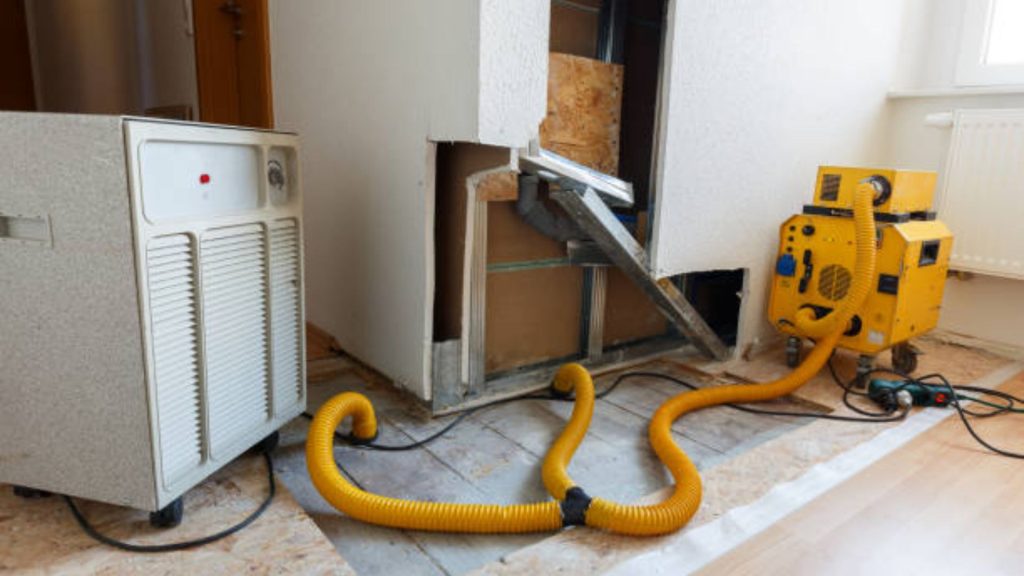
















Winter in Hutchinson, KS, can be challenging, especially when melting snow and ice lead to flooding. These conditions create a significant risk for water damage in many homes. Understanding the common causes of winter flooding can help you prepare and protect your property.
Flooding during winter often happens due to a combination of heavy snowfall, rapid snowmelt, and frozen pipes. When snow and ice melt too quickly, water has nowhere to go, leading to potential flooding in basements and low-lying areas. Frozen pipes that burst and release large amounts of water can also contribute to this problem.
Being proactive about preventing winter flooding is crucial. There are several steps homeowners can take to reduce the risk of water damage. It’s also essential to know what immediate actions to take if flooding does occur to minimize damage and begin the restoration process. Knowing how to choose the best water restoration services near you can help ensure your home is properly cared for when an emergency strikes.
Common Causes of Winter Flooding
Winter flooding can originate from several sources. Understanding these causes helps in taking the right precautions. Here are some common reasons for winter flooding:
1. Melted Snow and Ice: Heavy snowfall followed by a quick rise in temperature can lead to rapid snowmelt. When the ground is already frozen, the water has nowhere to go, causing it to pool in low areas and potentially flood homes, especially basements.
2. Frozen Pipes: Pipes that freeze and then burst are another major cause of winter flooding. When water inside the pipes freezes, it expands, causing the pipes to crack or burst. Once the ice thaws, the water can flood your home quickly.
3. Clogged Gutters and Downspouts: Gutters and downspouts clogged with leaves, ice, or snow prevent proper drainage. This overflow of water can accumulate around the foundation and seep into your home, leading to water damage.
4. Poor Grading: If the ground around your home slopes toward it rather than away, melting snow and rainwater can easily flow toward your foundation, increasing the risk of flooding.
5. Ice Dams: Ice dams form on roofs when snow melts and refreezes, blocking drainage. This trapped water can seep into your attic or walls, causing significant water damage and potentially leading to flooding inside your home.
Tips to Prevent Winter Flooding
Taking preventive steps can minimize the risk of winter flooding. Here are some essential tips to protect your home:
1. Maintain Gutters and Downspouts: Regularly clean gutters and downspouts to ensure they are free from debris. This helps water flow away from your home properly. Consider installing gutter guards to reduce the frequency of cleaning.
2. Insulate Pipes: Wrap pipes with insulation to prevent them from freezing. Pay special attention to pipes in unheated areas like basements, attics, and crawl spaces. This simple step can prevent costly pipe bursts.
3. Improve Yard Grading: Ensure that the ground around your home slopes away from the foundation. This helps direct melting snow and rainwater away, reducing the risk of water seeping into your home.
4. Install a Sump Pump: Installing a sump pump in your basement can help remove excess water. Make sure it’s in good working condition, and consider a battery backup to keep it operational during power outages.
5. Seal Cracks and Gaps: Inspect your home’s foundation, walls, and roof for any cracks or gaps. Use sealant to fill these openings, preventing water from seeping in. Pay attention to areas around windows and doors as well.
6. Monitor Weather Conditions: Stay informed about upcoming weather conditions. If heavy snow or rapid thawing is expected, take extra precautions like shoveling snow away from your home’s foundation and ensuring your sump pump is ready for use.
These tips can help you reduce the risk of winter flooding and protect your home. Being proactive ensures you are ready to handle the challenges winter weather can bring.
Immediate Steps to Take If Your Home Floods
If flooding occurs in your home, taking quick action is crucial to minimizing damage and ensuring your safety. Here are the immediate steps to follow:
1. Ensure Safety First: If water levels are rising quickly, evacuate the home to a safe location. Do not touch electrical equipment if you are wet or standing in water. Turn off electricity at the main breaker if it is safe to do so.
2. Contact Emergency Services: Notify the proper authorities and inform your local emergency services. They can provide assistance and help manage the situation. They will also advise you on when it is safe to return home.
3. Document the Damage: Take photos and videos of the affected areas as soon as it is safe to do so. This documentation will be helpful when filing insurance claims, as it provides evidence of the extent of damage.
4. Remove Water: If the flooding is minor and it is safe, use a pump, wet-dry vacuum, or buckets to remove standing water. Open windows and doors to allow fresh air to circulate and start the drying process.
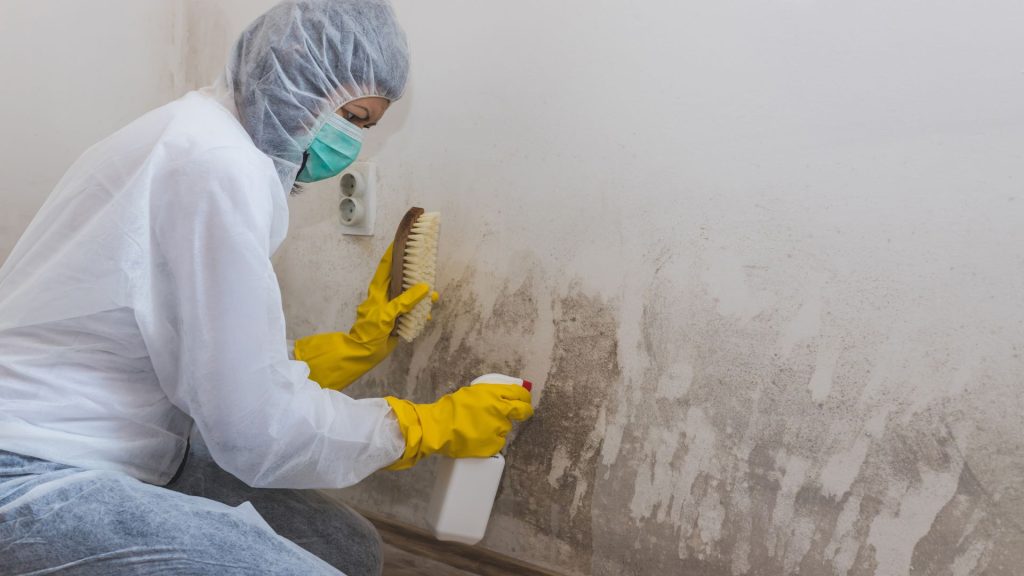
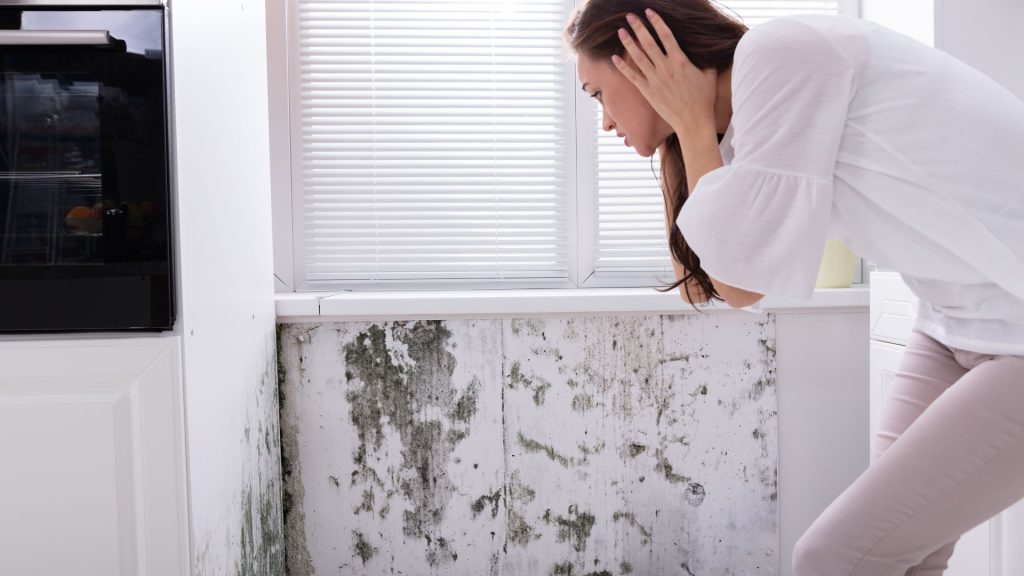
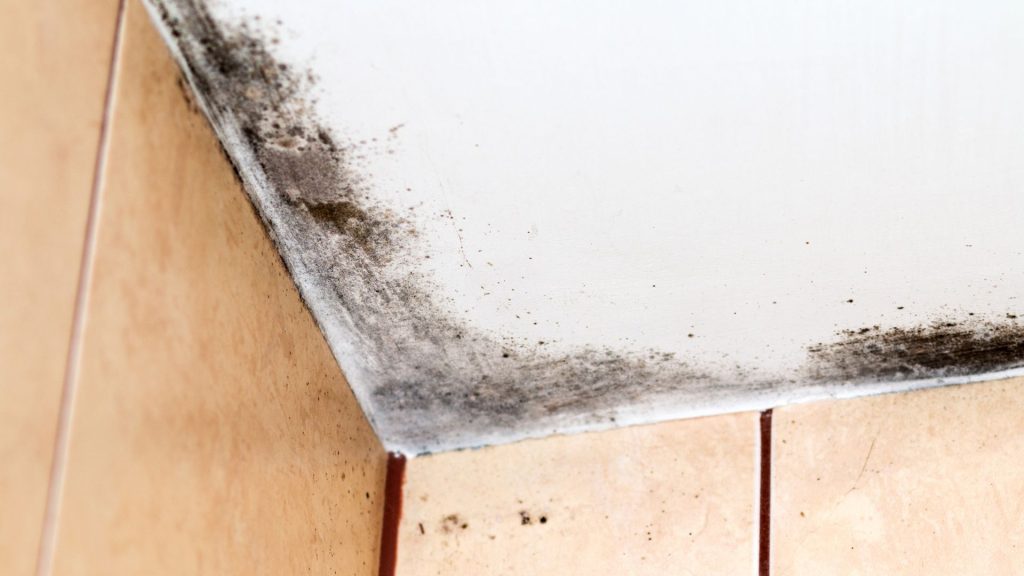
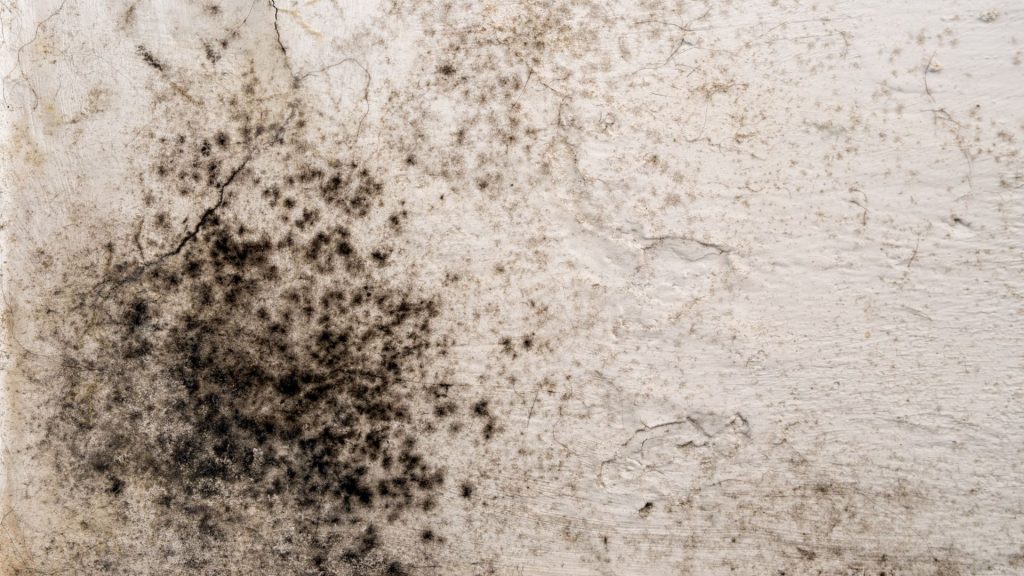
5. Prevent Mold Growth: Dry out affected areas as quickly as possible to prevent mold growth. Use fans and dehumidifiers to help dry out wet areas. Discard any items that cannot be dried and cleaned.
6. Contact a Water Restoration Company: Reach out to a professional water restoration company for a thorough cleanup and restoration. They have the expertise and equipment needed to handle water damage effectively.
How to Choose Reliable Water Restoration Near Me
Selecting the right water restoration service is essential for effective recovery. Here are key factors to consider when choosing a reliable water restoration company near you:
1. Verify Certifications and Licenses: Make sure the company is certified by recognized industry organizations like the Institute of Inspection, Cleaning, and Restoration Certification (IICRC). Check that they hold necessary licenses to operate in your area.
2. Look for Experience: Choose a company with a proven track record of handling water damage repairs. Experienced professionals are more likely to provide high-quality services and effective solutions.
3. Check Reviews and Testimonials: Read online reviews and client testimonials to gauge the company’s reputation. Positive feedback from previous customers can indicate reliable and satisfactory service.
4. Assess Response Time: Quick response is crucial in water damage situations. Ensure the company offers 24/7 emergency services and can respond promptly to your call. Delayed response can worsen the damage.
5. Ask About Their Process: A reputable company should clearly explain their restoration process. Understand the steps they will take to dry, clean, and restore your home. Ask about the equipment and methods they will use.
6. Get a Detailed Estimate: Request a detailed estimate before the work begins. The estimate should outline the scope of work and associated costs. Avoid companies that give vague or unclear estimates.
7. Insurance Assistance: Find out if the company can assist with your insurance claims. Companies familiar with the claims process can help you navigate it more smoothly and ensure you get the coverage you deserve.
Conclusion
Winter flooding can cause significant damage, but understanding its common causes and how to prevent it can help protect your home. If flooding occurs, taking immediate steps can minimize the damage and speed up the recovery process. Choosing a reliable water restoration service is crucial for effective and efficient restoration.
For residents in Hutchinson, KS, reliable water restoration services are essential for mitigating the impacts of winter flooding. No need to search further for a company that provides “water restoration near me” FreshCo is here to help you navigate through the challenges of water damage. Contact FreshCo for expert assistance and ensure your home returns to a safe and livable condition quickly.