














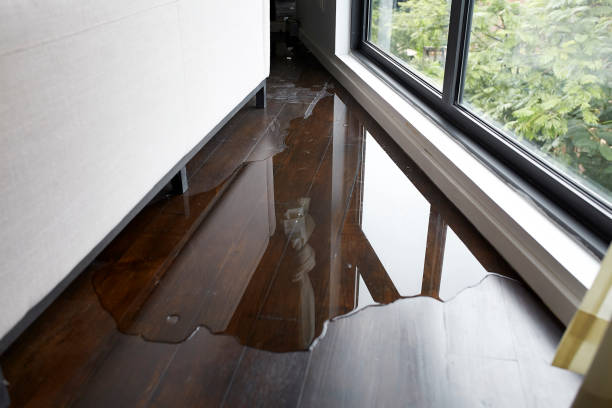
The first 24 hours after discovering a leak or flood are the most critical for preventing permanent structural failure and toxic mold growth in your home. If you are standing in water right now, your immediate priority is to ensure your personal safety by staying away from electrical sources and then stopping the flow of water at the main shutoff valve. In a local climate like ours, where high humidity and seasonal storms can accelerate property decay, waiting even a few hours can turn a minor repair into a major reconstruction project. To ensure a professional recovery, you must secure expert water damage restoration in wichita ks services as quickly as possible to begin the industrial drying process.
What is the first thing I should do after my house floods?
The very first thing you must do after a house flood is ensure the safety of all occupants by turning off the electricity at the breaker box if you can do so from a dry location. Once the area is safe to enter, identify and stop the source of the water—usually by turning off the main water supply valve located in your basement or utility closet. Only after these safety and containment steps are taken should you begin documenting the damage for your insurance provider.
Key immediate steps include:
- Shut off utilities: Turn off water and power (if safe) to prevent electrocution and further flooding.
- Wear protective gear: Use rubber boots and gloves, especially if you suspect the water is from a sewer backup or storm runoff.
- Call for professional help: Contact a certified mitigation team to handle water extraction.
- Notify your insurer: Start the claims process early to document the incident while the evidence is fresh.
How can I prevent further damage before help arrives?
While waiting for a team to arrive at your property in neighborhoods like College Hill or Westlink, you can take small actions to mitigate the spread of moisture. Start by removing small furniture items, area rugs, and electronics from the saturated area to a dry, climate-controlled room.
Homeowners should consider the long-term impact of trapped moisture on their property value. You can get a quote for a professional moisture assessment to ensure that hidden water behind your baseboards or under your subfloor is correctly identified and treated.
For immediate mitigation, you should:
- Place aluminum foil or wood blocks under the legs of heavy furniture to prevent wood stain transfer to carpets.
- Prop up wet upholstery cushions for even airflow.
- Avoid using a standard household vacuum to suck up water, as this creates a significant risk of electrical shock.
Should I call my insurance company or a restoration company first?
You should call a restoration company first because mitigation must begin immediately to satisfy your policy’s “duty to mitigate” clause, which requires you to prevent further damage. Most reputable providers of water damage restoration wichita ks are available 24/7 and can be on-site in under 60 minutes, which is much faster than an insurance adjuster can typically respond. Once the emergency is stabilized and the water is being extracted, you should then contact your insurance agent to file the formal claim.
Modern restoration teams often act as advocates for the homeowner. They provide the detailed thermal imaging reports and moisture maps that insurance adjusters need to approve a claim. By getting the professionals on-site near local landmarks like the Douglas Design District or the Sedgwick County Zoo quickly, you ensure that the scope of work is accurately recorded before the drying process alters the appearance of the damage.
How do I document water damage for a successful insurance claim?
To ensure your claim is processed smoothly, you must take high-quality photos and videos of the standing water, the point of origin (like a burst pipe or a leaking water heater), and all affected personal property. Do not throw away any damaged items until an insurance adjuster has seen them or your restoration contractor has documented them in their inventory.
Proper documentation includes:
- Wide-angle shots: Capture the entire room to show the extent of the flooding.
- Close-ups: Focus on water lines on the drywall and damage to expensive assets.
- Inventory lists: Write down the age, brand, and estimated value of damaged electronics or furniture.
- Keep receipts: Save all records of emergency repairs or temporary lodging expenses.
A thorough record is the best way to prove the severity of the loss. To help with the technical side of your claim, you can get a quote from experts who specialize in insurance-standardized billing and documentation.
What are the emergency water damage steps Wichita KS homeowners need for storms?
Wichita’s severe weather, including flash floods and high-wind rain events, requires a specific immediate flood response Wichita residents must follow. Because storm water is considered “Category 3” or black water, it may contain street chemicals, silt, or sewage, making DIY cleanup extremely dangerous.
| Action Item | Timeline | Why It Matters |
| Electrical Safety | Minute 1 | Prevents fatal shocks in standing water. |
| Water Extraction | Hour 1-4 | Prevents the subfloor from swelling and rotting. |
| Item Elevation | Hour 1-2 | Saves expensive furniture from permanent staining. |
| Sanitization | Hour 4-12 | Kills bacteria brought in by outdoor floodwaters. |
| Structural Drying | Day 1-3 | Prevents the growth of toxic black mold. |
How quickly does mold start growing after a flood?
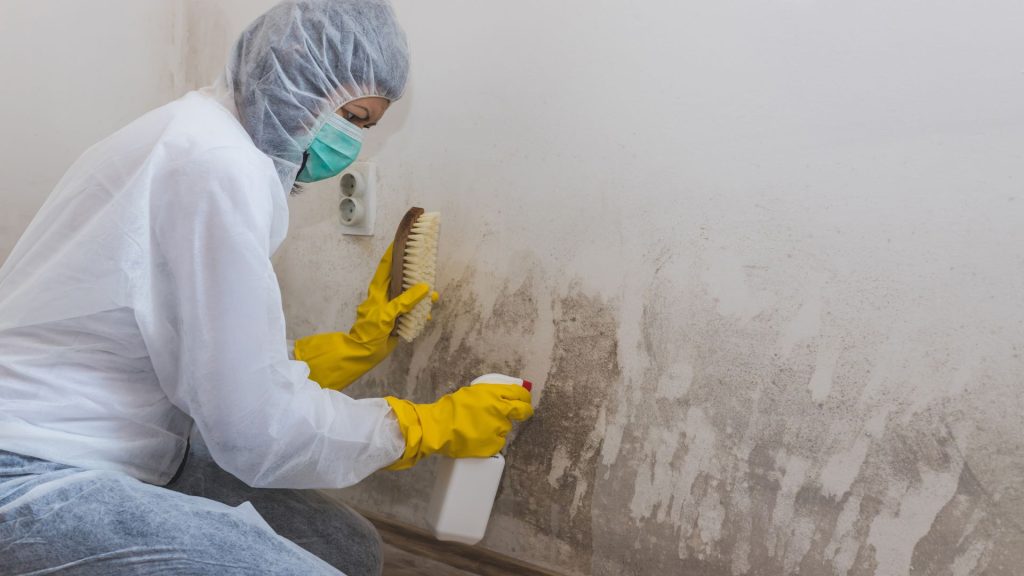
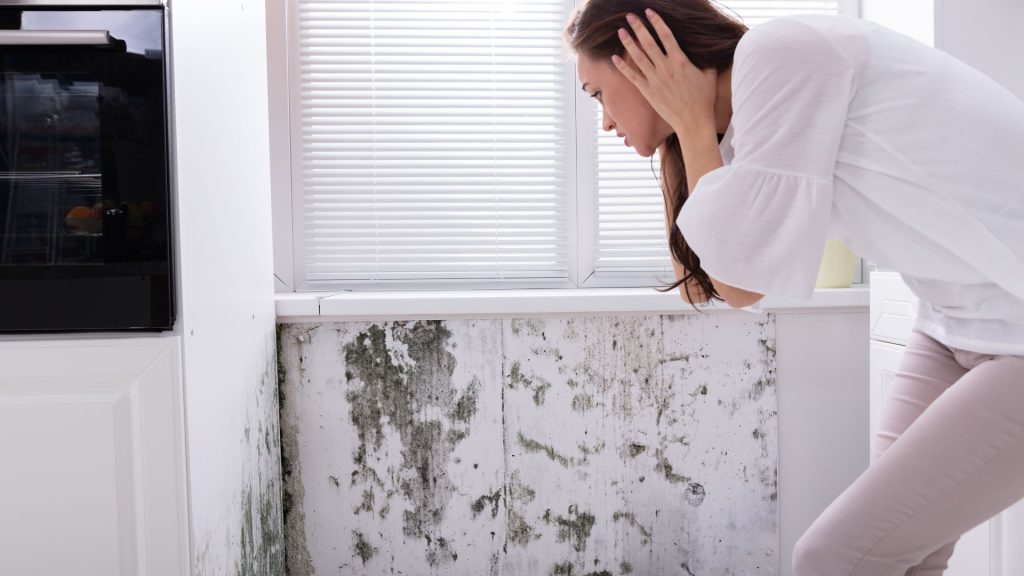
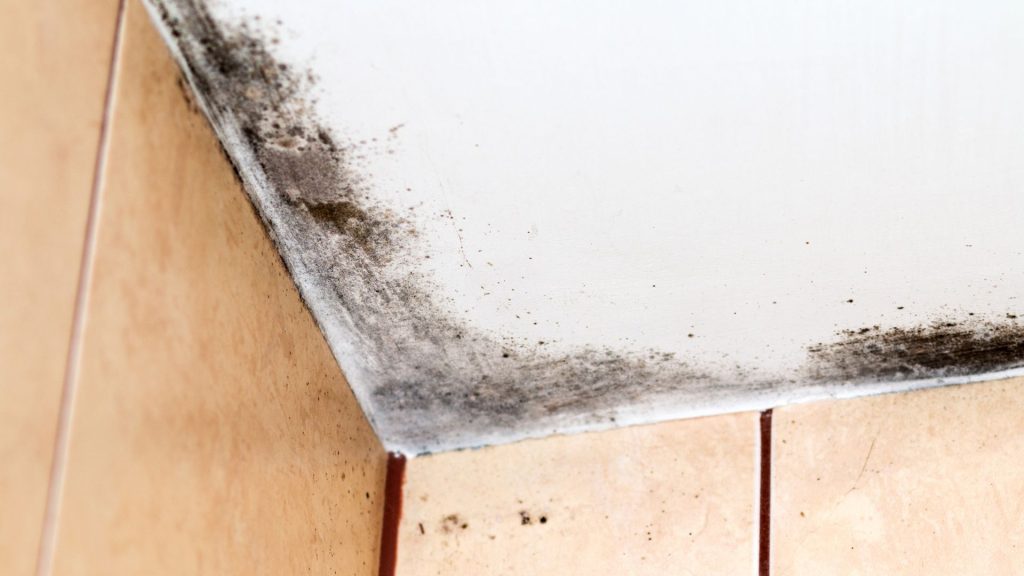
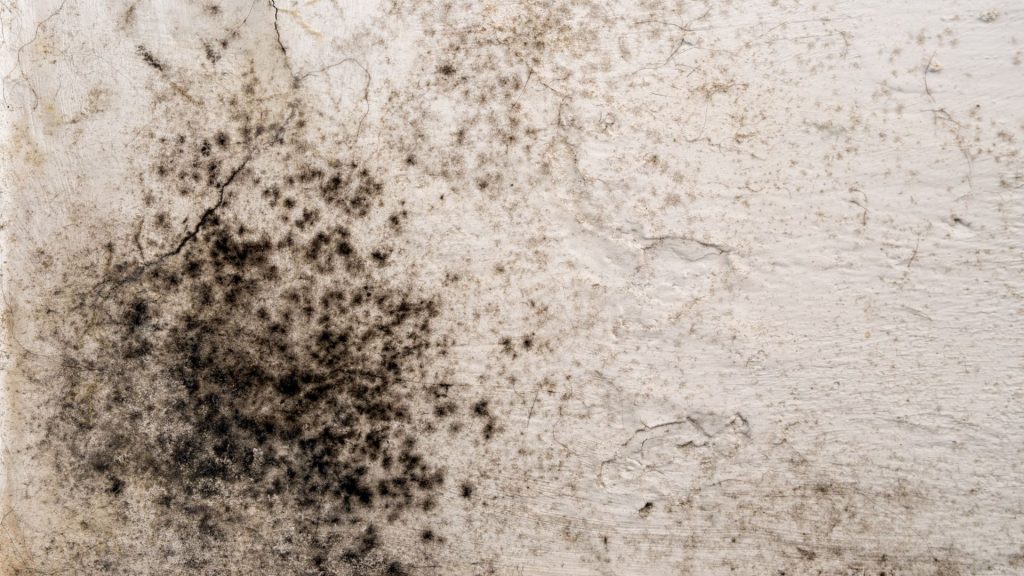
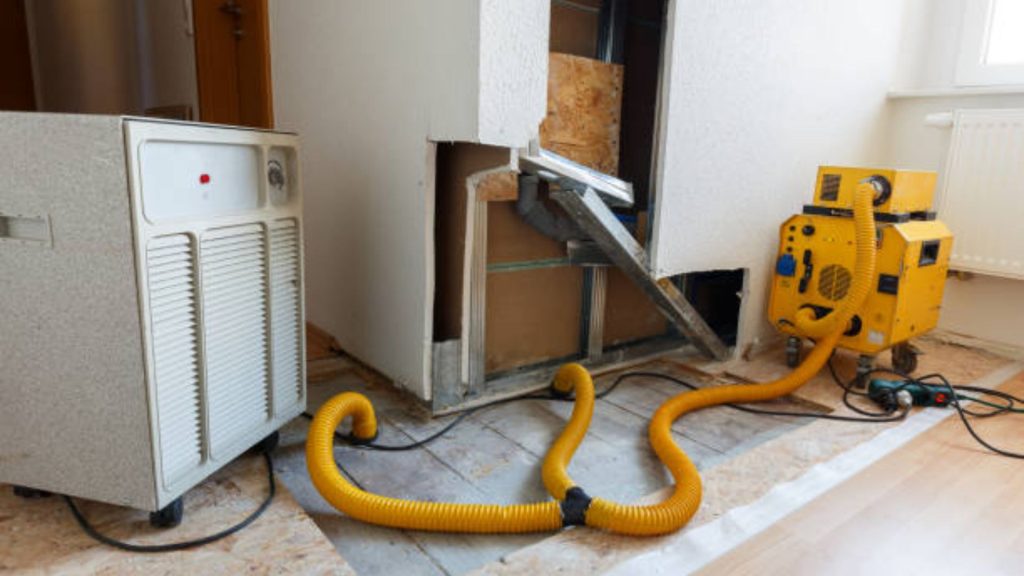
In the humid Kansas summer, mold spores can begin to colonize on damp surfaces like drywall and carpet padding in as little as 24 to 48 hours. This is why “airing it out” with a simple box fan is rarely enough to prevent a secondary disaster. Professional-grade dehumidifiers and high-velocity air movers are necessary to drop the relative humidity in the room to a level where mold cannot survive.
If you notice a musty odor or visible spots near your baseboards in areas like Riverside or the Delano District, the mold has likely already taken hold. Dealing with mold requires specialized containment and HEPA filtration to prevent the spores from spreading through your HVAC system to the rest of the house.
What is the difference between water mitigation and restoration?
Water mitigation is the “emergency” phase where the primary goal is to stop the water, extract the liquid, and dry out the structure. Restoration is the “rebuilding” phase that occurs after the home is certified dry, involving tasks like hanging new drywall, painting, and installing new flooring.
It is often beneficial to work with a company that handles both phases for a seamless transition. You can get a quote for a full-service restoration plan that takes you from the initial flood through the final coat of paint on your walls.
Why should I hire a professional for water cleanup tips Wichita KS?
Professional restoration technicians are IICRC-certified, meaning they follow a scientific set of standards for drying a home. They use moisture meters and infrared cameras to find water that is invisible to the naked eye—such as moisture trapped in the insulation of your exterior walls or inside the cavities of your kitchen cabinets.
Failing to remove this hidden moisture leads to:
- Persistent “wet dog” or musty smells that won’t go away.
- Buckling of hardwood floors weeks after the event.
- Structural rot in the wooden studs of your home.
- Significant decreases in your home’s resale value.
By choosing professional water damage restoration wichita ks, you are investing in the long-term health of your property and the safety of your indoor air quality.
Frequently Asked Questions
Can I use a shop vac for water cleanup?
While a shop vac can remove surface-level water, it cannot pull moisture out of porous materials like carpet pads or wood. For a complete dry-down, you need industrial-grade extraction equipment.
Is it safe to stay in my house after a flood?
It depends on the source of the water. If the flood involves sewage or outdoor storm water (Category 3), it is generally unsafe due to pathogens. If the power is off or the humidity is extremely high, it may also be uncomfortable and hazardous to your health.
How long does the professional drying process take?
On average, a home takes 3 to 5 days to reach a “certified dry” state. This timeline can be longer if the water has penetrated deep into the subfloor or if the home has multiple layers of flooring.
What should I do if my sump pump fails during a storm?
Immediately try to clear any debris from the pump and check the breaker. If it still won’t run, you need to call for emergency pumping services to prevent the water from reaching your furnace or water heater.
How do I know if the water is contaminated?
Assume all outdoor floodwater and sewage is contaminated. “Grey water” from a dishwasher or washing machine can also become “black water” if left standing for more than 48 hours as bacteria multiply.
Conclusion
A water emergency in the Wichita metro area demands a calm but rapid response. From the historic homes in Riverside to the newer developments in Eastborough, every minute counts when moisture is attacking your home’s foundation and interior finishes. By following these immediate flood response Wichita protocols, prioritizing safety, stopping the source, and documenting the loss, you set the stage for a successful recovery.
Navigating the aftermath of a flood is stressful, but you don’t have to do it alone. If you are struggling with the cleanup or need a professional eye to check for hidden moisture, you can get a quote today to protect your property from further damage.
At Freshco, we are committed to being the first choice for homeowners in our community when disaster strikes. As a trusted local service provider, we combine advanced technology with a compassionate, neighborly approach to get your life back to normal. Whether you need emergency extraction or a complete rebuild, Freshco is the solution for your home’s recovery.