














Breathing clean air is essential for our health and well-being. In Wichita, KS, the air quality inside homes can greatly affect comfort and health. Poor indoor air quality can lead to allergies, asthma, and other health problems. Understanding how to improve indoor air quality is important for every homeowner.
Many factors can affect indoor air quality. Common pollutants include dust, pet dander, mold, and chemicals from cleaning products. These pollutants can build up over time, especially in homes that are not well-ventilated. It’s crucial to recognize these pollutants and take steps to reduce them.
One effective way to improve indoor air quality is by maintaining your HVAC system. A well-maintained HVAC system helps circulate clean air throughout your home. It also helps reduce the levels of pollutants. Regular cleaning and professional check-ups can keep your HVAC system running efficiently.
Enhancing indoor air quality doesn’t have to be complicated. Simple actions like using air purifiers, keeping your home clean, and ensuring proper ventilation can make a big difference. For homeowners in Wichita, there are professional services available that specialize in improving indoor air quality. By taking these steps, you can ensure a healthier living environment for you and your family.
Common Indoor Air Pollutants and Their Effects
Indoor air pollutants can cause various health problems. Knowing these common pollutants can help you take steps to reduce them in your home. Here are a few significant indoor air pollutants and their effects:
1. Dust and Dust Mites: Dust particles and dust mites are common indoor pollutants. They can cause allergies, sneezing, and itchy eyes. Dust mites thrive in bedding, carpets, and upholstered furniture.
2. Pet Dander: Pet dander consists of tiny, even microscopic, flecks of skin shed by cats, dogs, and other animals with fur or feathers. Pet dander can trigger allergic reactions and asthma attacks.
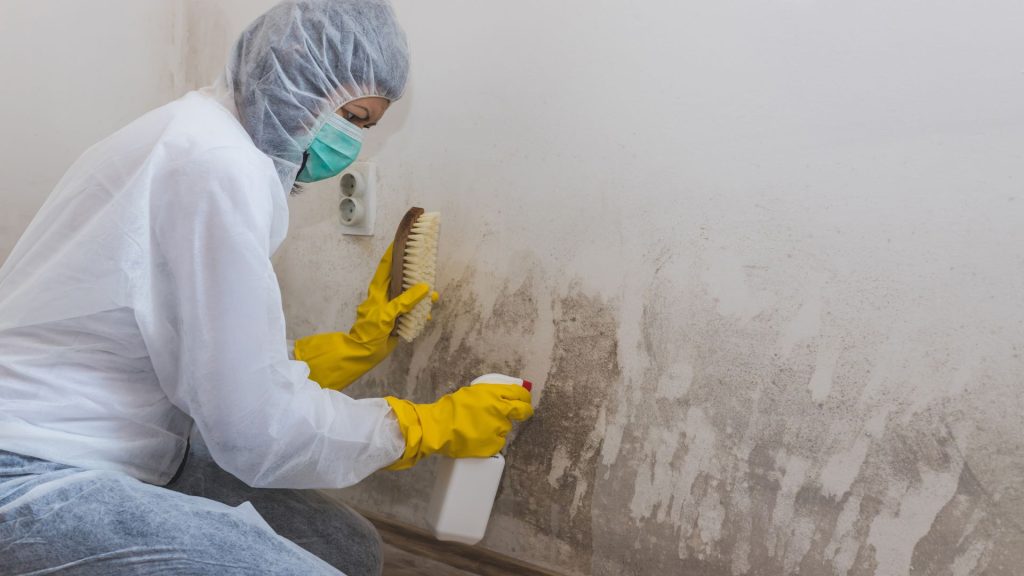
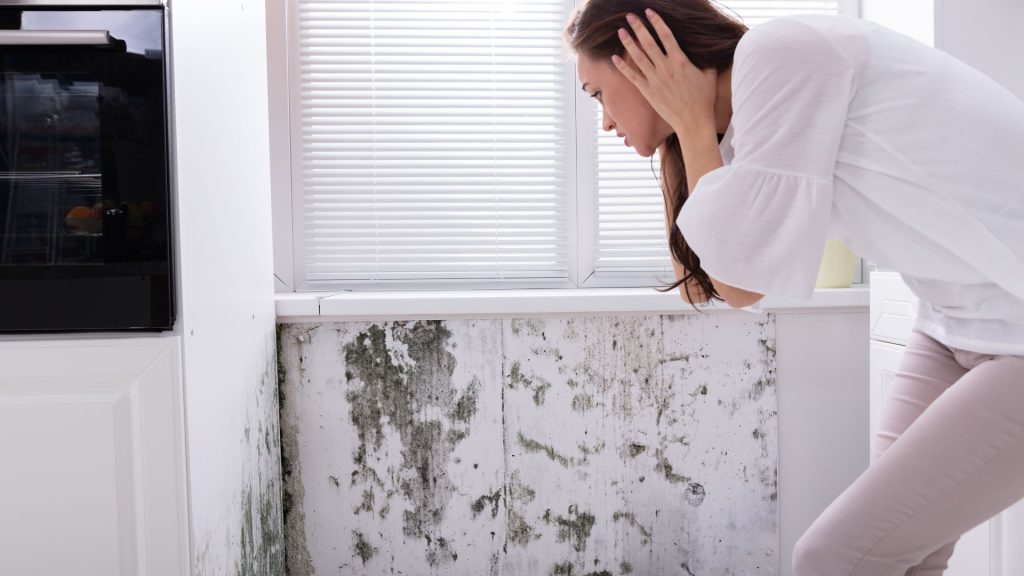
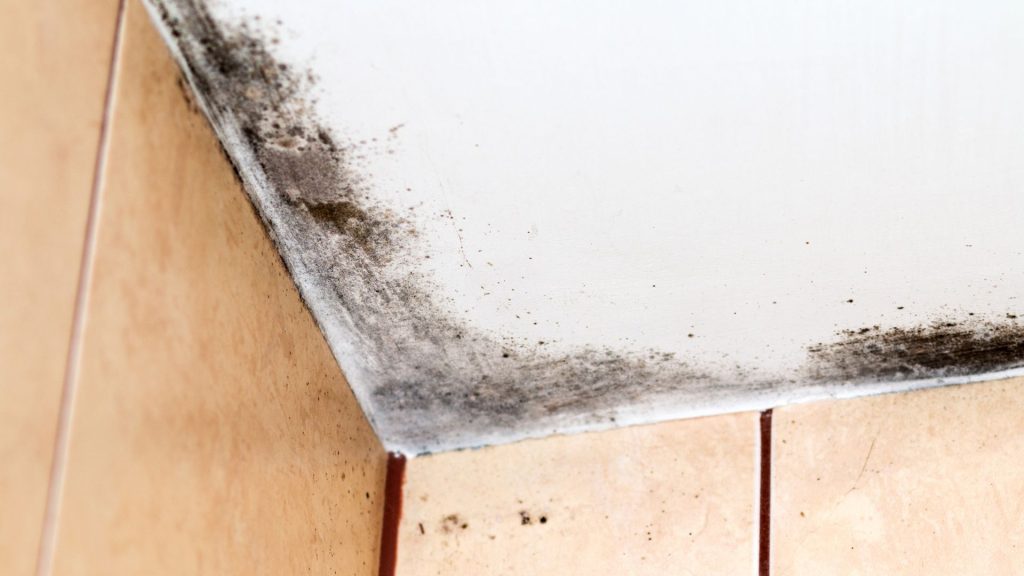
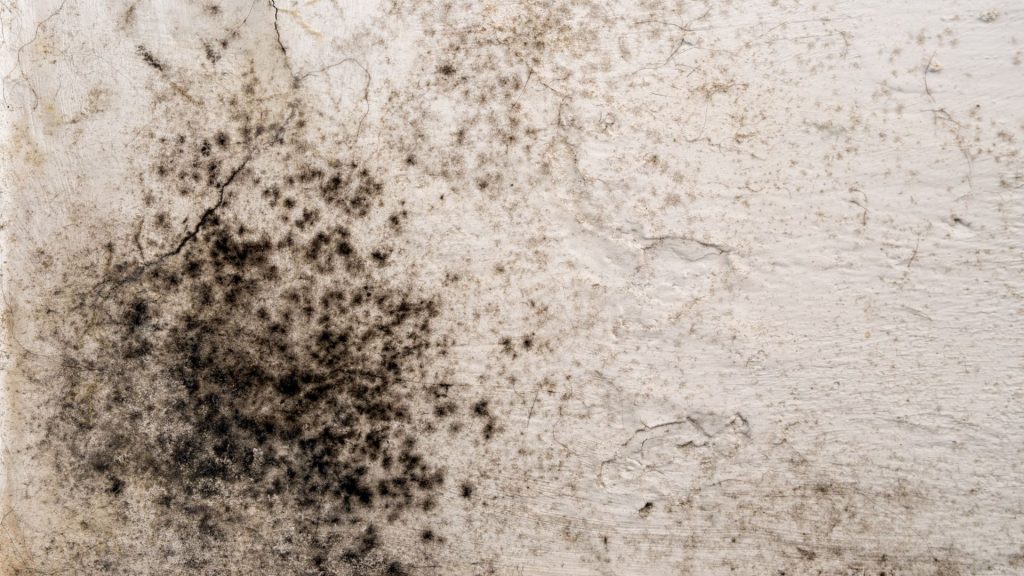
3. Mold and Mildew: Mold and mildew grow in damp areas like bathrooms and basements. They can produce allergens and irritants, leading to respiratory problems and worsening asthma symptoms.
4. Volatile Organic Compounds (VOCs): VOCs are found in household products like paints, cleaning supplies, and air fresheners. Exposure to VOCs can cause headaches, dizziness, and long-term health effects.
5. Tobacco Smoke: Secondhand smoke from tobacco products contains hundreds of harmful chemicals. It can increase the risk of respiratory infections, heart disease, and cancer.
6. Chemicals from Cleaning Products: Many cleaning products release harmful chemicals into the air. These chemicals can irritate the eyes, throat, and lungs.
Practical Tips to Improve Indoor Air Quality at Home
Improving indoor air quality doesn’t have to be complicated. Here are some practical tips you can follow to enhance the air in your home:
1. Keep Your Home Clean: Regular cleaning helps reduce dust, pet dander, and other pollutants. Vacuum carpets and rugs frequently, and wash bedding in hot water.
2. Use Air Purifiers: Air purifiers with HEPA filters can capture small particles like dust, pollen, and pet dander. Place them in bedrooms and living areas for best results.
3. Ventilate Your Home: Proper ventilation keeps indoor air fresh and reduces pollutant levels. Open windows when weather permits, and use exhaust fans in bathrooms and kitchens.
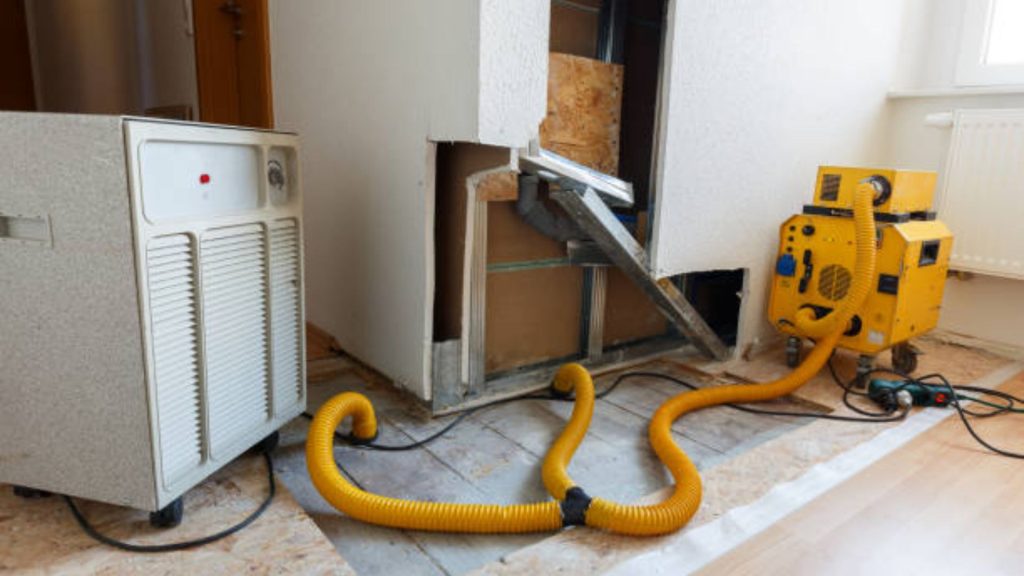
4. Control Humidity Levels: Mold and dust mites thrive in humid environments. Use dehumidifiers to keep humidity levels below 50% and fix any leaks promptly.
5. Avoid Synthetic Fragrances: Many air fresheners and scented candles release VOCs. Opt for natural alternatives like essential oils or simply open a window for fresh air.
6. Use Non-Toxic Cleaning Products: Choose cleaning products that don’t contain harsh chemicals. Look for labels that say “non-toxic” or “green”.
7. Change HVAC Filters: Regularly change the filters in your heating and cooling systems. Clean filters can more effectively trap dust and other particles, enhancing indoor air quality.
Following these tips can help you keep the air inside your home clean and healthy. Simple actions can make a big difference in improving indoor air quality for you and your family.
The Role of HVAC Systems in Maintaining Air Quality
Your HVAC system plays a critical role in maintaining indoor air quality. A well-functioning HVAC system not only regulates temperature but also helps keep the air clean. Here’s how your HVAC system contributes to better indoor air quality:
1. Air Filtration: HVAC systems use filters to trap dust, pollen, and other airborne particles. Regularly replacing these filters ensures optimal performance. High-efficiency filters can capture even smaller particles, improving overall air quality.
2. Ventilation: Proper ventilation is essential for fresh air circulation. HVAC systems with good ventilation features can bring in fresh air from outside while expelling stale indoor air. This reduces the concentration of indoor pollutants.
3. Humidity Control: Maintaining the right humidity levels is crucial. HVAC systems can control indoor humidity, preventing mold growth and reducing dust mite populations. Dehumidifiers and humidifiers attached to HVAC systems ensure balanced humidity.
4. Duct Cleaning: Over time, dust and debris can accumulate in air ducts. Regular duct cleaning prevents these pollutants from circulating back into your home. Clean ducts mean cleaner air.
Ensuring your HVAC system is well-maintained can make a significant difference. Regular check-ups and cleaning can keep your system efficient and your home’s air quality high.
Benefits of Professional Indoor Air Quality Services in Wichita
Professional indoor air quality services provide numerous benefits. Engaging experts ensures thorough and lasting improvements. Here’s why professional help is valuable for homeowners in Wichita:
1. Expert Assessment: Professionals can accurately assess your home’s air quality. They identify hidden pollutants and suggest effective solutions. Accurate diagnosis is the first step to clean indoor air.
2. Advanced Equipment: Professionals use specialized tools and equipment. These include high-efficiency air purifiers, advanced HVAC filters, and precise humidity control devices. Such tools offer better and more lasting results.
3. Thorough Cleaning: Expert services provide deep cleaning that goes beyond surface-level cleaning. They clean air ducts, replace filters, and address areas where pollutants accumulate. This ensures comprehensive air quality improvement.
4. Customized Solutions: Each home has unique air quality needs. Professionals offer customized solutions based on your home’s specific conditions. Personalized care leads to more effective results.
5. Time and Effort Saving: DIY air quality improvement can be time-consuming and challenging. Hiring professionals saves you time and ensures the job is done right. You can enjoy clean air without the hassle.
6. Long-Term Benefits: Professional services focus on preventing future air quality issues. They provide tips and maintenance plans to keep your air clean over the long term. This proactive approach ensures continued indoor air quality improvement.
Conclusion
Maintaining good indoor air quality is essential for a healthy and comfortable home. From identifying common pollutants to employing practical tips and understanding the role of your HVAC system, there are many ways to enhance the air you breathe. Professional indoor air quality services in Wichita offer comprehensive and lasting solutions. They provide expert assessment, advanced tools, thorough cleaning, and customized care tailored to your home’s needs.
Don’t let poor air quality affect your family’s health. Take proactive steps today to ensure a cleaner and safer living environment. Contact Freshco in Wichita, KS, to schedule your indoor air quality assessment and breathe easier in your home.