















Springtime in Wichita brings an explosion of vibrant colors and a refreshing change in weather, making it a delightful season for many residents. However, it’s also a time when frequent rains pose challenges, especially for homeowners. Among these challenges, one significant concern is how quickly a basement can flood if a sump pump fails when it’s needed the most. Understanding why these failures occur and how to handle them can save many headaches and expenses down the road.
As spring rains hit, Wichita homes depend heavily on sump pumps to keep basements dry and protect the home’s foundation. But, what happens if the pump gives out? The risk of a flooded basement becomes a real threat. Tackling the issue of sump pump failures during this wet season is necessary to avoid water damage and maintain the house’s integrity.
Understanding Sump Pump Failures
Sump pumps are essential in diverting water away from your home, but they aren’t invincible. Several common factors can lead to their failure—often at the worst possible times. One big culprit is power outages, which are more frequent during heavy storms. Without electricity, a sump pump stops functioning, and water can quickly accumulate.
Mechanical issues can also arise. Parts wear down over time, causing pumps to run less efficiently or fail completely. This could be something as small as a stuck switch or a clogged intake screen. Heavy rainfalls can add another layer of risk by overwhelming the sump pump with more water than it can handle, leading to malfunction. When a pump is improperly sized or installed, the chances of failure rise significantly.
Knowing these pitfalls gives homeowners a better idea of what to watch for during the rainy season. Understanding these vulnerabilities is critical for taking preventive measures and ensuring your basement remains dry, despite the spring showers.
Signs Your Sump Pump Is Failing
Spotting the early signs of sump pump failure can make a world of difference. By catching problems early, you could avoid waking up to a waterlogged basement. Here are some warning signs to keep on top of:
– Strange Noises: Unusual sounds, such as clanking or grinding, often indicate mechanical issues within the pump.
– Frequent Cycling: If the pump keeps turning on and off quickly, it might not be set up correctly or need maintenance.
– Visible Wear or Damage: Inspect the pump periodically for any physical signs of wear. Corrosion or rust should be taken seriously.
– On-Again, Off-Again Operation: This might suggest power issues or intermittent electrical failures.
It’s a smart move for homeowners to perform regular checks. Simple tasks like clearing debris or making sure the pump remains upright can be handled during maintenance checks. But when a problem is suspected, getting a professional to inspect the pump is a wise decision to prevent flooding mishaps.
By understanding these common causes and recognizing the signs of failure, Wichita homeowners can better prepare against spring’s potential deluge, minimizing damage and maintaining peace of mind.
Preventing a Flooded Basement
Keeping a basement dry during heavy spring rains involves a few key steps. Regular maintenance tops the list, ensuring that everything works as it should. Consider scheduling routine checks to examine the functionality of your sump pump. Look for any wear and tear, and clear away debris that might block the inlet. It’s often during these routine checks that potential issues come to light, helping to prevent major problems later on.
Another smart move is installing a battery backup system. During power outages, it’s crucial to have a backup to keep the pump running. This way, even if the main power cuts out during a storm, your pump can continue to do its job, keeping the water at bay. Battery backups aren’t too complicated to set up, yet they offer peace of mind when it rains heavily.
Effective drainage systems around your property make a significant difference. Ensure gutters and downspouts are clear of leaves and other debris to allow rainwater to move away from the foundation. It’s also wise to check that the water slopes away from your home, reducing the amount of moisture that reaches the pump. Professional inspections help pinpoint areas that need attention, as these experts can provide a comprehensive overview and suggest efficient repairs.
What to Do if Your Basement Floods
When water makes its unwelcome entry into your basement, acting quickly can reduce damage. Here’s a simple plan to follow:
1. Ensure Safety First: Before entering a flooded area, make sure the electricity is turned off to prevent accidents.
2. Remove Water Safely: Using a wet/dry vacuum or a submersible pump, start extracting water. Avoid using regular household vacuums, as they aren’t designed for water.
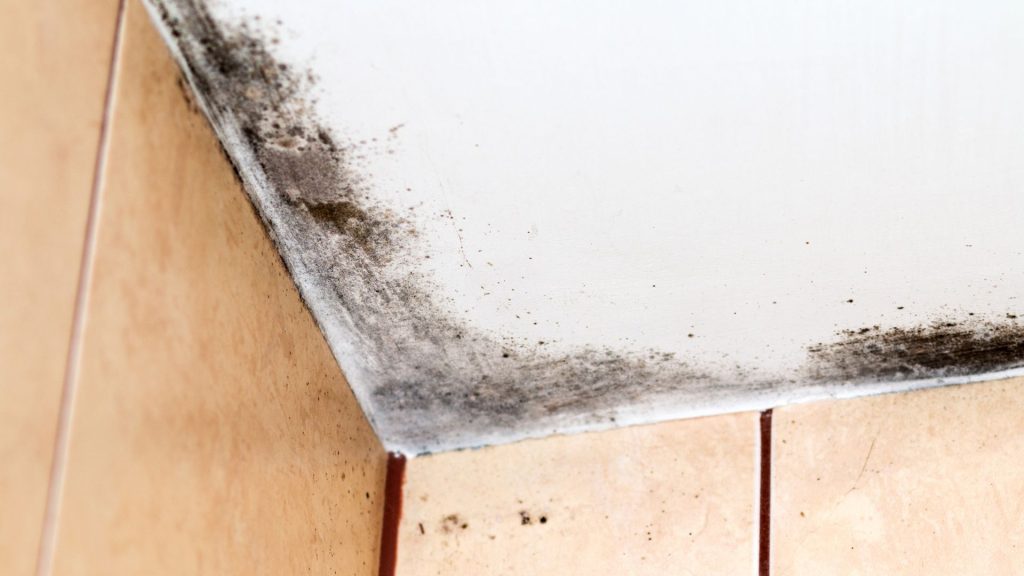
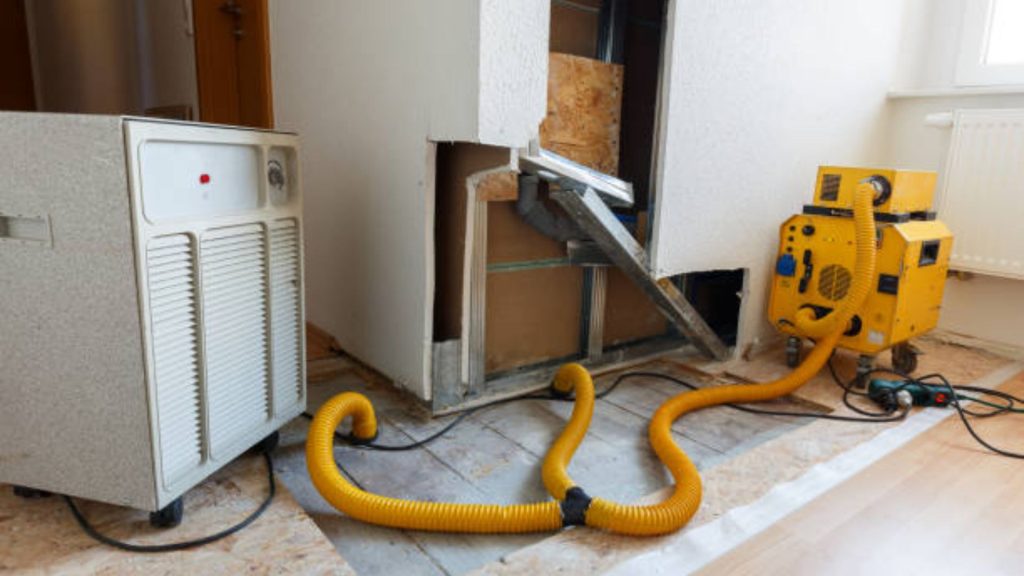
3. Dry the Area Quickly: Use fans and dehumidifiers to help dry the space. The quicker you dry it, the less chance mold has to take hold.
4. Dispose of Damaged Items: Remove items that are beyond saving, especially those that could harbor mold.
5. Seek Professional Assistance: While you can handle some initial cleanup, it’s wise to engage a professional service to ensure thorough drying and mold prevention.
Once professional services step in, they assess the scene, using tools and techniques to ensure everything’s dry and safe, restoring your peace of mind. Handling these steps with caution and speed minimizes lasting damage and safeguards your home’s integrity.
Your Reliable Partner in Flood Prevention
Spring rains in Wichita, while refreshing, bring challenges that homeowners need to be ready for. Understanding why sump pumps fail, spotting early signs of trouble, and knowing preventive measures are key to avoiding a flooded basement. But sometimes, despite best efforts, expert help becomes necessary to tackle the unexpected.
Don’t wait until water finds its way inside. Consider reaching out to companies specialized in this field, ready to jump in whenever help is needed. Keeping setups in good shape and routines up to date empowers homeowners to face nature’s wettest challenges with confidence.
Don’t let a flooded basement become a recurring problem in your Wichita home. Reach out to FreshCo for professional service to safeguard your property and maintain peace of mind during stormy seasons. Learn how our expert emergency water cleanup services can help keep your home dry and secure.