














When the snow melts and spring showers roll into Park City, it’s not just flowers that show up. It’s often backed-up drains, pooling water, and flooded basements. The change of season brings a higher risk of flooding, especially for homes sitting in low areas or near waterways. Spring flood safety isn’t something you want to figure out during an emergency. Instead, knowing what to expect and how to respond can save time, money, and your peace of mind.
The key is being ready ahead of time and reacting quickly when flood conditions start to form. That includes understanding local risks, having a strong safety plan, and knowing who to call when water starts creeping indoors. Emergency water cleanup services can be the difference between a short-term mess and lasting damage. Here’s what makes spring floods a real concern in Park City and the steps homeowners can take to stay ahead of trouble.
Understanding Spring Flood Risks
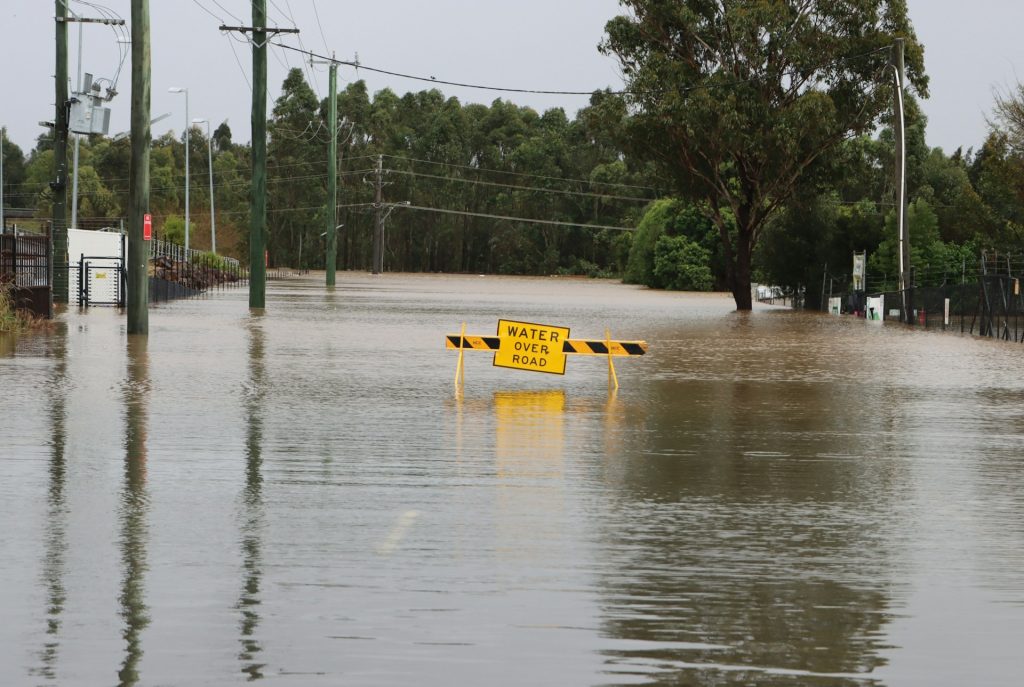
Park City sees big weather shifts as winter comes to an end. When warmer temperatures arrive, snow begins to melt across both flat areas and slopes, funneling into already wet ground and small bodies of water. Add heavy spring rainfall on top, and you’ve got a recipe for overflow.
Flood risks rise when:
– Snow melts rapidly and overwhelms your drainage system
– Gutters are clogged or angled poorly, directing water toward the house
– The ground stays frozen underneath, not allowing water to soak in
These issues can send water straight toward your home. Even a small amount of water inside can cause major problems. If your basement is finished with carpet, furniture, or electronics, light flooding could still mean replacing flooring, drywall, and other costly materials.
In low-lying spots around Park City, water builds up fast. If nearby storm drains clog or your yard isn’t sloped to drain properly, water may gather at your foundation and sneak inside. By the time you catch that musty smell or discoloration, damage may already be spreading.
Being aware of these risks is the first step to avoiding a disaster. When you know what puts your home in danger, acting early becomes a lot easier.
Immediate Safety Measures
When weather reports predict flooding, having a plan helps keep stress low and gives your family clear steps to follow. You don’t want to be putting together supplies or making decisions once the water is already rising.
Here are a few important steps to protect your home and family:
1. Move valuables to higher shelves or the main floor. This includes electronics, chemical cleaners, important files, and personal keepsakes.
2. Shut off power to affected zones if water begins to enter. Only do this if it’s safe. Electricity and water are a risky mix.
3. Keep an emergency stash of supplies nearby. Flashlights, batteries, phone chargers, dry snacks, water bottles, and basic medications should all be part of it.
4. Avoid walking in floodwater. Even shallow water can hide sharp objects, dips in the floor, or harmful substances.
5. Stay updated on local conditions. Whether it’s a phone app or weather radio, keep tabs on changing alerts.
Go over your plan with everyone in the home in advance. If flooding begins, it’s much easier to act if everyone knows what to do.
Being mentally and practically ready helps reduce the chance of damage and allows for quicker decision-making. Once the rain lets up and the water level drops, it’s time to move on to the next phase: cleanup and recovery.
Post-Flood Actions
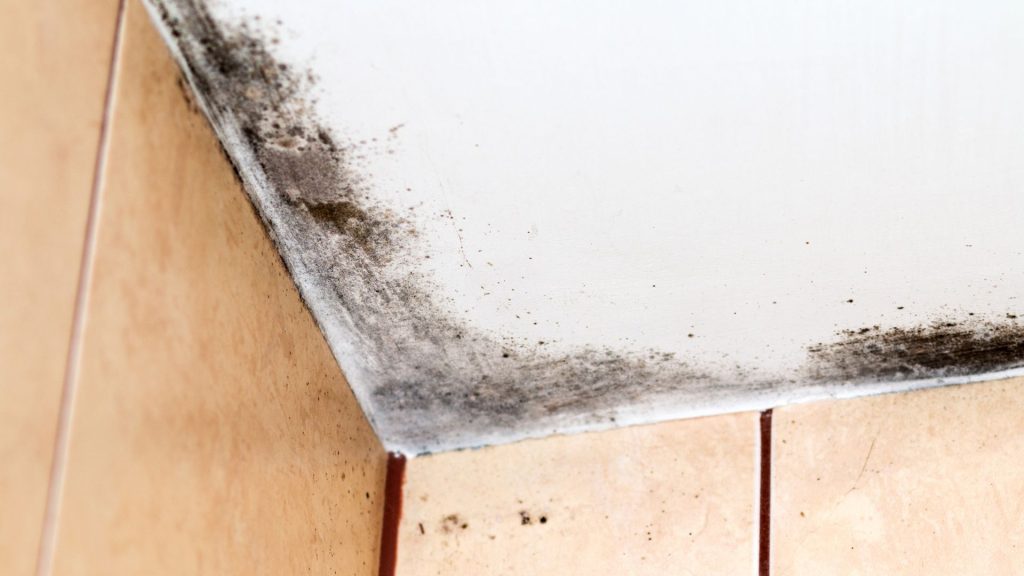
Once floodwaters go down, time becomes one of the biggest factors. The faster you can start the cleanup process, the more damage you can prevent. Standing water causes all kinds of problems, from mold growth to warped walls and floors. Even quick-drying surfaces can still hold onto hidden moisture.
Here’s what that process should look like:
1. Assess the situation when it’s safe. Look through the entire area, including under carpets, behind baseboards, and inside lower cabinets.
2. Ventilate the space. If it’s warm and dry outside, opening windows can help reduce indoor humidity and keep the air fresh.
3. Remove water-damaged items. Items like soaked rugs, wet couch cushions, or ruined electronics can hold on to moisture and support mold growth.
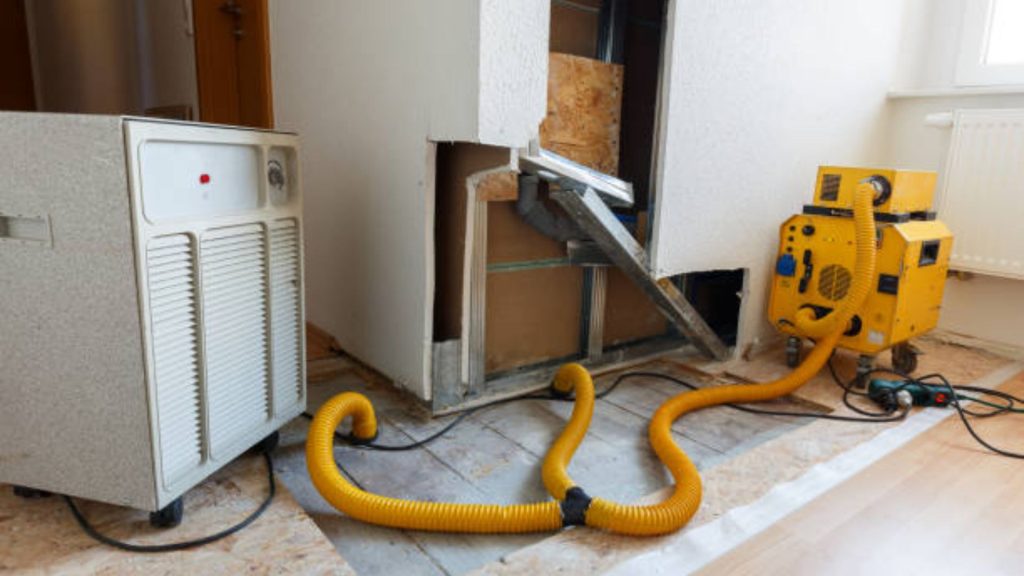
4. Use fans and dehumidifiers. Dry out surfaces as quickly as possible, including walls and floors.
5. Check back over the next couple of days for mold. Even if everything seemed dry at first, mold can appear unexpectedly later on.
Skipping or rushing these steps often leads to bigger problems down the line. While it might feel tempting to handle things on your own, water can sneak into places that aren’t easy to see. That’s why professional help adds a major level of confidence when cleaning up after a flood.
Professional Cleanup Services
Hiring professionals for emergency water cleanup services gives homeowners peace of mind during a stressful time. Crews are trained to tackle major damage and address high-risk spots you might not think to check. They also have heavy-duty gear to get the job done right.
Professional help provides several benefits:
– Specialized tools can extract water faster and more completely than household tools
– Technicians know how to spot water damage behind walls or under materials
– They bring drying fans, industrial dehumidifiers, and moisture meters to handle trouble areas properly
– Cleanup crews can provide follow-up steps and ideas to improve your flood resistance
It’s not just the cleanup that matters. Knowing a trusted team is addressing every inch of damage helps reduce anxiety and ensures that your home won’t be left with lingering problems.
Helping Your Home Stay Protected Year After Year
Once things are dry and back to normal, it’s the right time to look at ways to prevent flood damage in the future. Many issues can be stopped or reduced with regular maintenance and smart adjustments.
Some smart ideas include:
– Raising the height of basement utilities and appliances so they’re out of reach of floodwaters
– Installing backflow valves on drains to stop sewer systems from backing up into your basement
– Slope your landscaping so that the ground naturally pushes rainwater away from your house
Make a habit of checking your gutters, sump pump, and any basement entry points. Fix any worn seals around basement windows or entryways. Even small leaks can get worse during a heavy storm.
Floods are never a welcome surprise, but being prepared makes a big difference. Whether it’s through fast cleanup or regular maintenance, protecting your home now can save tons of stress later. Partner with FreshCo for a quick and effective recovery from spring floods in Park City. Our professional services ensure your peace of mind.
Spring flooding can take homeowners in Park City by surprise, leaving behind water damage and added stress. FreshCo is here to help with professional emergency water cleanup services that restore your space quickly and safely. Acting fast protects your home from further damage and gives you peace of mind as you recover.