














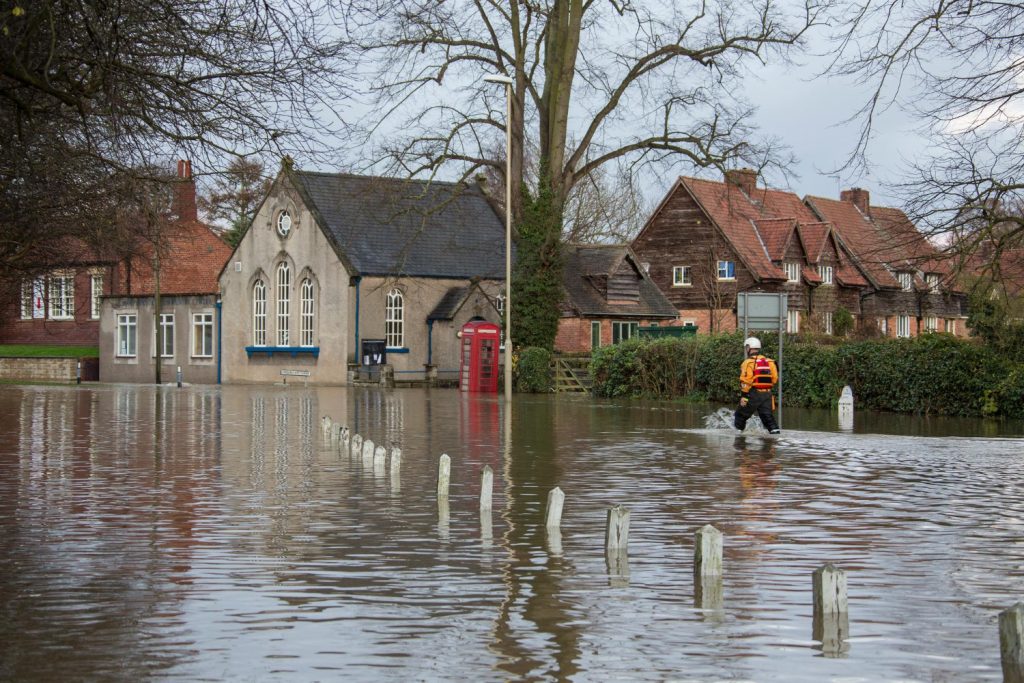
Flood season in Park City can leave homes with more than just soaked carpets and a musty smell. When spring storms roll in, they often bring rising water levels, clogged gutters, and flooded basements. The recovery process after flooding isn’t just about drying things out. It involves addressing serious issues that, if left untreated, can lead to mold, rotting materials, and long-lasting structural damage.
Getting things back to normal takes speed and care. Park City homeowners know floods don’t give much warning and once waters seep in, the clock starts ticking. That’s why acting fast after a flood is so important. The right recovery steps can make the difference between minor repairs and long-term damage. Here’s a look at practical ways to handle recovery when flood damage strikes your home.
Assessing Flood Damage
Once the water has settled or stopped rising, it can feel tempting to just mop up and move on. But before anything gets cleaned or removed, it’s important to understand exactly how far the damage has spread. Flood water can reach places you might not notice at first, like behind walls, under appliances, or inside floor cavities. Getting a full picture of the damage early on helps avoid bigger problems later.
Here’s what homeowners should expect during the first assessment:
– Check all impacted areas like basements, floorboards, drywall, and cabinets for water stains or warping
– Focus on soft surfaces such as carpets, rugs, upholstery, and mattresses
– Look closely at the walls and seams where drywall meets the floor for signs of swelling or softness
– Make detailed notes or take photos of anything visibly damaged for insurance documentation and tracking recovery work
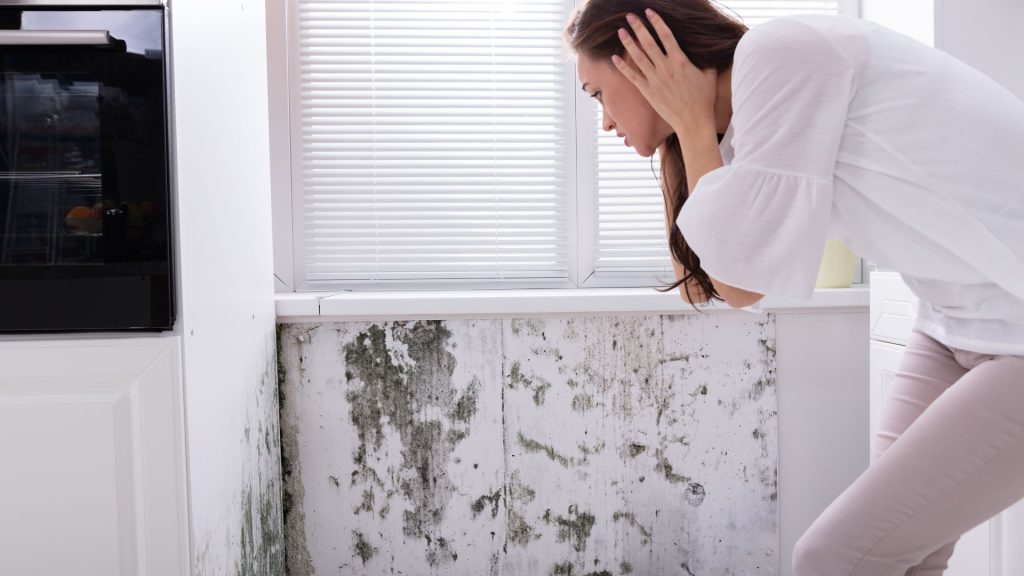
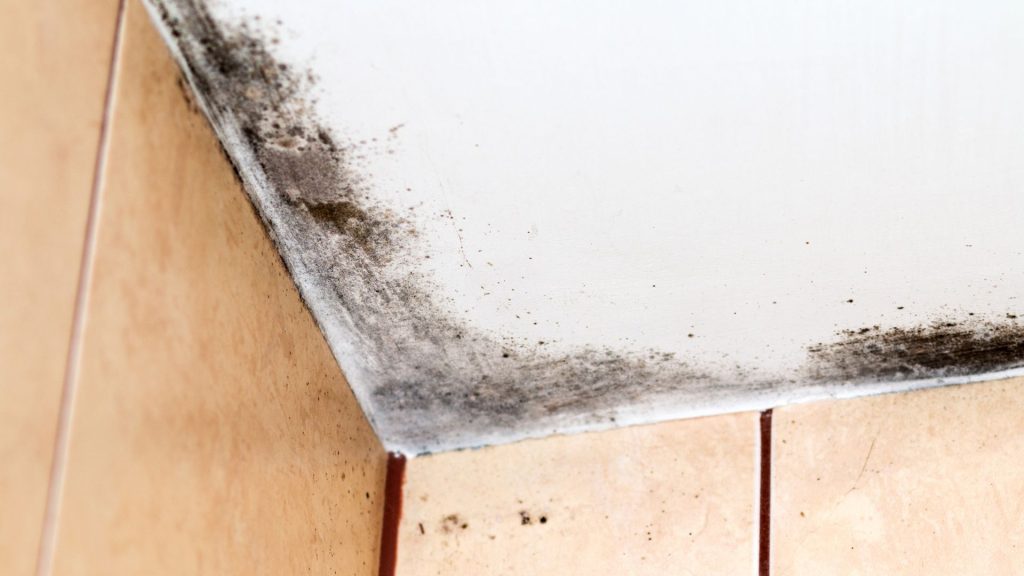
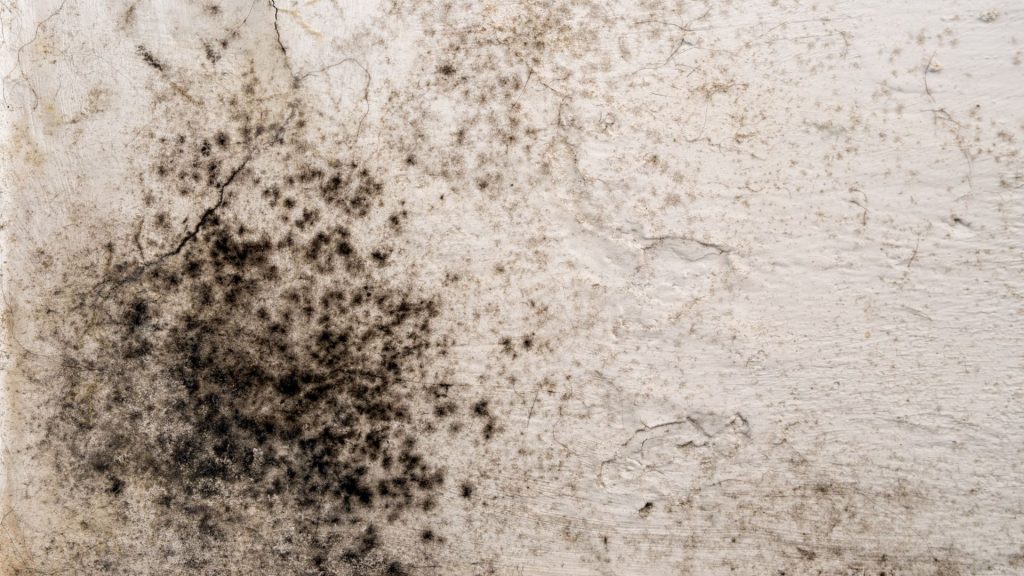
It’s easy to miss signs of moisture hidden inside your home’s structure. Even though surfaces might look dry, water can stay trapped underneath. If those spots aren’t uncovered and dried properly, they can become mold hotspots. That’s why it’s helpful to involve a professional early on.
Floodwater can also carry dirt, oil, or sewage. So you’re handling more than just water damage—you’re dealing with contaminants that need careful cleanup. The sooner you act, the lower the chances for long-term health and odor issues. Once the damage is assessed, the next step is to get the water out and everything dried as quickly as possible.
Water Extraction and Drying Out Your Home
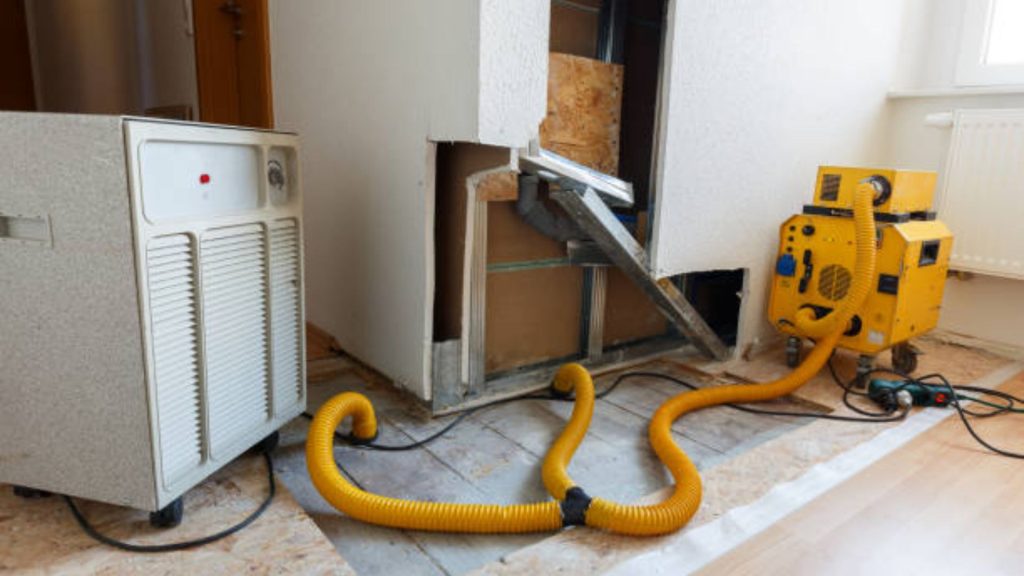
After a flood, removing water takes more than a few towels and fans. It means drawing out moisture hidden deep inside materials and structures. Quick water extraction helps reduce lasting damage and gets your home on track for recovery.
Here are some common steps professionals use during water removal and drying:
– High-powered pumps or vacuums to get water out of basements and crawlspaces
– Moisture meters to detect damp spots inside walls, flooring, and behind cabinets
– Fans and air movers to push dry air into wet areas and speed up evaporation
– Dehumidifiers to lower moisture in the air and keep humidity under control
This work should begin as soon as it’s safe to enter the house. The longer water stays in your home, the more it seeps deep into insulation, drywall, subflooring, and wood. In Park City, hot summer weather can make things worse. The heat speeds up mold growth and trouble areas grow fast when ignored.
Watch for stubborn signs that things still aren’t fully dry, like floors that feel soft or doors that don’t close right. These could mean materials have been warped by moisture and more drying or repairs might be needed. Once the home is dry, the next focus is making it clean and safe again.
Cleaning and Sanitization After a Flood
When the water is gone, the cleanup work really begins. Floodwater is rarely just water. It often brings bacteria, silt, oil, and debris into your home. Leaving those behind can cause bad smells and health risks.
A few key cleaning steps include:
– Remove wet and damaged items like carpeting or soaked furniture if they can’t be properly cleaned and dried
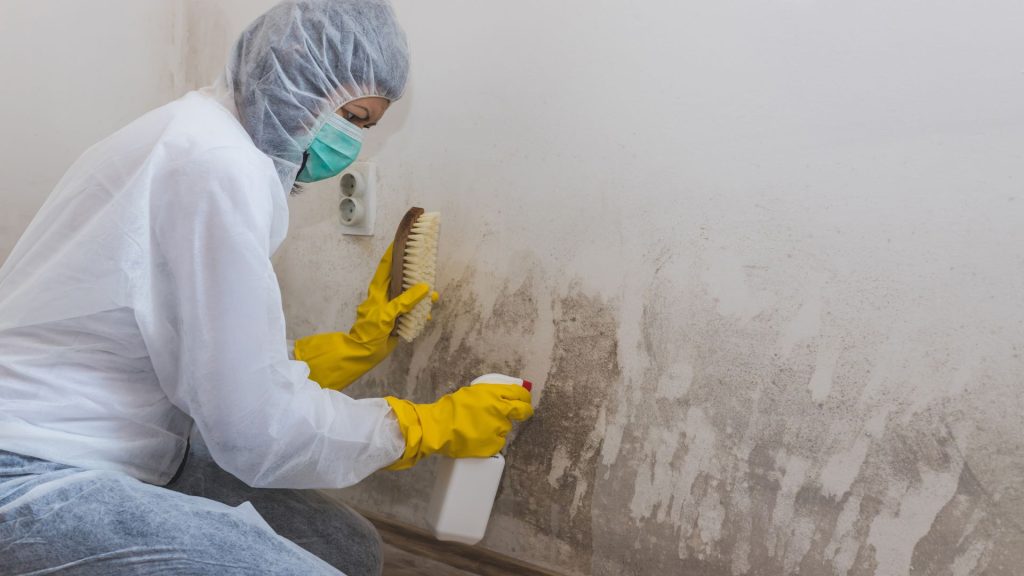
– Scrub every surface touched by floodwater using soap and disinfectant to clear bacteria, mold spores, and any residue
– Pay close attention to corners, floor joints, and hidden gaps where grime collects and mold takes hold
– Use a strong disinfectant rated for flood recovery on floors, baseboards, furniture, and any salvageable items
Safety’s important here, especially when dealing with contaminated water. Gloves, masks, and other protective gear may be necessary, depending on the condition of the affected space. Having a crew tackle this part for you makes the home cleaner and the process a lot less stressful.
Repairing and Restoring Your Home
Once everything is dry and clean, it’s time to focus on what needs fixing. Some problems will be easy to see, like a damaged wall or buckled flooring. Others may need a deeper inspection, such as structural damage or electrical issues from water exposure.
Some of the repair needs that come up include:
– Walls, ceilings, or floors that show signs of warping or weakness
– Wood that’s cracked, swollen, or soft needs to be evaluated for repair or replacement
– Electrical wiring or outlets that were exposed to water should be inspected and repaired by a licensed professional
This is also the time to go through personal items and see what can be restored. While waterlogged papers or soft goods may be beyond help, many belongings can be recovered with the right methods. Some items might need special treatment like ozone chambers or professional drying units. Organizing replacements for what’s lost takes time, but it’s all part of getting things back to how they were.
Peace of Mind with Professional Help
Trying to manage all these steps by yourself can feel overwhelming. That’s where restoration professionals can really help. They know what to look for, have the tools to do the job right, and often catch damage that homeowners miss.
With a full-service team, you can count on:
– Fast response times to stop damage early
– Detailed inspections supported by specialized moisture detection equipment
– Safe water extraction and thorough drying with commercial-grade machines
– Heavy-duty disinfecting to make your space safe to live in again
– Reliable repairs handled by experienced contractors
Choosing expert support also helps reduce stress. There’s less guesswork and fewer surprises, which makes moving past flood damage easier for Park City homeowners.
Protect Your Park City Home from Future Floods
Once you’ve handled the immediate damage, it’s a good opportunity to think ahead. Lowering the chances that flooding will strike again isn’t always about luck. A few upgrades and regular checkups can make a big difference.
Here’s what you can do to help protect your Park City home:
– Install or maintain sump pumps and backup battery systems to remove water quickly
– Keep gutters and downspouts clean and positioned to move water at least several feet away from your foundation
– Waterproof basement walls and floors using sealants or specialized coatings
– Check for and close up small cracks around your foundation, windows, and doors to block future leaks
– Landscape with a proper slope to guide water away from your home, not toward it
Spring and summer weather can put pressure on any home. Taking preventive steps now saves headaches down the road. Whether you’ve already bounced back from flood damage or you’re preparing for the next season, simple upgrades can go a long way in protecting your investment.
Protect your home from unexpected challenges by addressing flood damage promptly. The peace of mind that comes with knowing your property is protected against future water issues lasts well beyond the cleanup. Let FreshCo help you keep your Park City home safe and dry year-round. Learn more about our flood damage solutions tailored for your needs today.